Chronograph watches
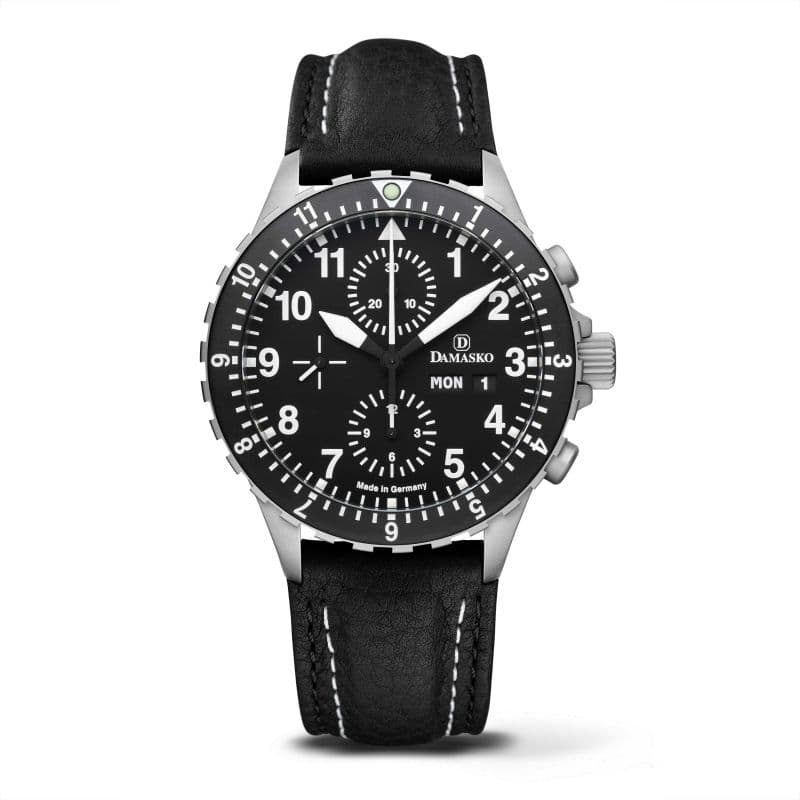
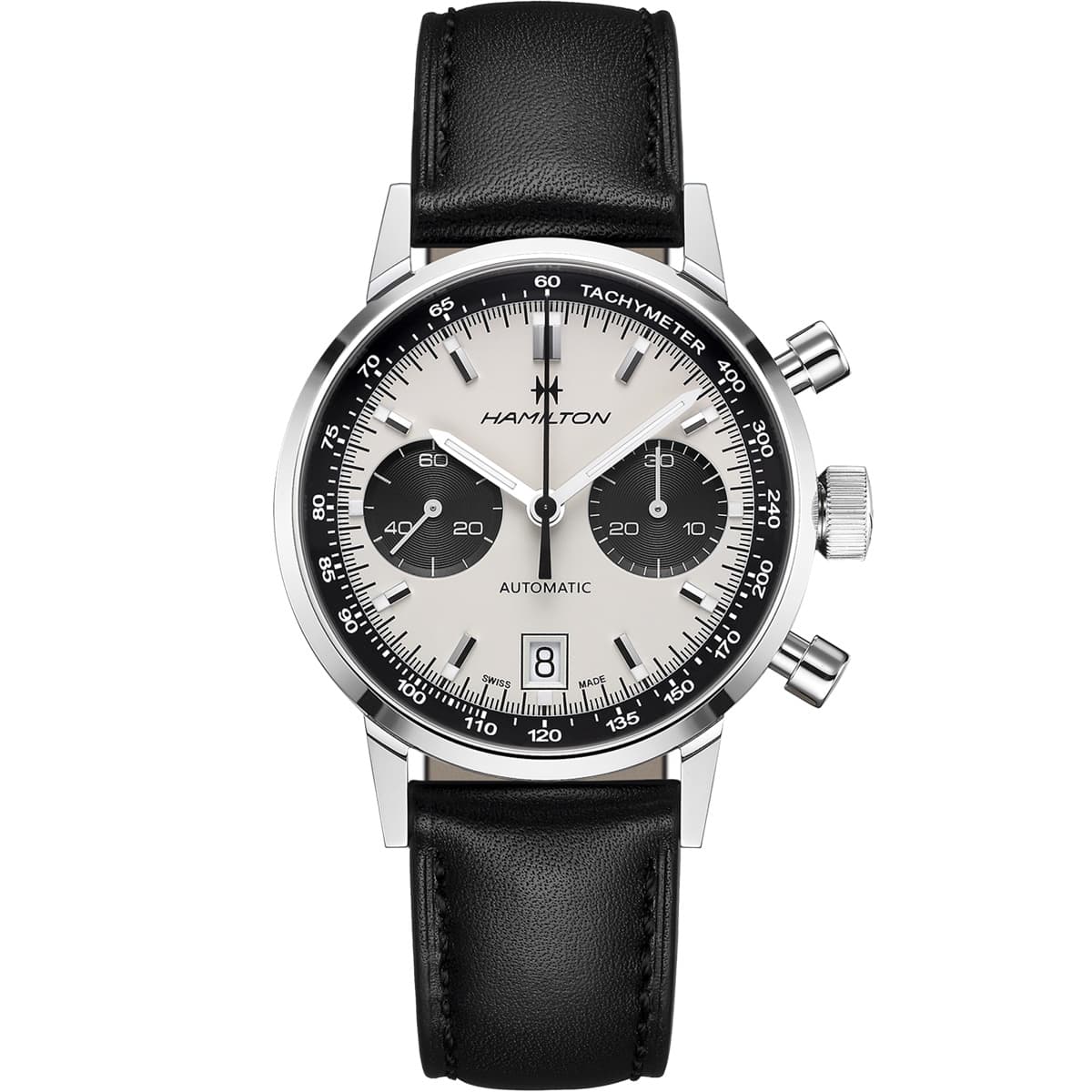
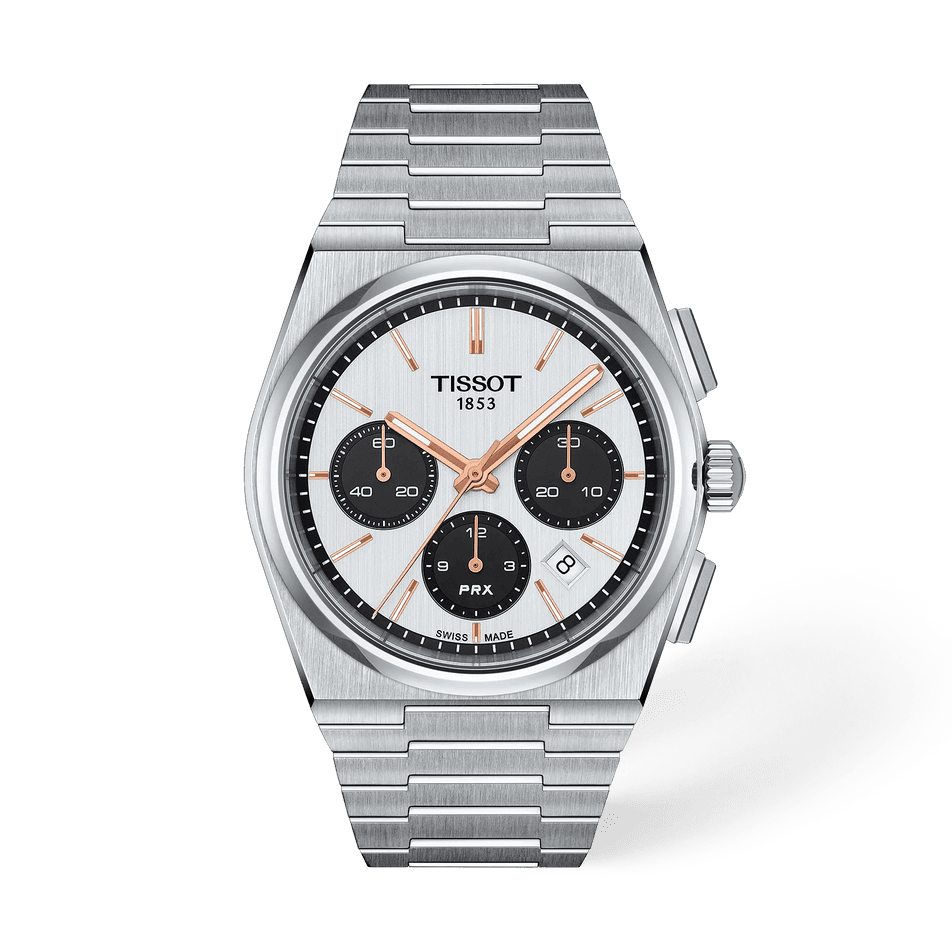
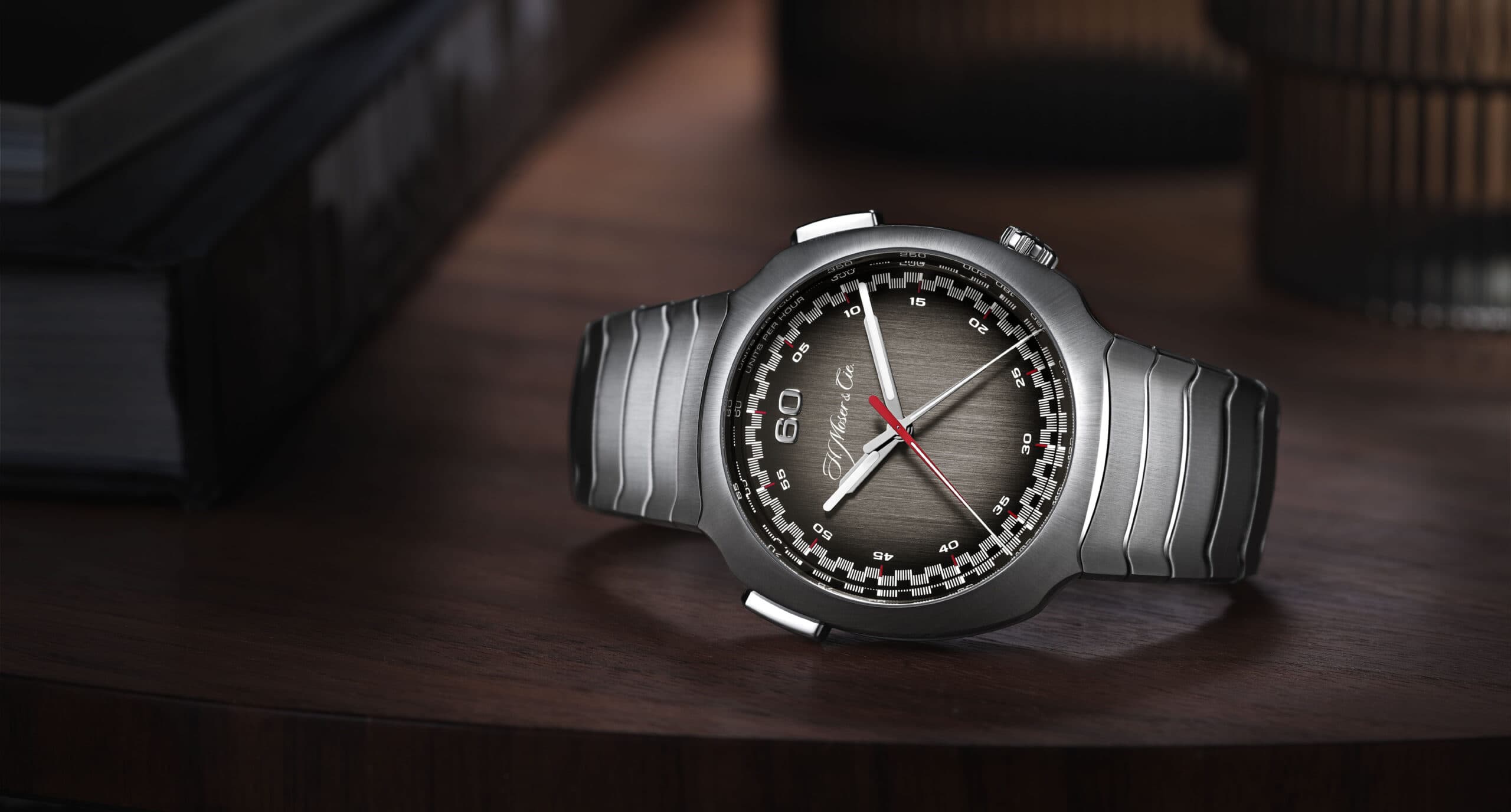
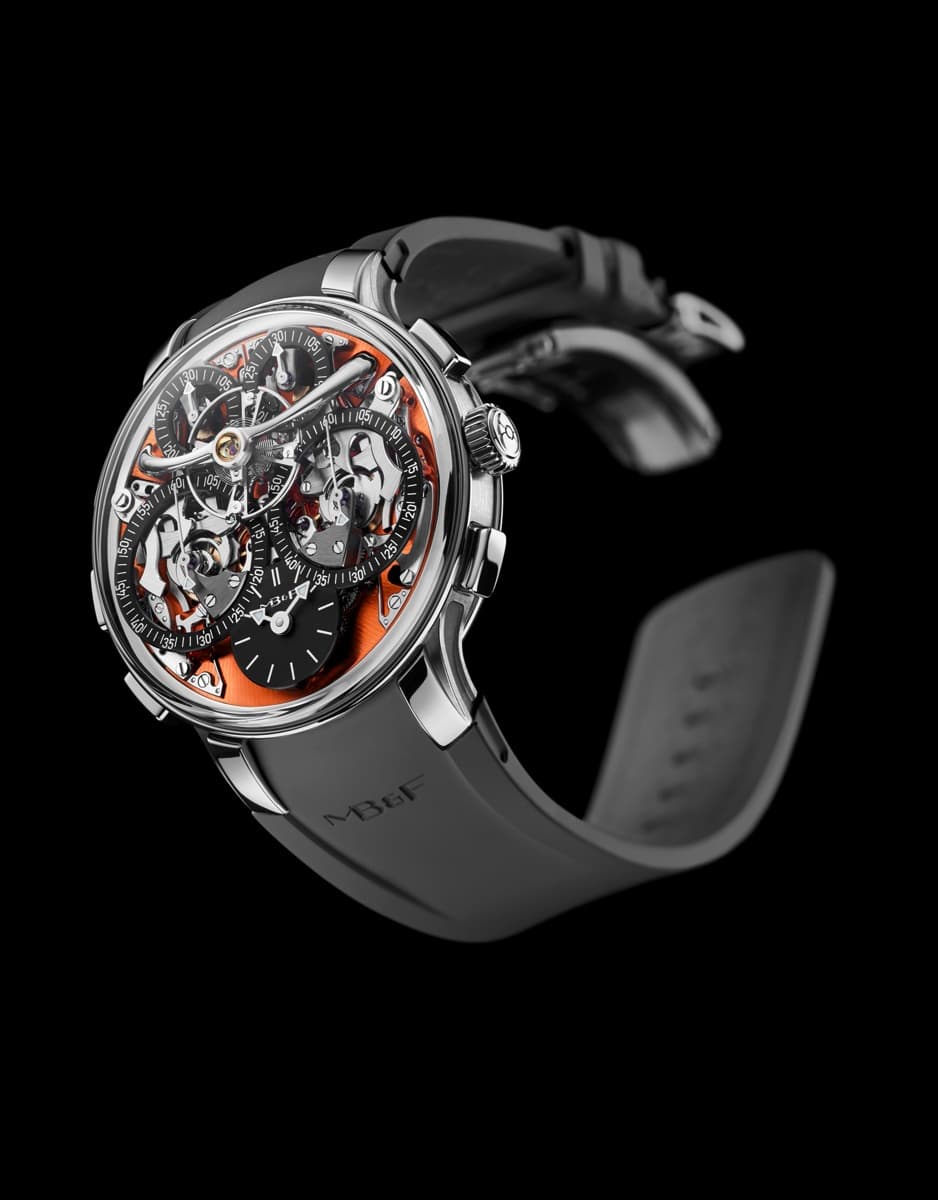
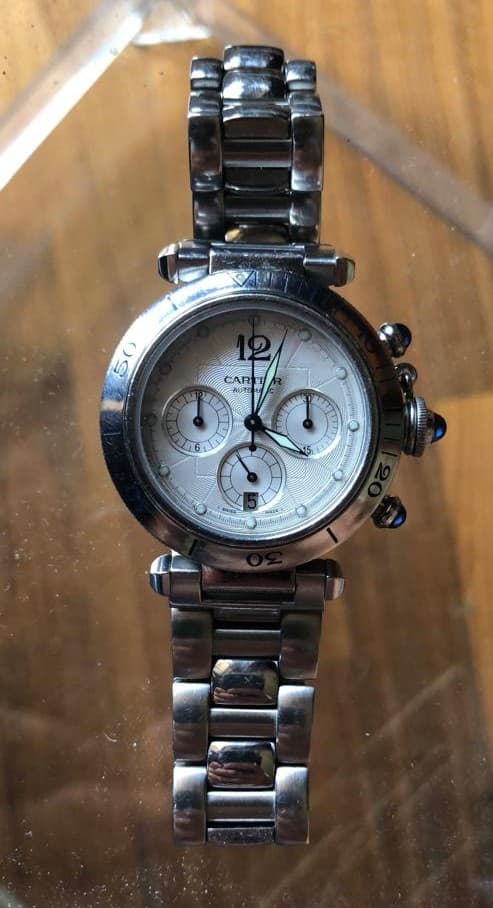
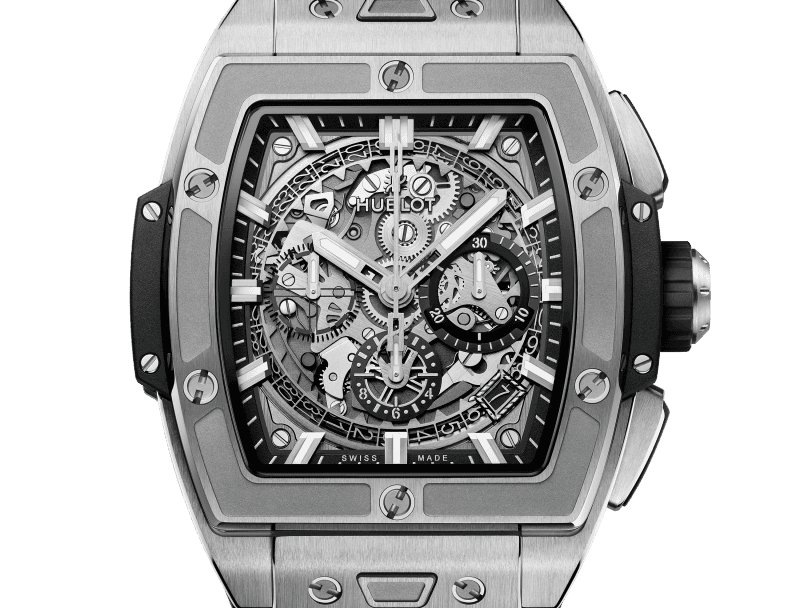
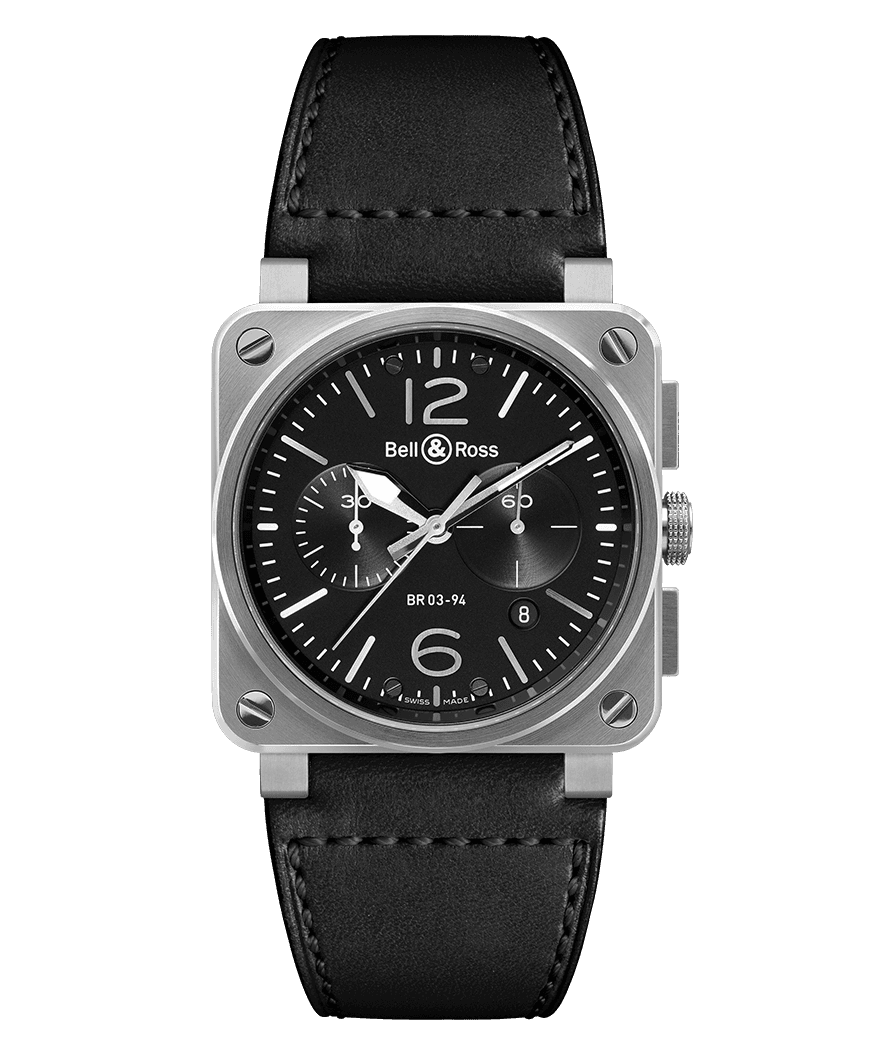
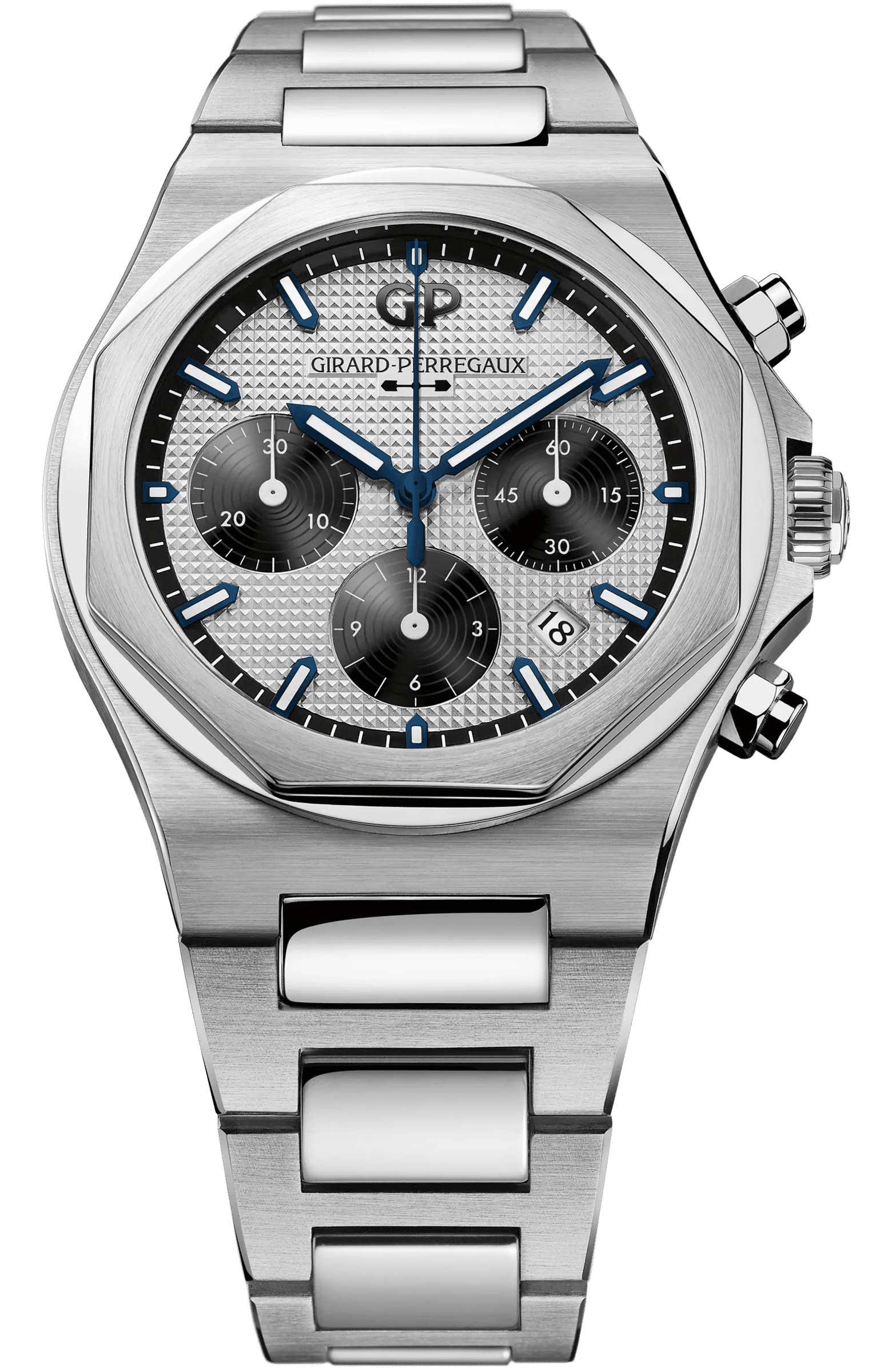
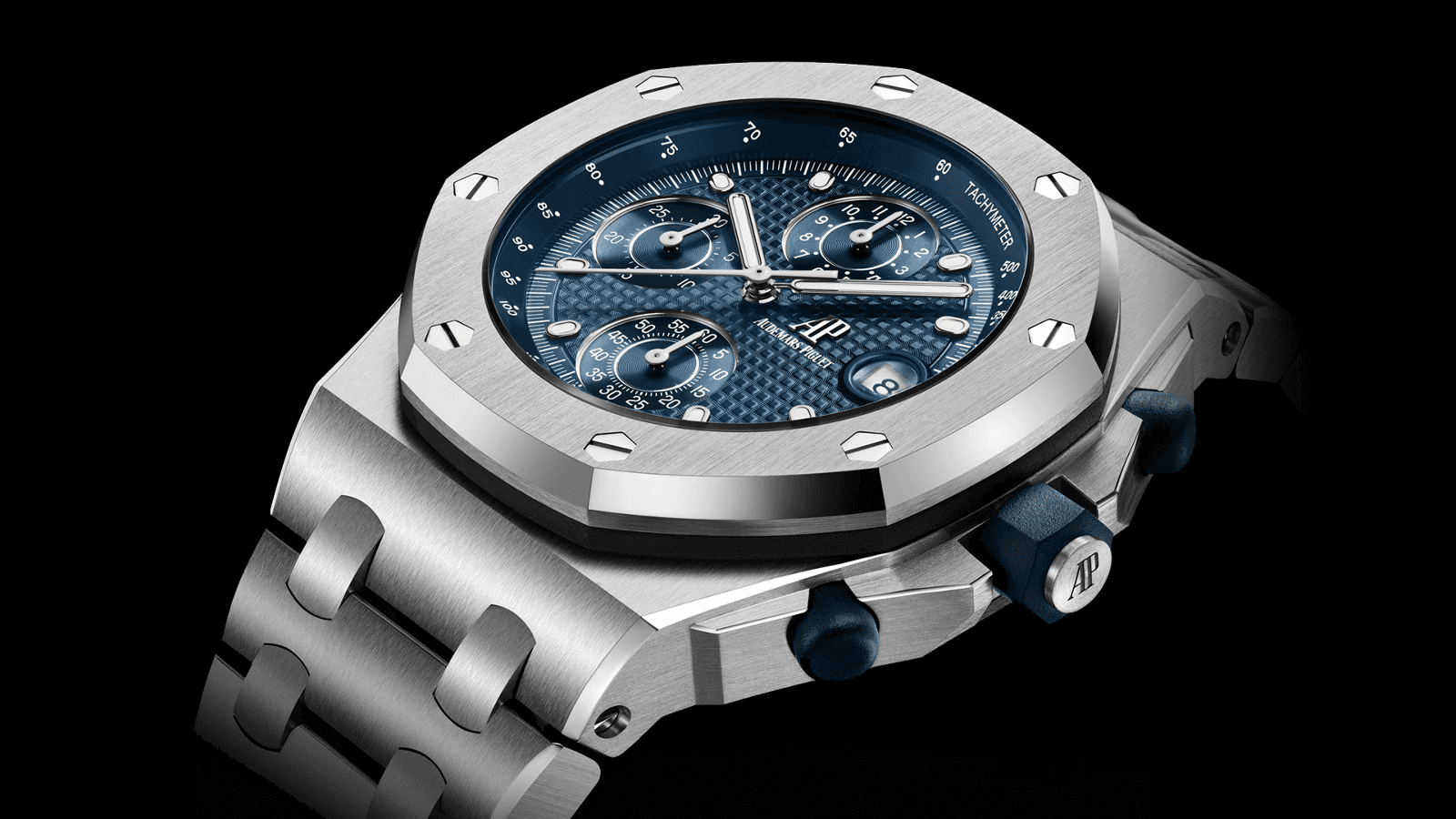
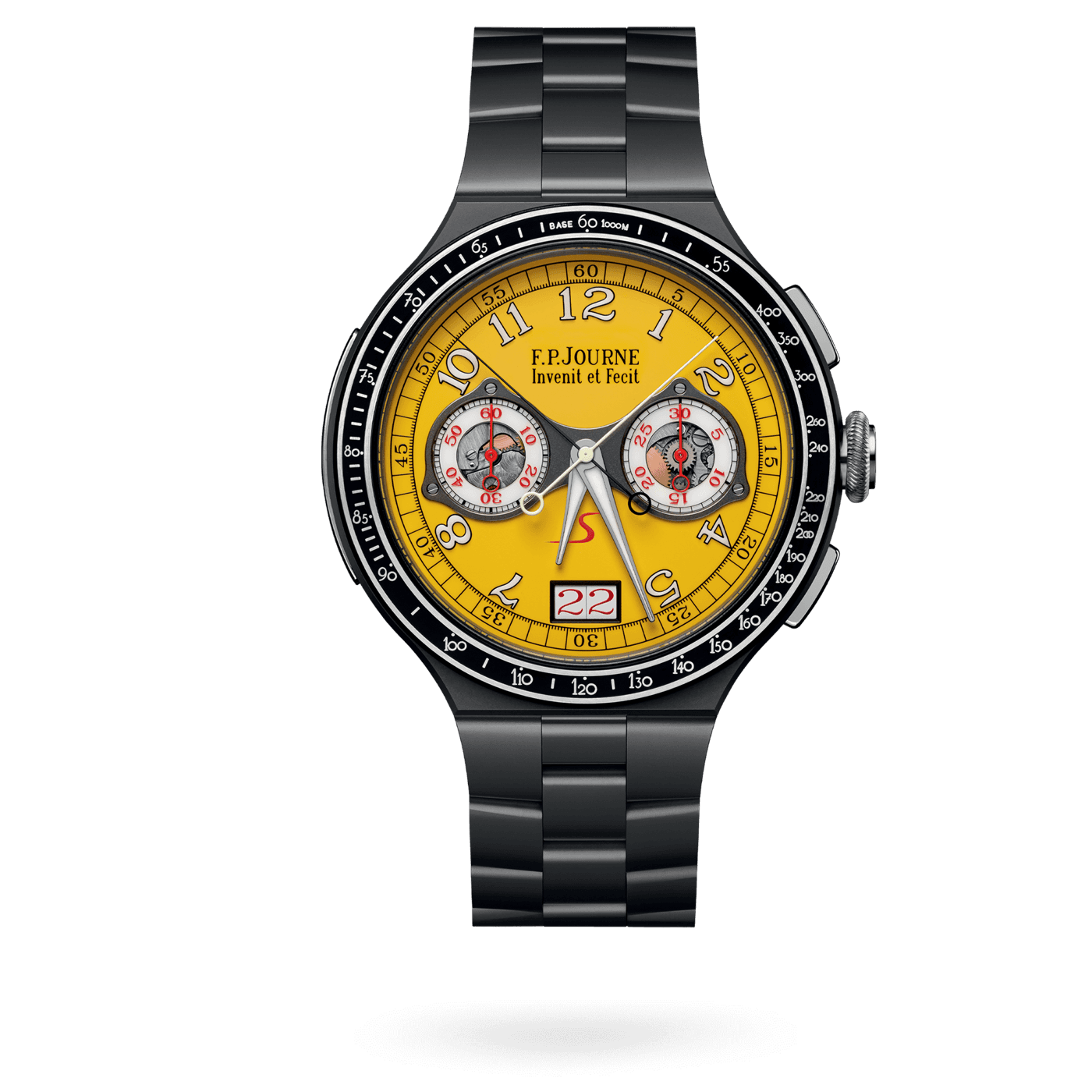
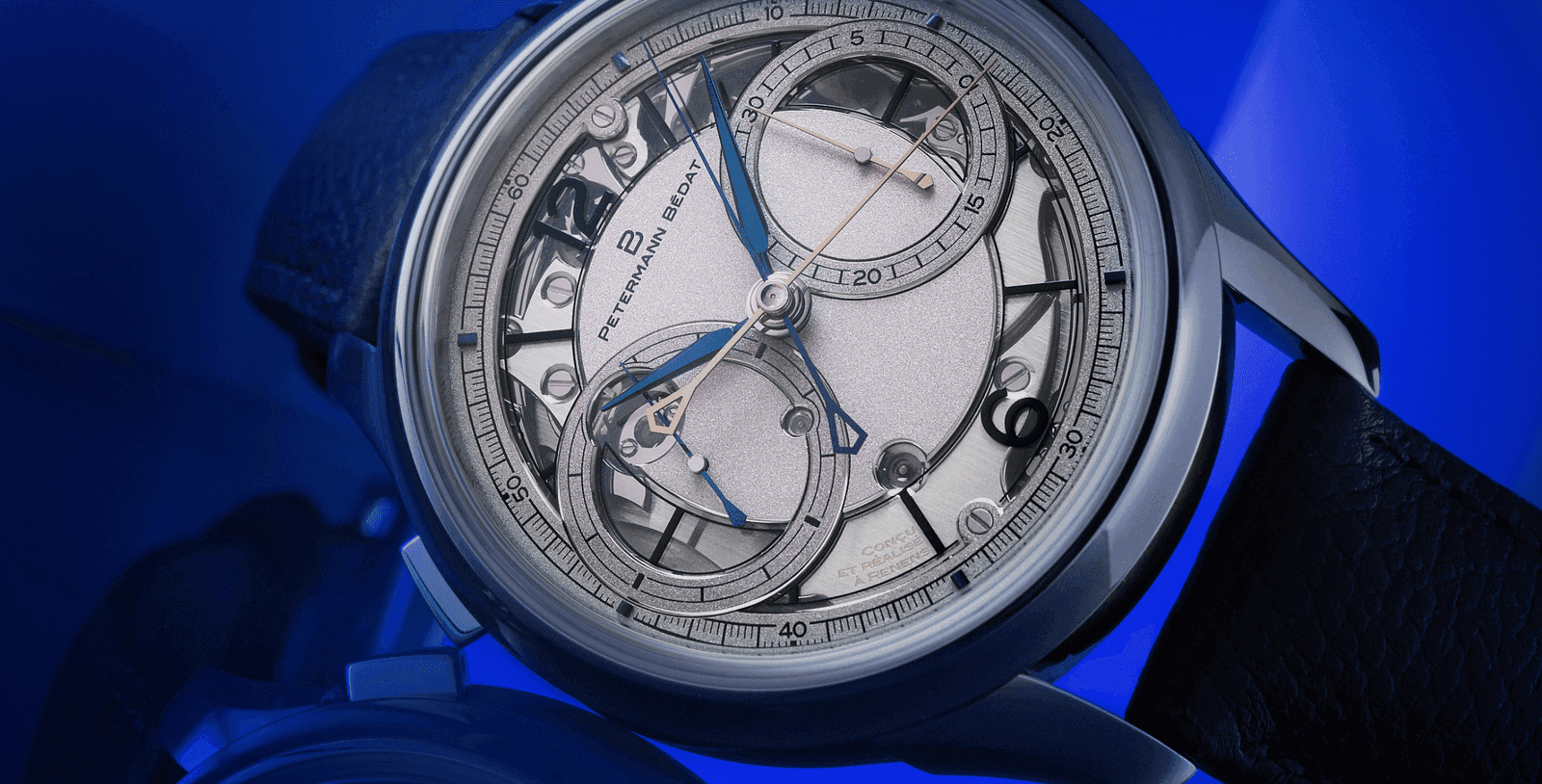
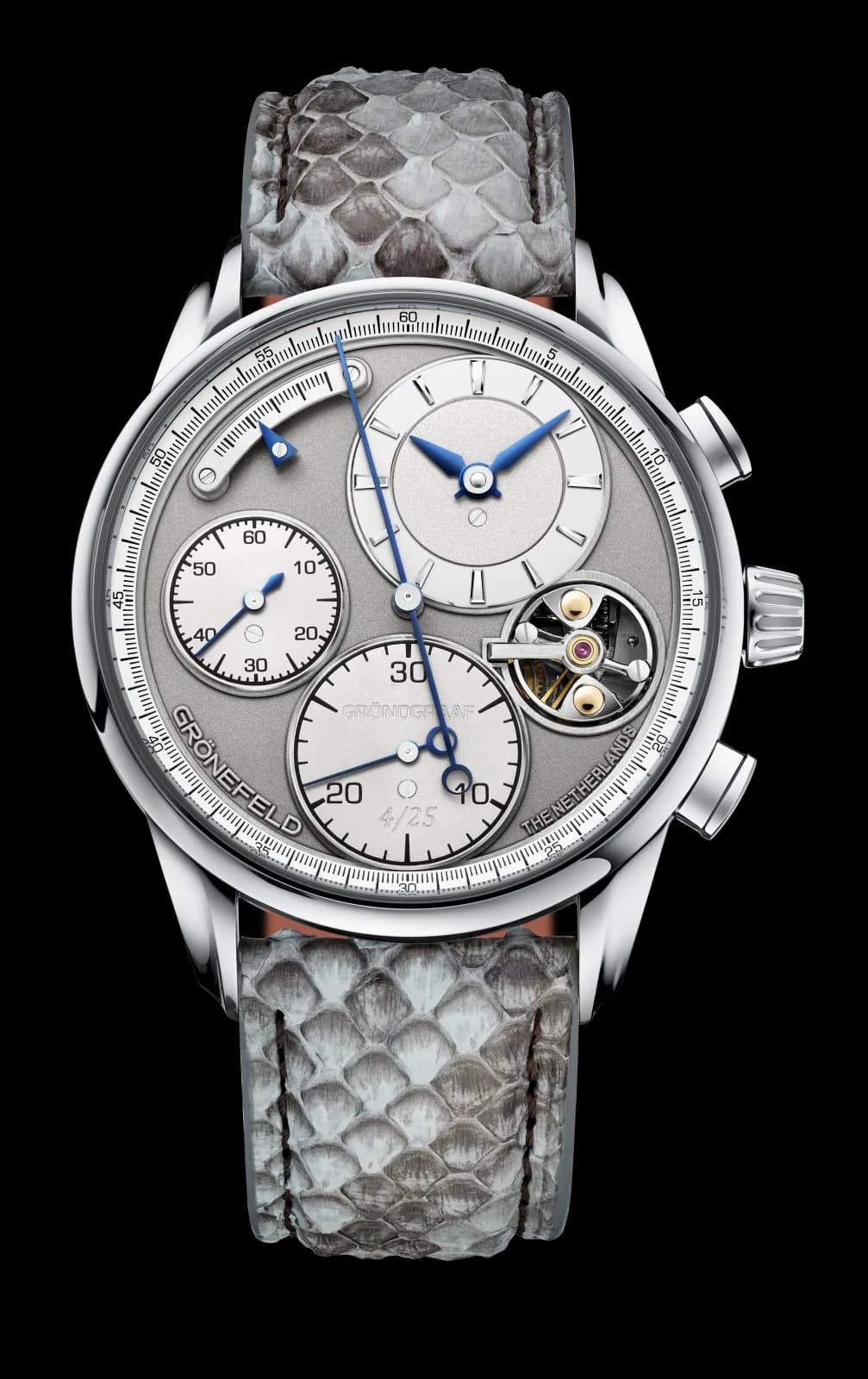
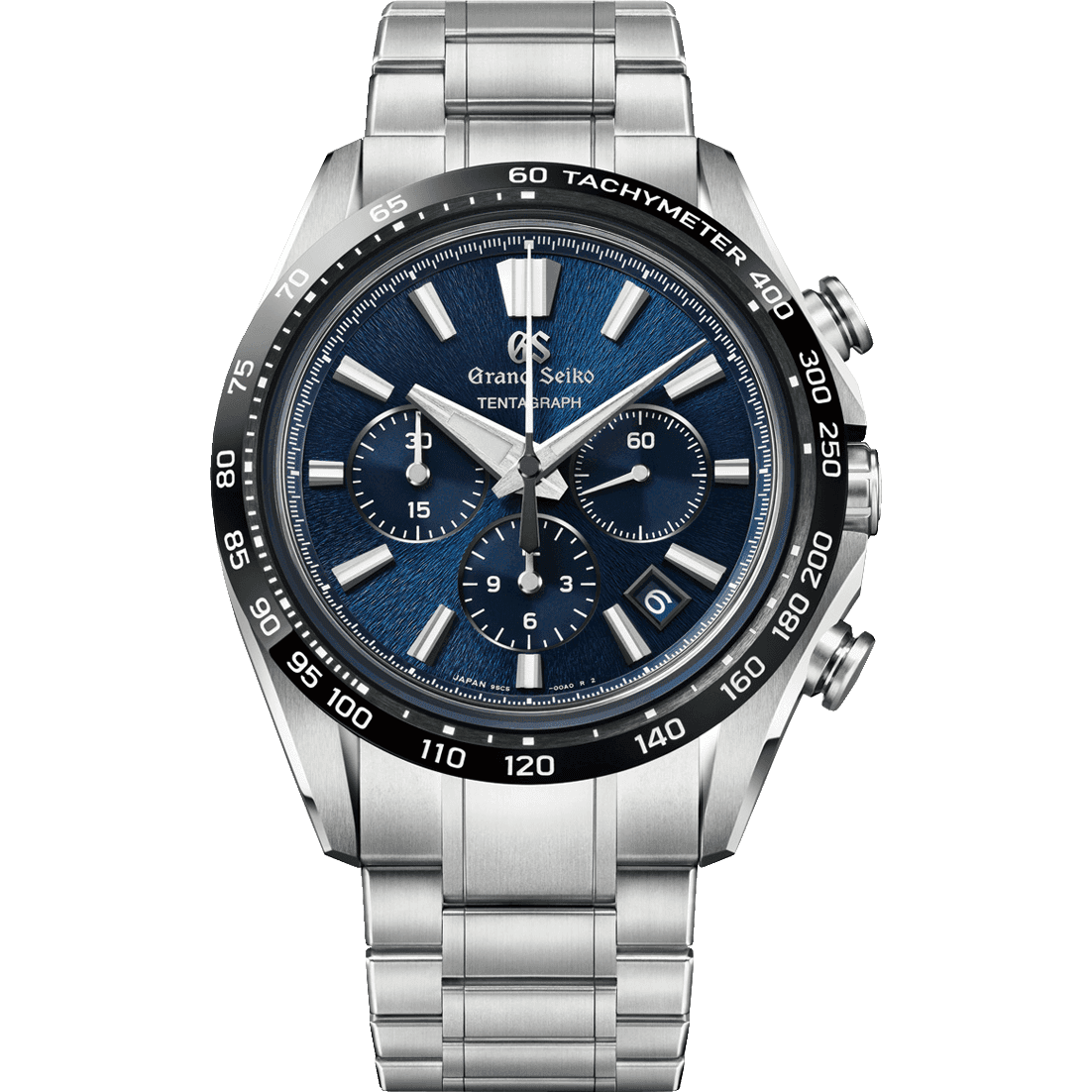
References in the Grail Atlas catalog carrying the chronograph complication.
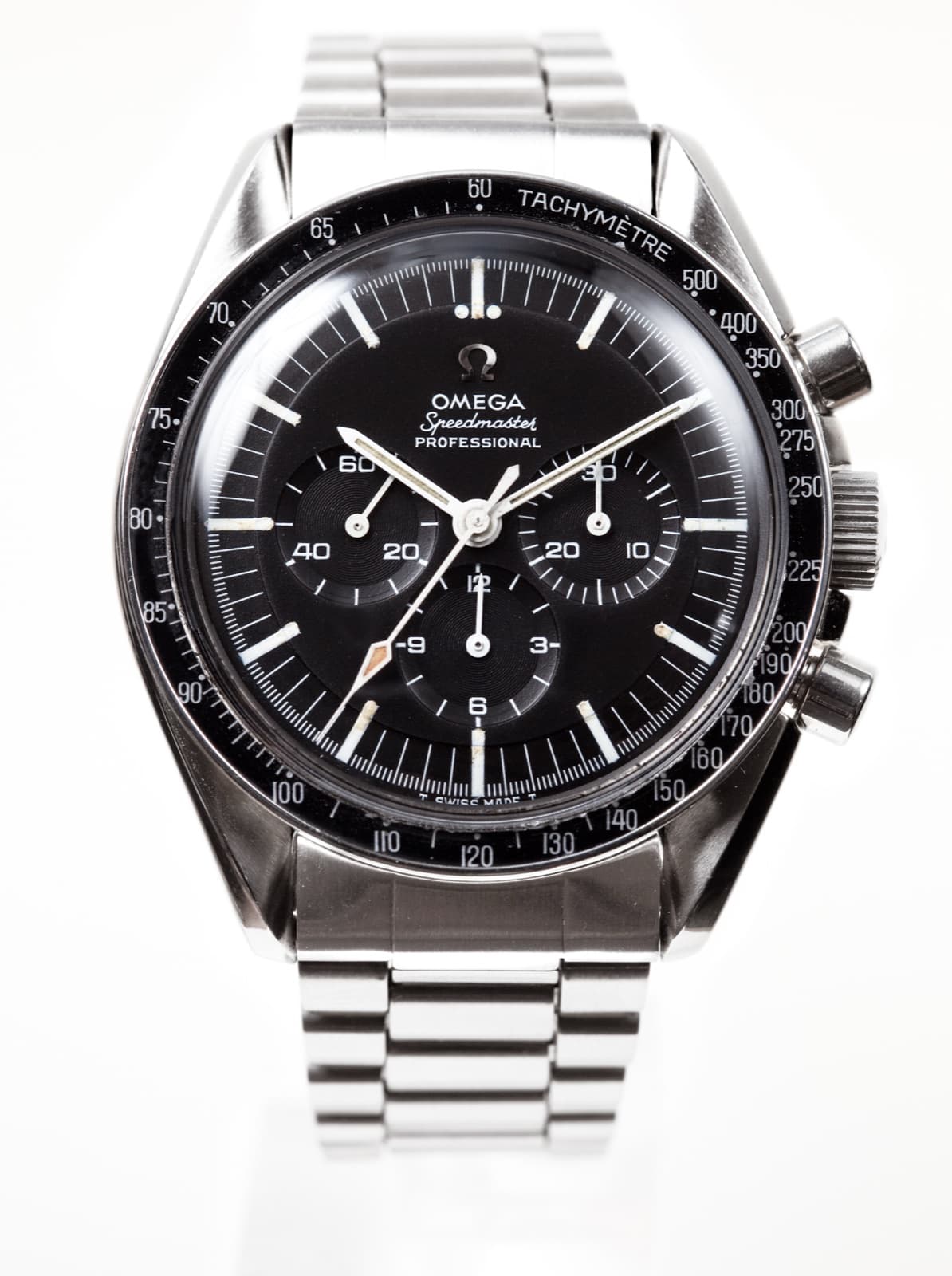
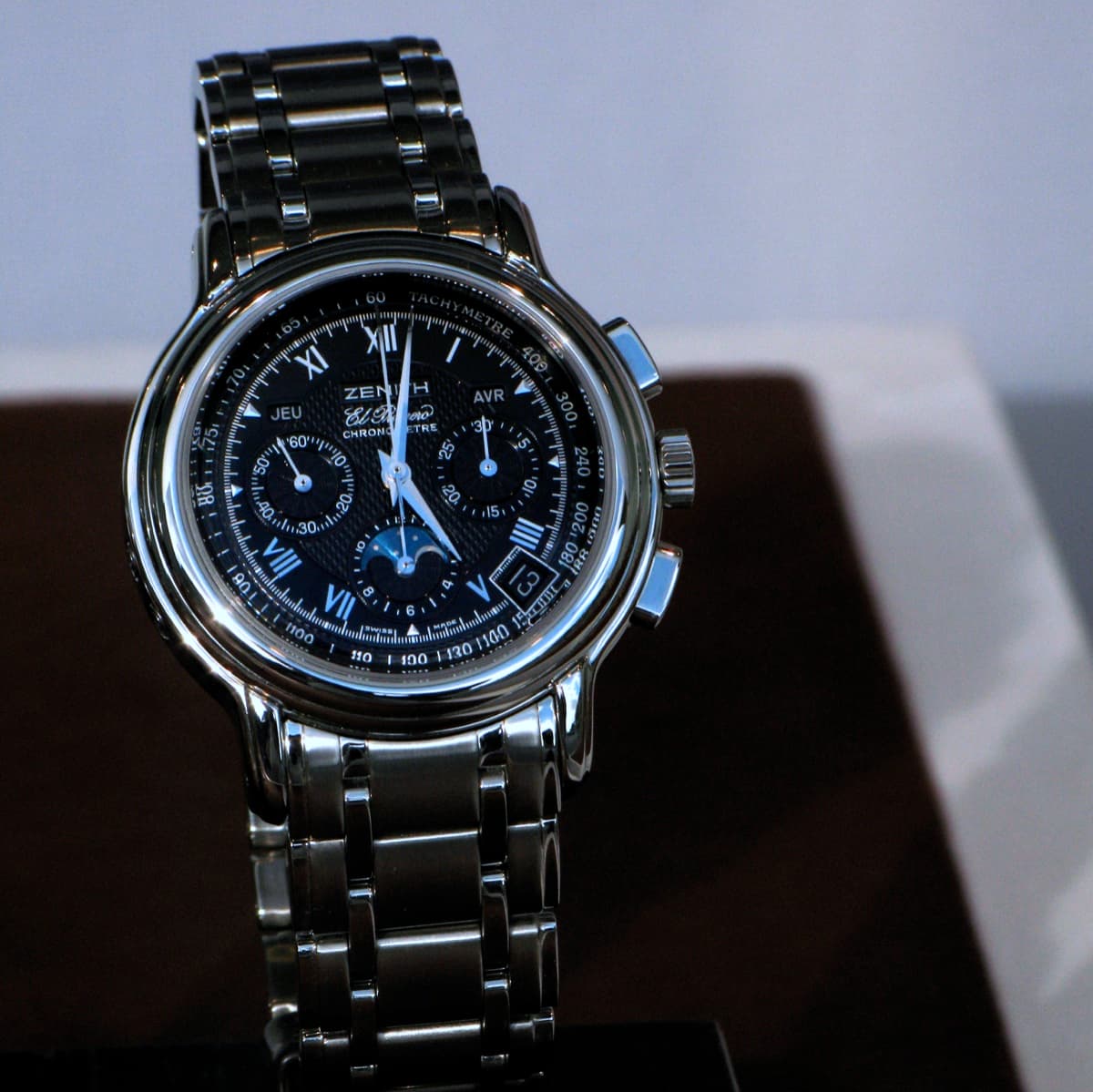
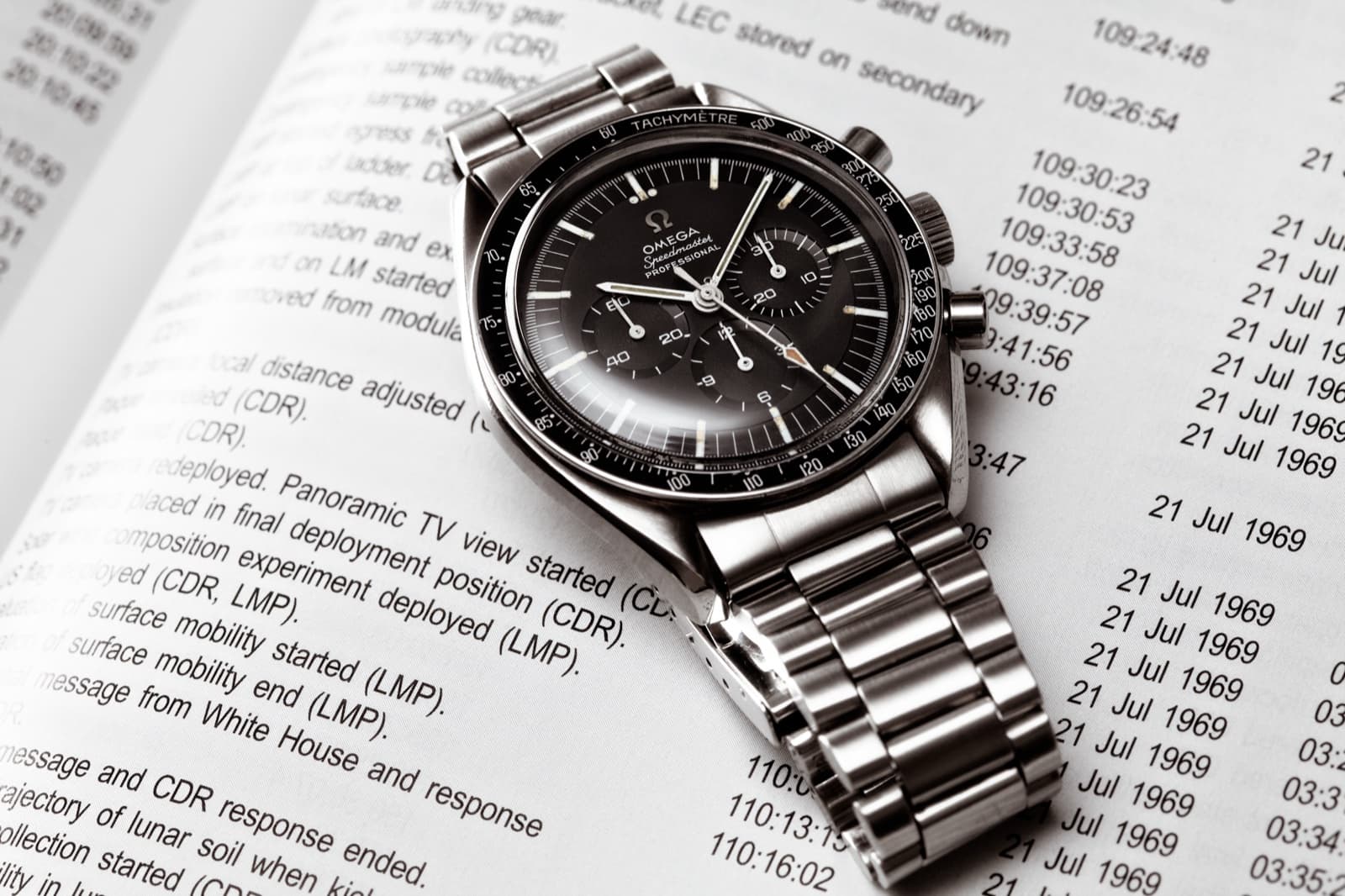
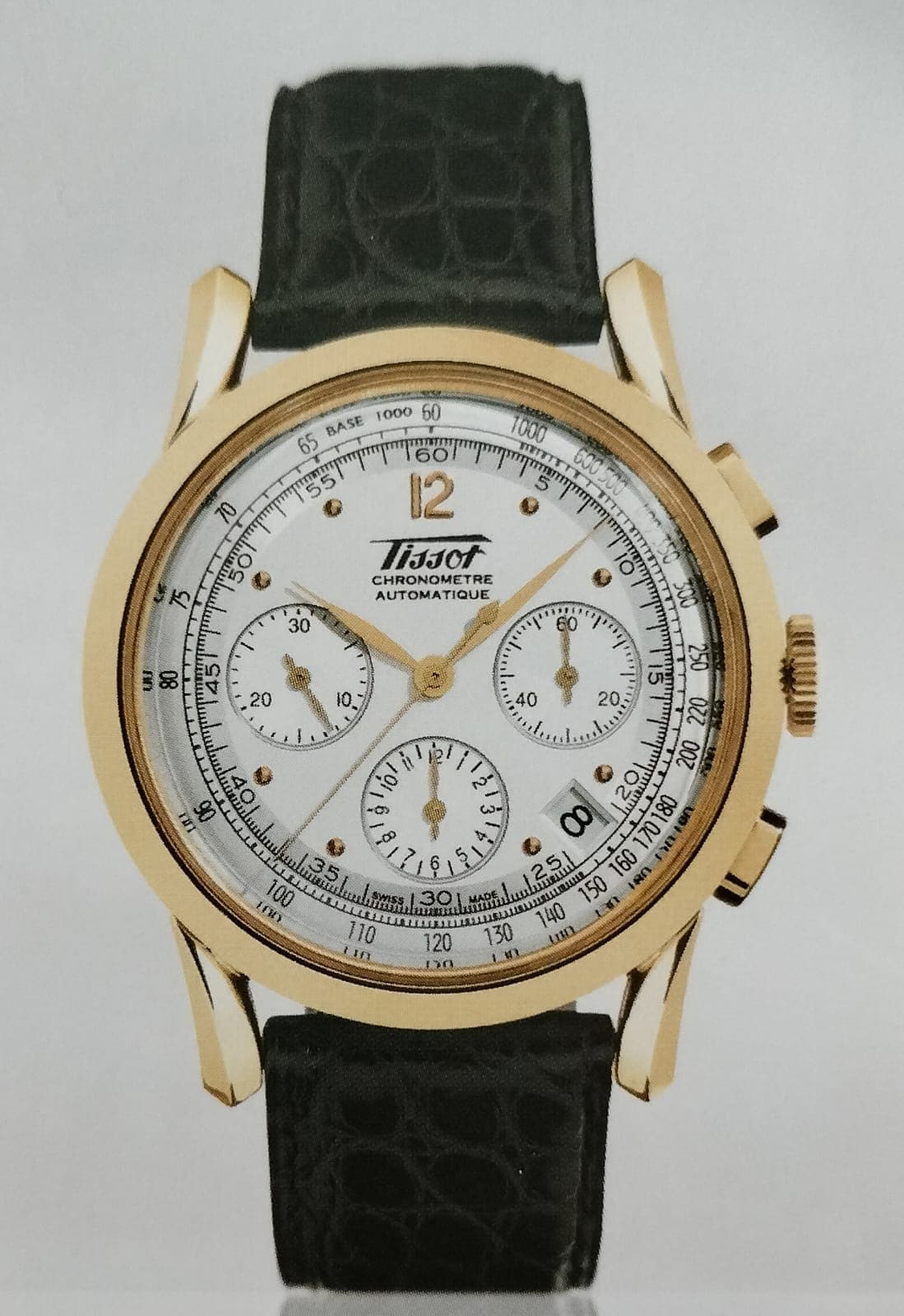
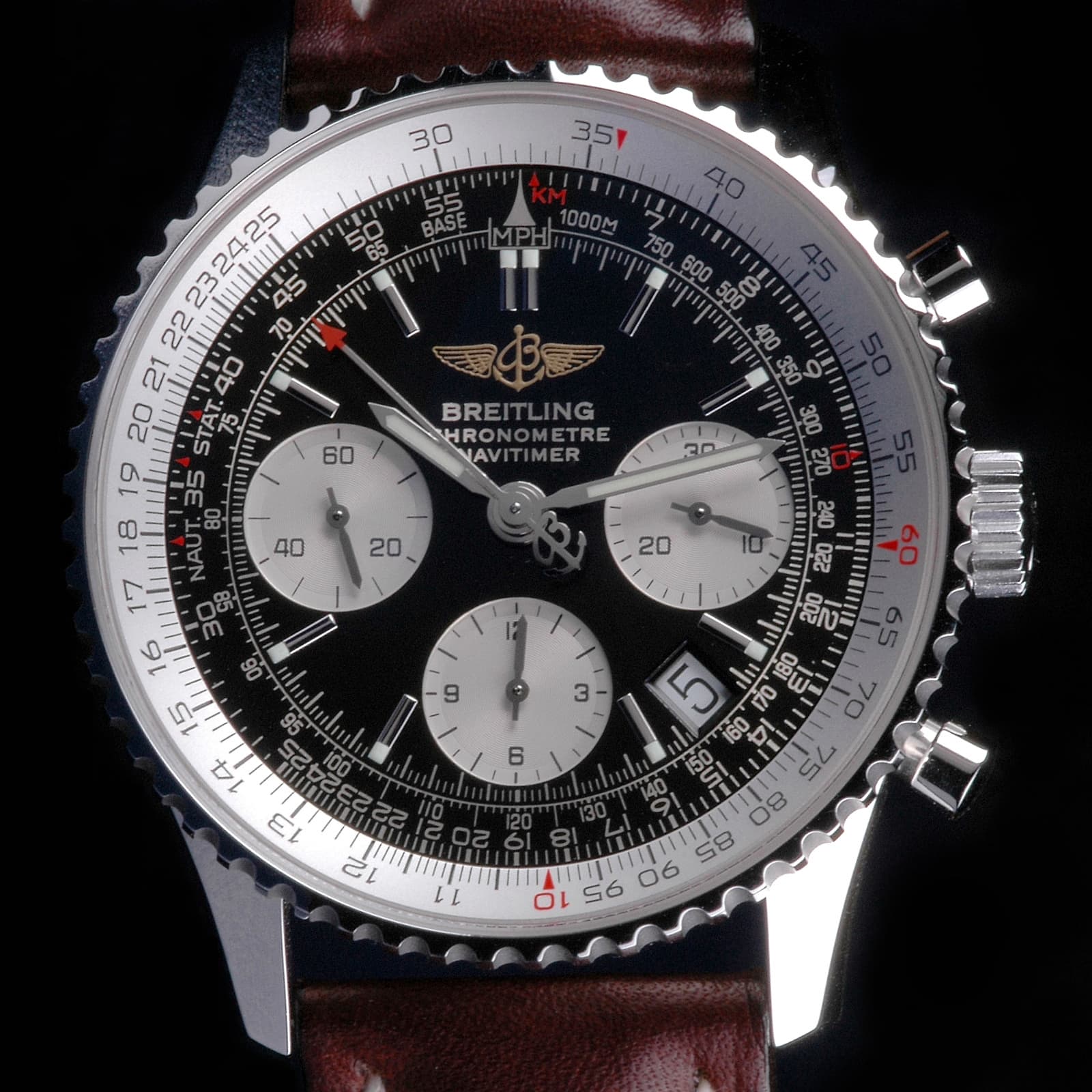
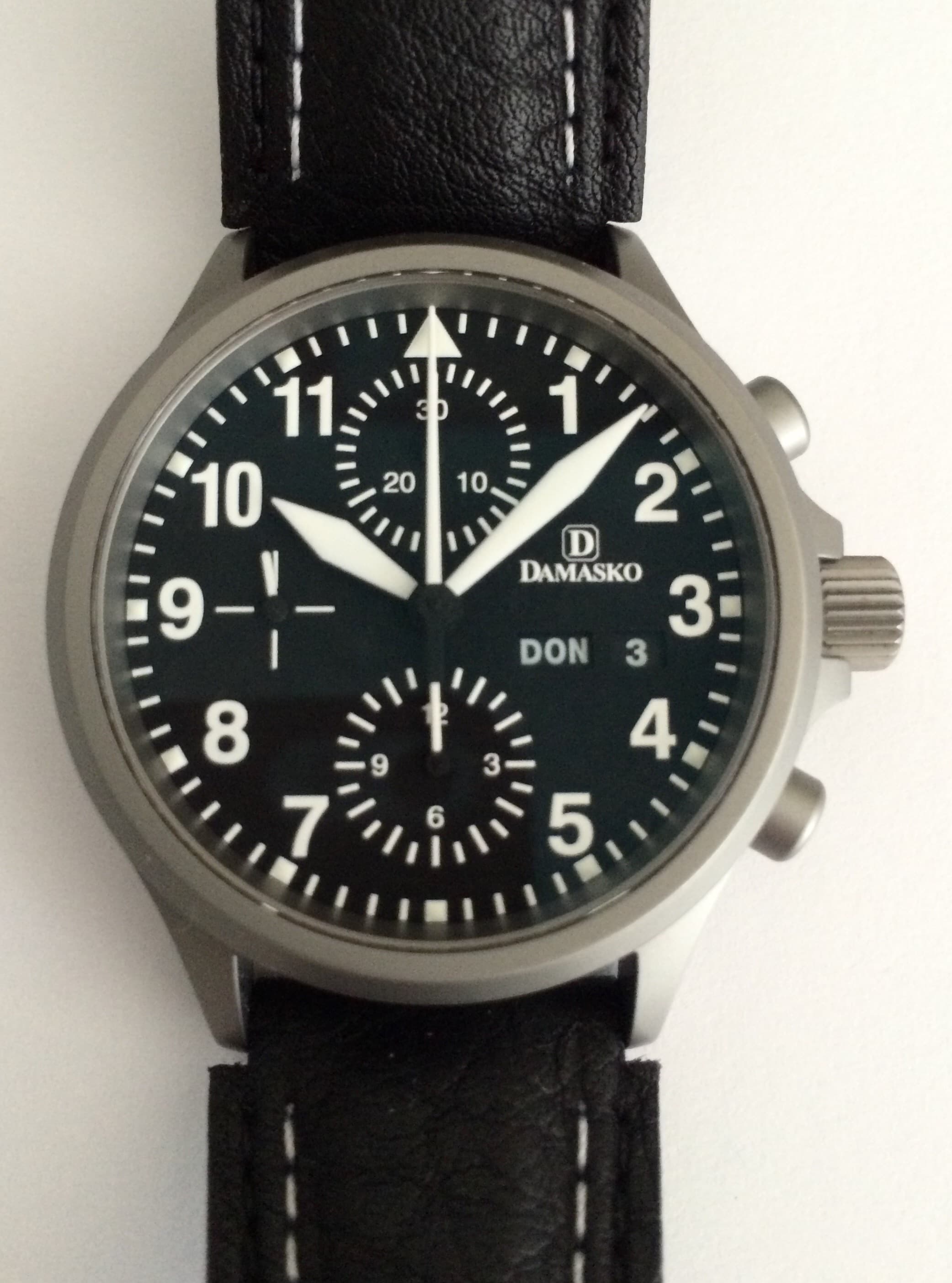
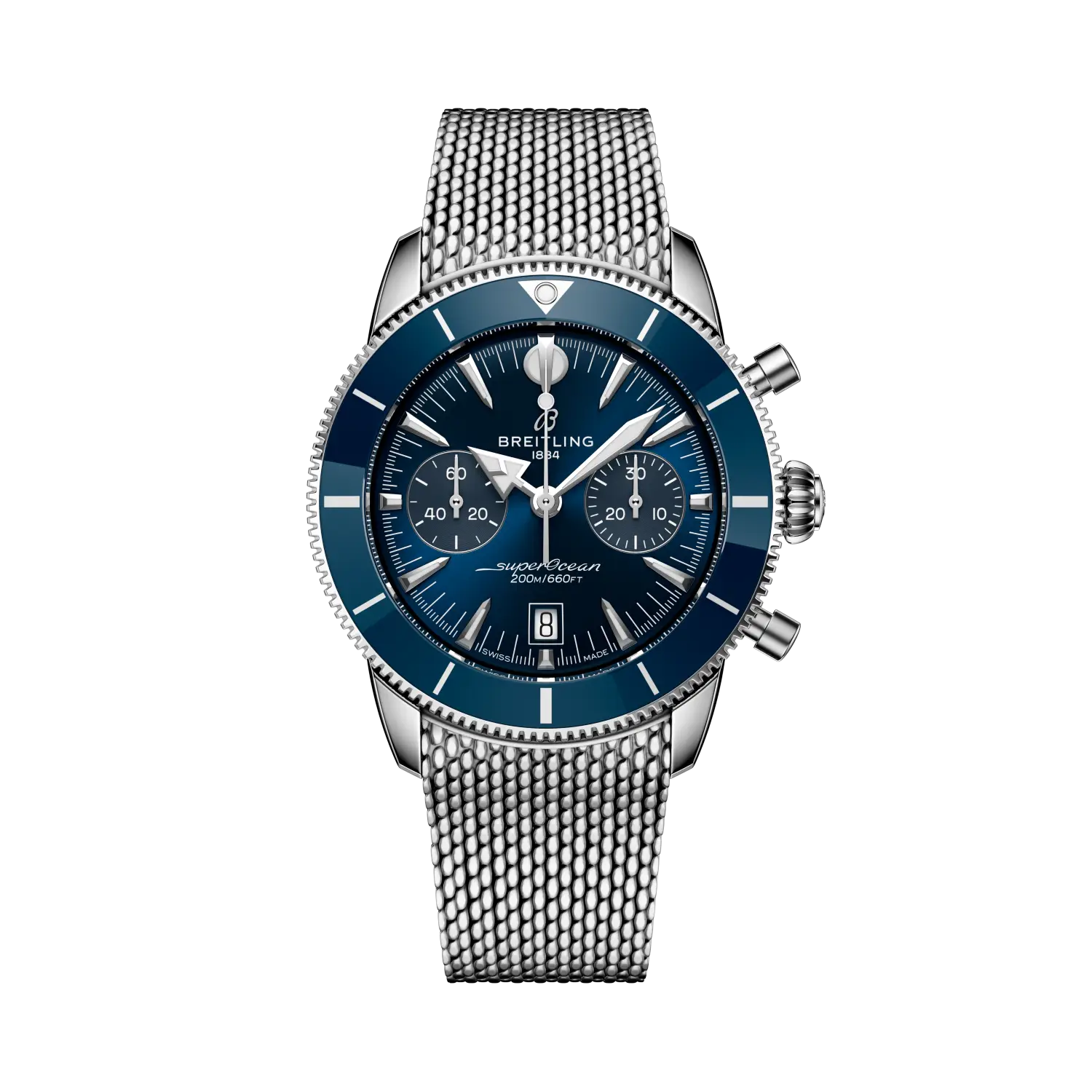
A chronograph is a stopwatch complication layered on top of timekeeping. Pushers on the case start, stop, and reset an elapsed-time hand; sub-dials count the accumulated minutes and (sometimes) hours. The complication dates to the early 19th century but the modern wrist chronograph is shaped by three movements above all: the Valjoux 72 (Daytona, Heuer Carrera), the Lemania 2310 / Omega 321 (Speedmaster), and the Zenith El Primero (the first high-beat automatic, 1969).
Notable references
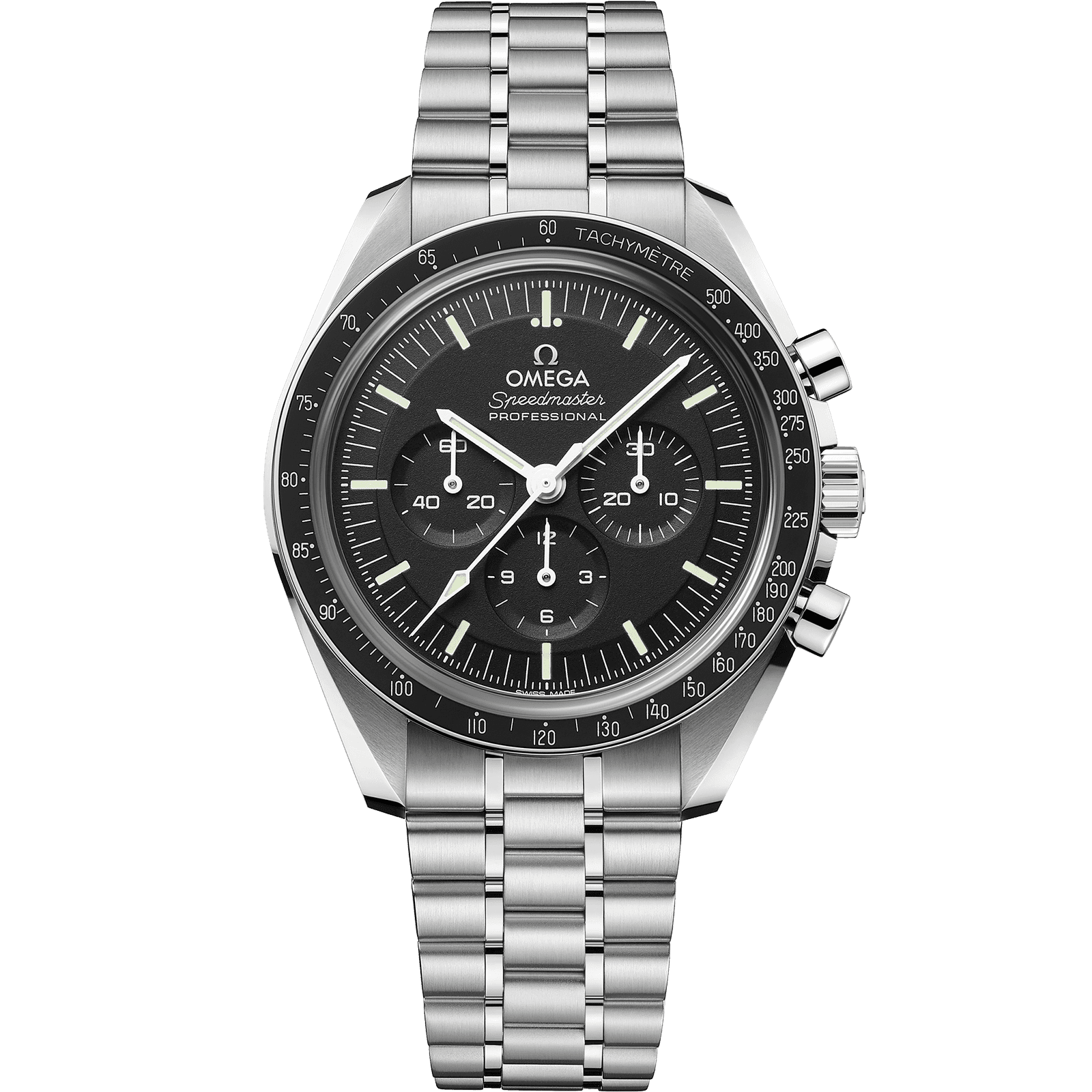
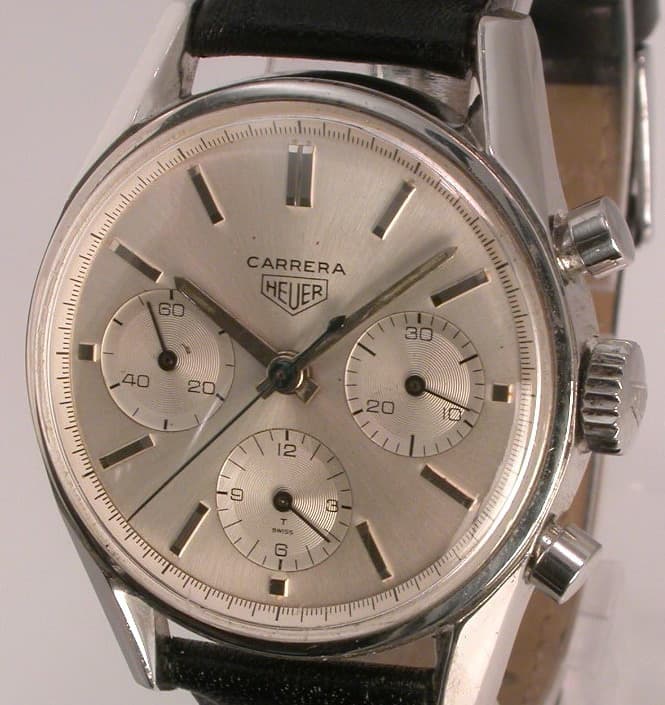
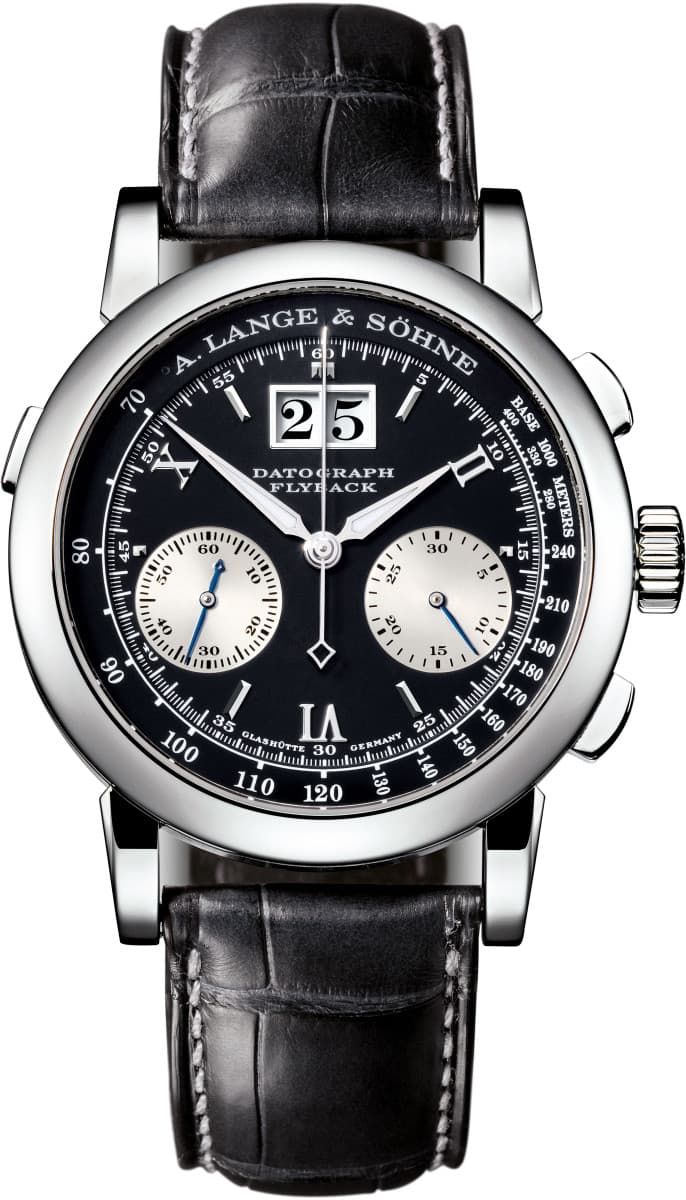
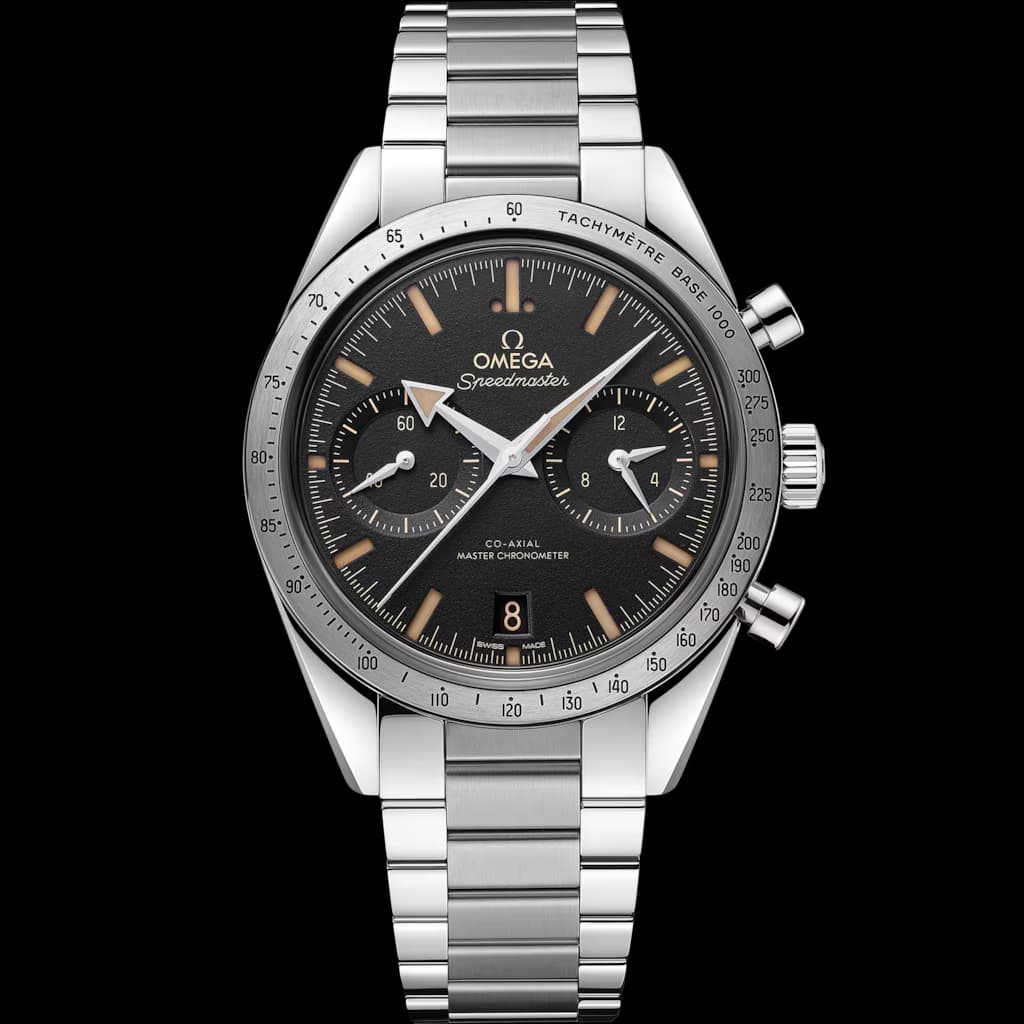
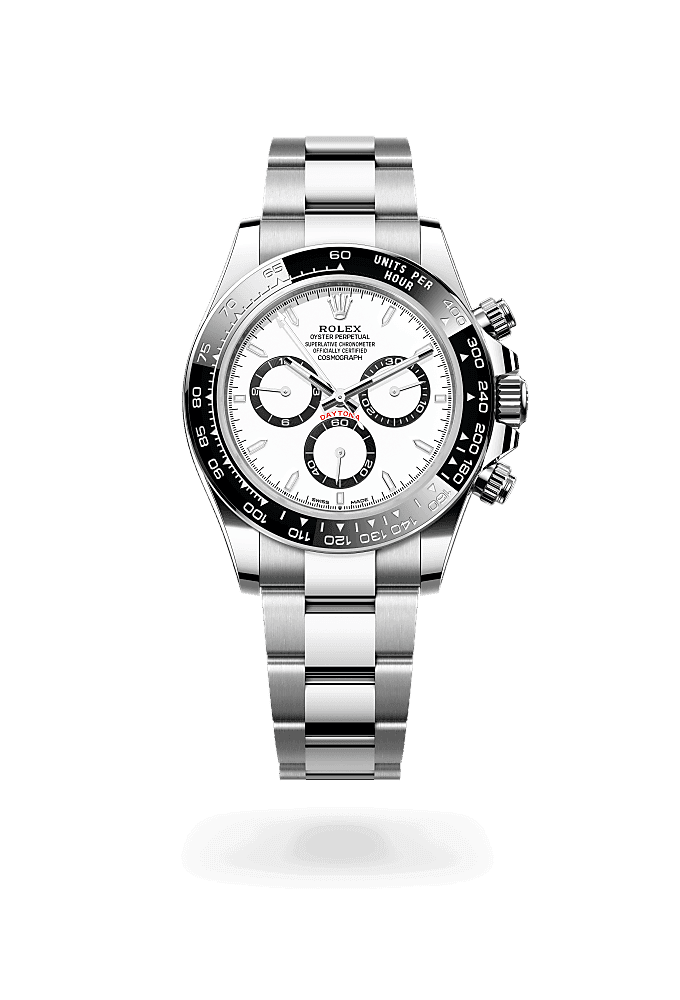
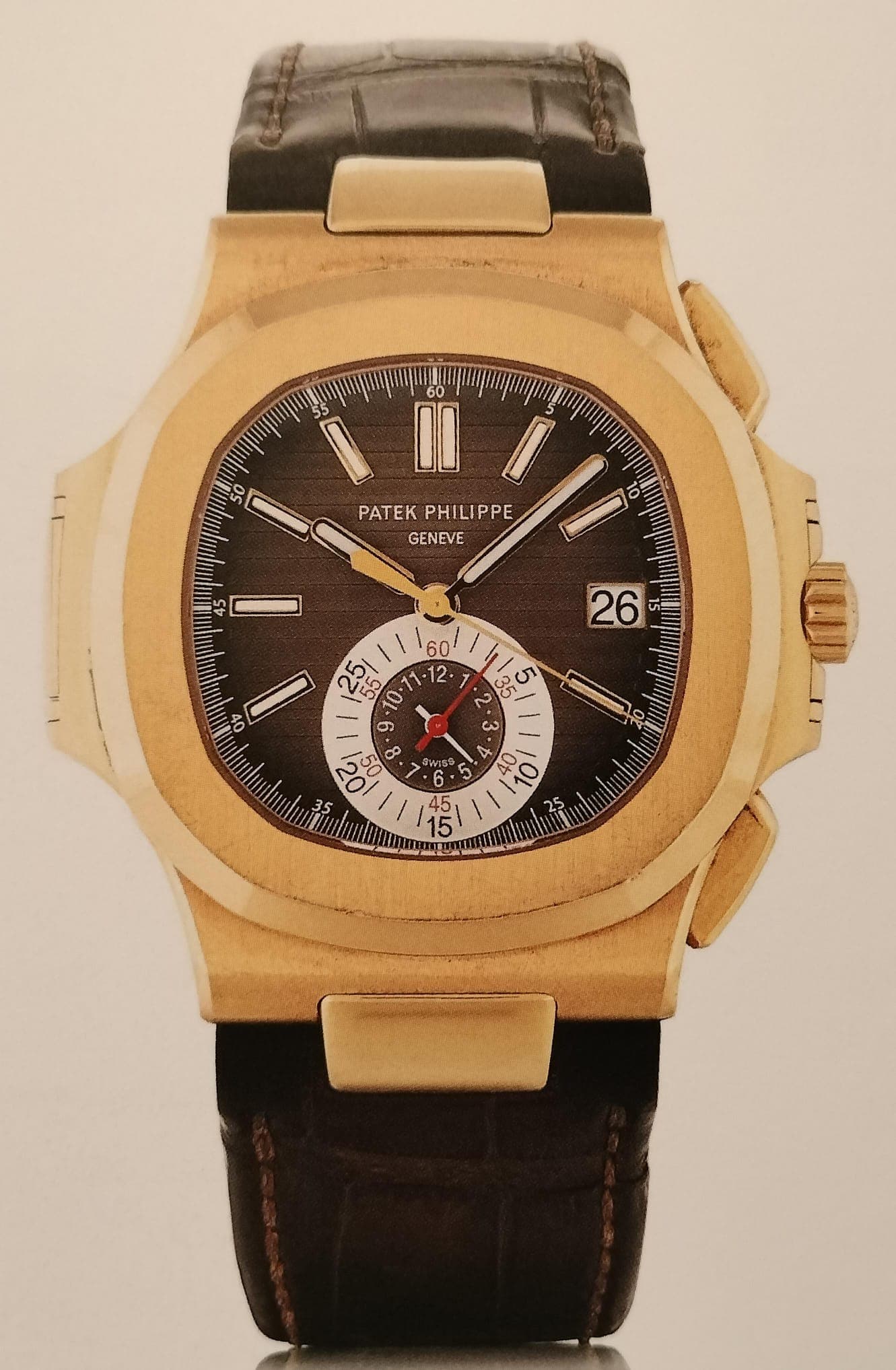
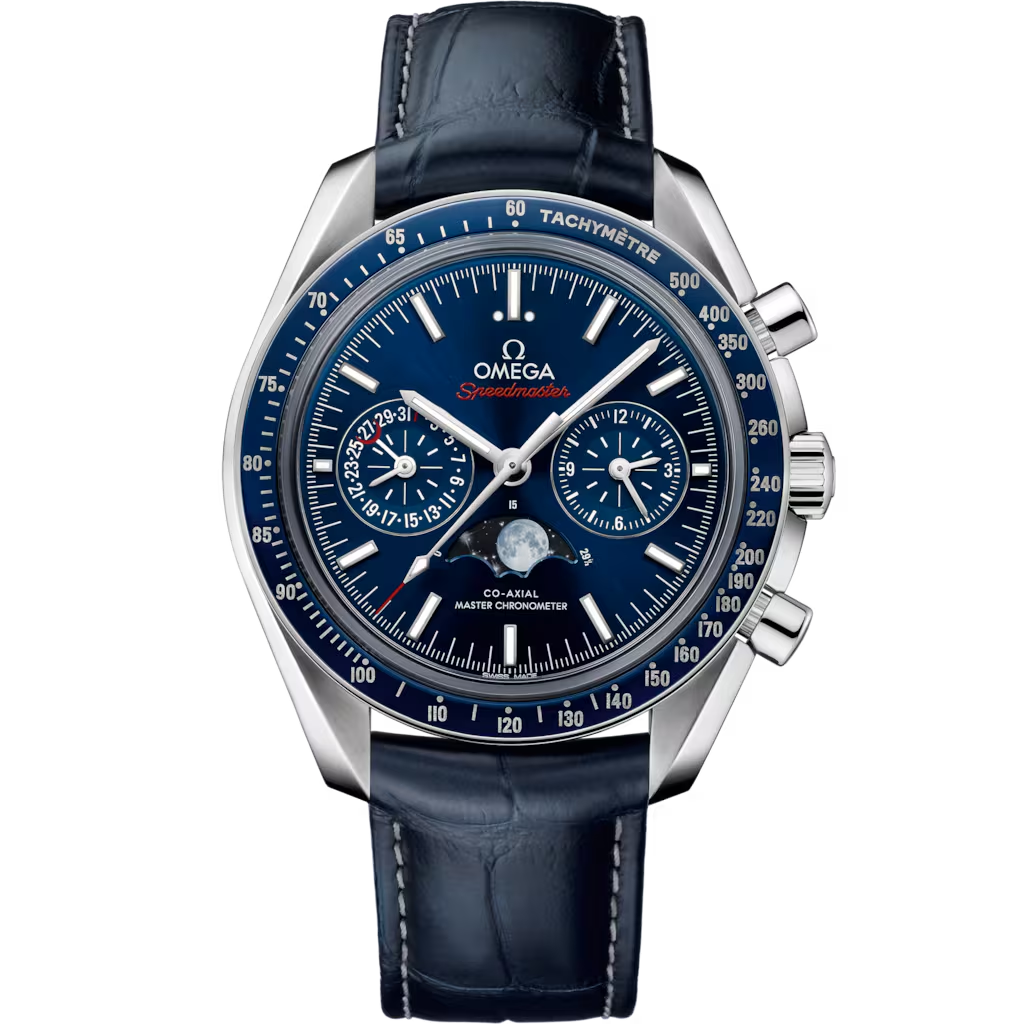
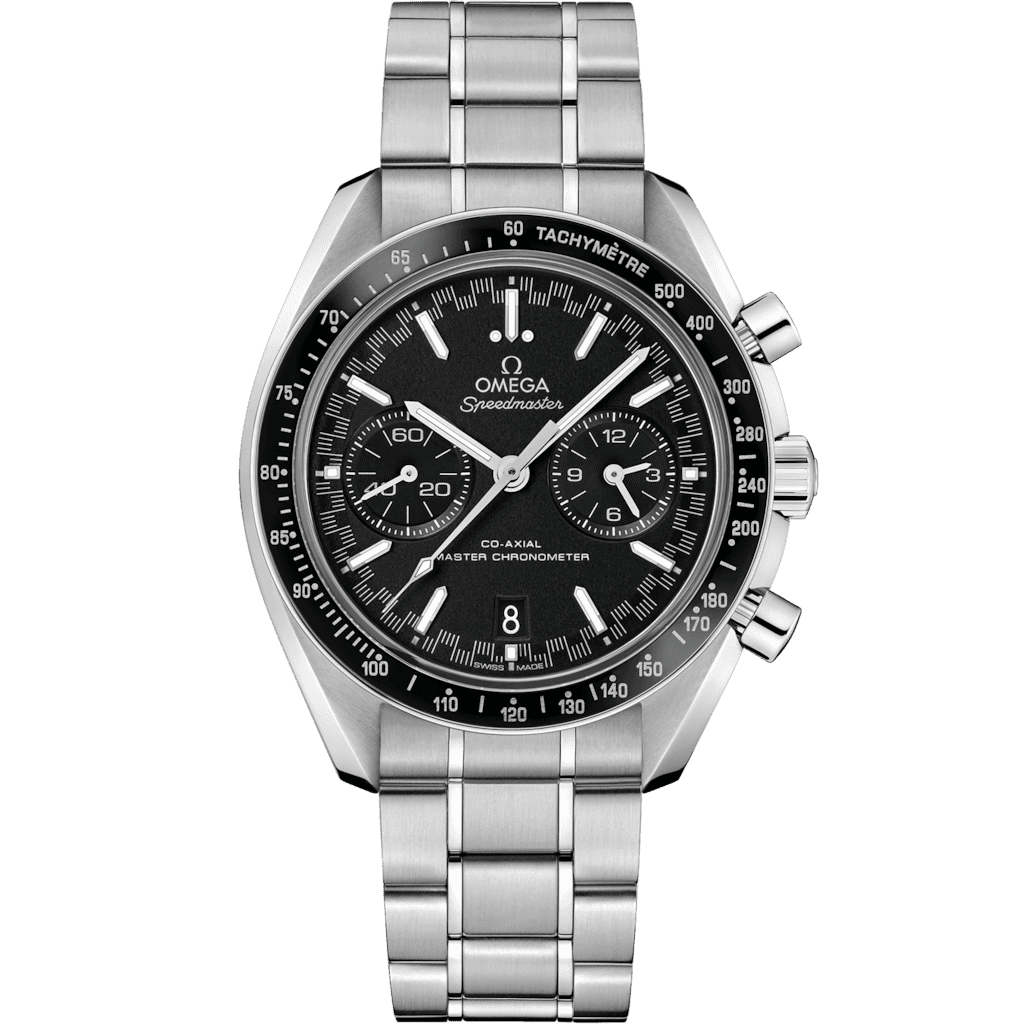
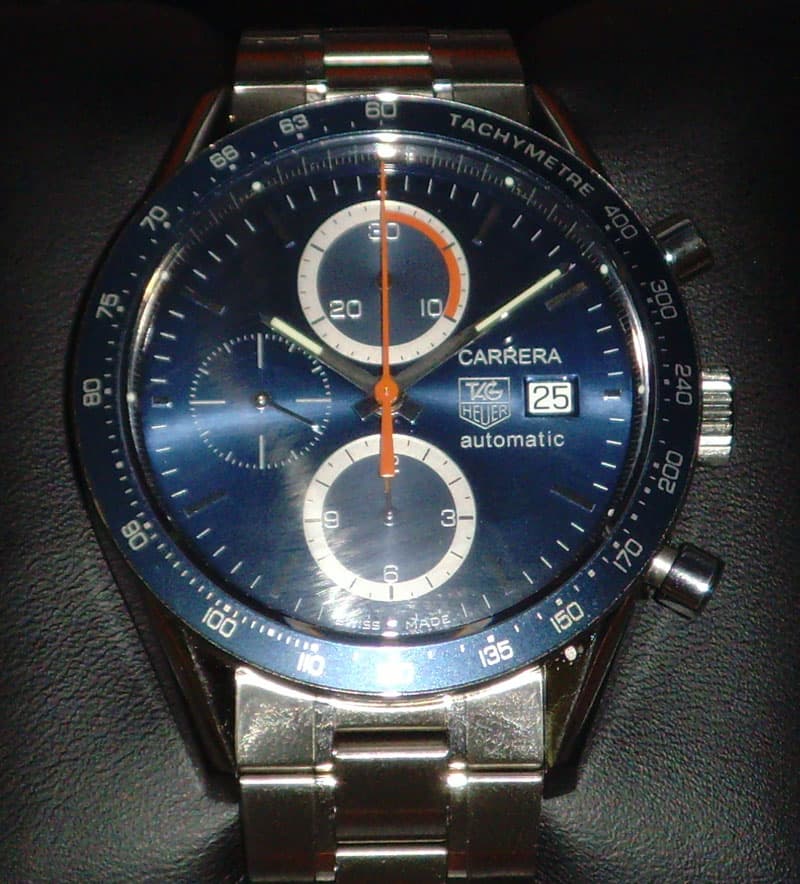
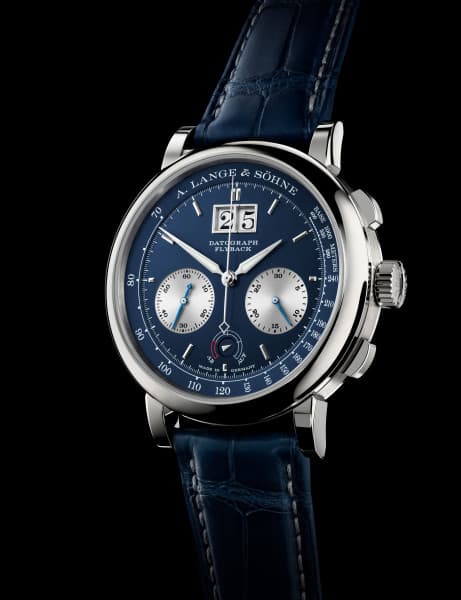
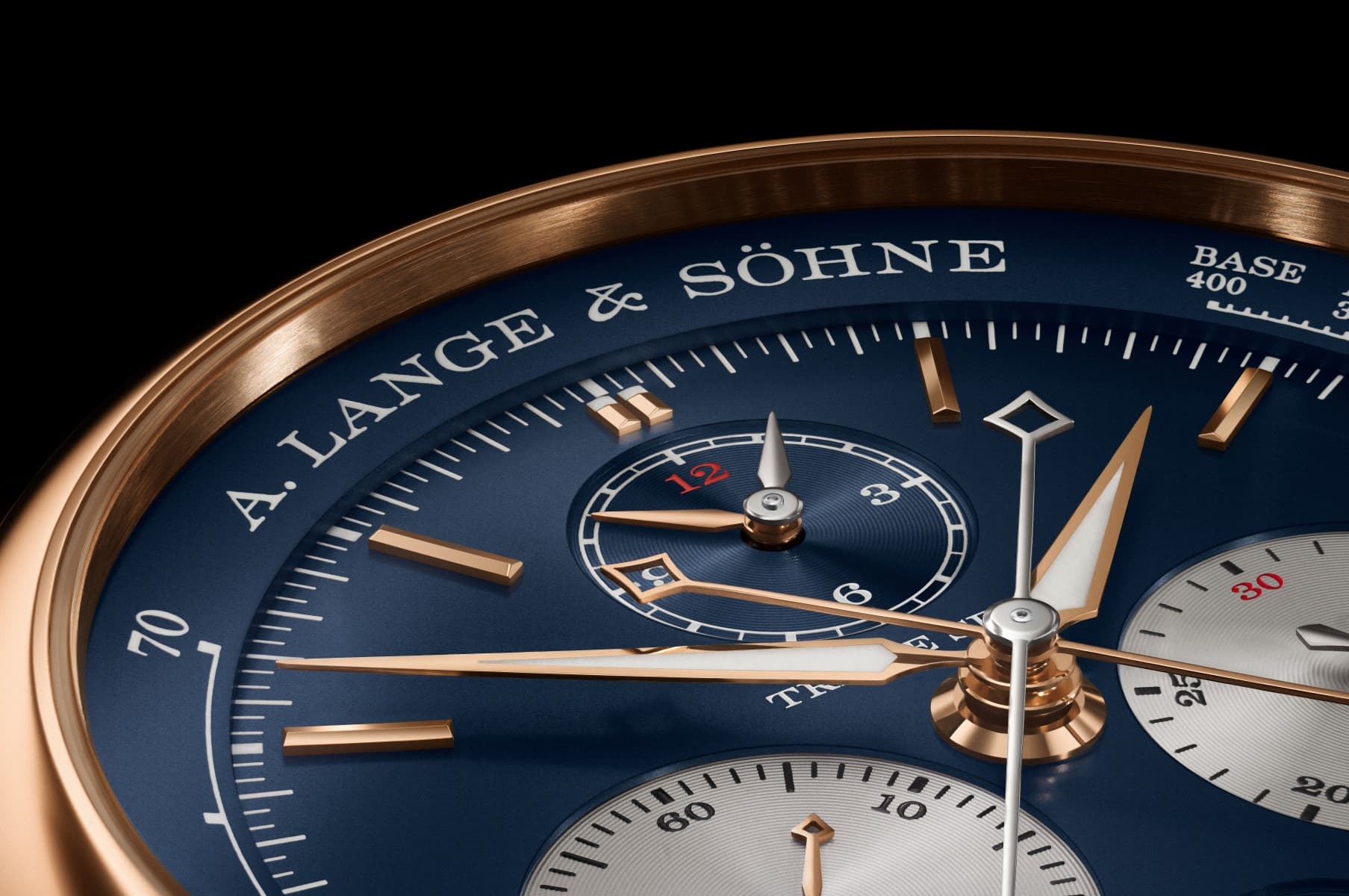
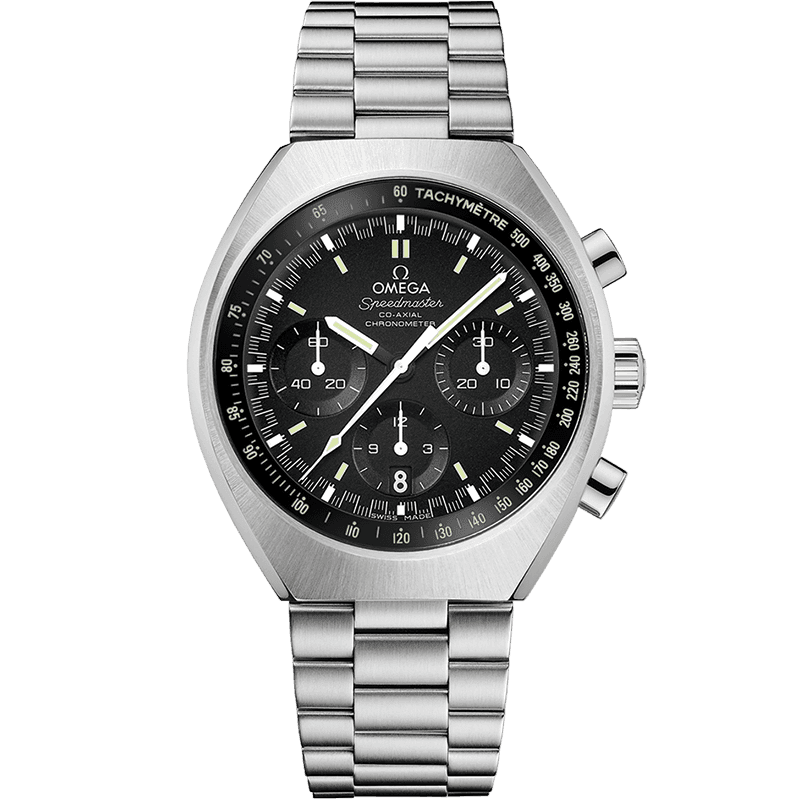
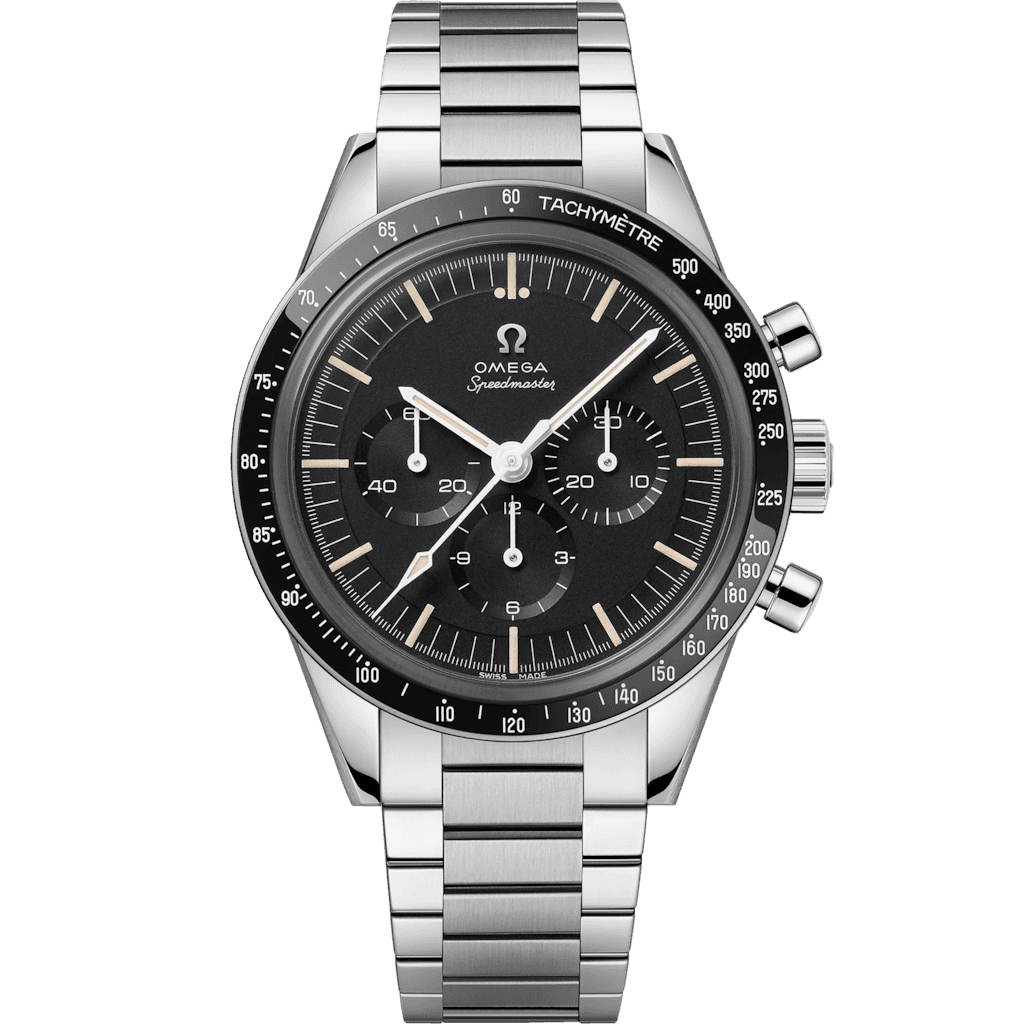
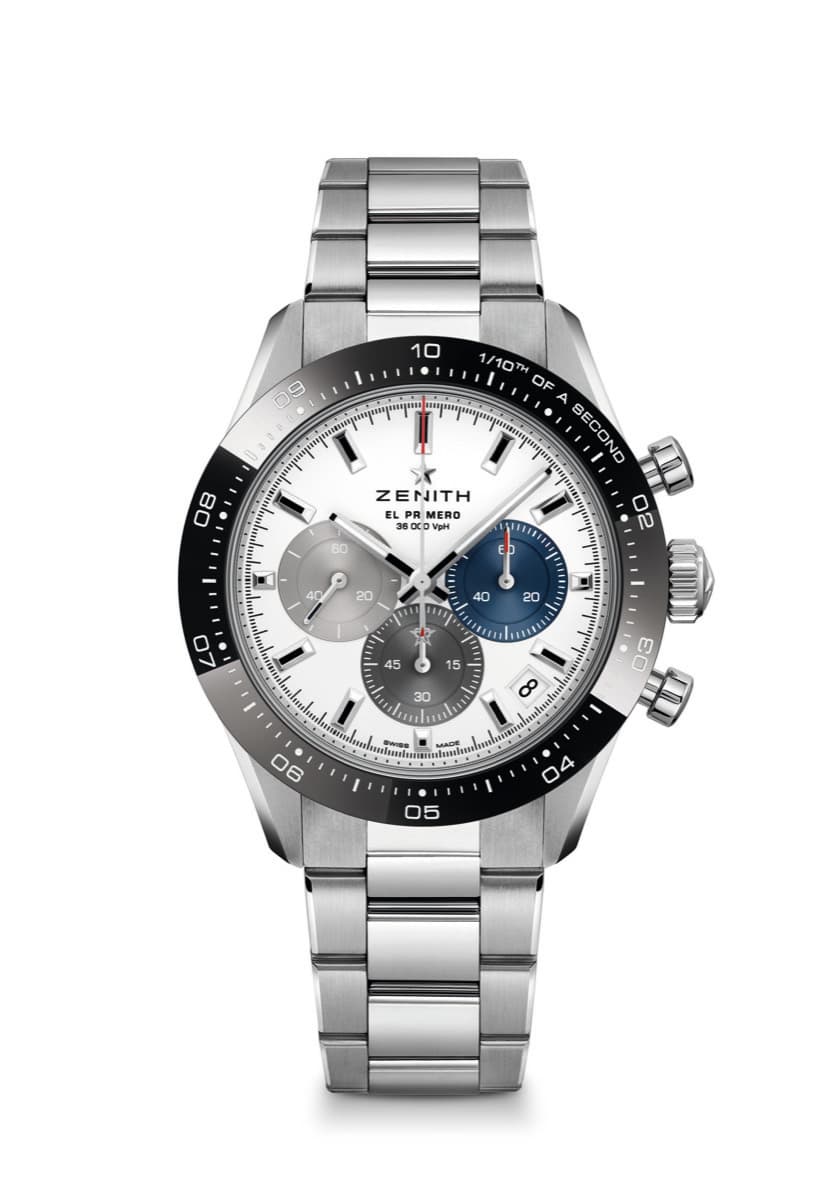
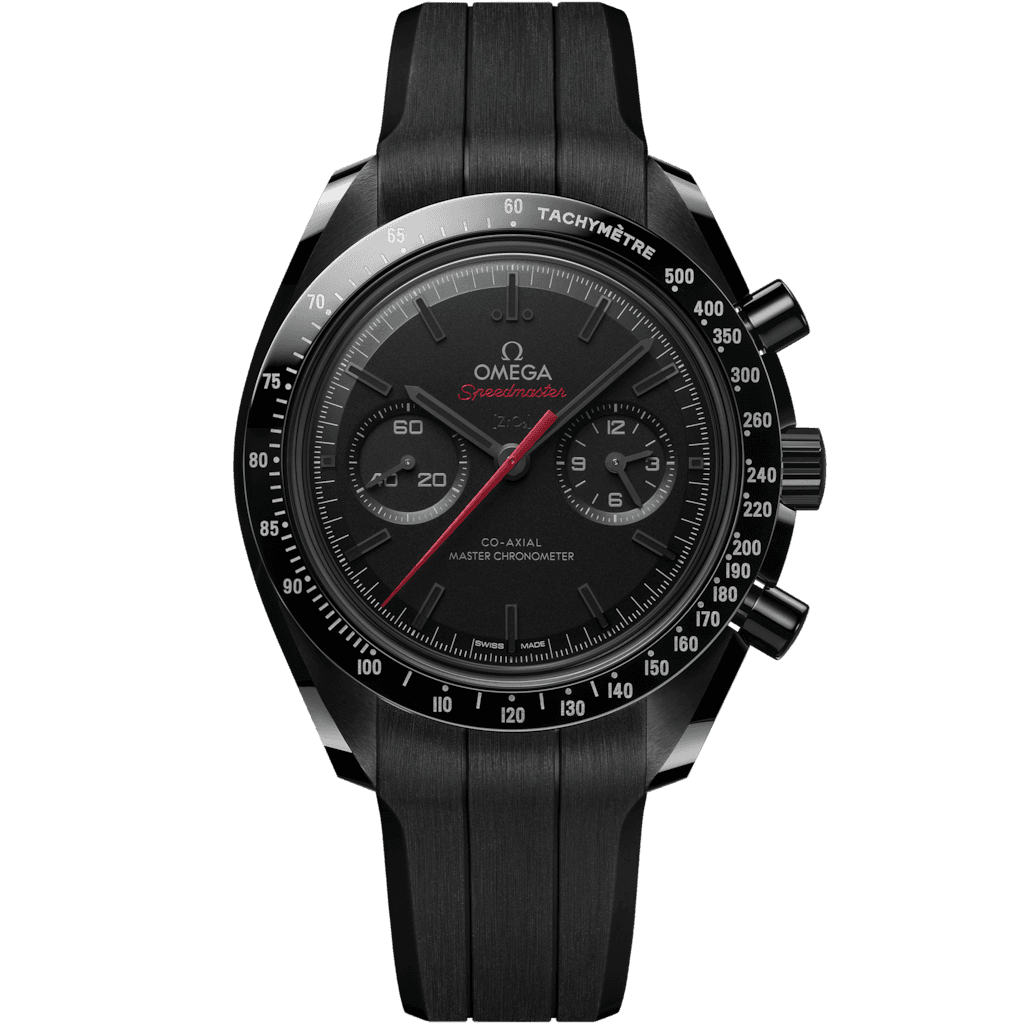
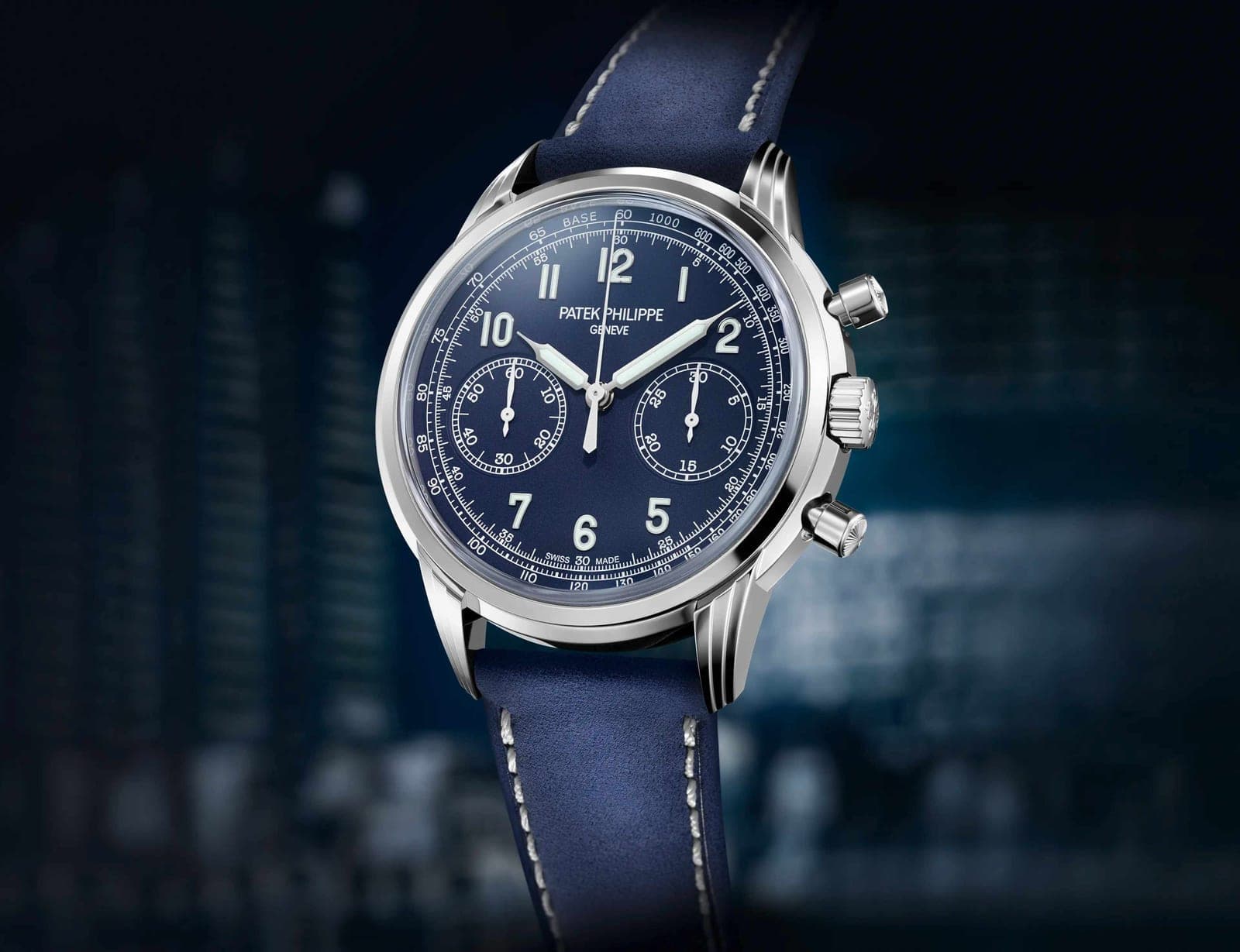
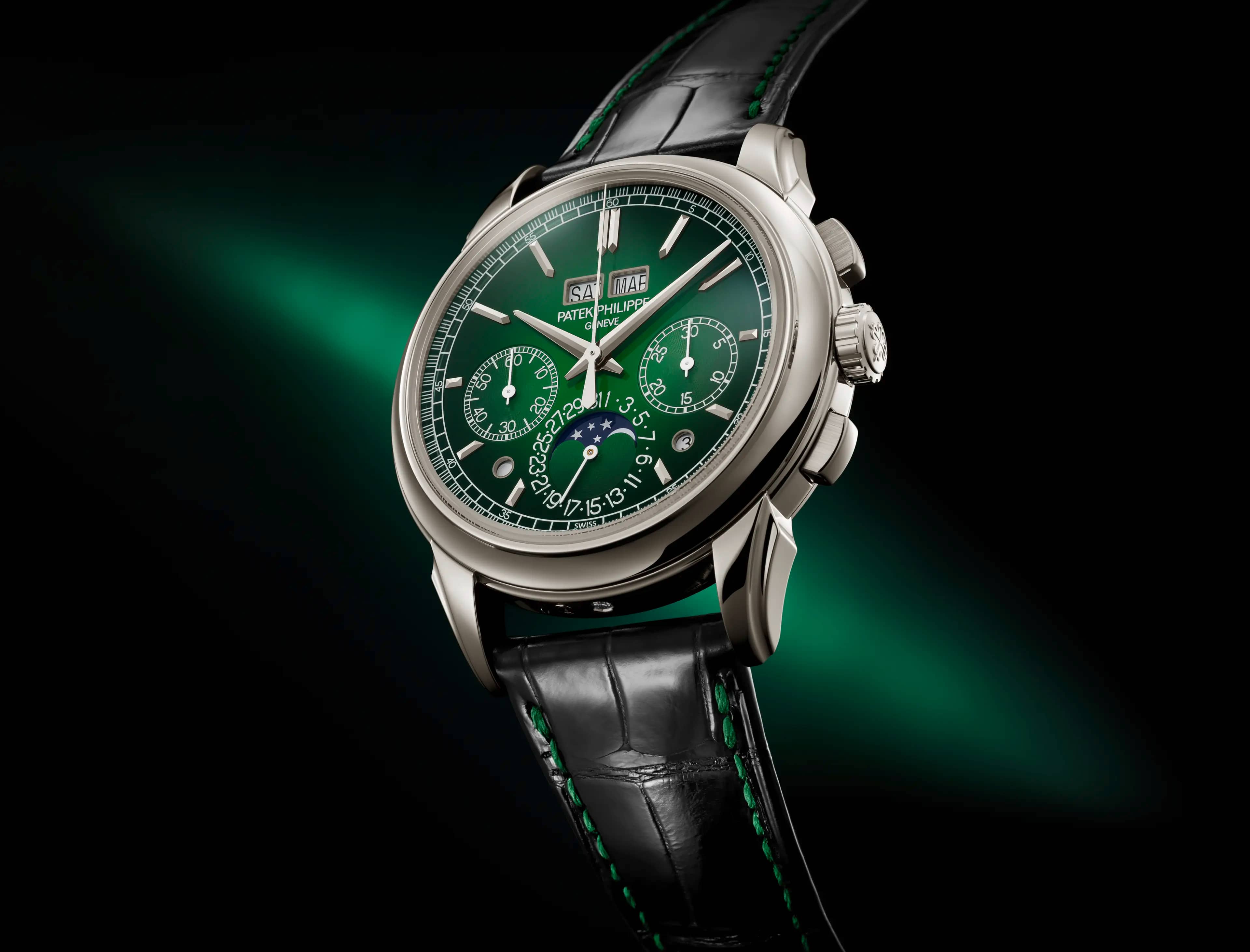
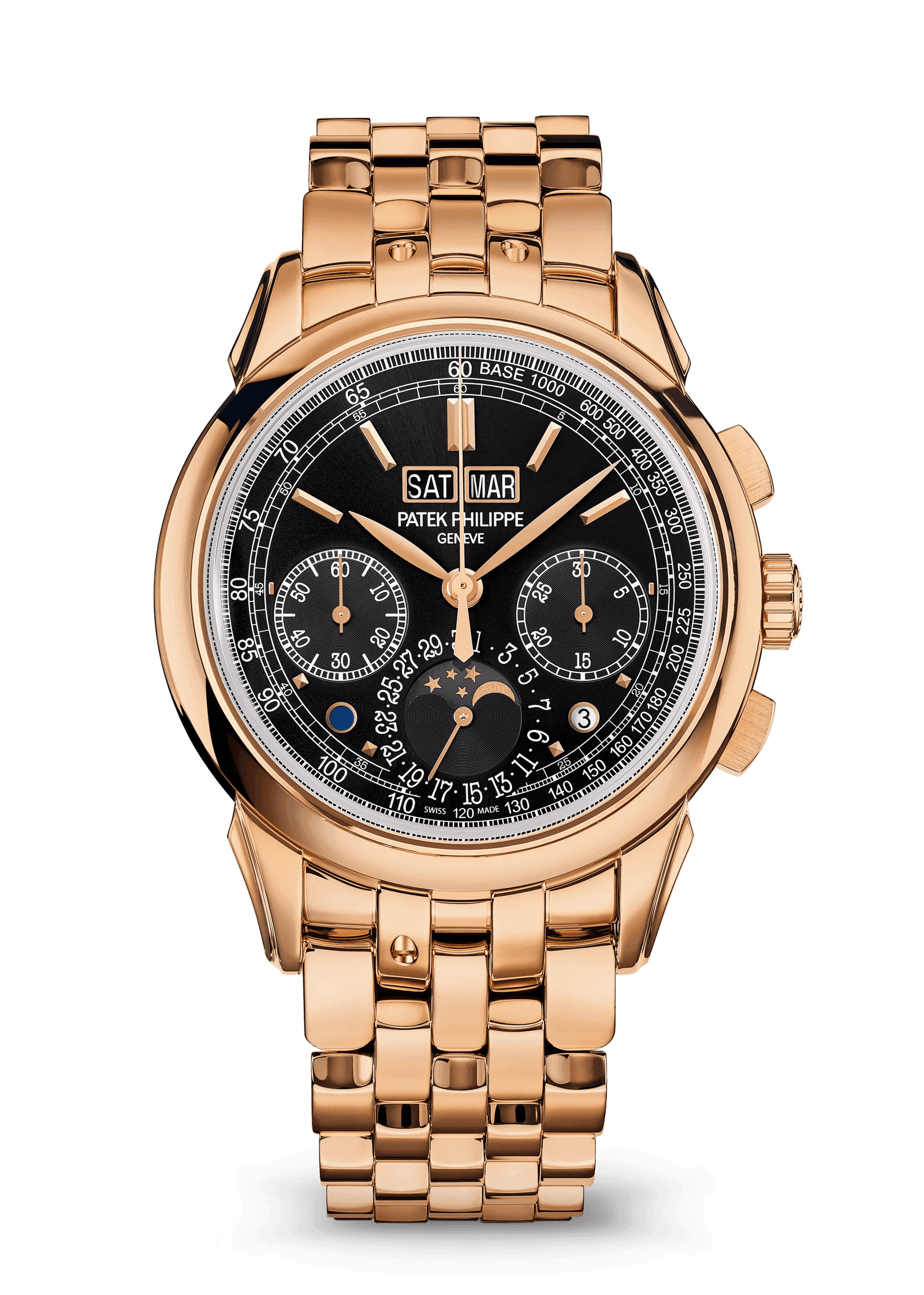
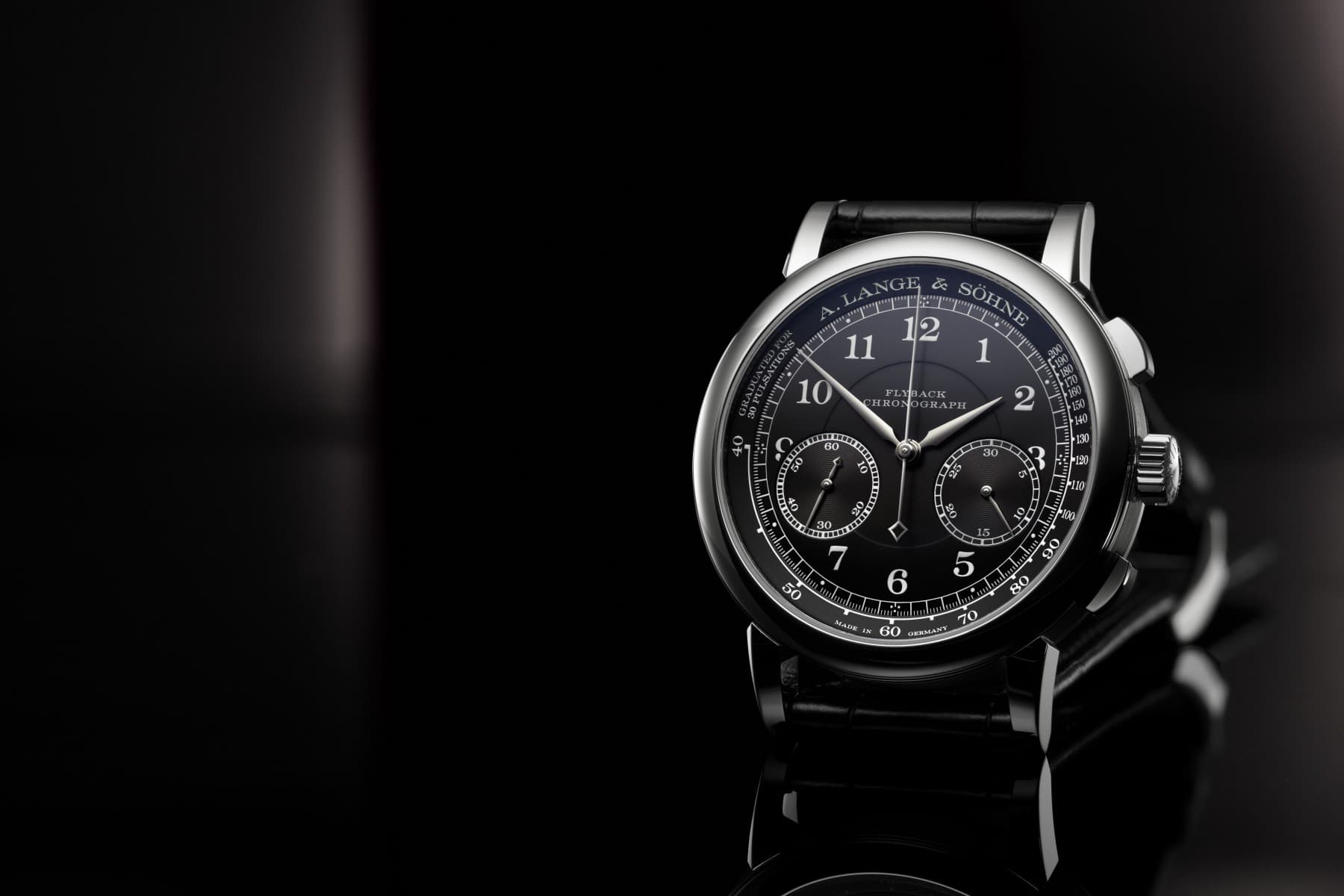
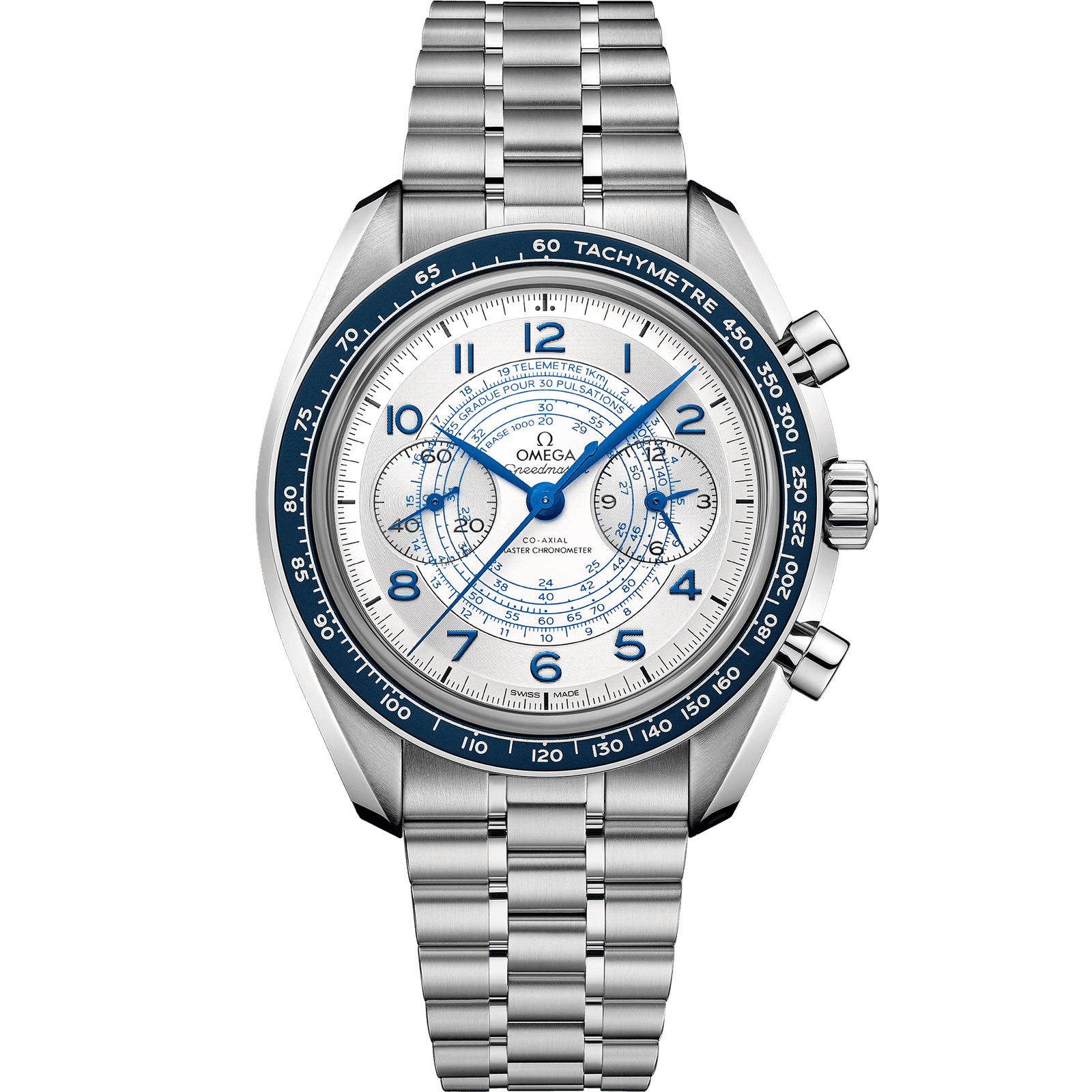
The Omega Speedmaster Professional 310.30.42.50.01.001 (the Moonwatch) is the canonical hand-wound chronograph. The Rolex Cosmograph Daytona 126500LN is the canonical automatic. The Zenith Chronomaster Sport and El Primero A386 carry the high-beat movement that arguably should have been the standard. Heuer/TAG Heuer Carrera and Monaco define the racing chronograph tradition. At the upper tier, the Patek Philippe 5172G and the A. Lange & Söhne Datograph 405.035 are the references collectors weigh against each other when the budget opens up.
How to shop one
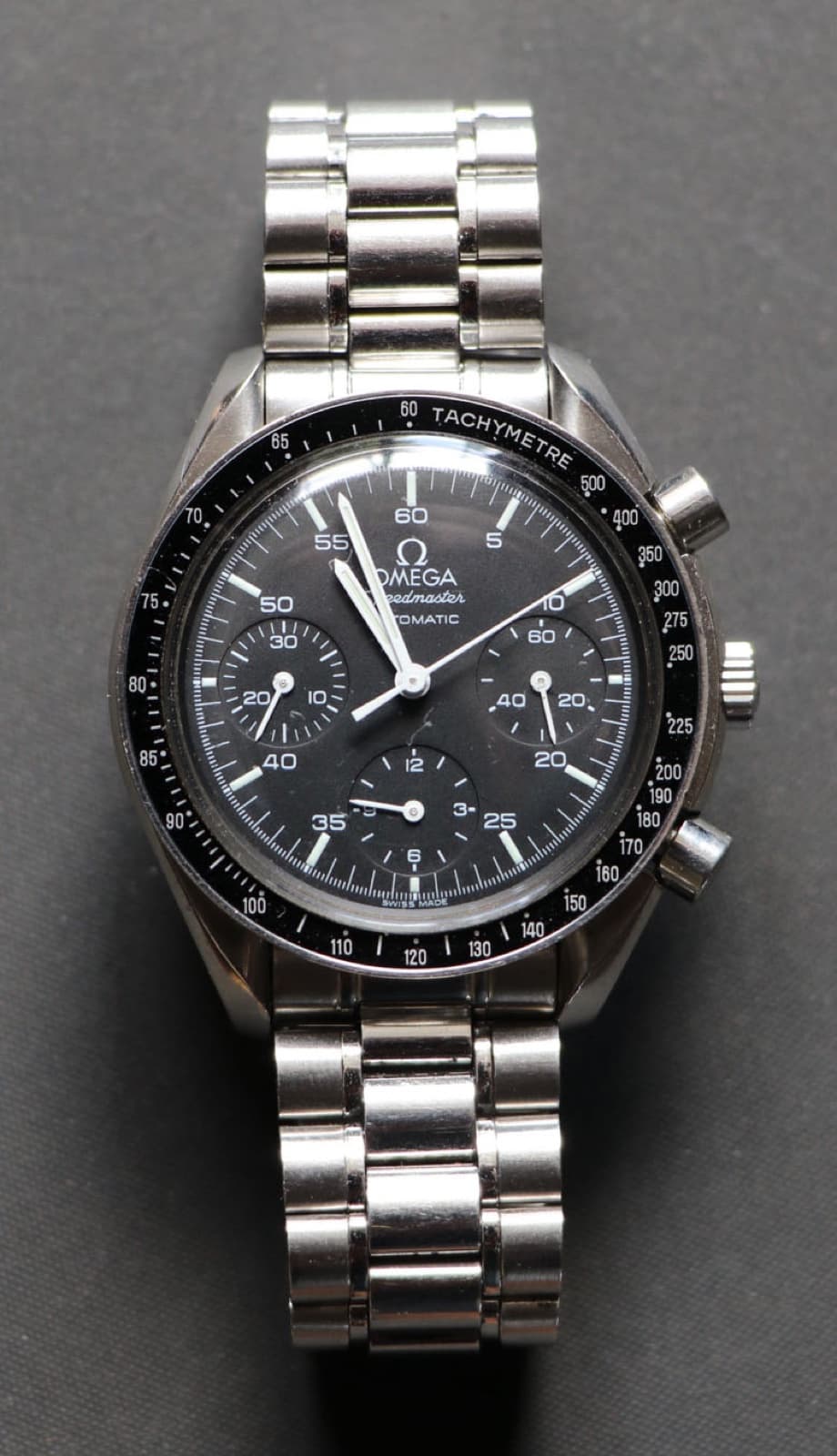
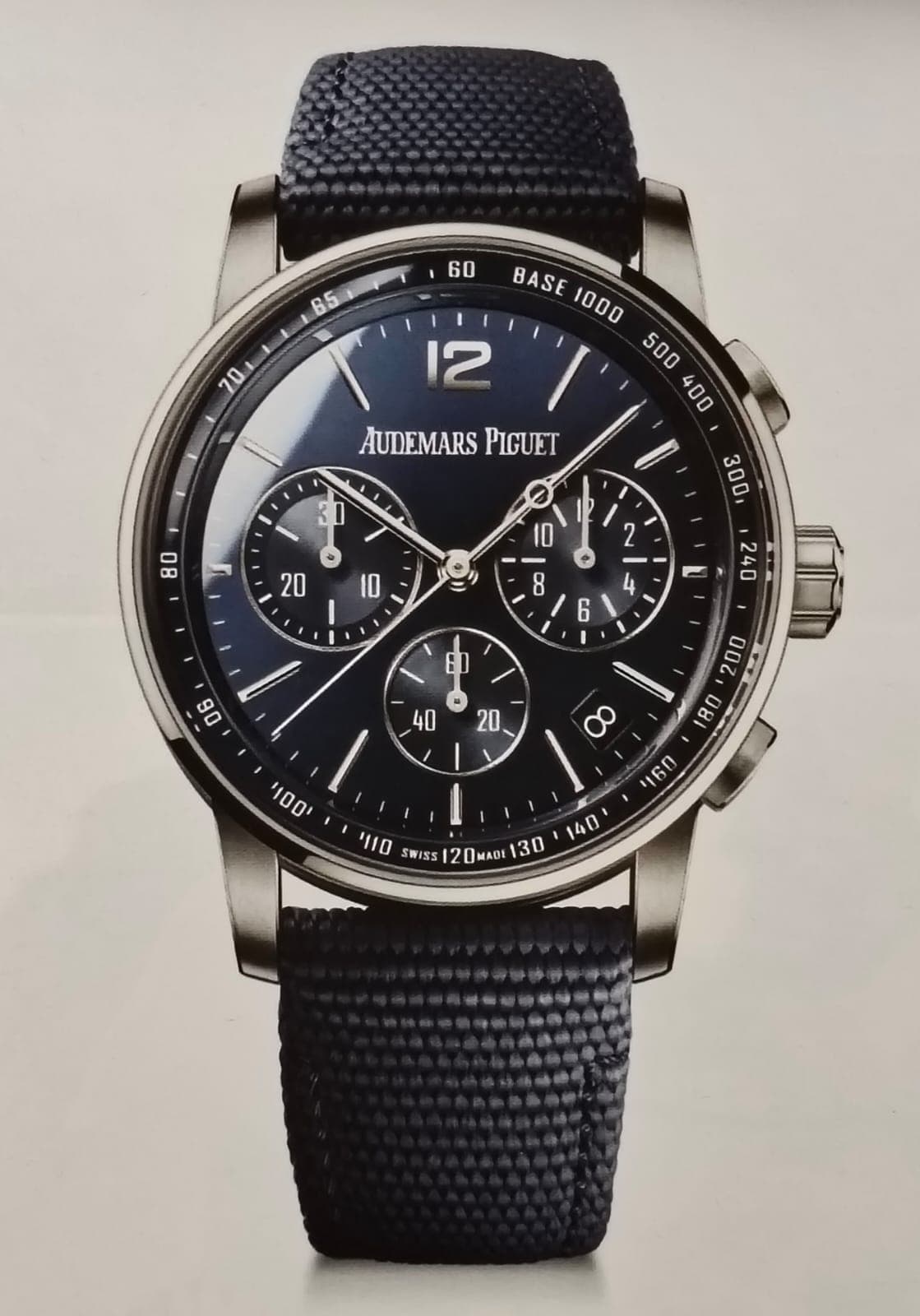
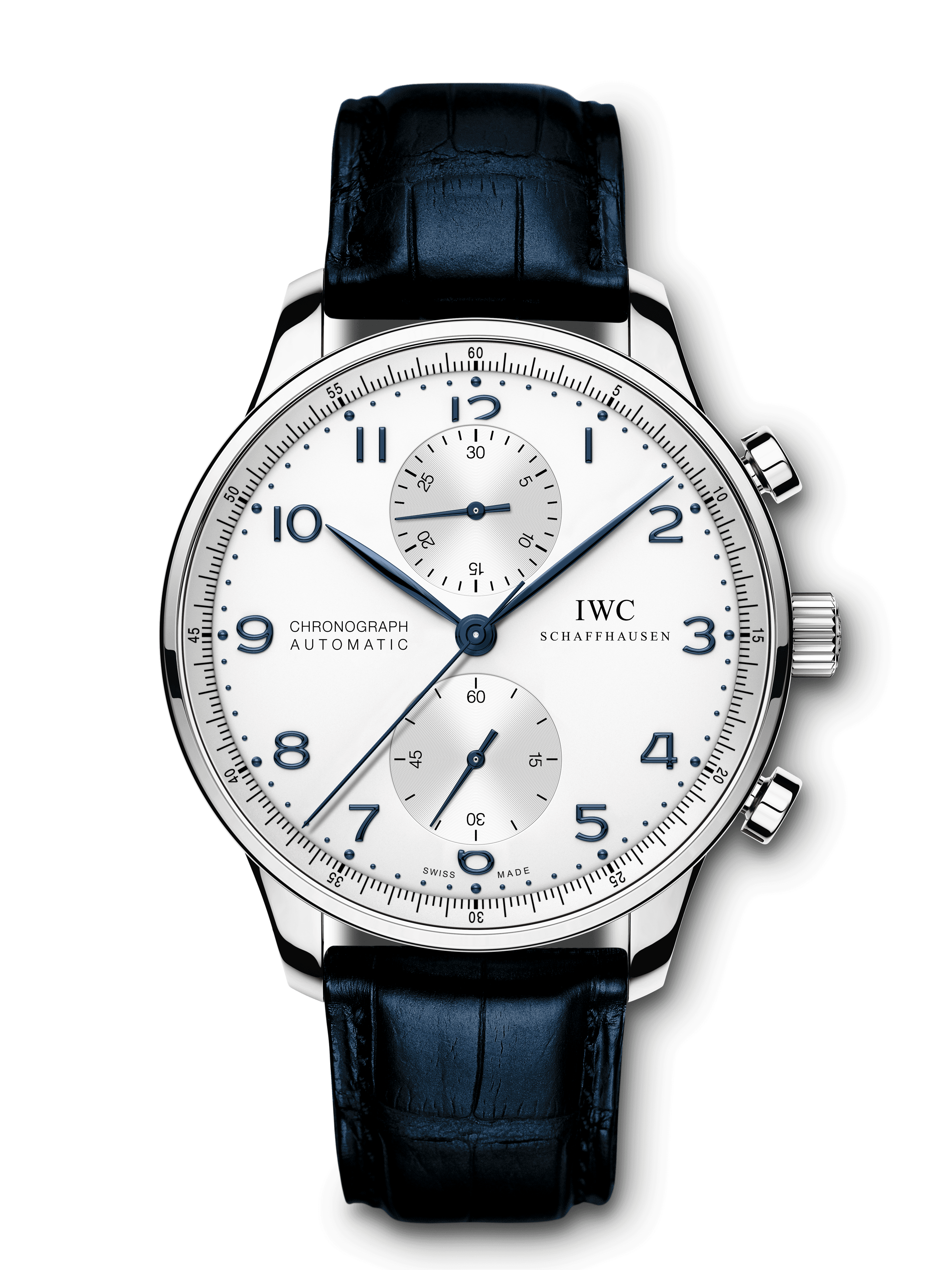
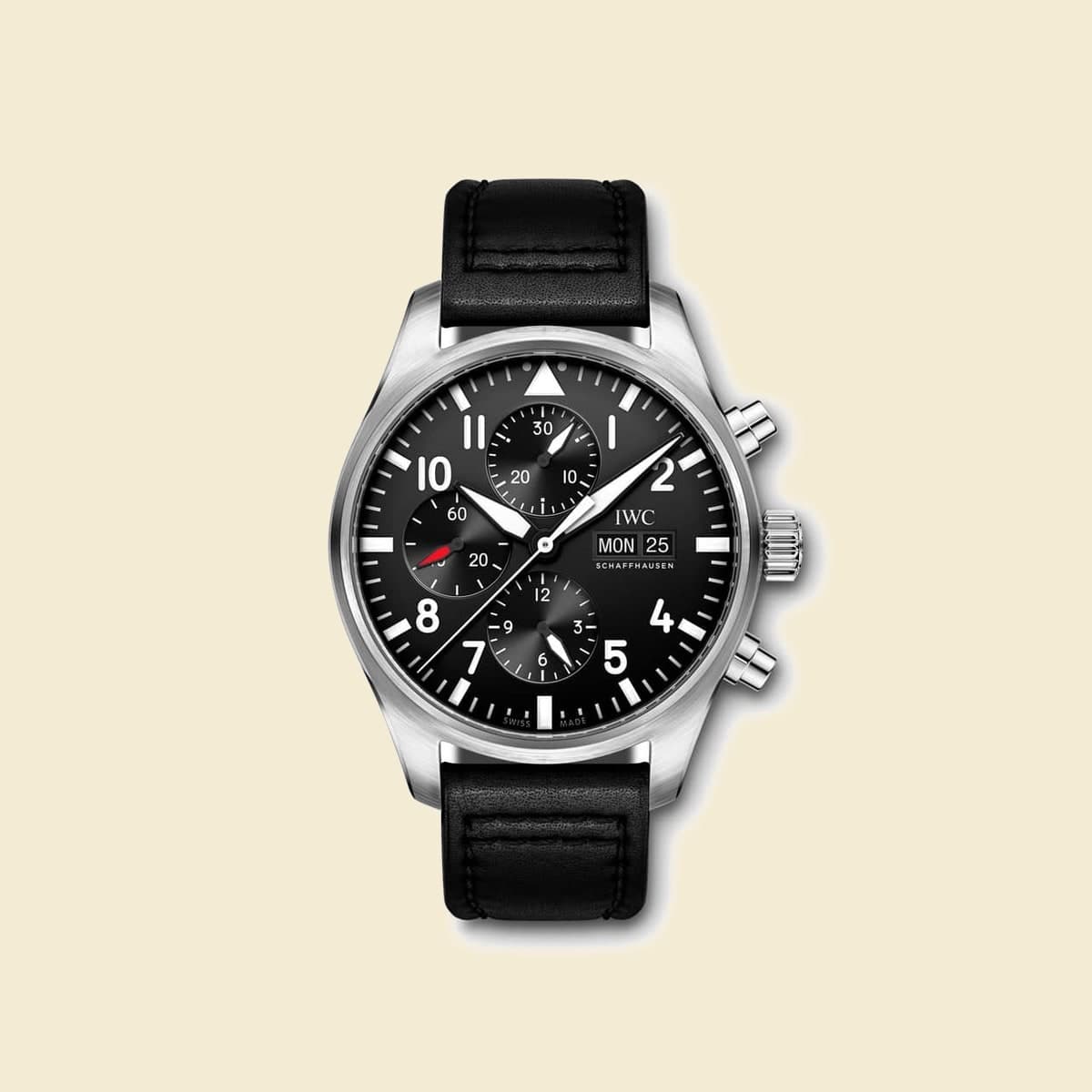
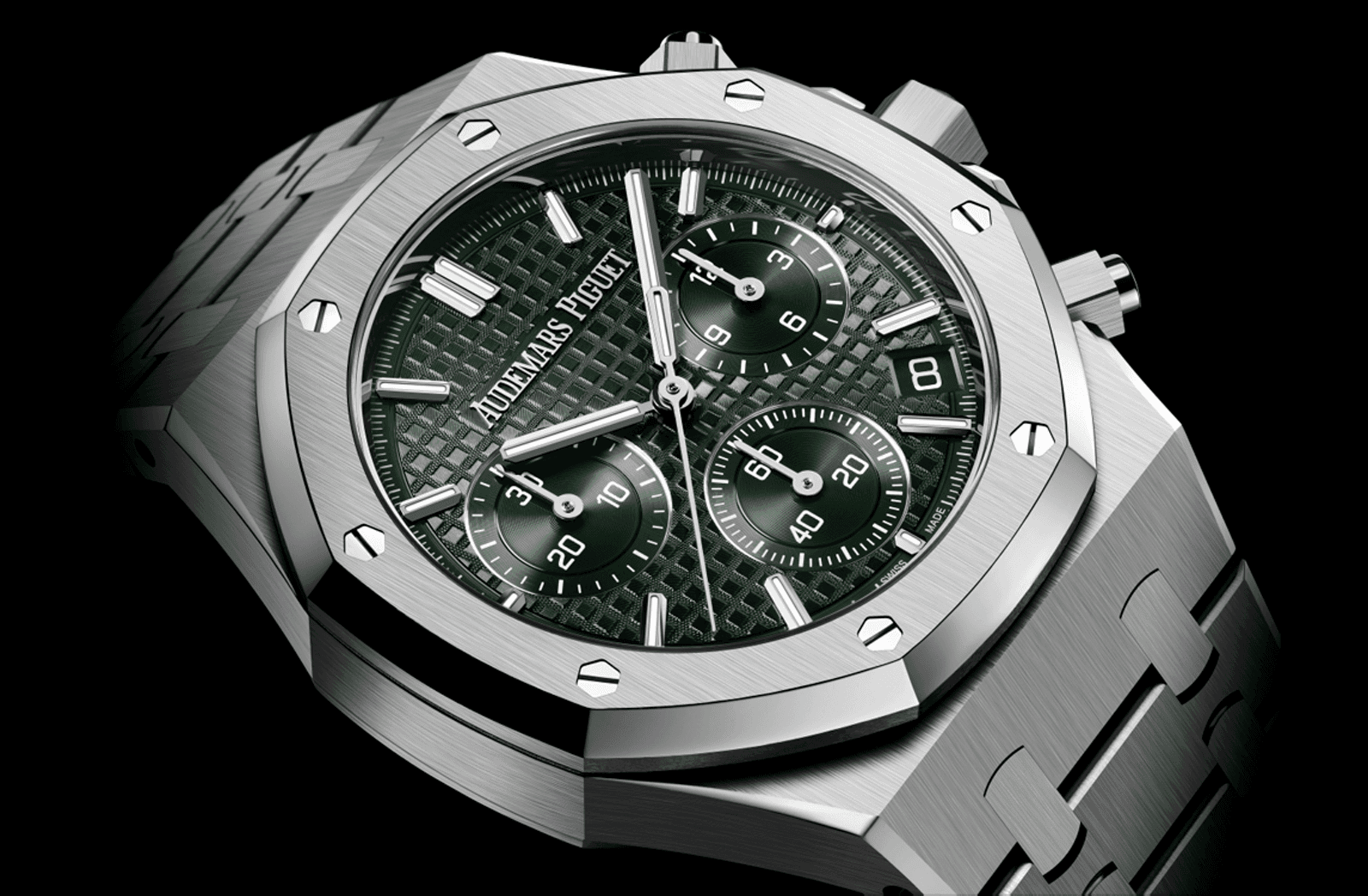
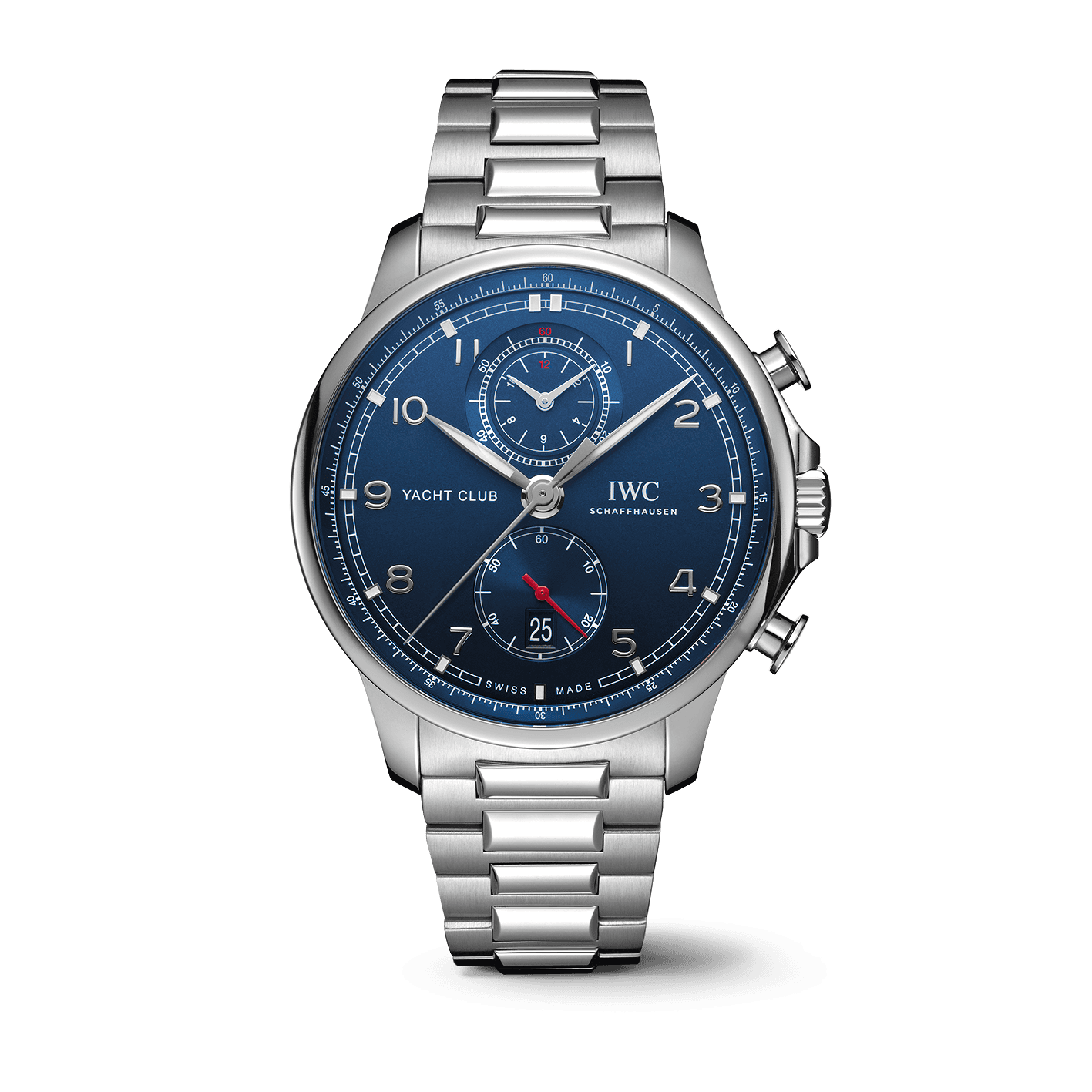
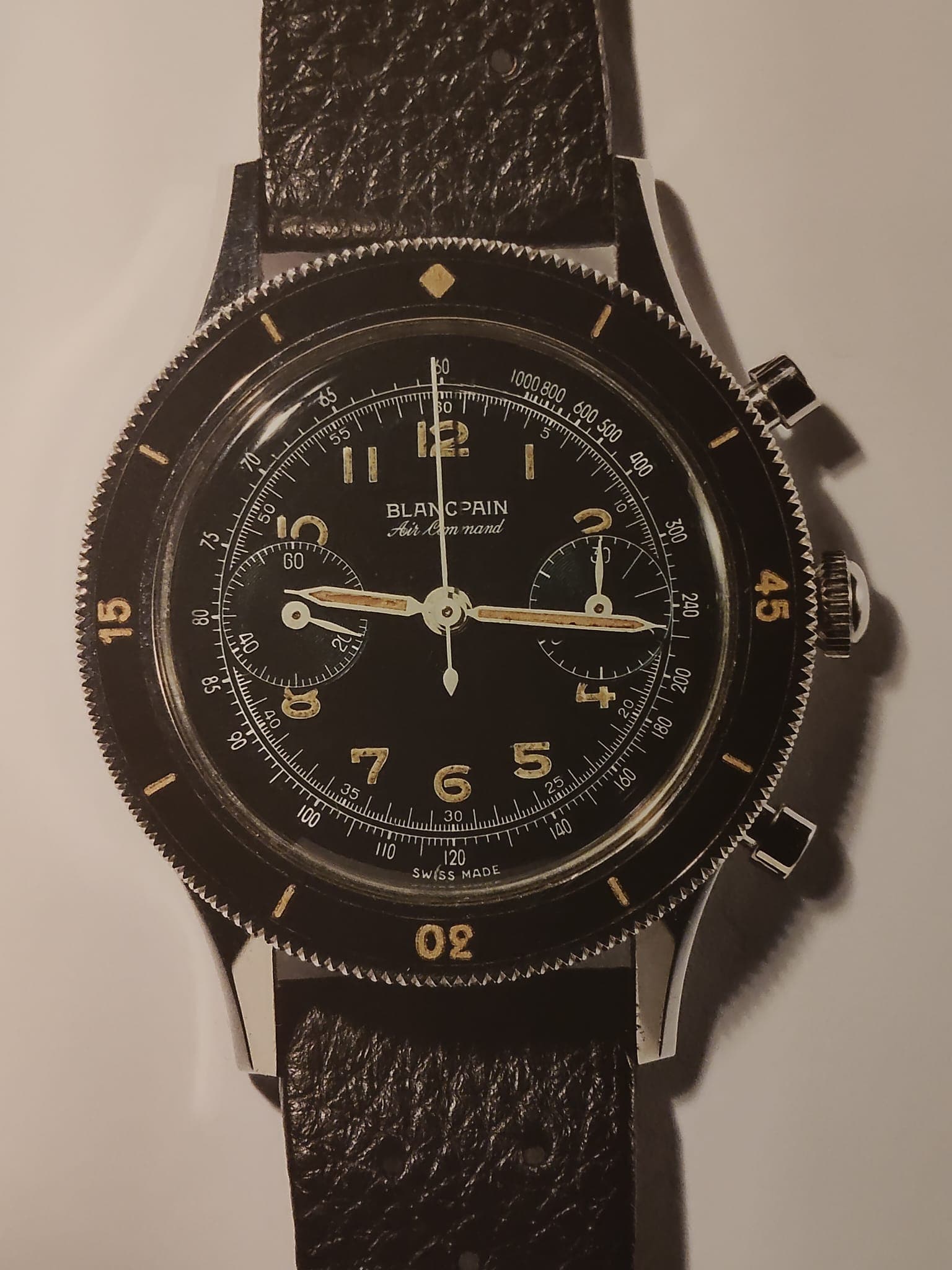
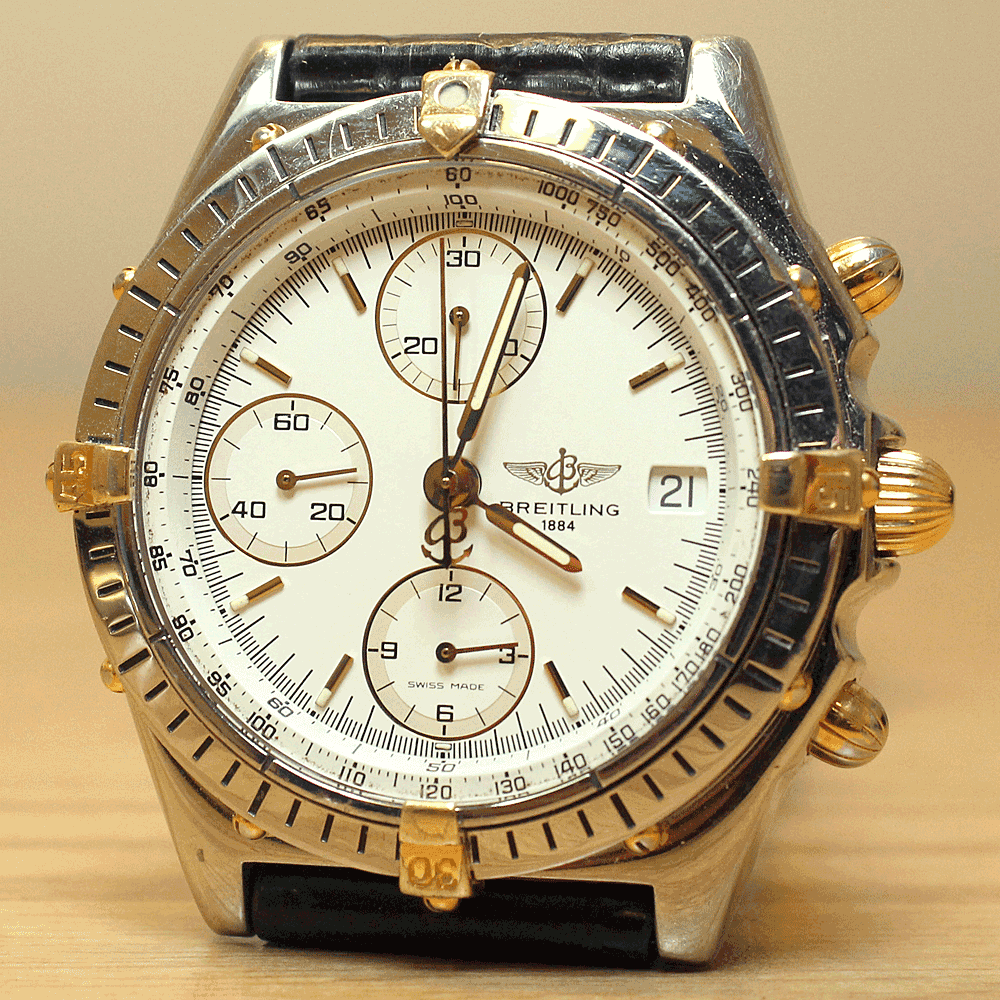
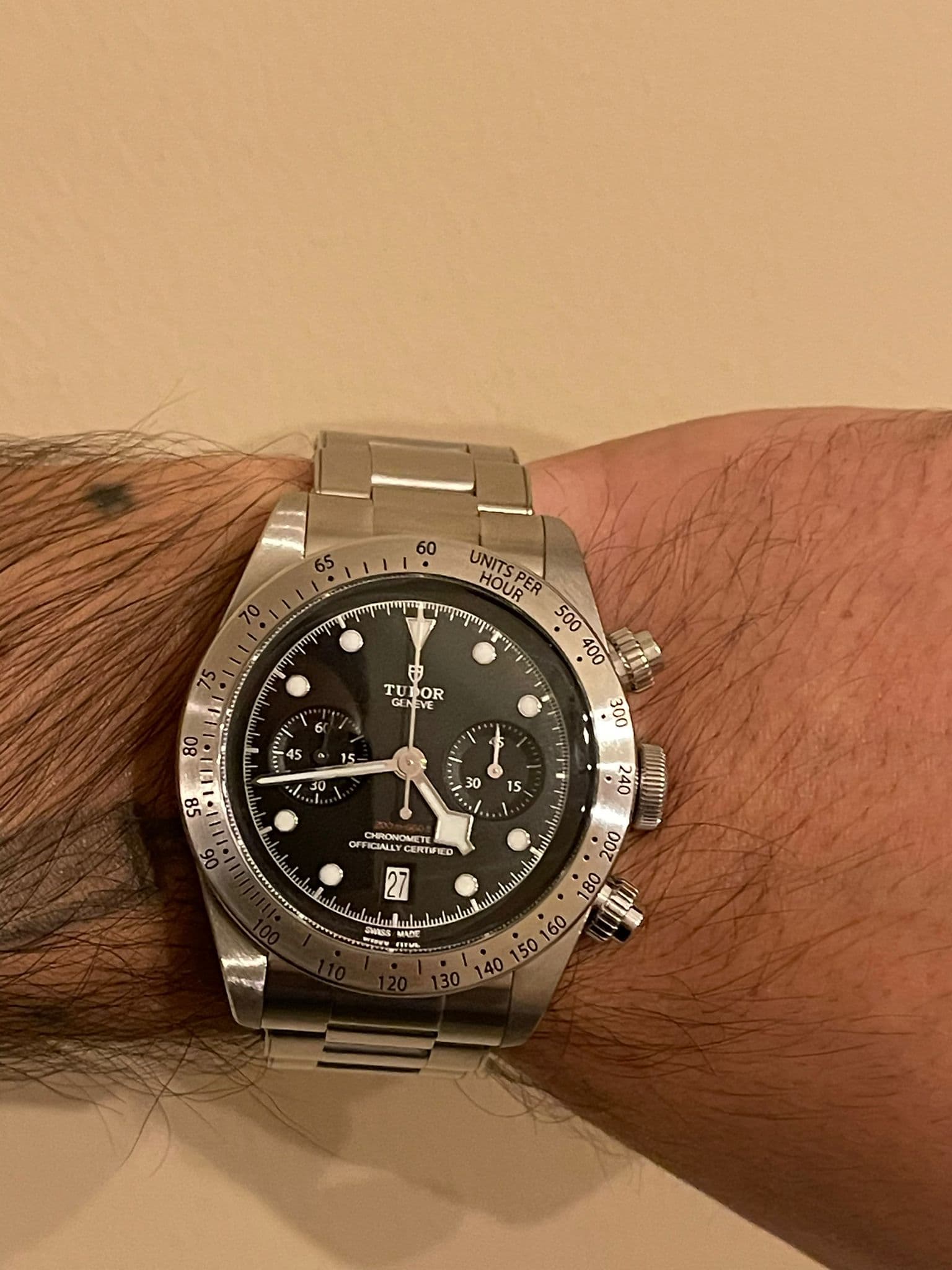
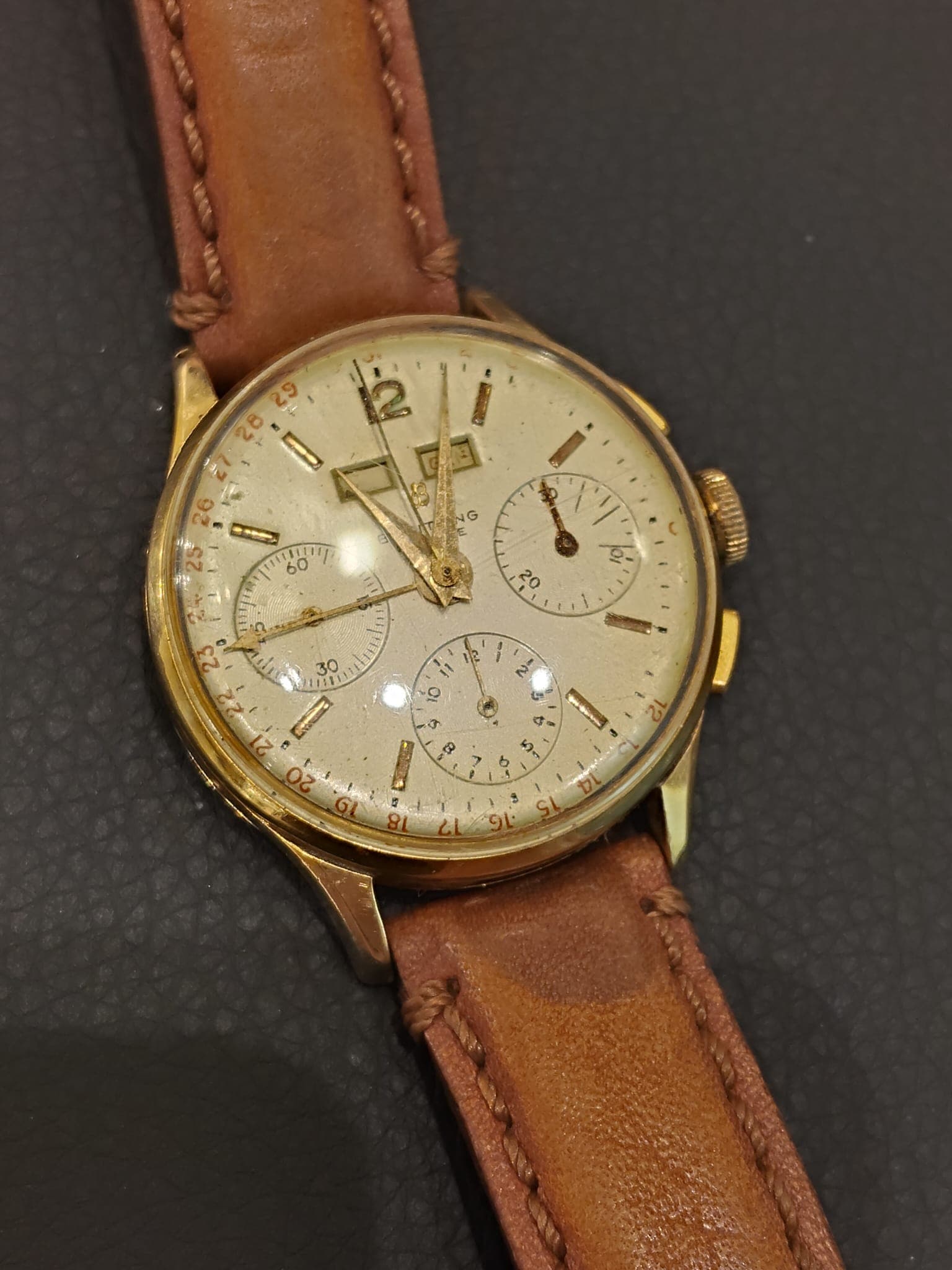
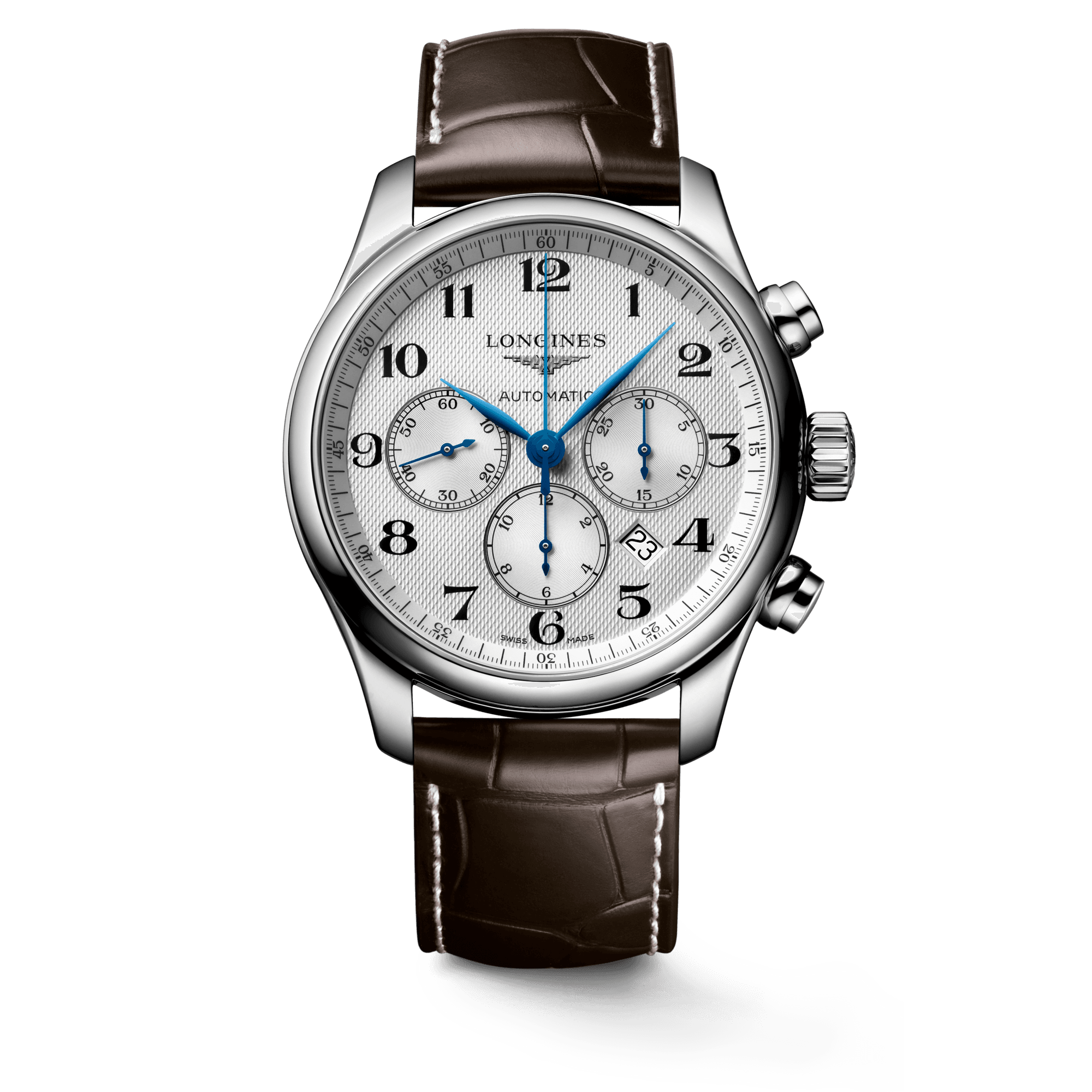
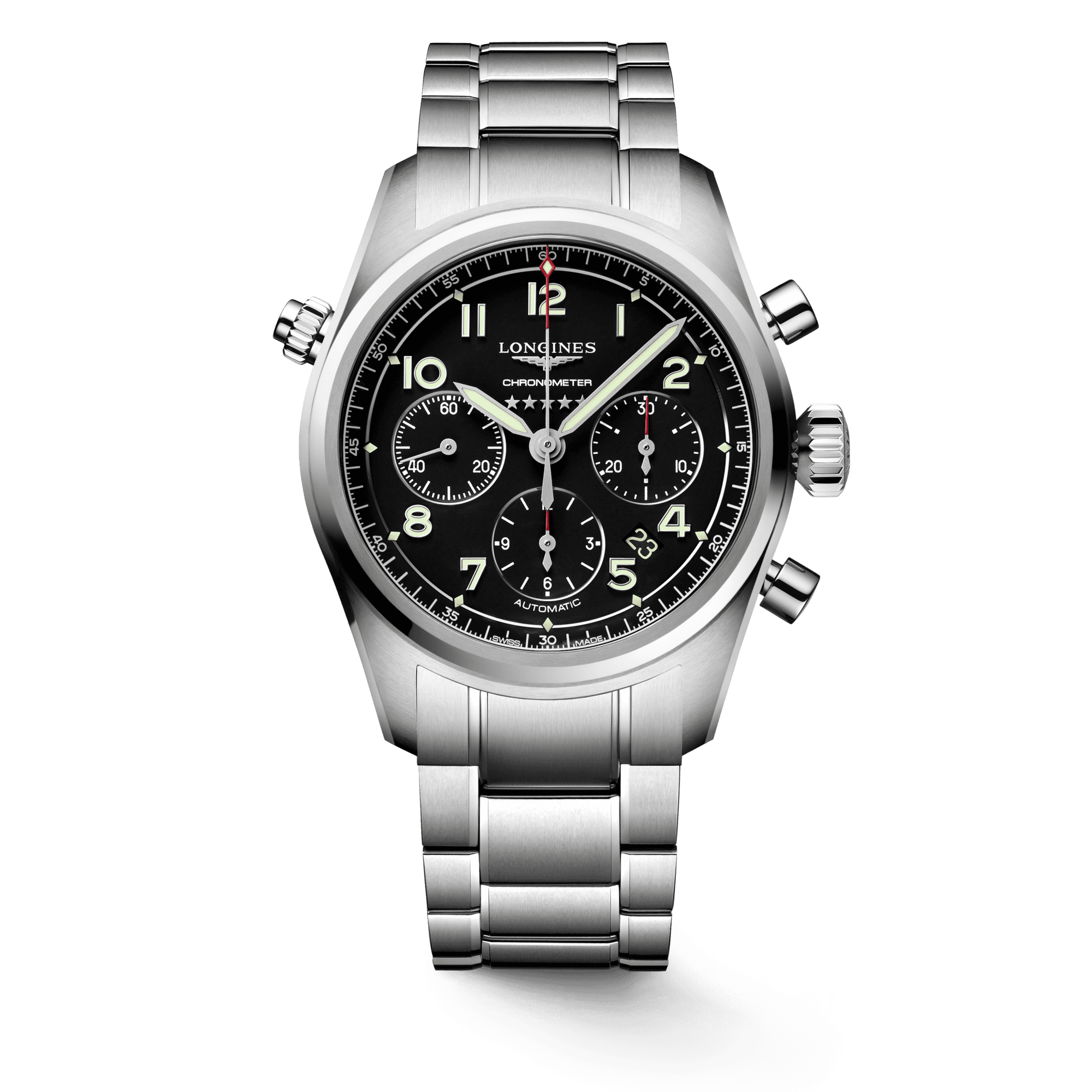
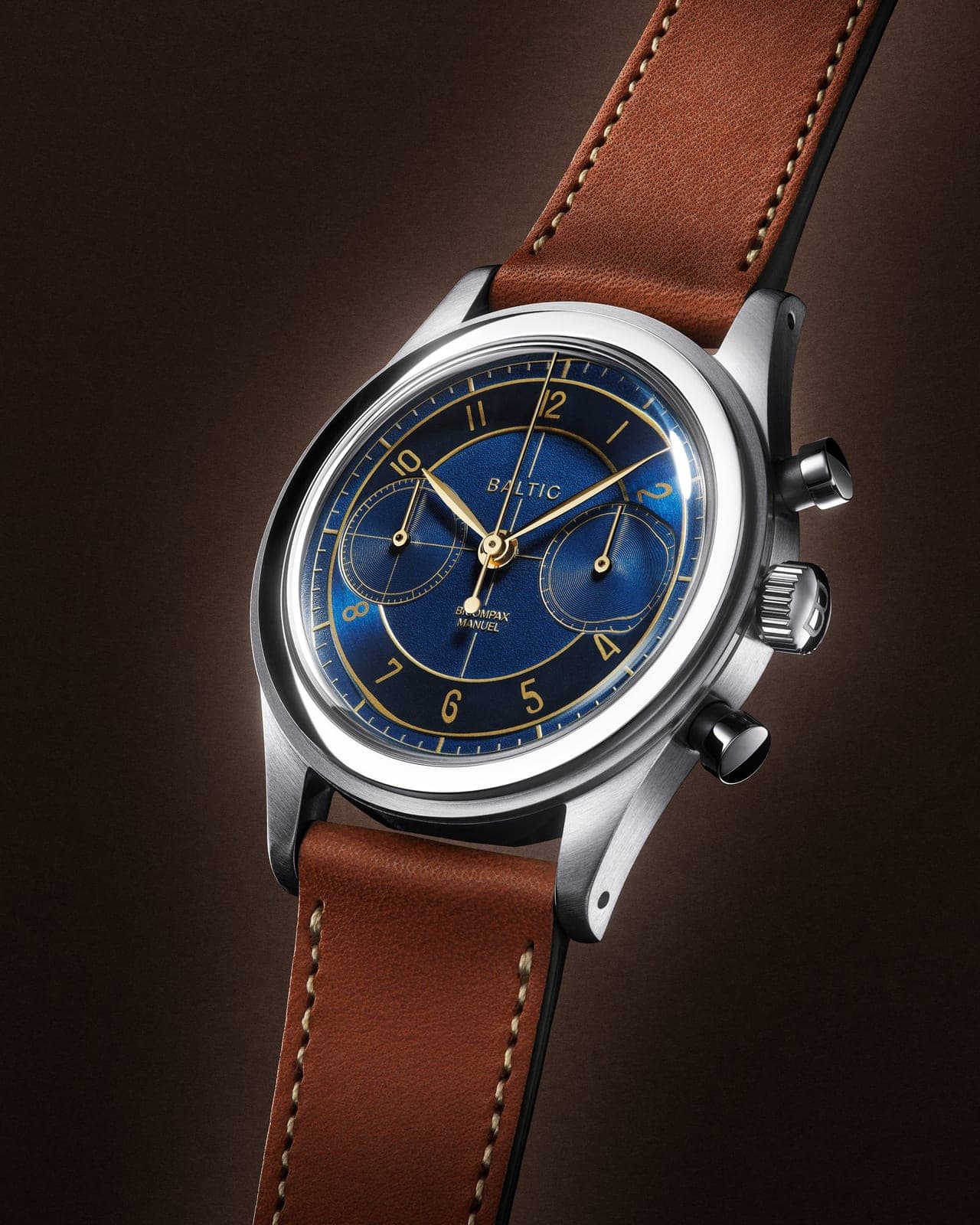
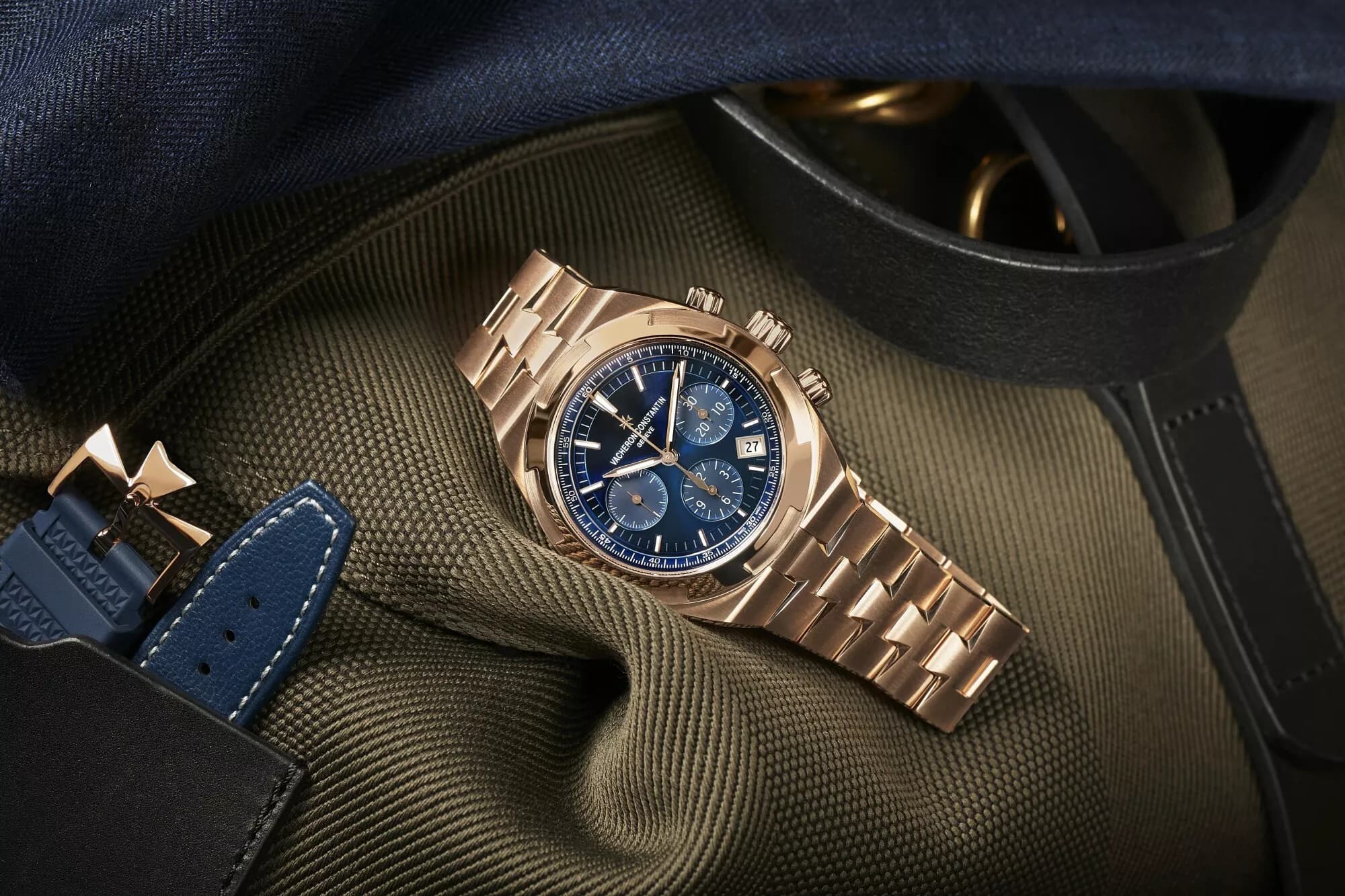
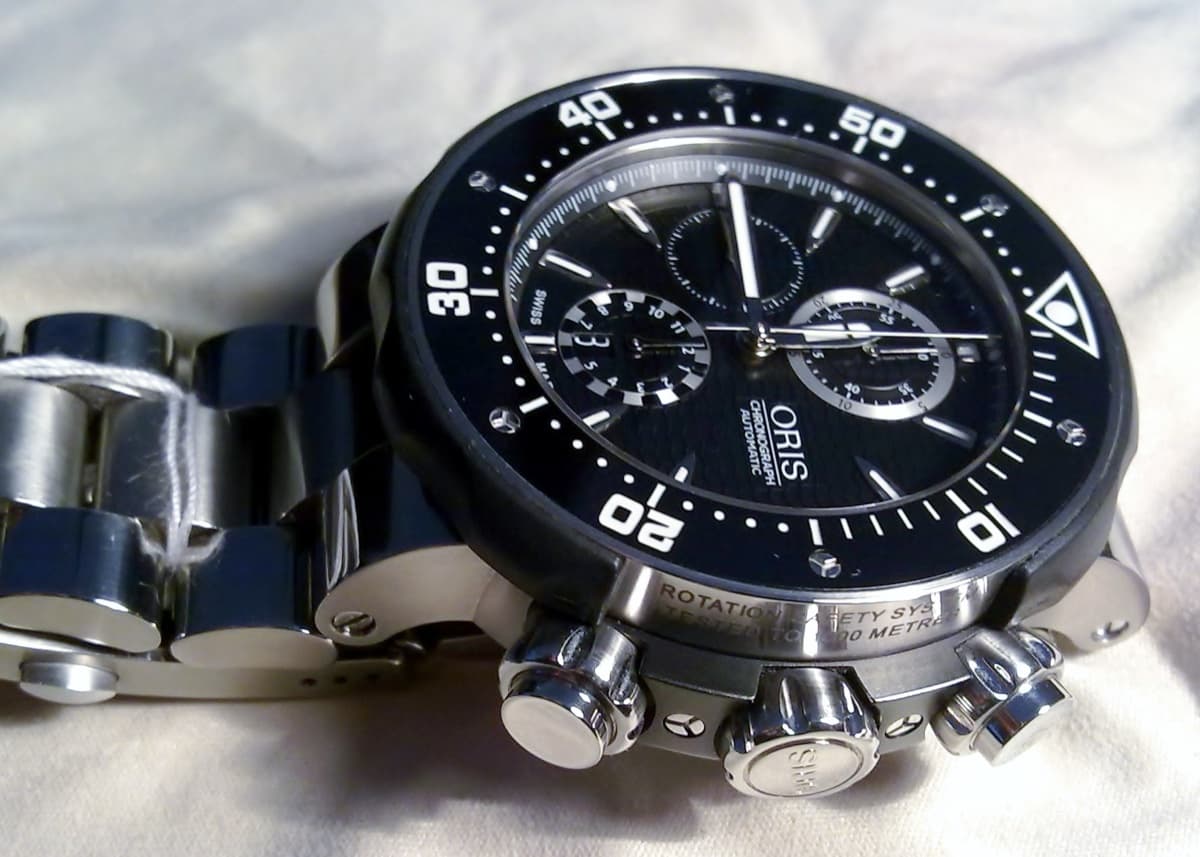
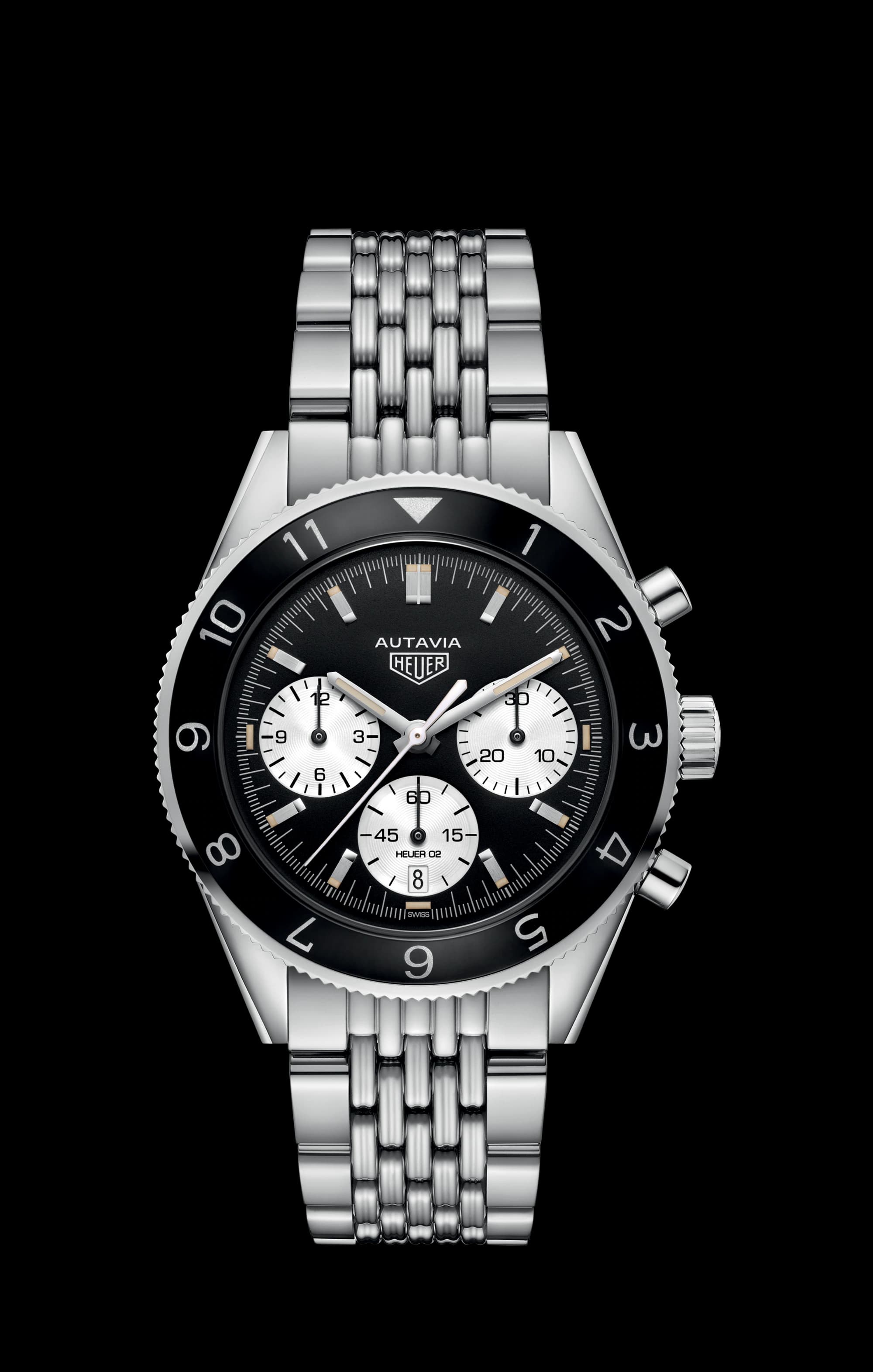
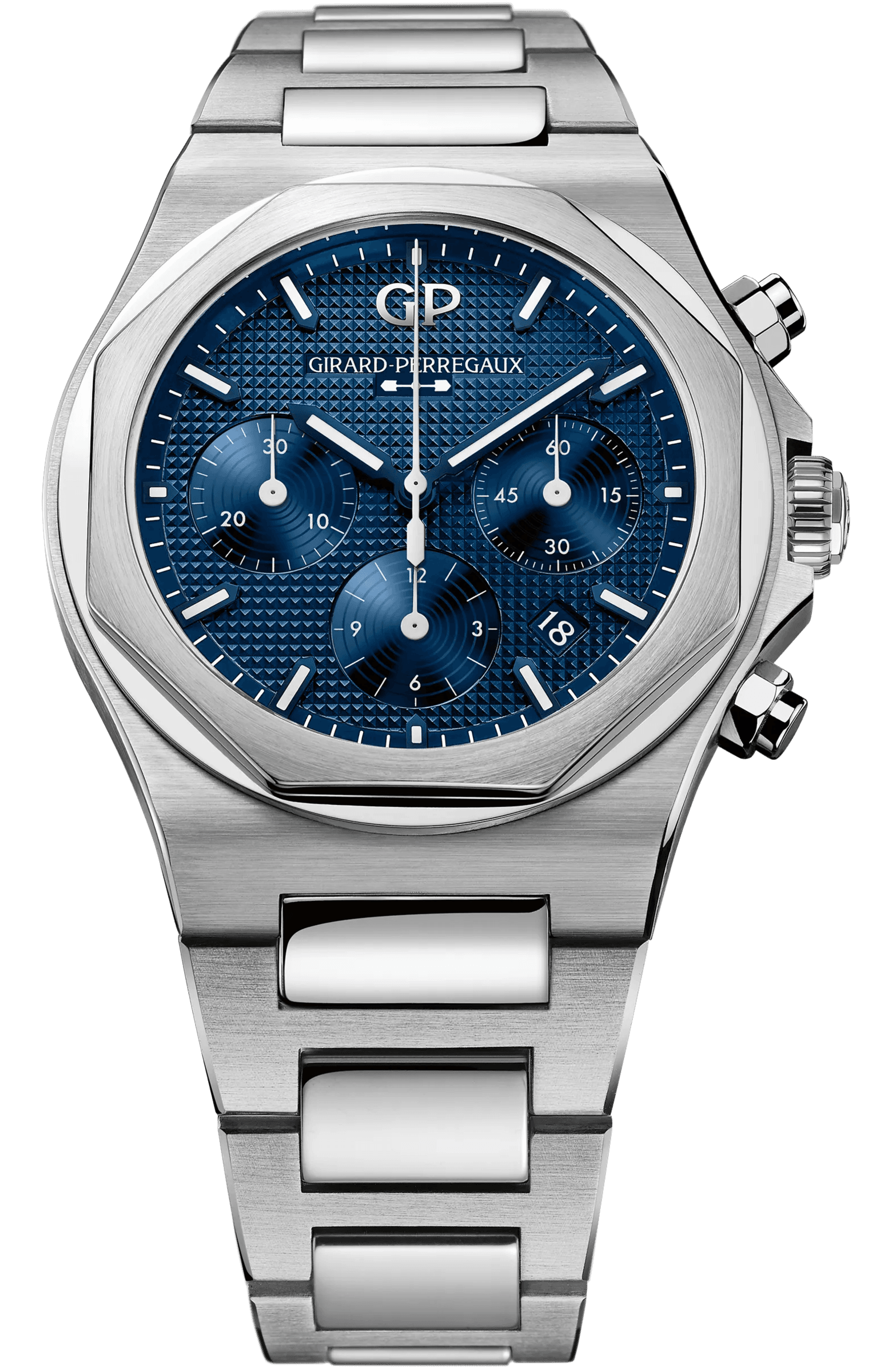
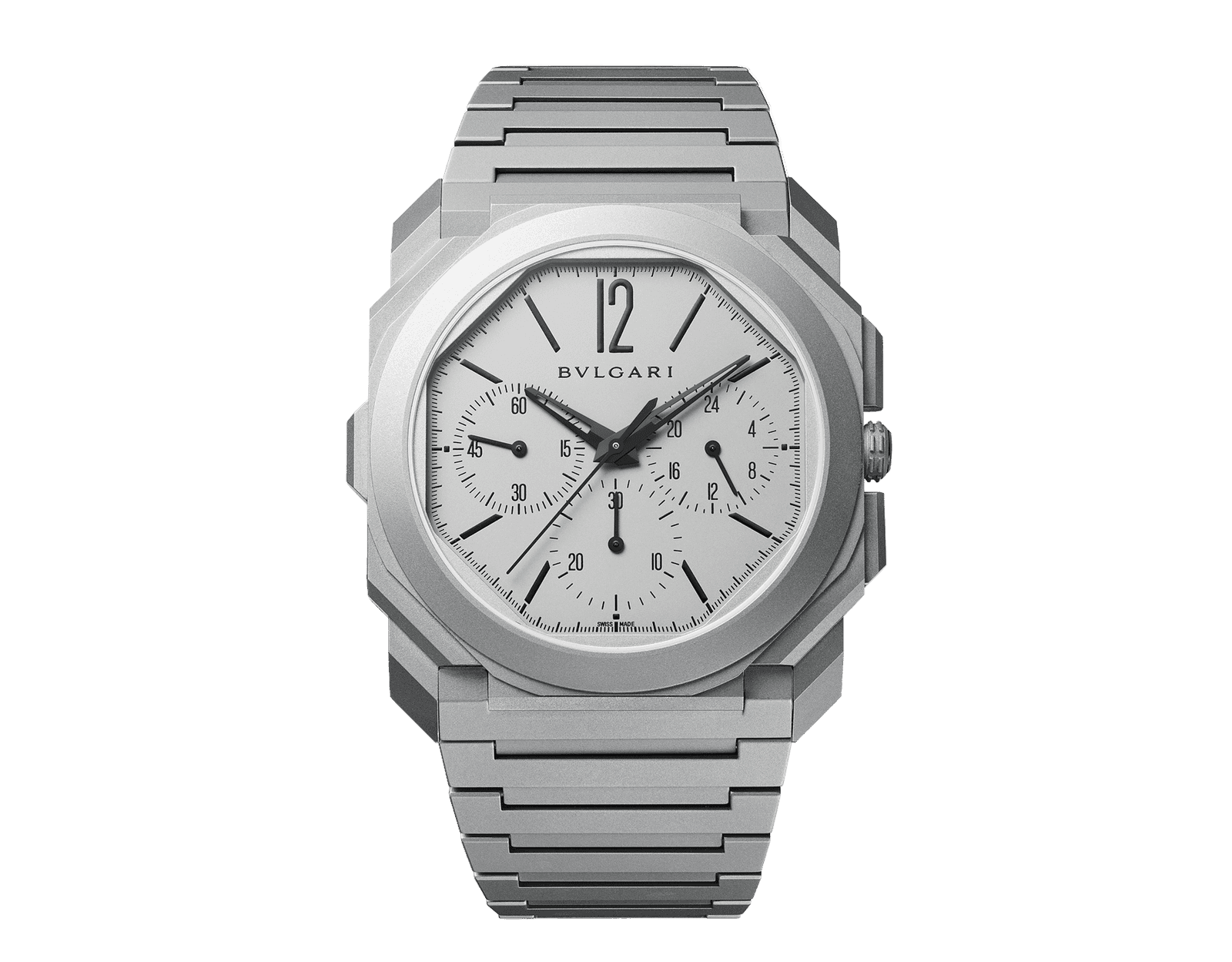
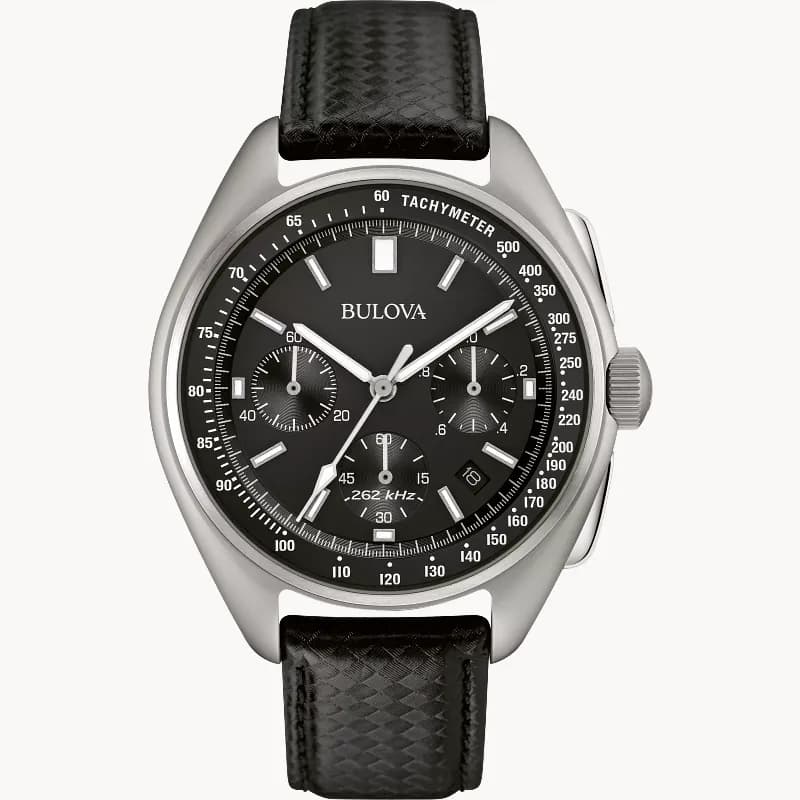
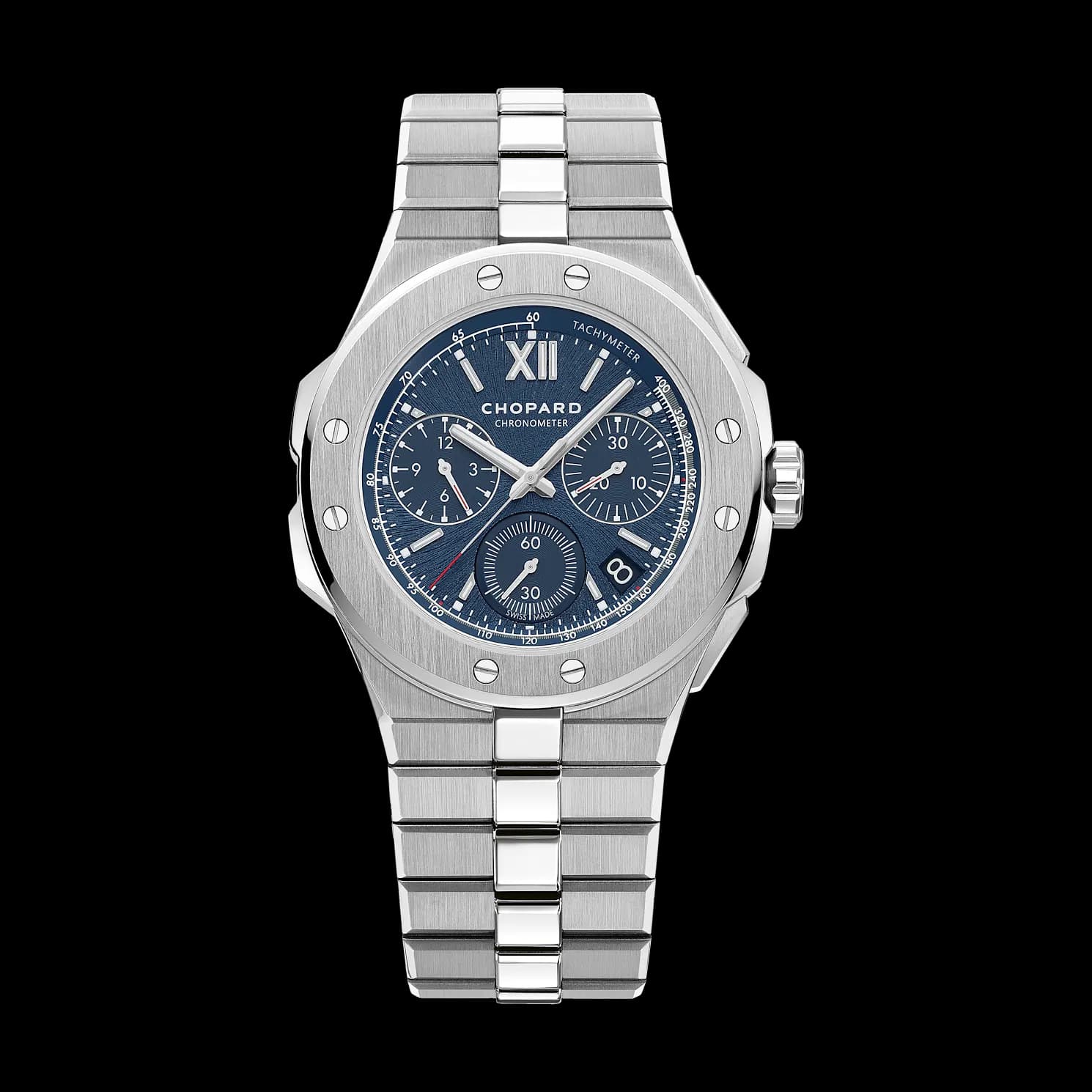
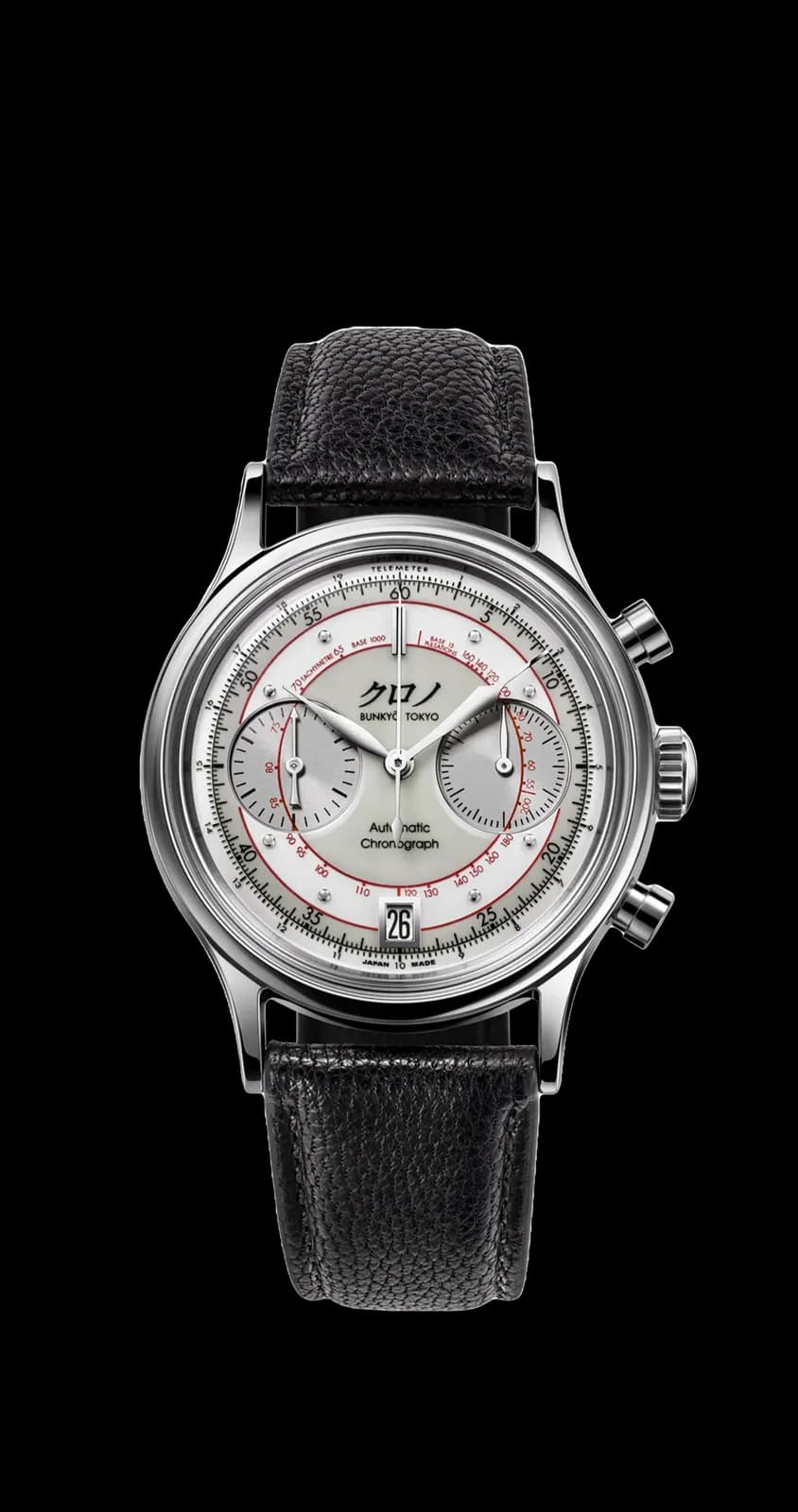
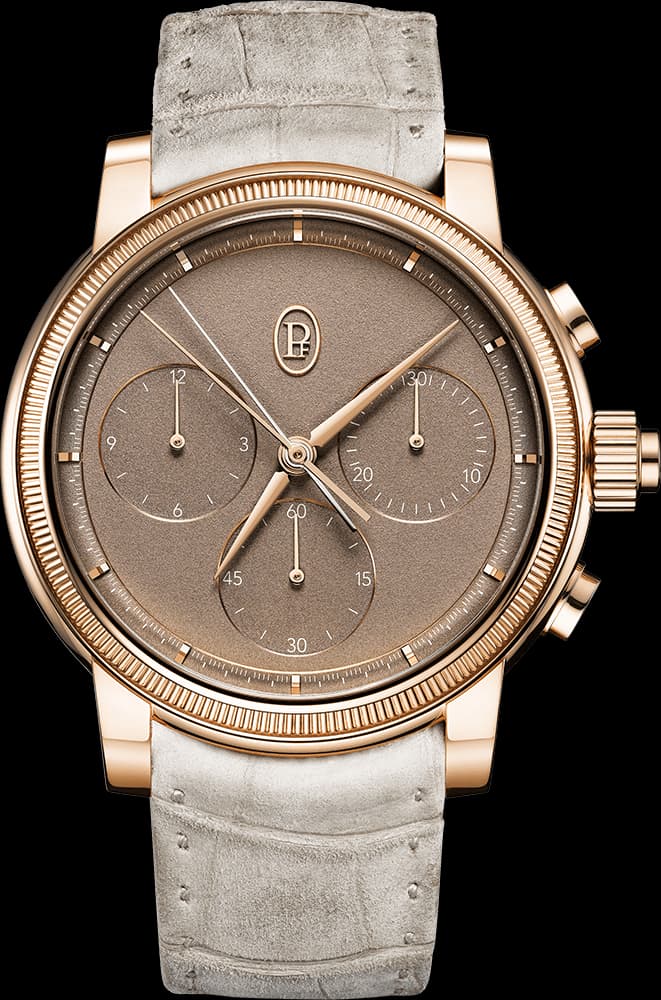
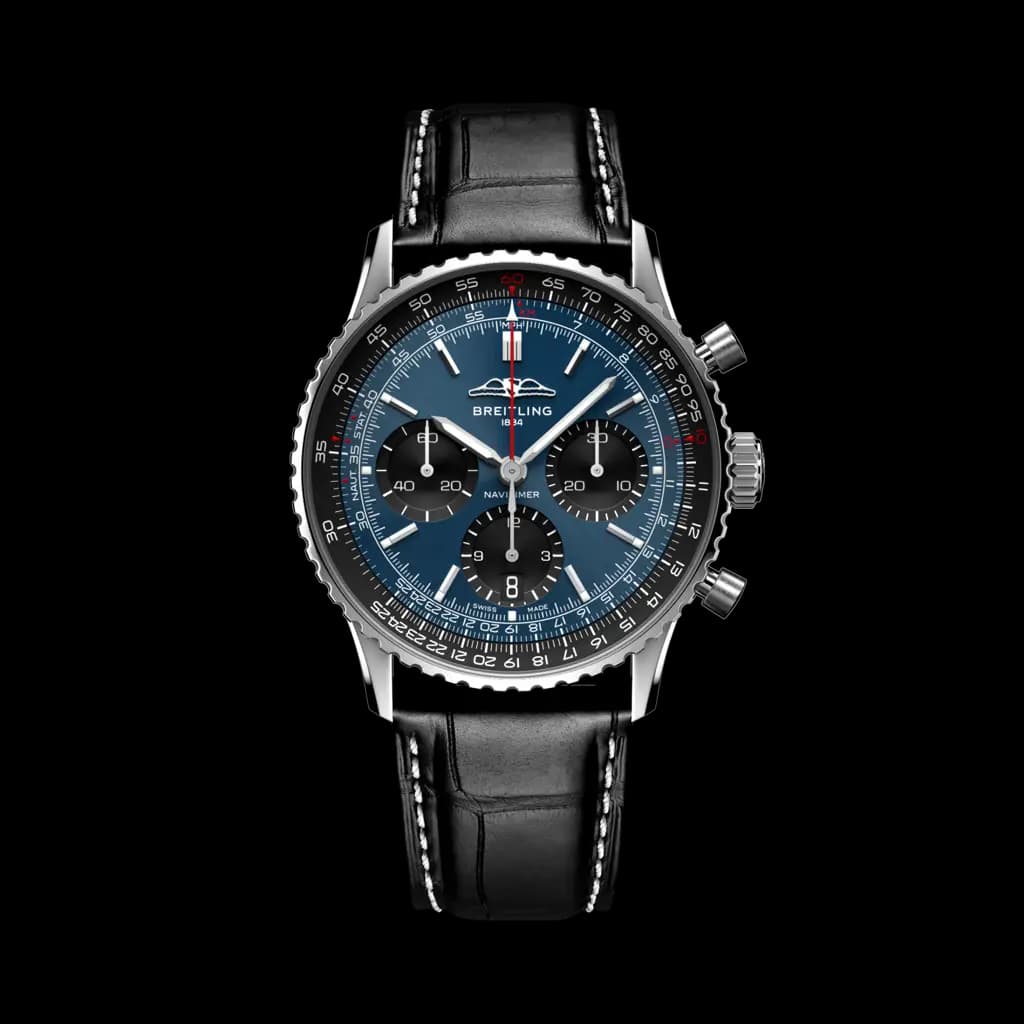
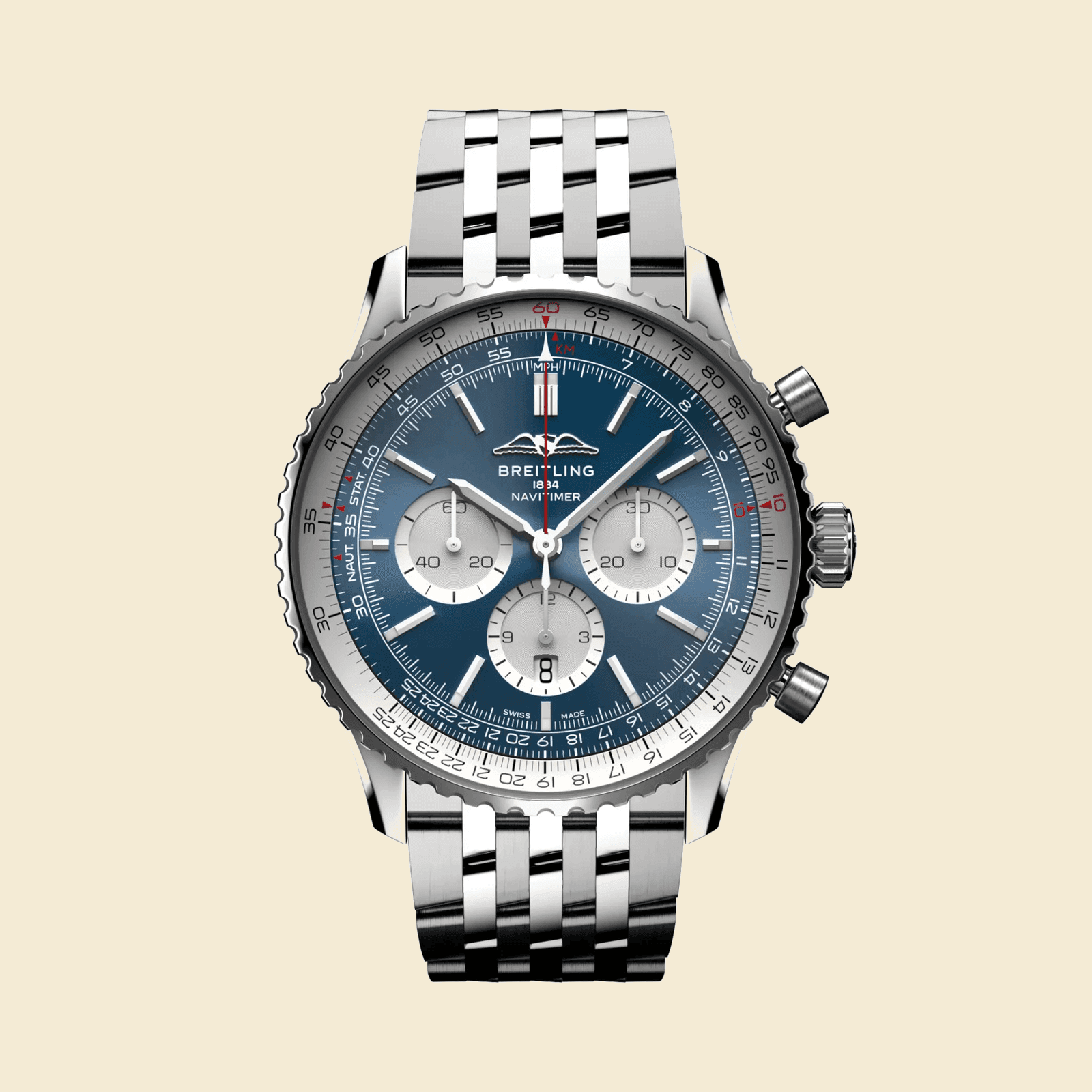
Sub-dial layout is the first filter. A bi-compax (two sub-dials, usually at 3 and 9) reads cleaner; a tri-compax (three sub-dials) gives you a running-seconds plus minute and hour totalizers. The Speedmaster is tri-compax; the early Carreras and many vintage Heuers are bi-compax. The next question is column-wheel vs. cam-actuated, column-wheel chronographs have a more tactile pusher feel and are usually the more expensive movement architecture (Daytona, Speedmaster Moonwatch caliber 3861, El Primero). Cam-actuated movements (the ETA/Valjoux 7750 and descendants) are mechanically robust and far more common.
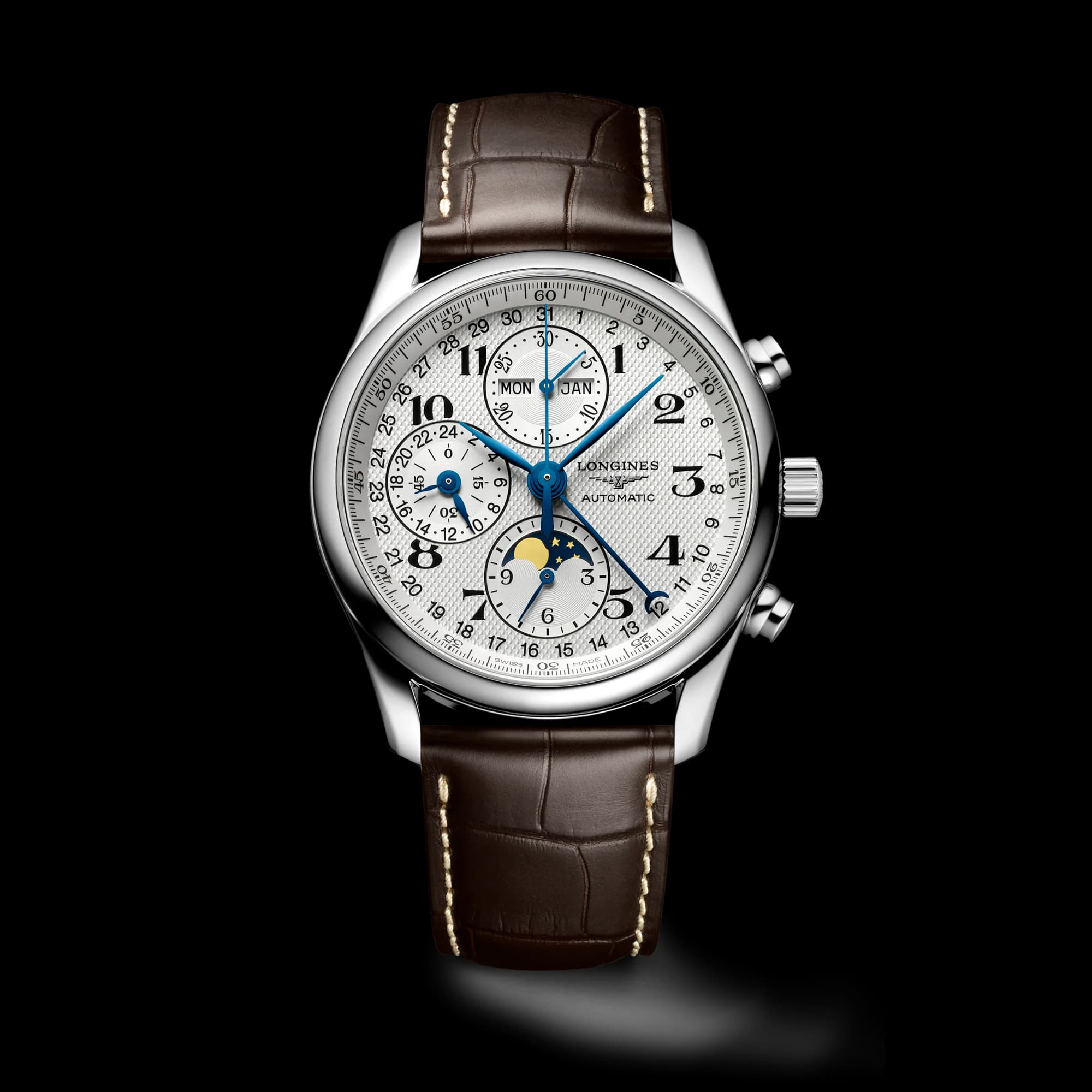
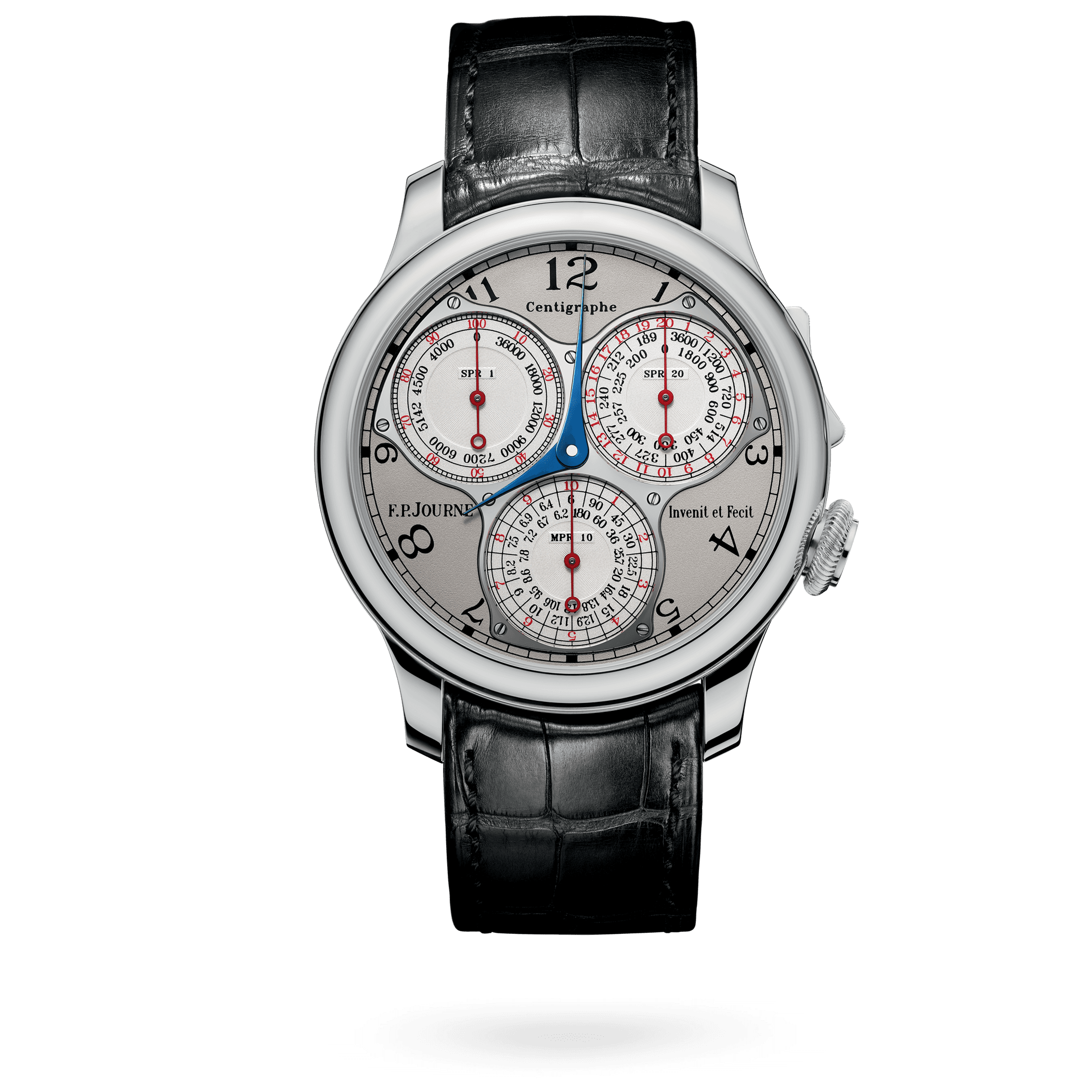
Flyback and rattrapante (split-seconds) are the two upgrades. Flyback resets the chronograph without first stopping it, useful in aviation and motorsport timing. Rattrapante adds a second chronograph hand to time two events simultaneously, it is a haute-horlogerie complication and prices accordingly.
Common pitfalls
The chronograph is the most-used complication that owners never actually use. If you are buying one as a daily watch, the chronograph pushers and sub-dials are a permanent visual presence and tactile temptation; if you do not enjoy operating them, the watch will feel busier than it needs to be. Second pitfall: vintage chronograph service is expensive and parts availability for the Valjoux 72 (early Daytona) and Lemania 2310 (pre-1969 Speedmaster) is tight. Confirm service history before buying anything pre-1980. Third: the 7750's date-quickset position and pusher feel are well-known to enthusiasts but rarely disclosed by retailers, handle one before buying if you can.
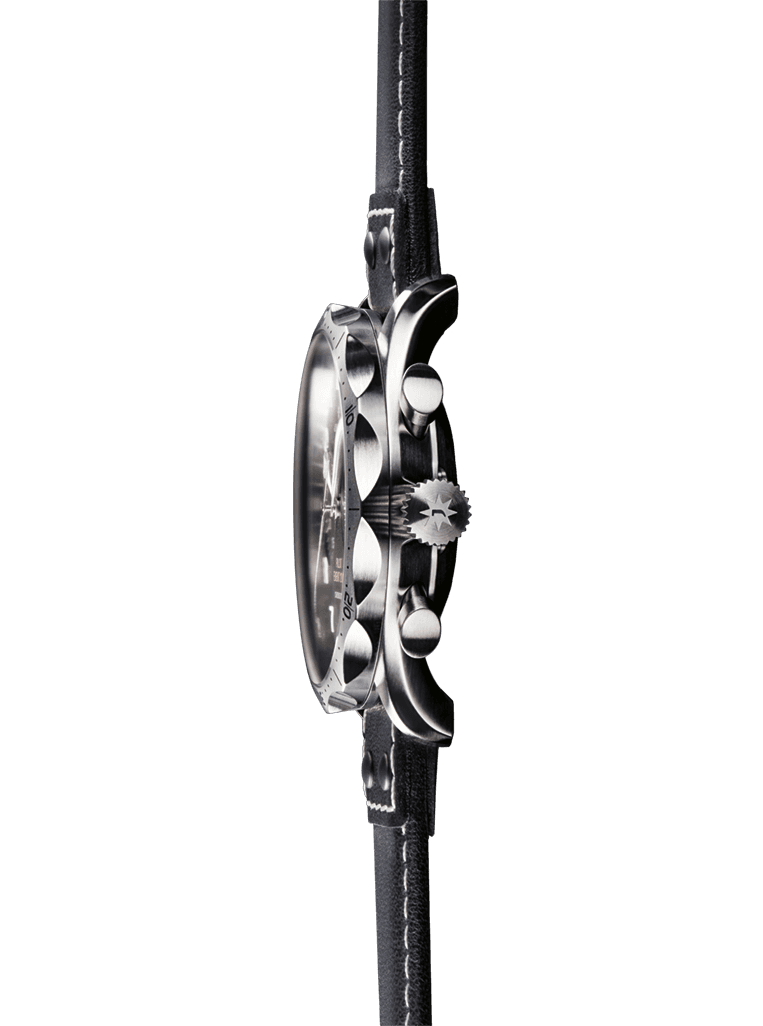
A chronograph adds an independent seconds-measuring hand operated by pushers on the case, enabling the watch to function as a stopwatch without disturbing the timekeeping function.
How the chronograph works: history, mechanism, parts required, and what makes it hard to build →
121 references in this complication
- Open
- Open
- Open
- Open
- Open
- Open
- Open
- Open
- Open
- Open
- Open
- Open
- Open
- Open
- Open
- Open
- Open
- Open
- Open
- Open
- Open
- Open
- Open
- Open
- Open
- Open
- Open
- Open
- Open
- Open
- Open
- Open
- Open
- Open
- Open
- Open
- Open
- Open
- Open
- Open
- Open
- Open
- Open
- Open
- Open
- Open
- Open
- Open
- Open
- Open
- Open
- Open
- Open
- Open
- Open
- Open
- Open
- Open
- Open
- Open
- Open
- Open
- Open
- Open
- Open
- Open
- Open
- Open
- Open
- Open
- Open
- Open
- Open
- Open
- Open
- Open
- Open
- Open
- Open
- Open
- Open
- Open
- Open
- Open
- Open
- Open
- Open
- Open
- Open
- Open
- Open
- Open
- Open
- Open
- Open
- Open
- Open
- Open
- Open
- Open
- Open
- Open
- Open
- Open
- Open
- Open
- Open
- Open
- Open
- Open
- Open
- Open
- Open
- Open
- Open
- Open
- Open
- Open
- Open
- Open
- Open