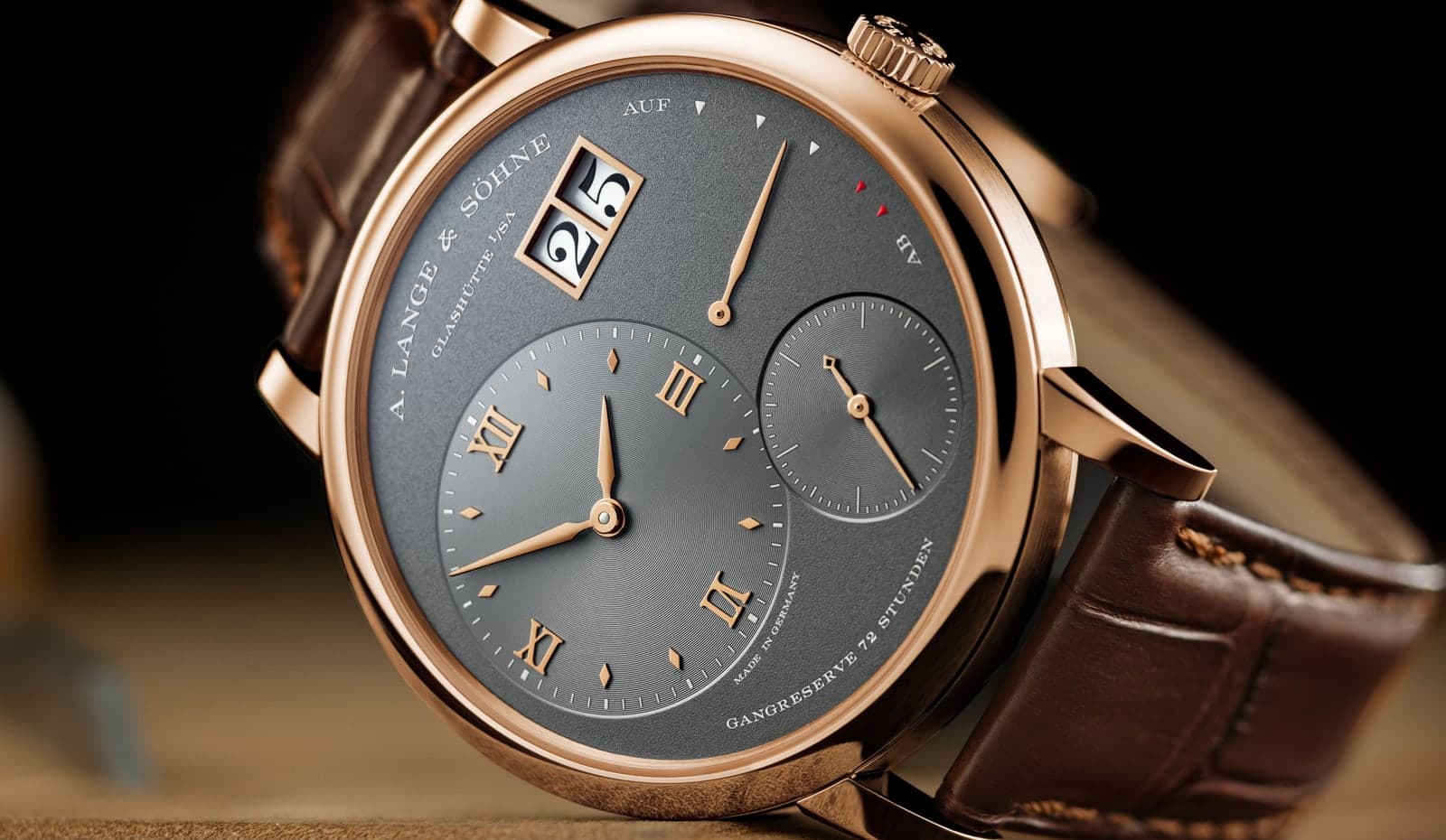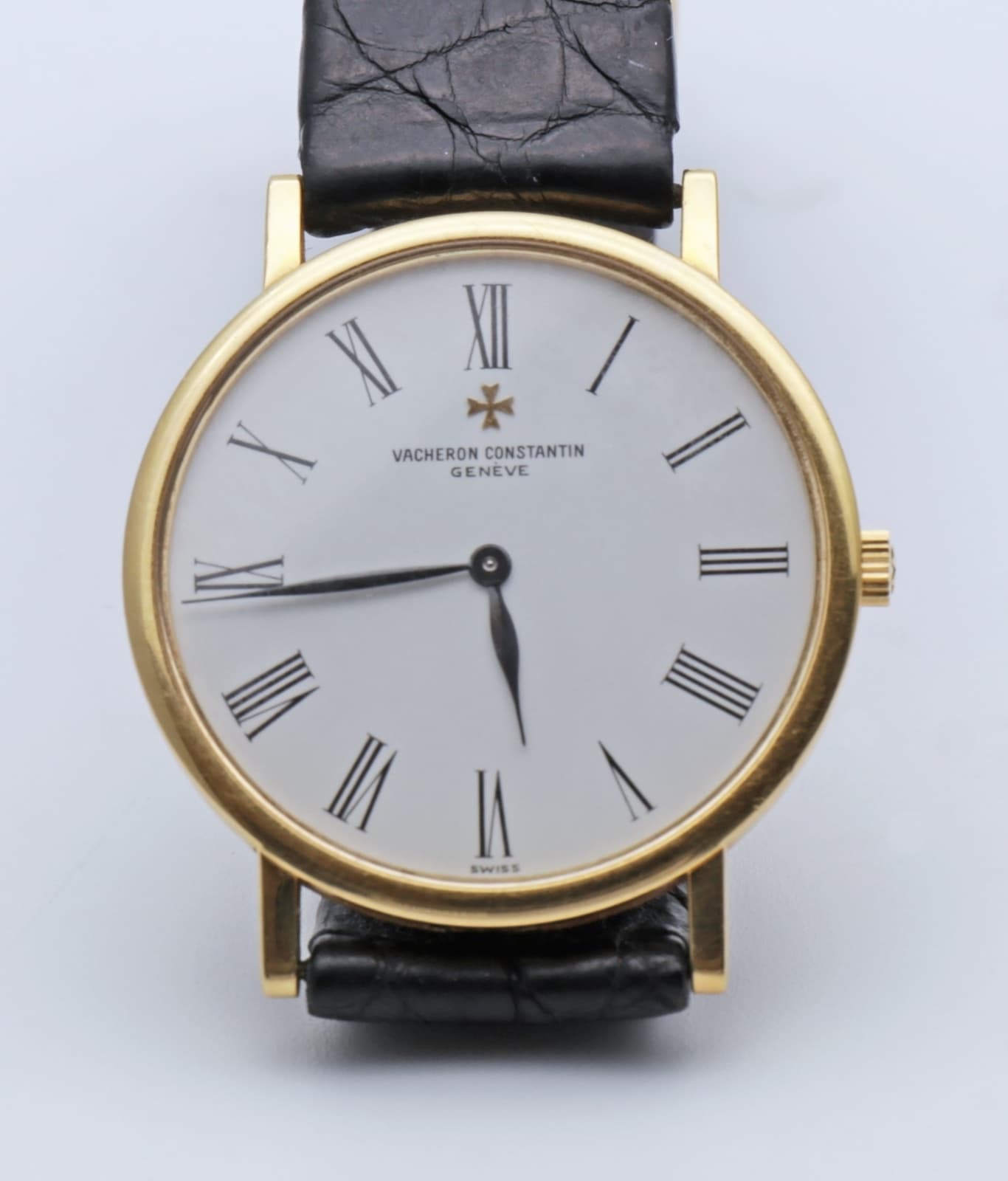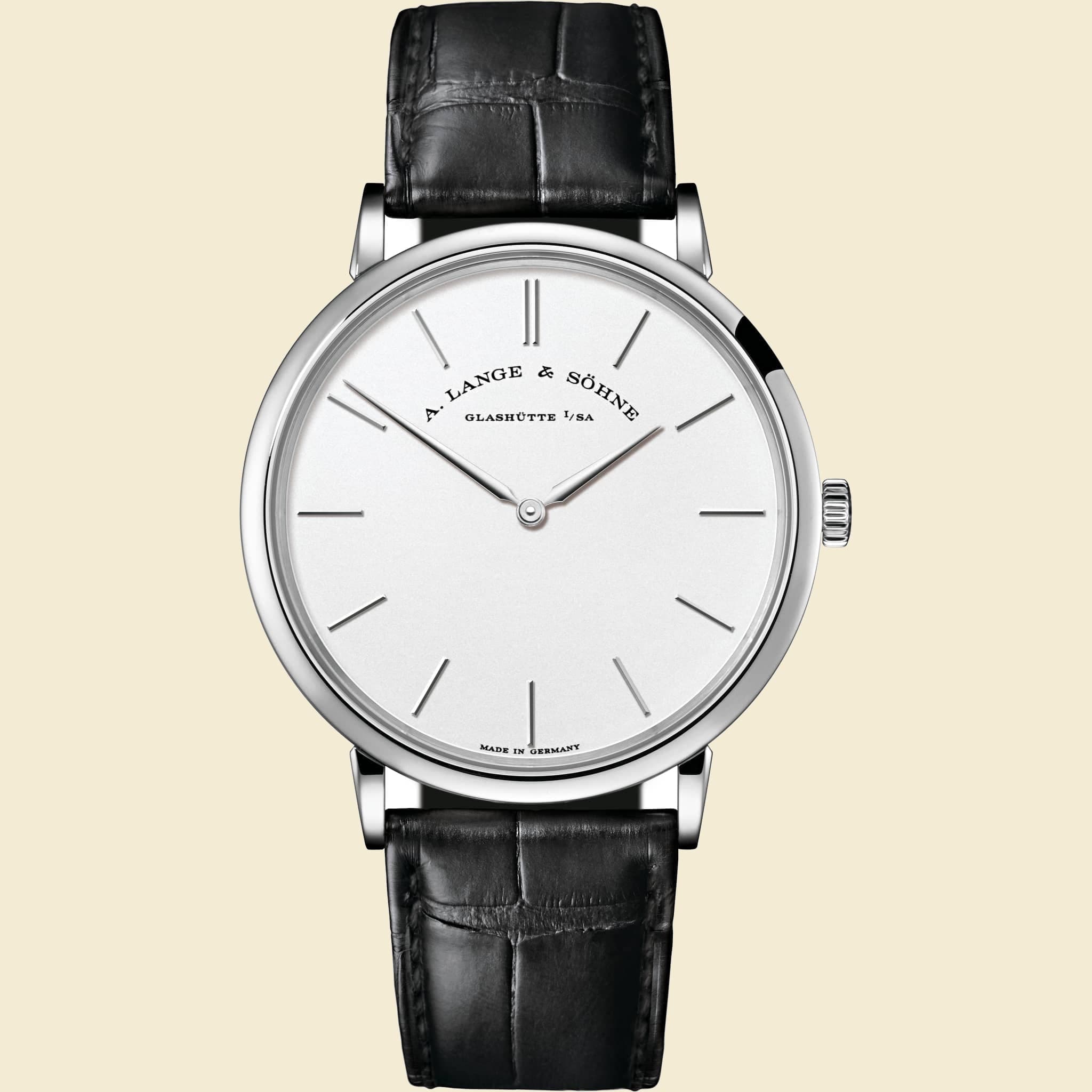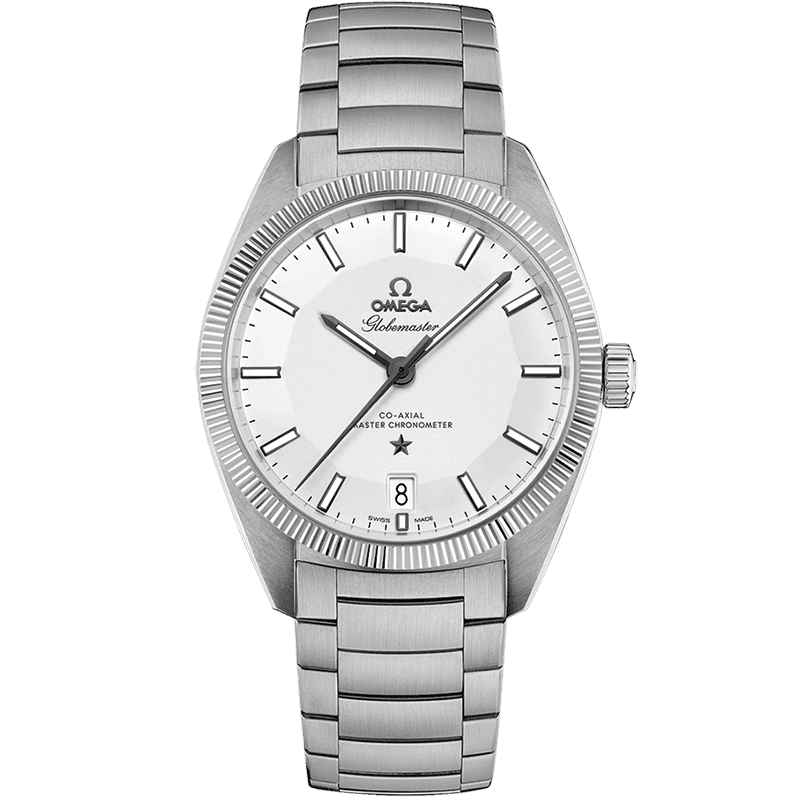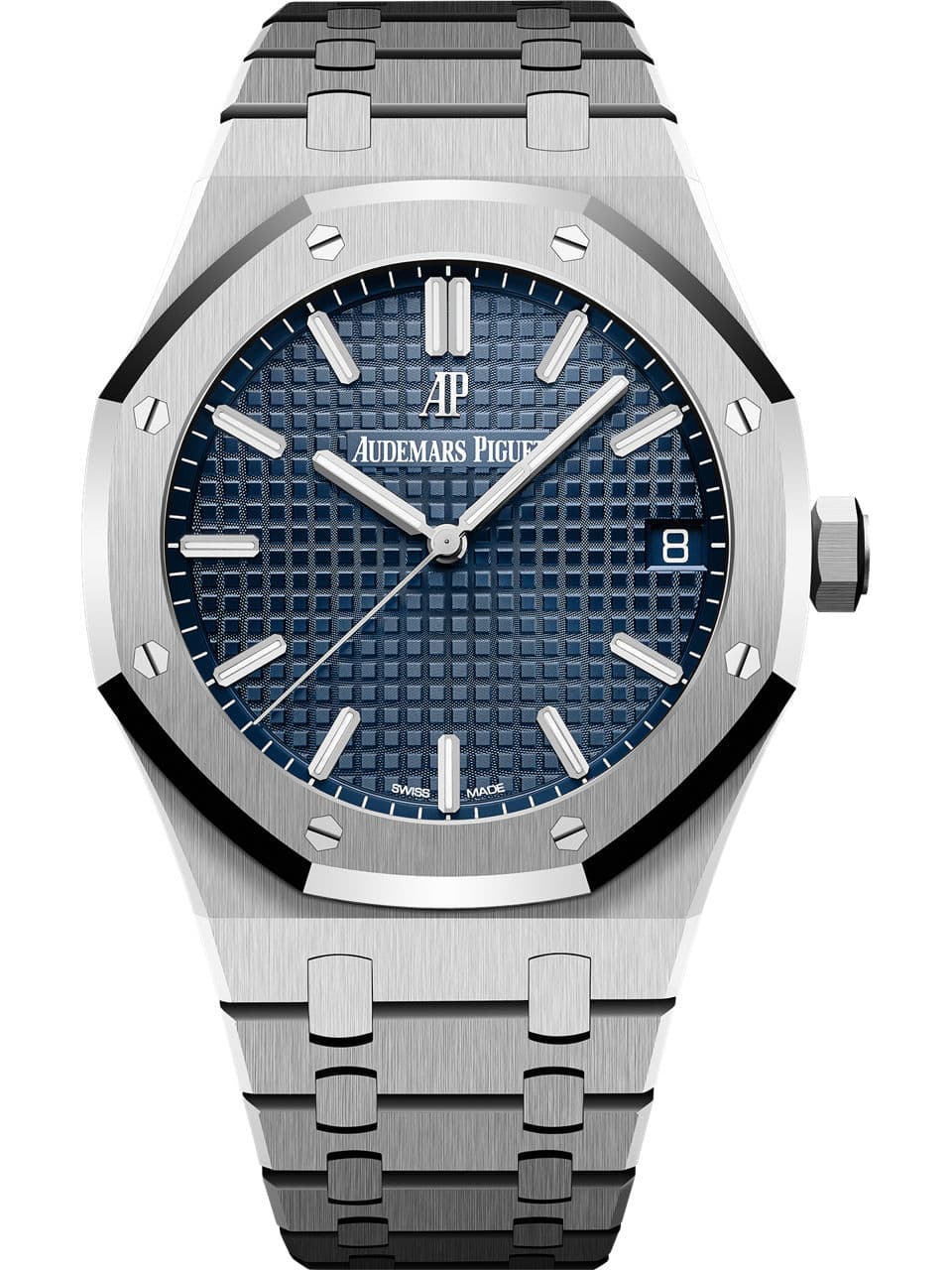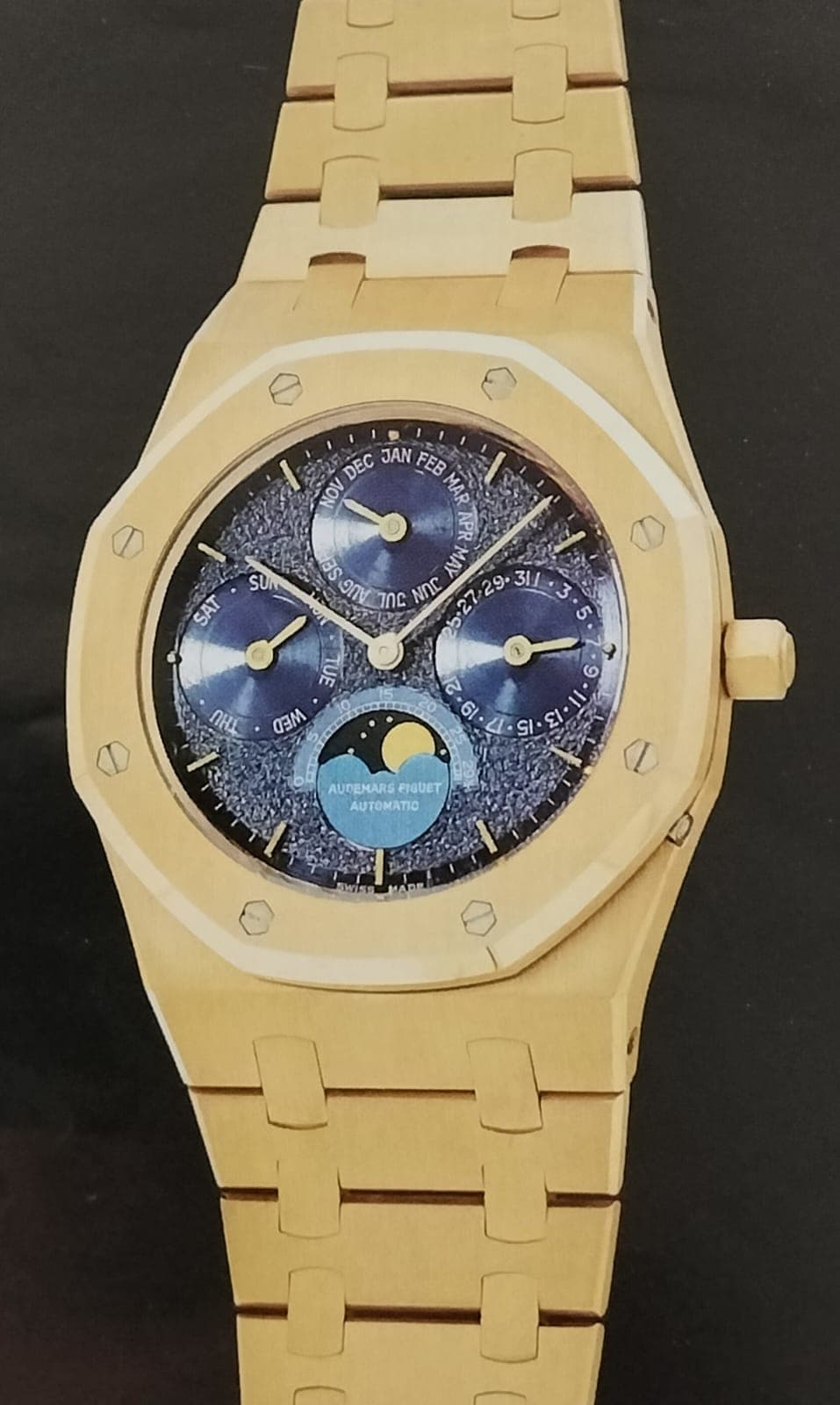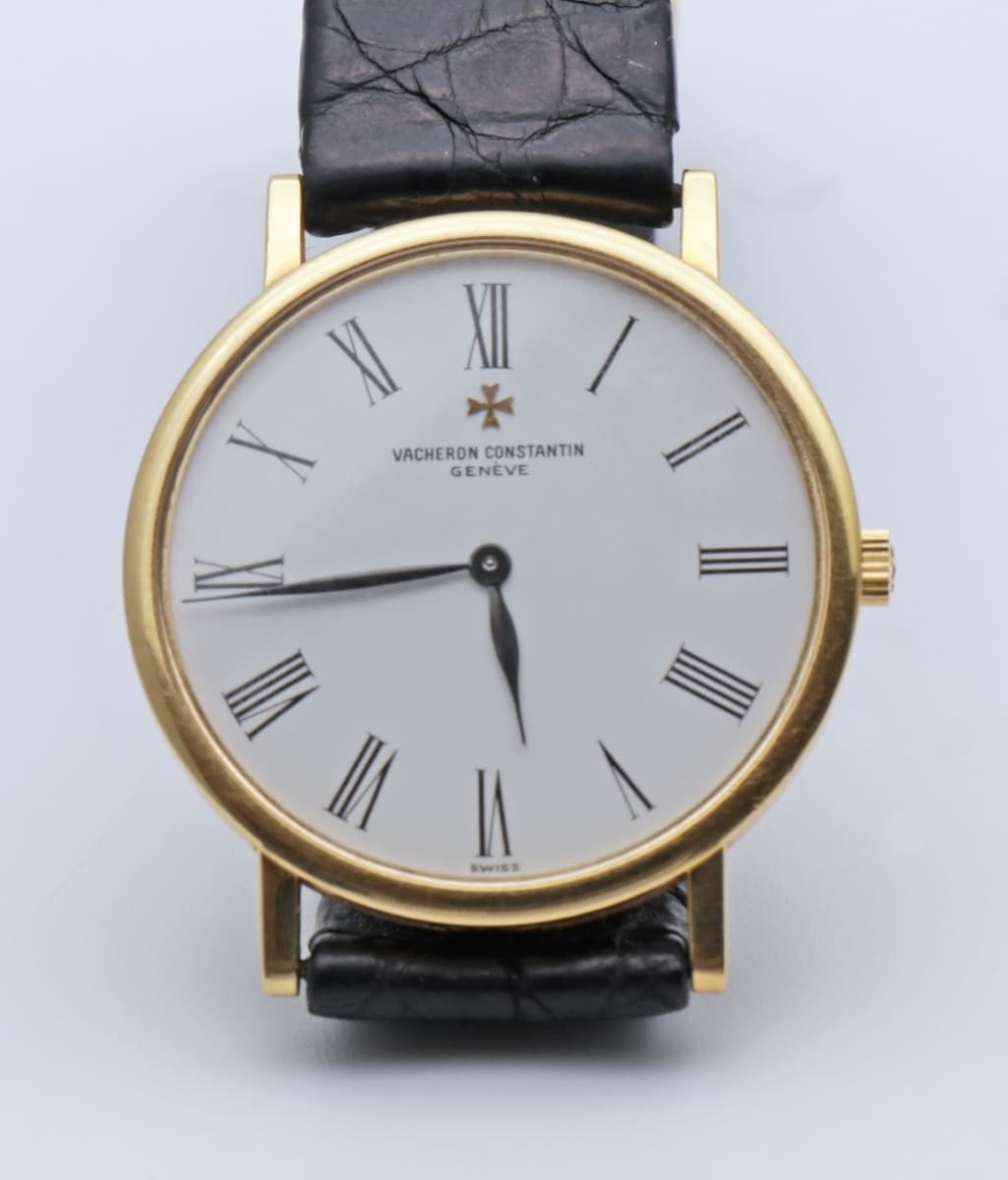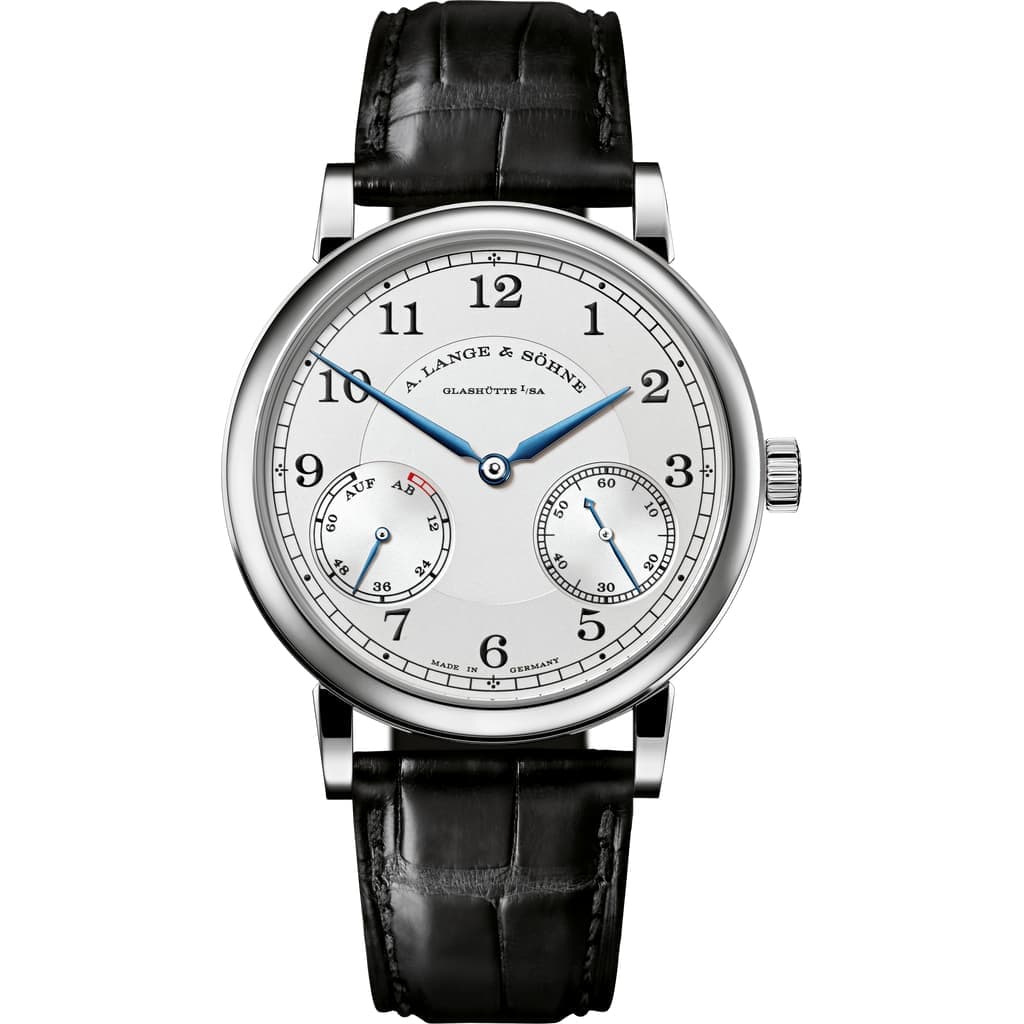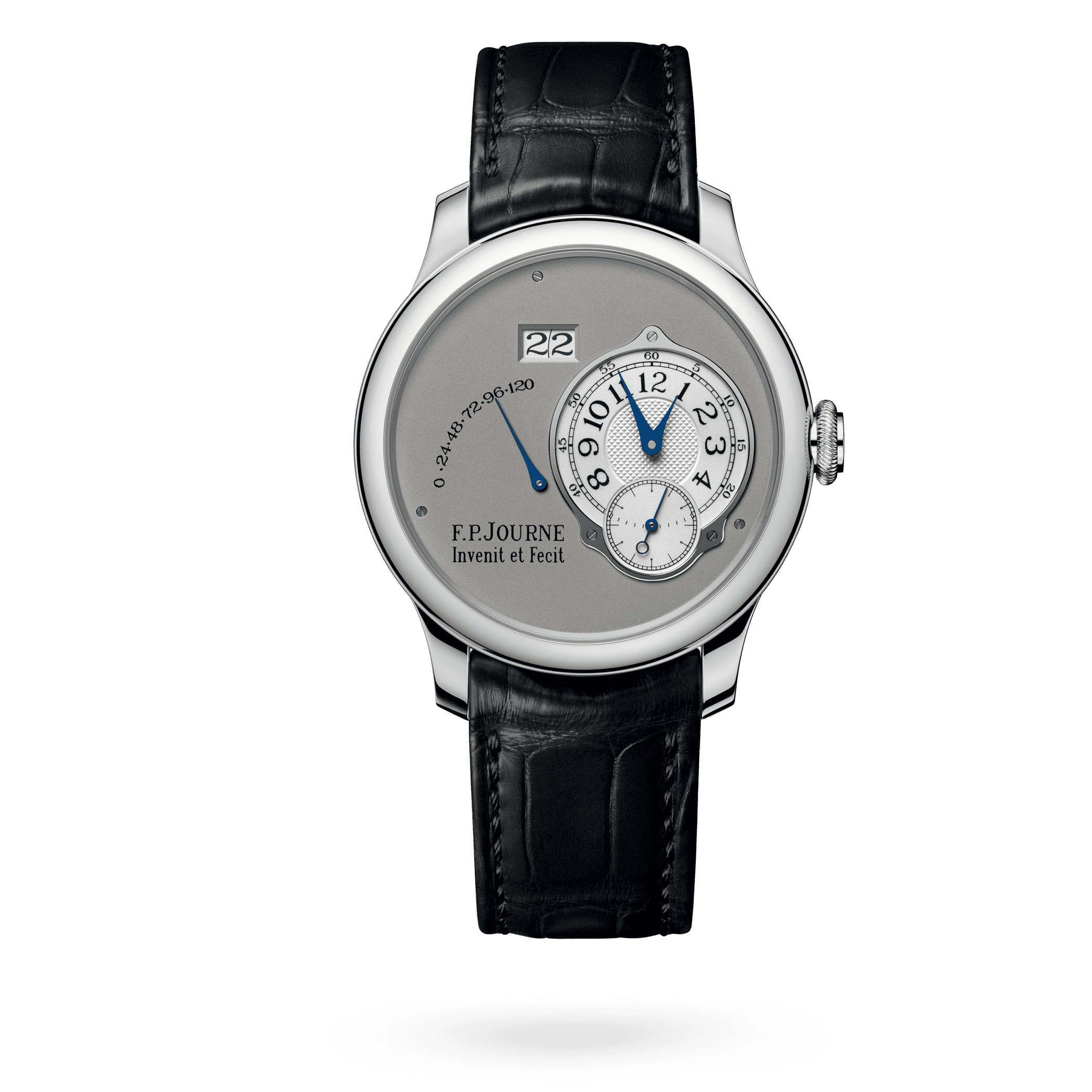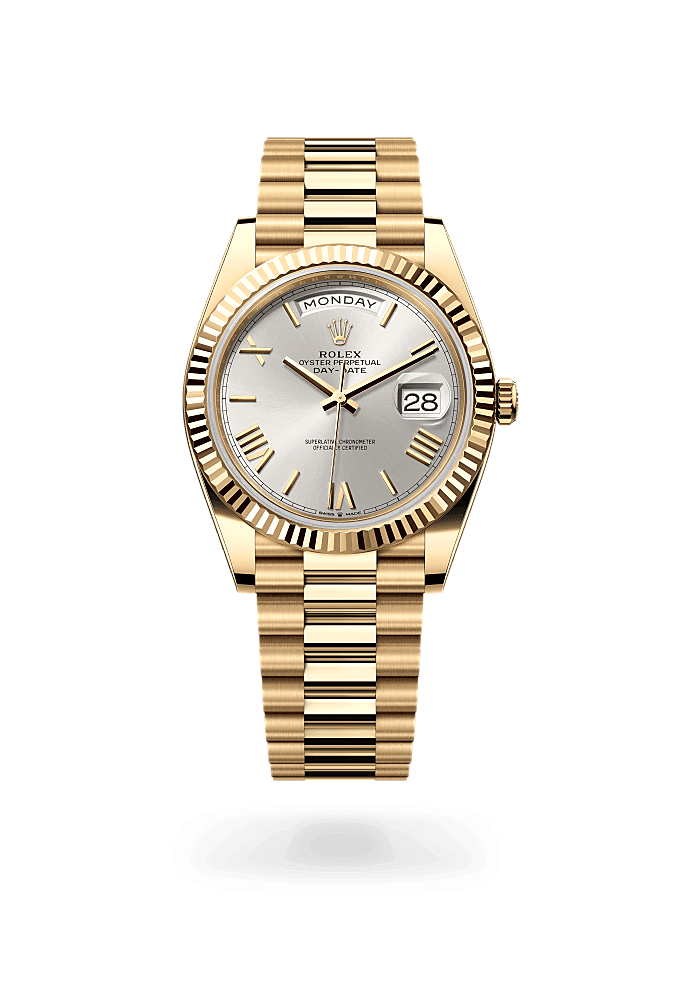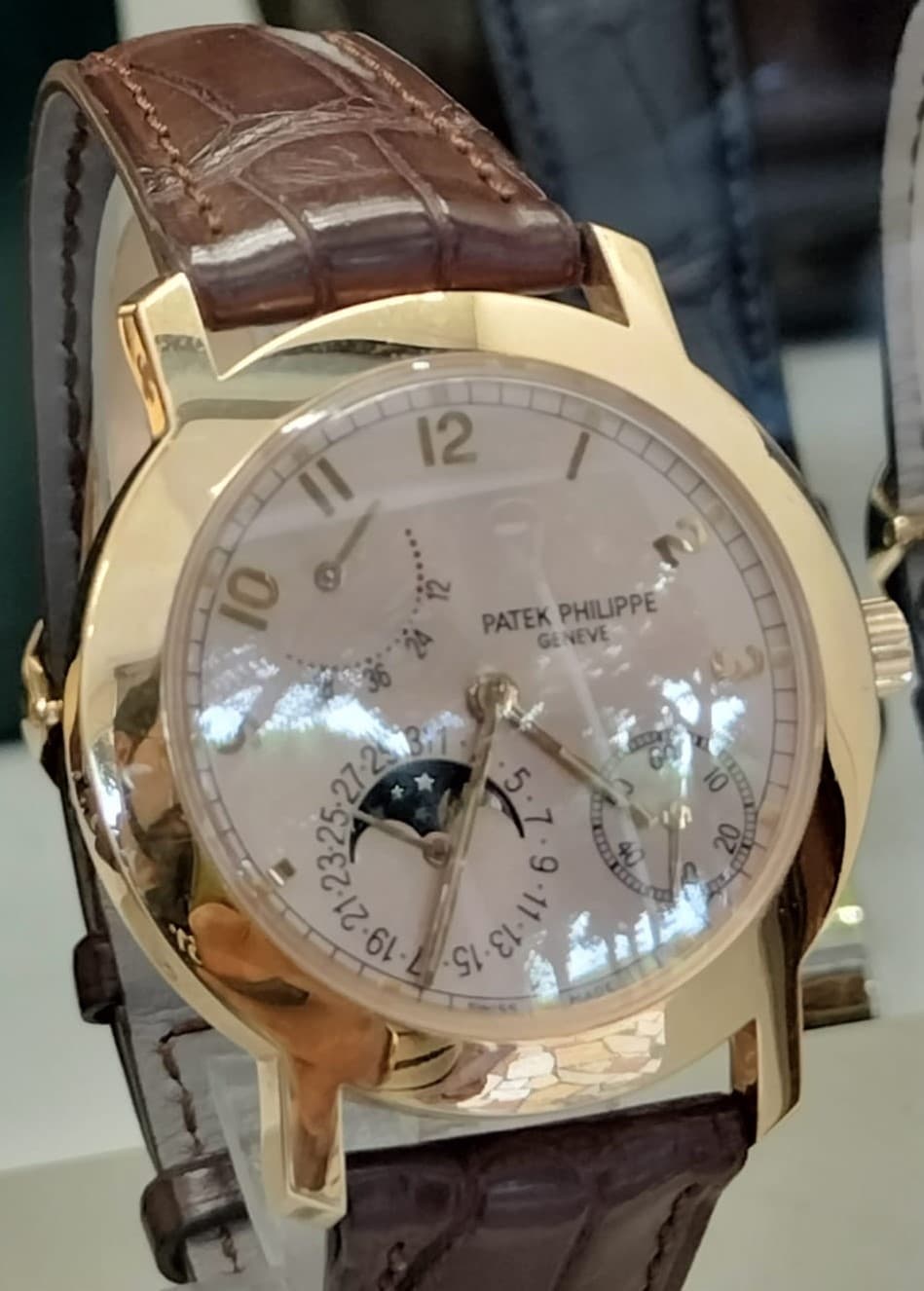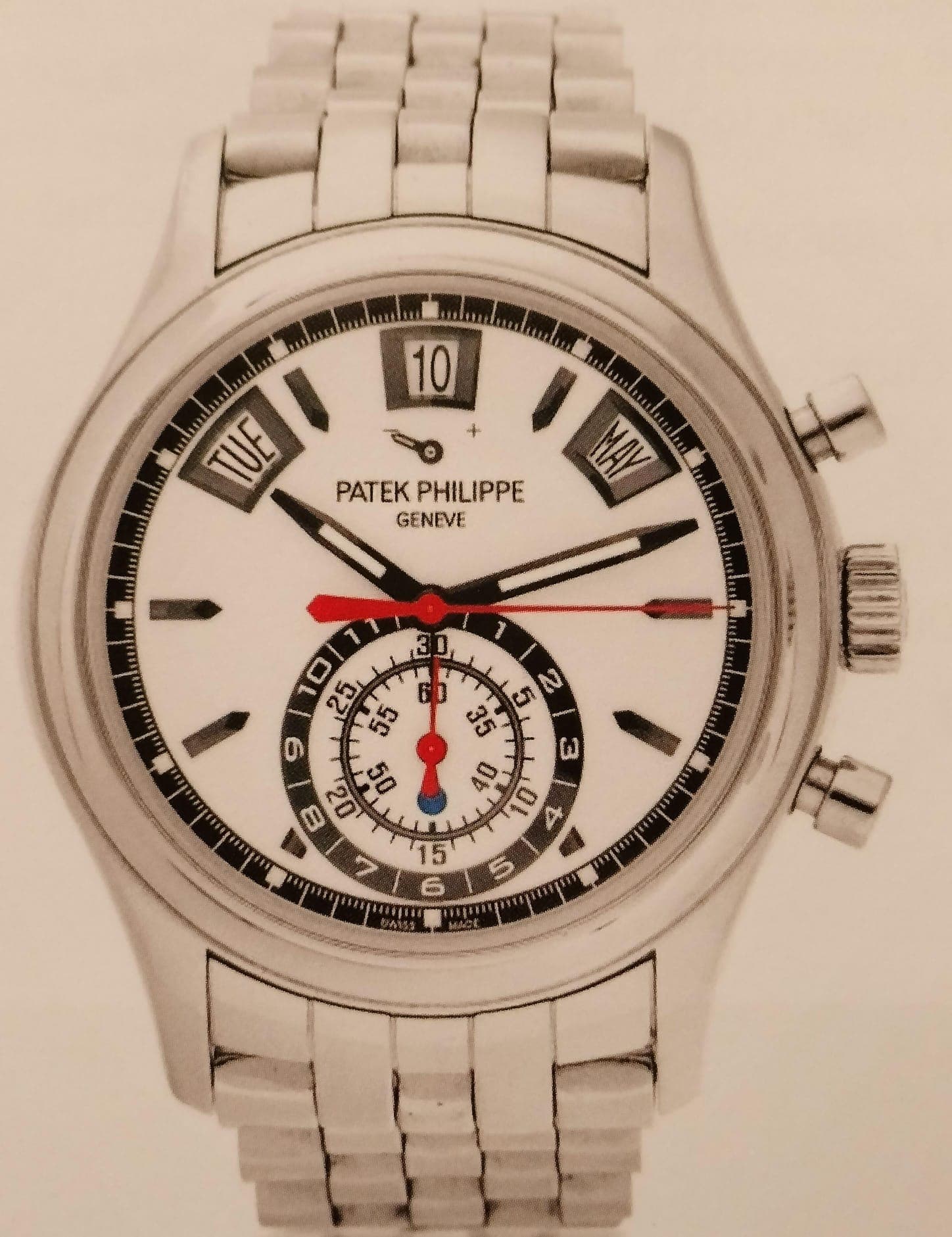
Yellow-gold watches
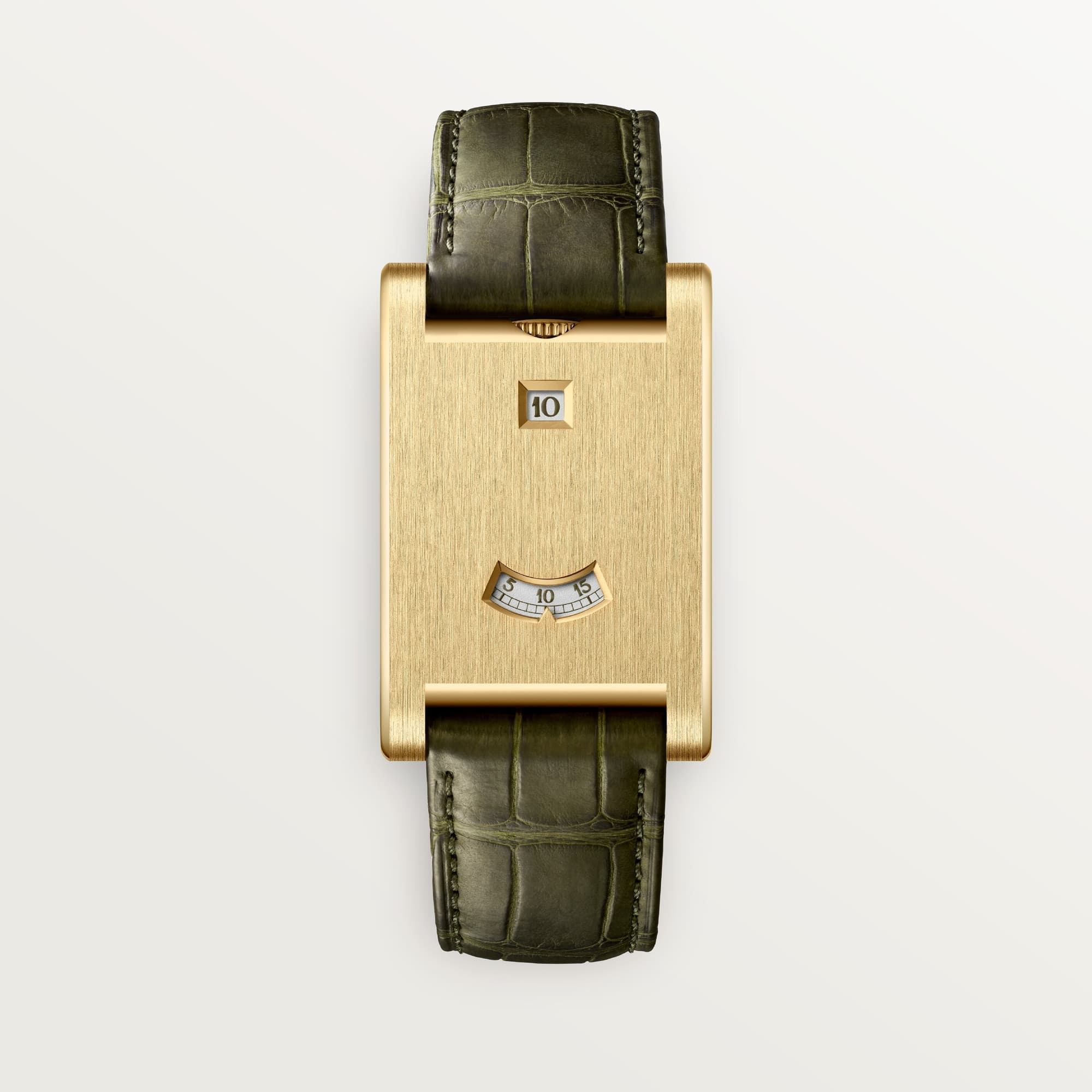
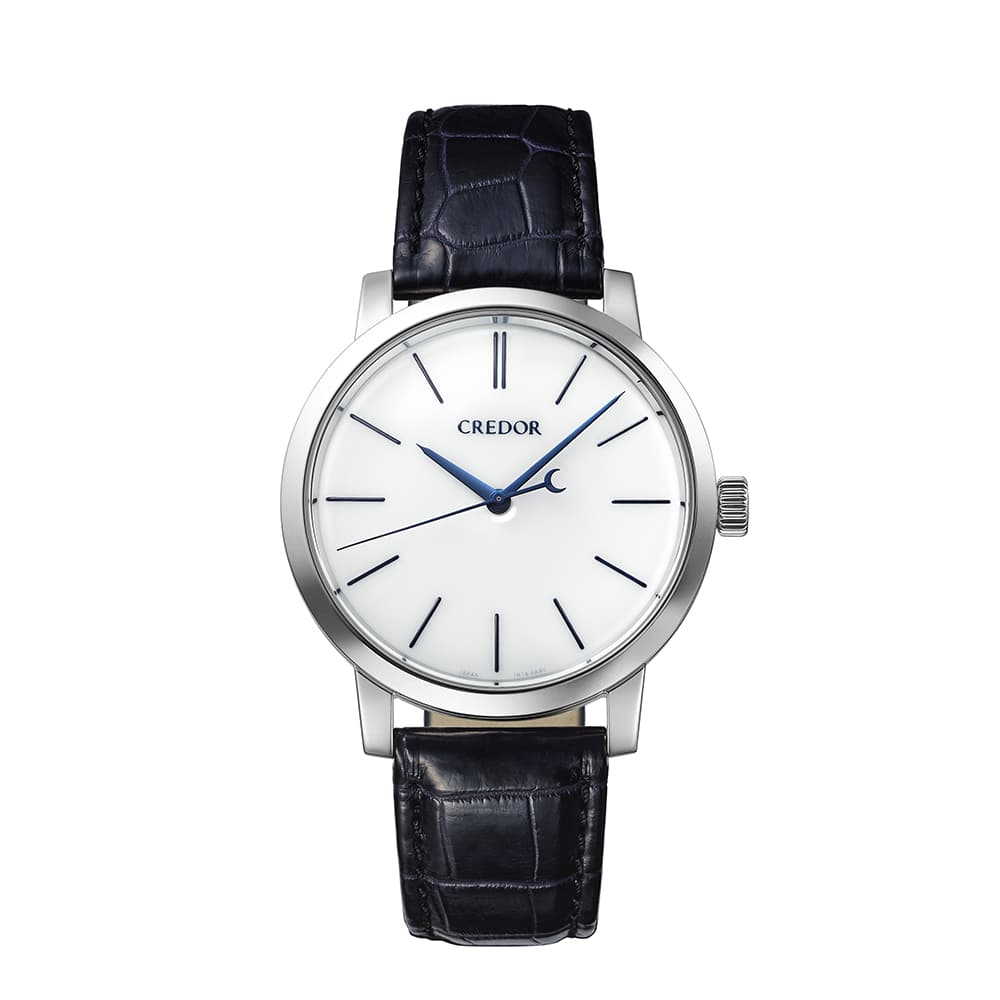
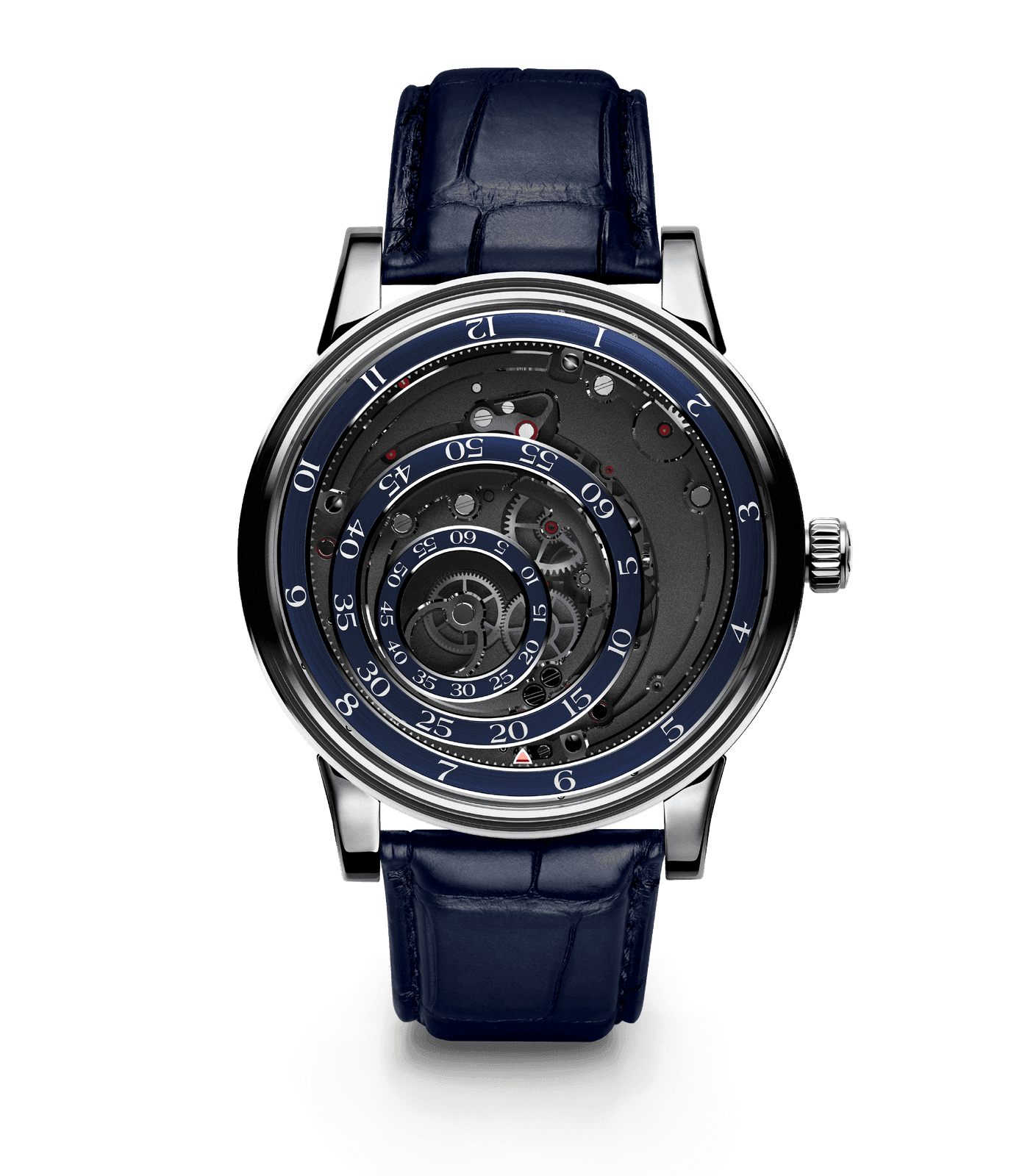
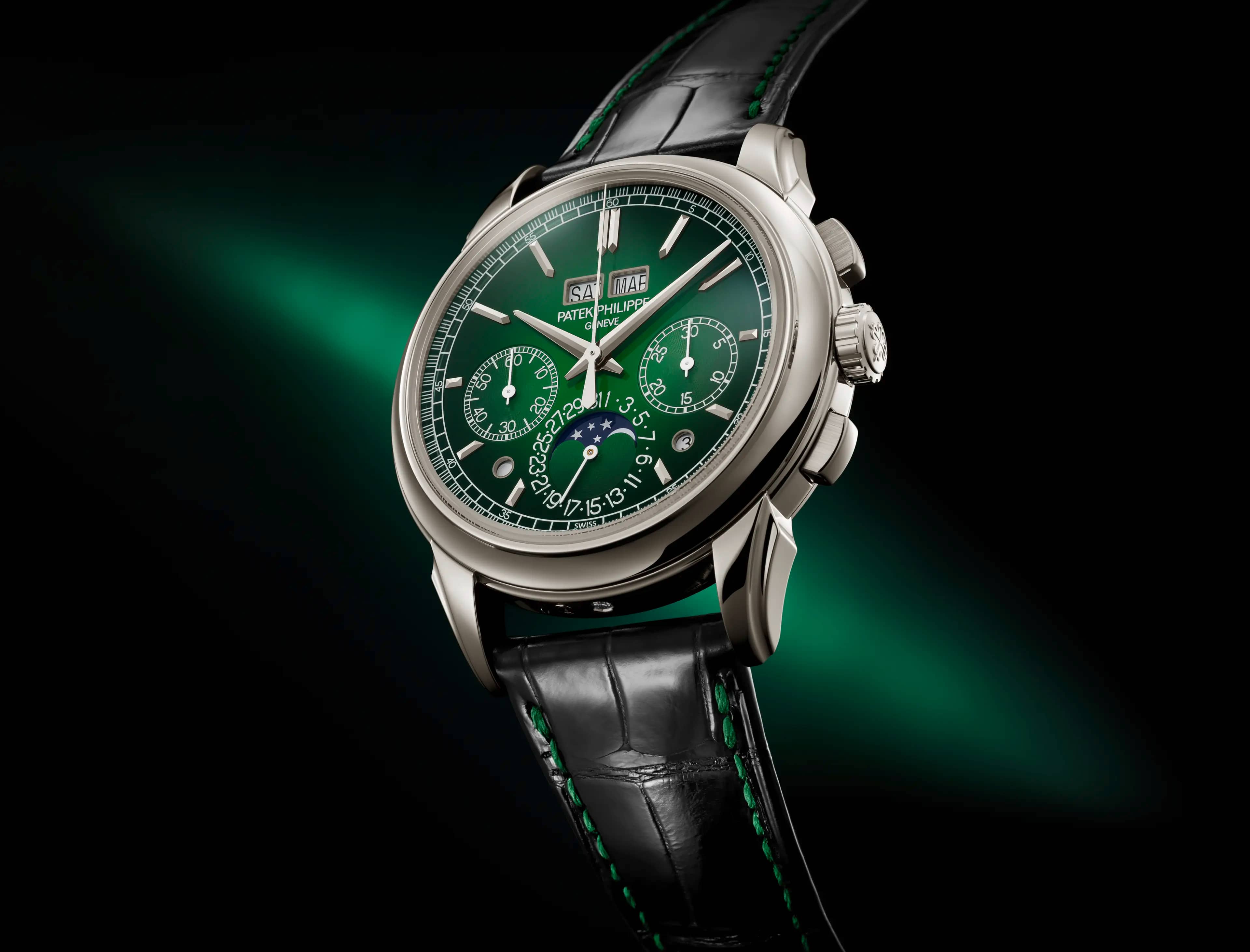
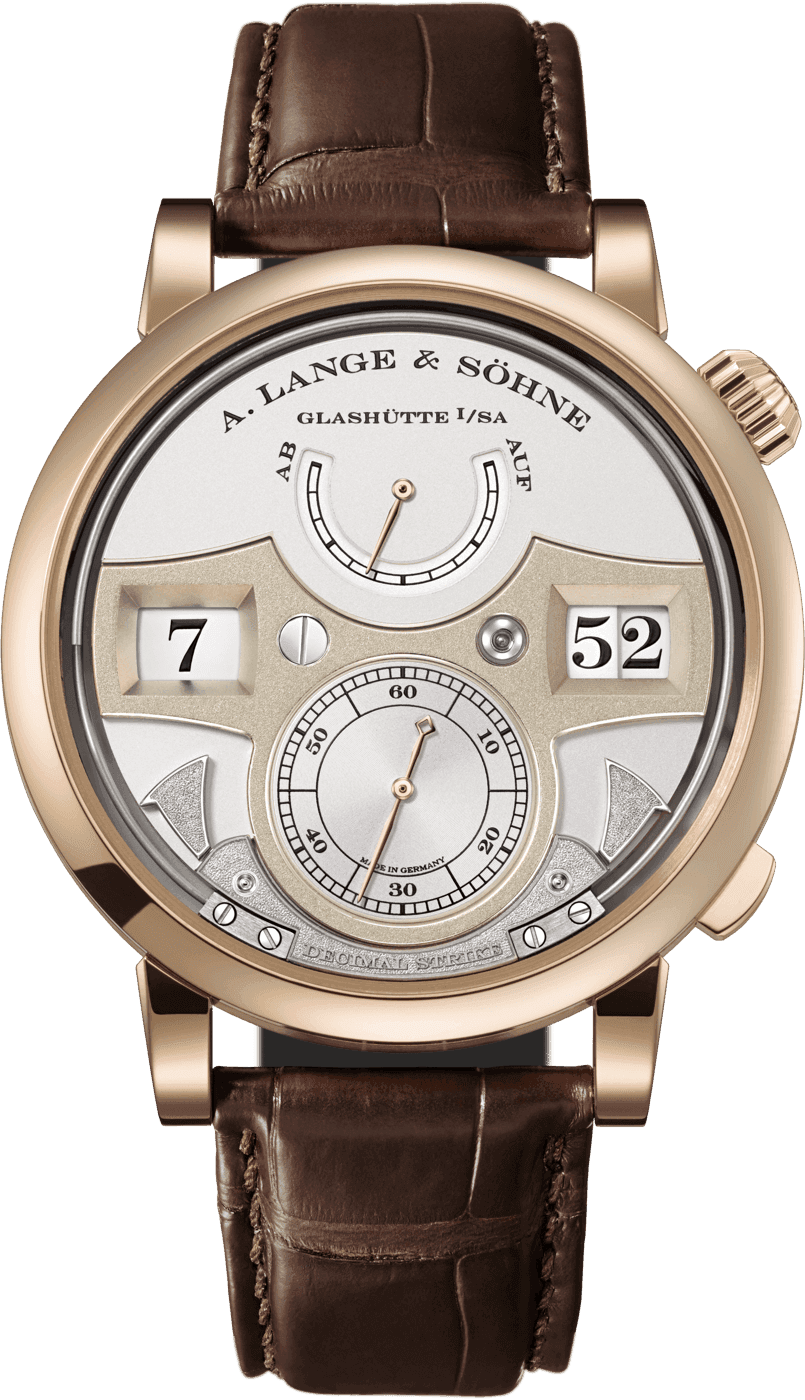
References in the Grail Atlas catalog with a gold-yellow case.
Yellow gold is the historical default for precious-metal watches and remains the highest-saturation yellow option in the case-material vocabulary. Modern watch-industry yellow gold is 18-karat (75% pure) and alloyed with copper and silver in roughly equal parts to produce the warm, slightly orange tone associated with vintage watches. The colour darkens slightly over decades from oxidation and skin contact, patina is real on a yellow gold case in a way it is not on white gold or platinum.
Notable references
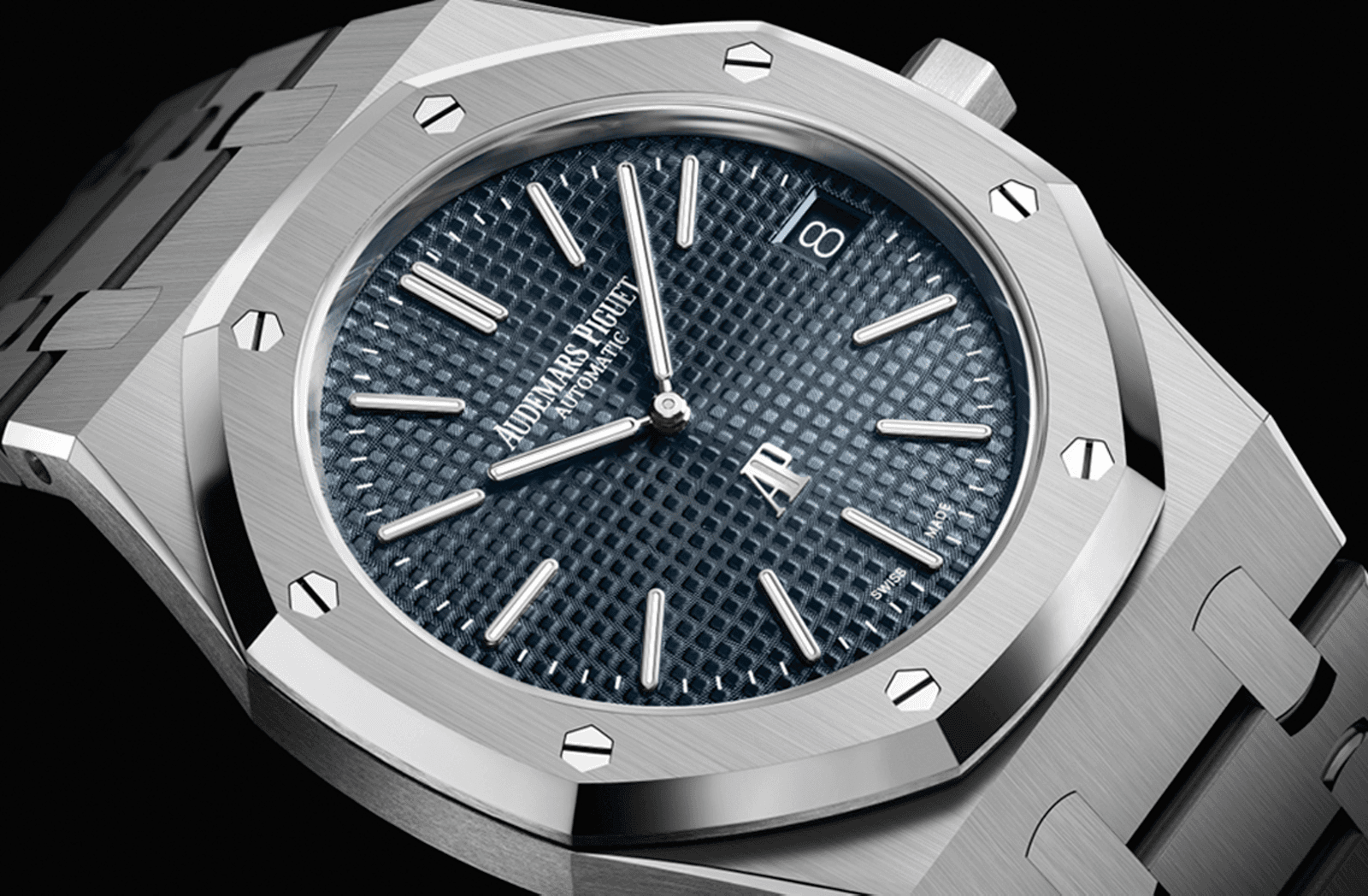
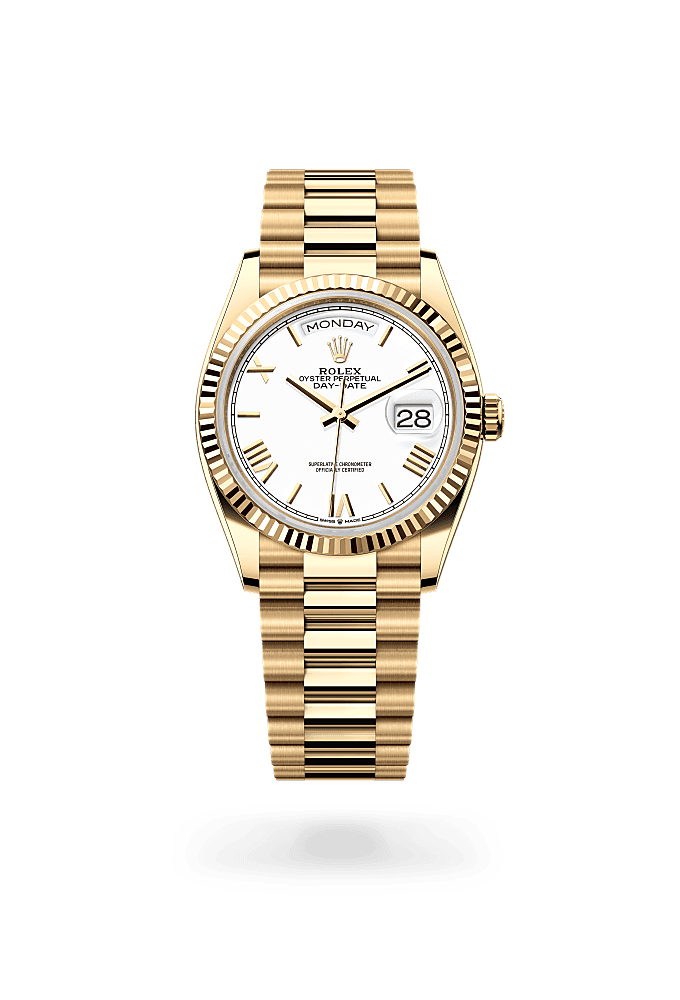
The Rolex Day-Date 228238 (40 mm yellow gold President) is the cultural canonical yellow gold watch, worn by US presidents from Johnson onward and the reference everyone visualizes when they hear "gold Rolex." The Patek Philippe Calatrava 5227J and 5212A (steel-case 5212 noted as the foil) and the Nautilus 5711/1R-001 (rose gold for comparison, the pure yellow Nautilus is rarer) anchor the dress and sport-dress ends. Audemars Piguet's Royal Oak 15202BA "Jumbo" in yellow gold and the Vacheron Constantin Overseas 4500V/000J-B196 occupy the integrated-bracelet category. Vintage yellow gold runs deep: Patek Calatrava 96, Rolex Day-Date 1803, and any number of dress references from Universal Genève and Movado.
How to shop one
The first decision is alloy temperature. Yellow gold from different brands does not look identical. Patek's yellow runs slightly cooler than Rolex's, Cartier's is warmer still, and 22-karat (rare in watches outside Roger Smith's small production) is dramatically more saturated. If you are mixing yellow gold with jewelry you already wear, see them next to each other in person before committing.
The second decision is era. Vintage yellow gold (pre-1980) is usually solid gold case but often gold-cap or gold-plated bracelet, confirm the bracelet is solid before paying solid-gold prices. Modern yellow gold watches are solid throughout, including the bracelet (which is why a Day-Date President bracelet weighs as much as some entire steel watches). Weight is the simplest authenticity test: a 40 mm solid yellow gold watch with bracelet runs 180-220 grams. Lighter is suspicious.
Common pitfalls
The biggest pitfall is dial colour pairing. Yellow gold flatters champagne, gold, and cream dials and can fight blue, green, and grey ones. Patek 5227J (silvered dial) and Day-Date 228238 (champagne) are the safe choices; aggressive coloured dials in yellow gold cases are an acquired taste and rarely the easier resale. Second pitfall: yellow gold is softer than steel and shows hairlines faster, owners who treat a yellow gold watch like a Submariner end up with a polishing bill within a year. Wear it on softer-cuff days. Third: the second-hand market for yellow gold watches is thinner than for steel, buyers in their 30s and 40s skew white-metal and rose gold, so a vintage yellow gold piece often trades at a discount to a comparable rose or platinum reference. That can be a buying opportunity or a holding-period concern depending on your intent.