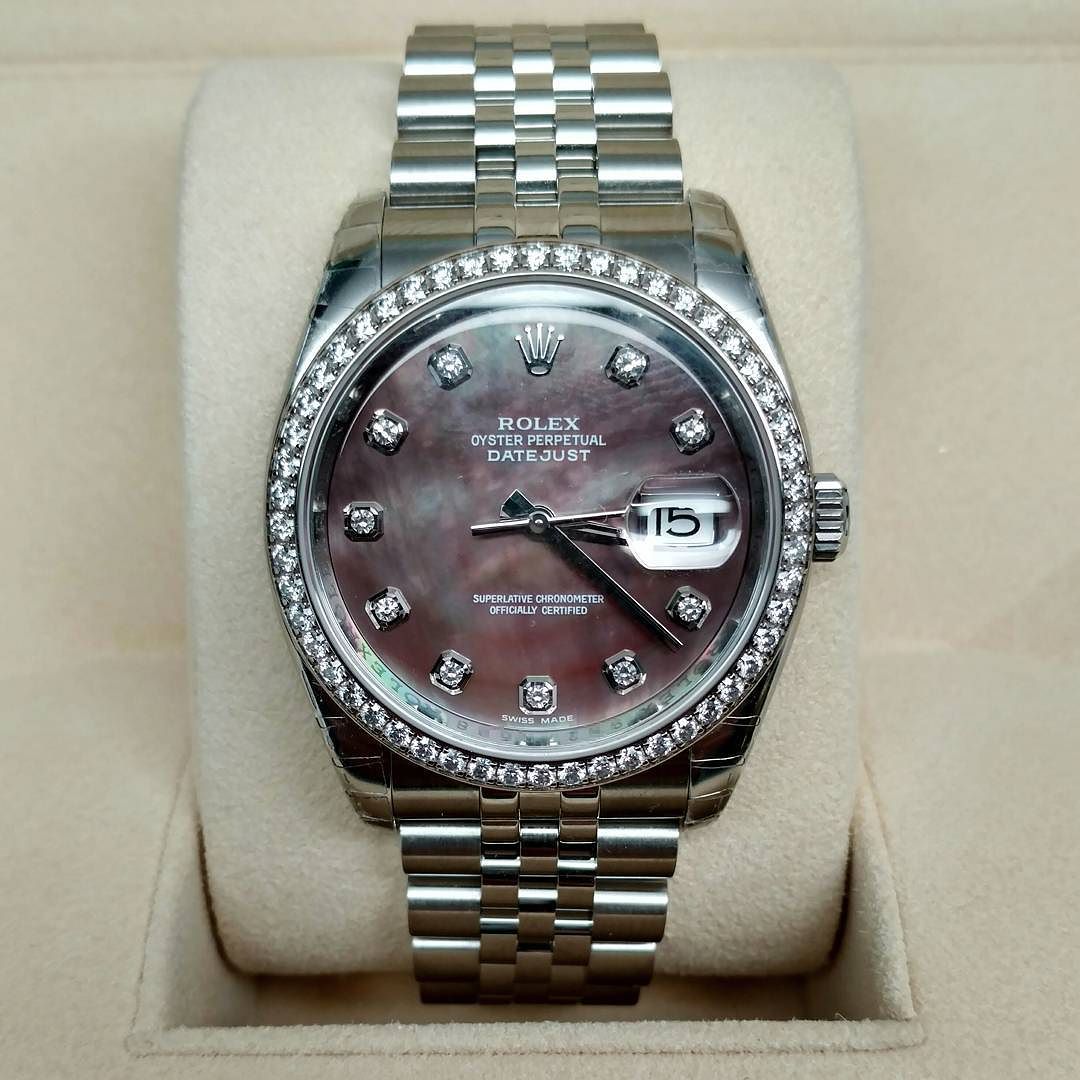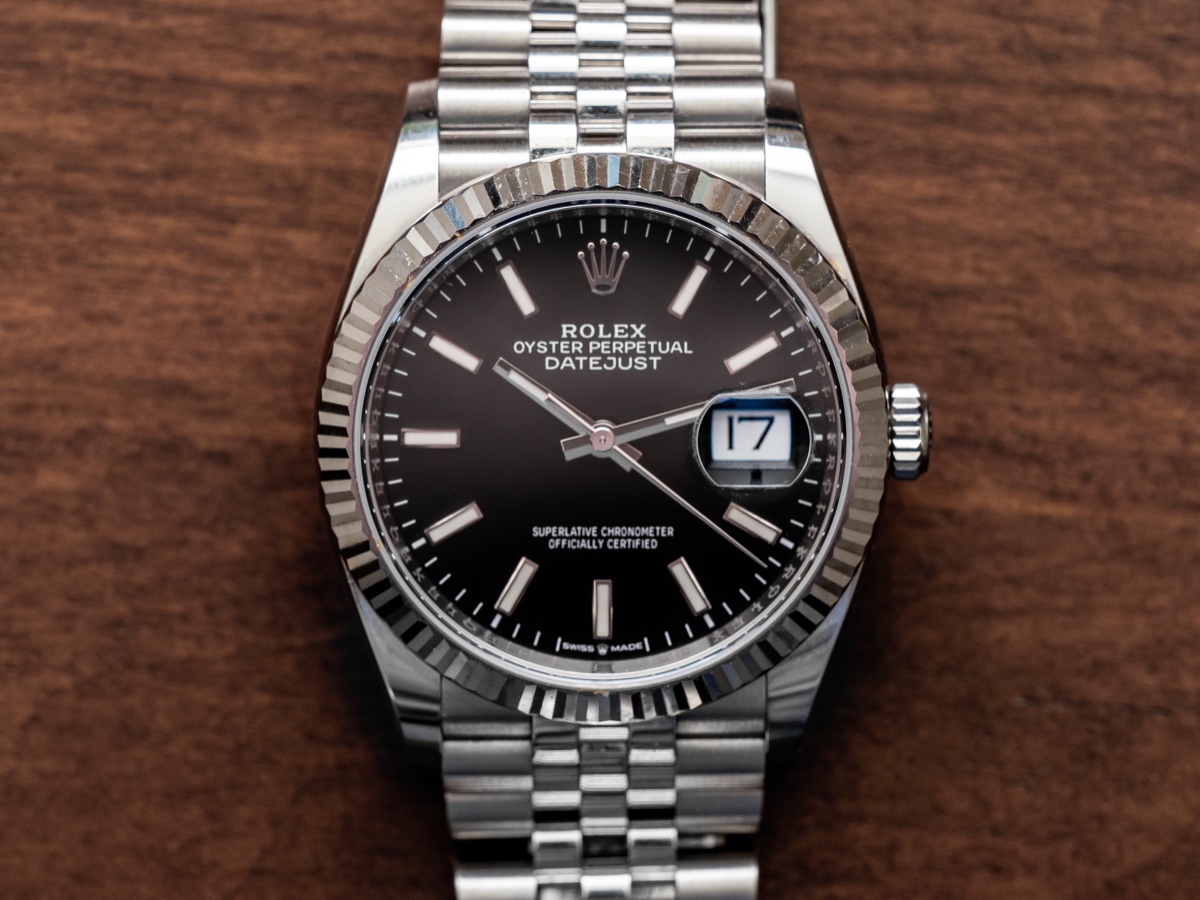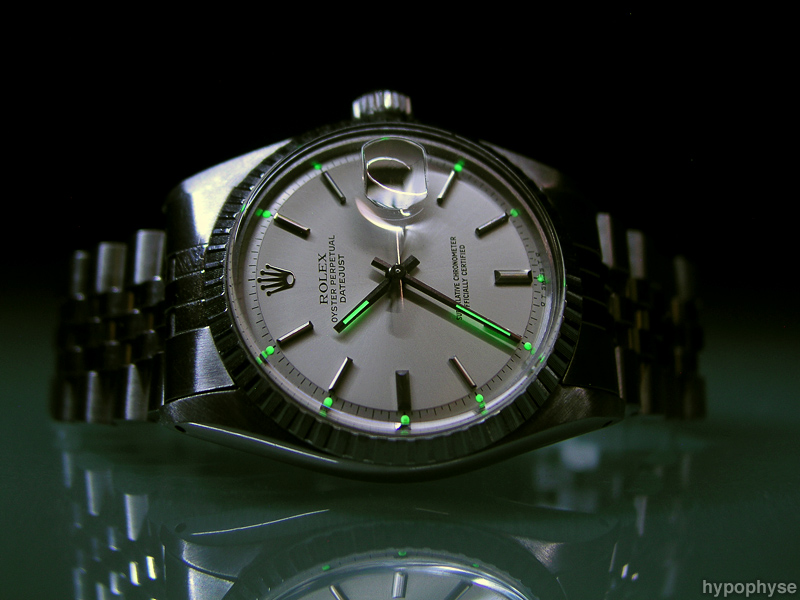
Originality matters on this reference. An original dial and hands command a significant premium. Service replacements typically trade at a 20-40% discount to original examples.
Live pricing is coming soon. Get notified when it is available for this reference.
Community + OSINT signals haven’t landed for this reference yet. We don’t publish a rating against zero signal: the number would mean nothing. Editorial body + caliber + market value still surface above; ratings appear once the signal corpus does.
Vintage 1601 dial originality and appropriate aging are the primary value drivers; tropical dials require UV inspection to verify genuine aging.
| Area | What to check | What is correct | Red flag |
|---|---|---|---|
| dial | Dial aging and originality | Aging appropriate to stated production year; tropical aging (if present) shows non-uniform oxidation pattern consistent with organic aging | Chemically induced tropical aging is uniform; any dial that appears freshly lacquered on a 50+ year old case |
| dial | UV light inspection of tropical aging | Under UV light, genuine tropical aging shows variation in depth across the dial surface; the aging pattern is three-dimensional | Under UV light, chemically treated dials show flat, uniform response; artificial aging has no depth variation |
| caseback | Cal. 1570 movement | Cal. 1570 with period-correct service history; movement components consistent with vintage production | Modern movement in a vintage case; service components clearly newer than the case vintage |
The 1601 ran from 1960 to 1978 on Cal. 1570 and offered the widest range of dial configurations of any Rolex at the time. Dial authenticity is the central value question: exotic and unusual dials command significant premiums, service dial substitutions are common, and the price point does not justify sophisticated outright fakes.