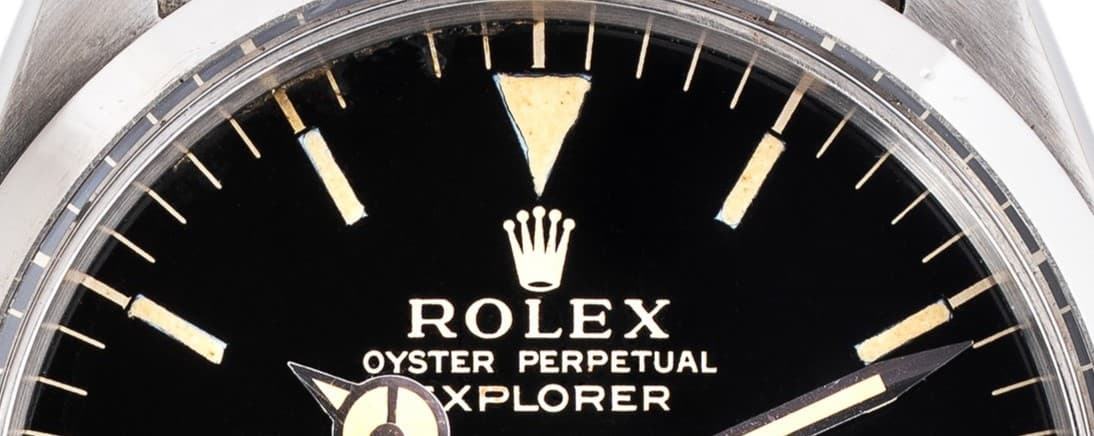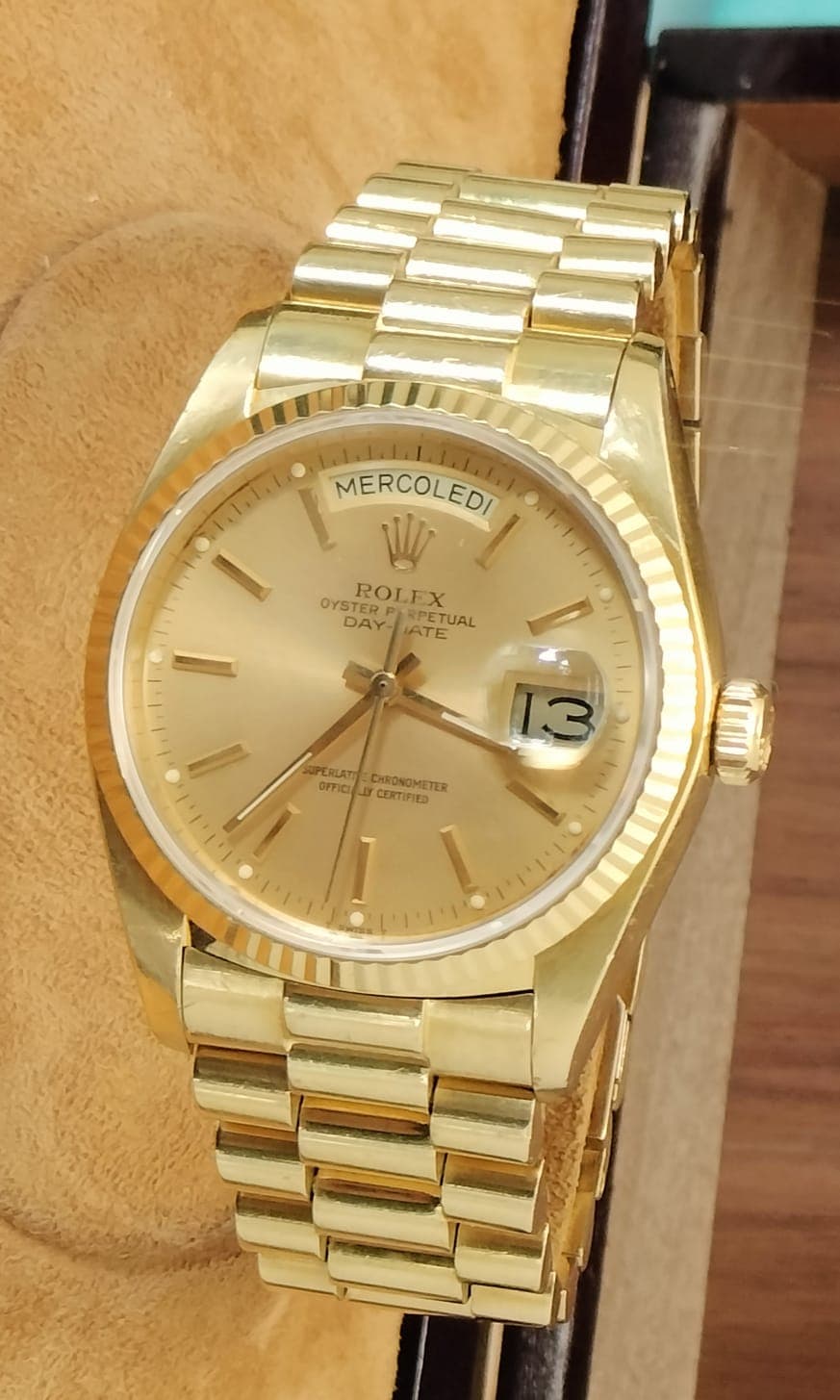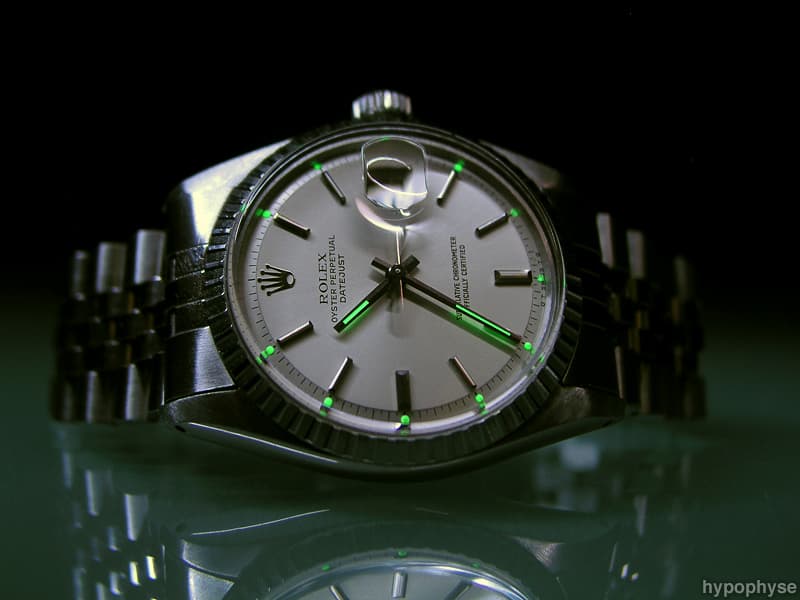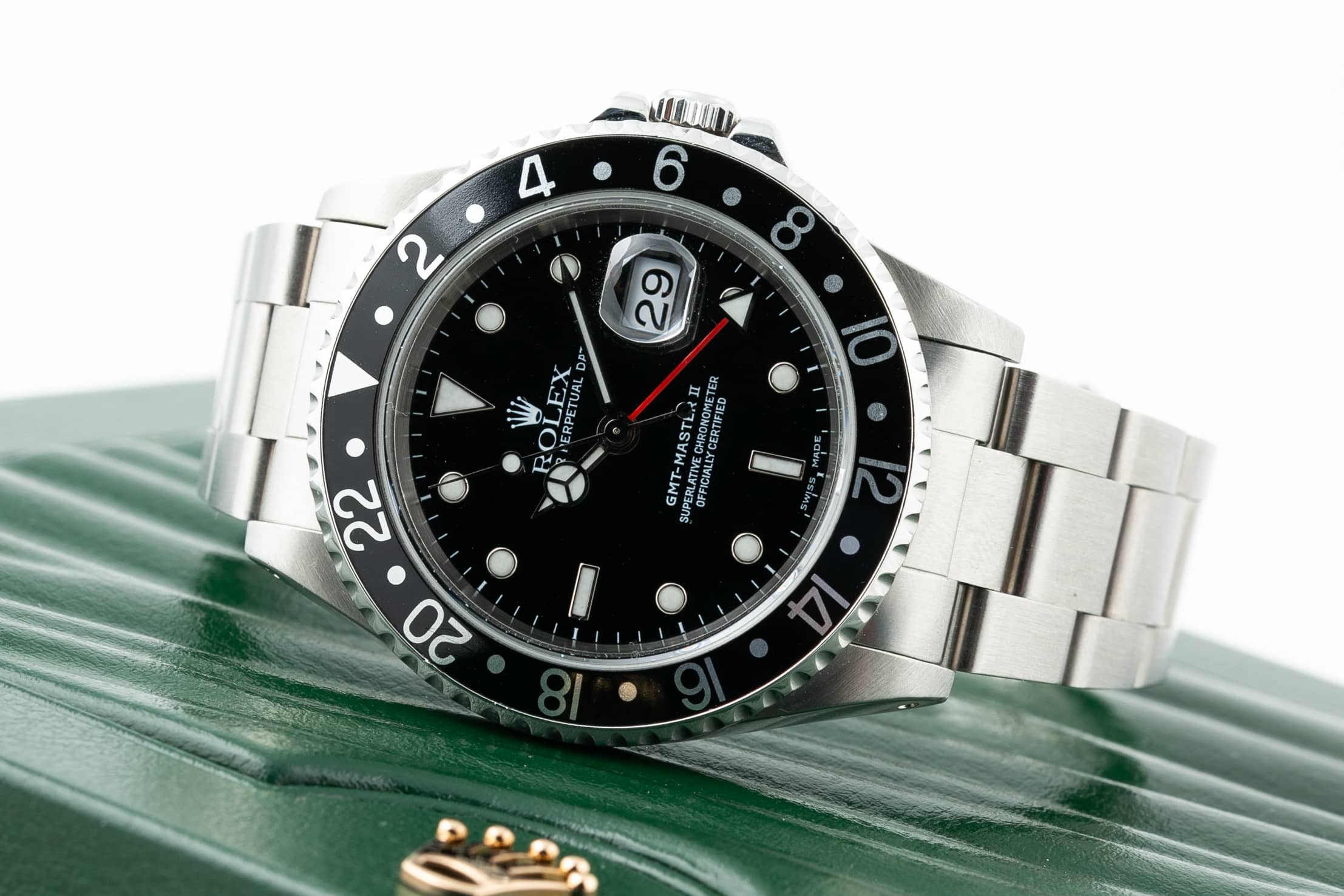
Acrylic / Hesalite-crystal watches
References in the Grail Atlas catalog with this crystal material above the dial.
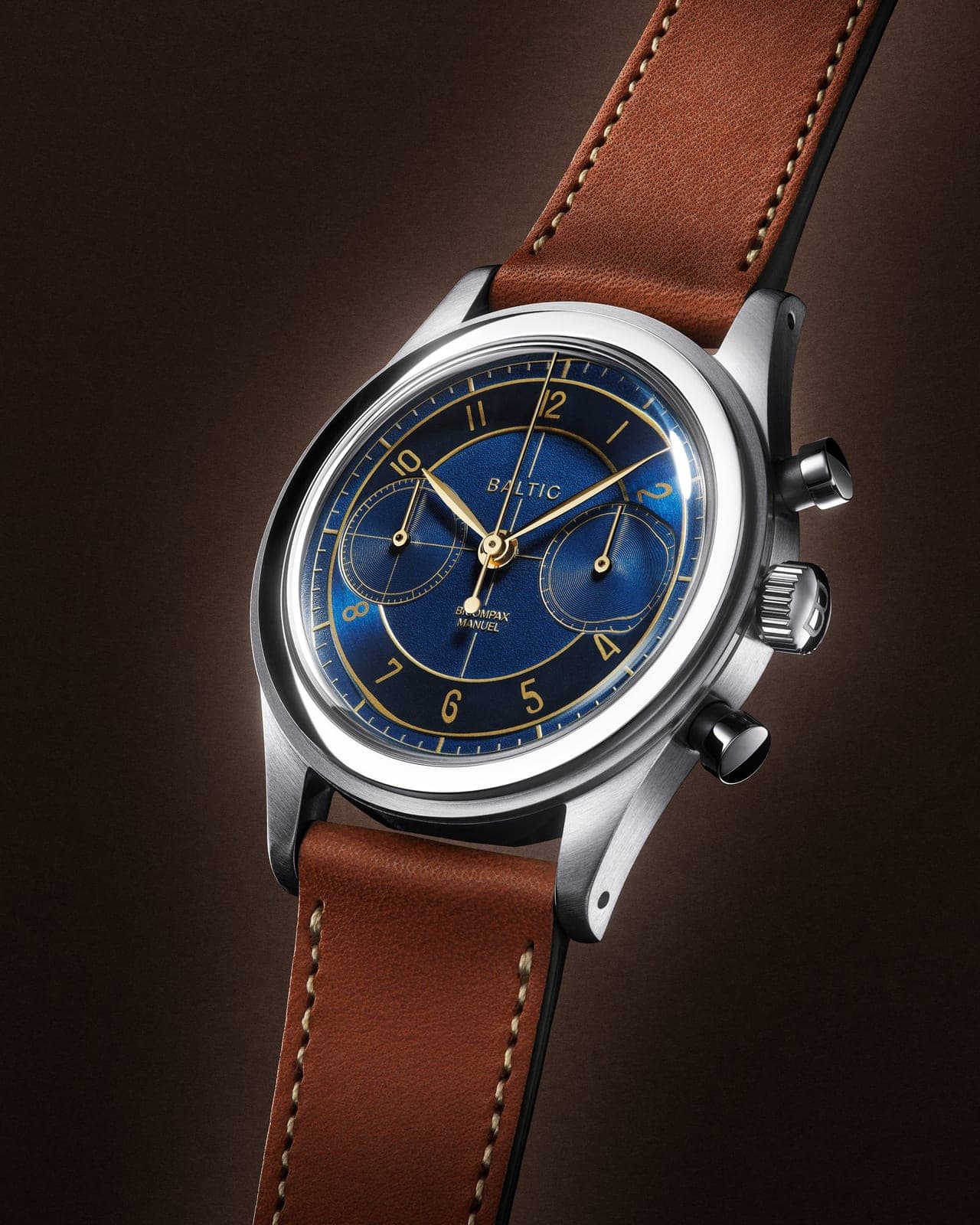
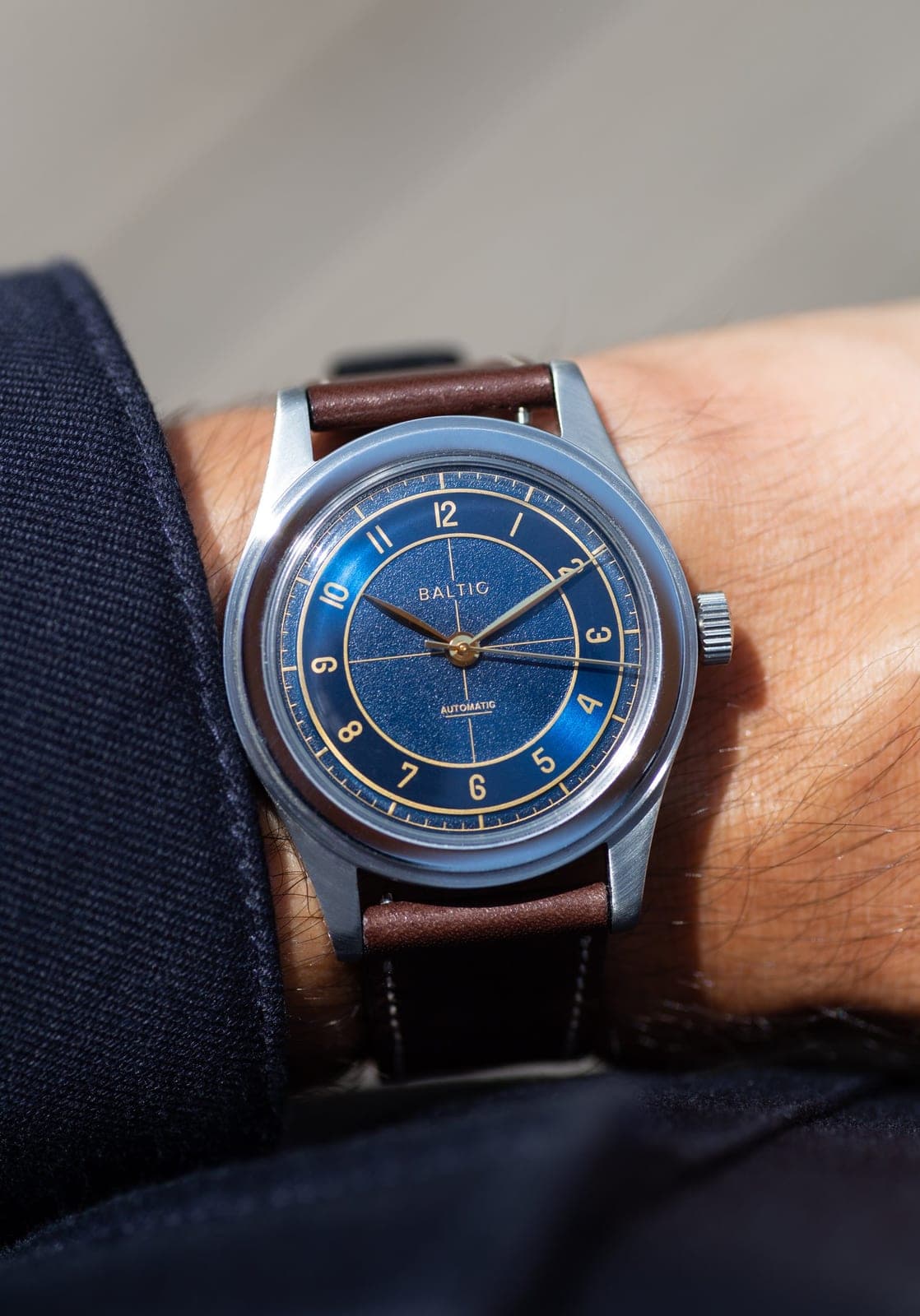
Acrylic crystals (also called Hesalite, Plexiglas, or simply "plastic") are the original wristwatch crystal material and remain in production on a small but iconic set of references. The two arguments for acrylic in 2026 are vintage authenticity and impact behavior: acrylic absorbs impacts that would shatter sapphire, and minor scratches polish out with Polywatch in five minutes. The argument against is daily scratching, acrylic shows hairlines from cuff contact and casual desk wear in a way sapphire never will.
Notable references
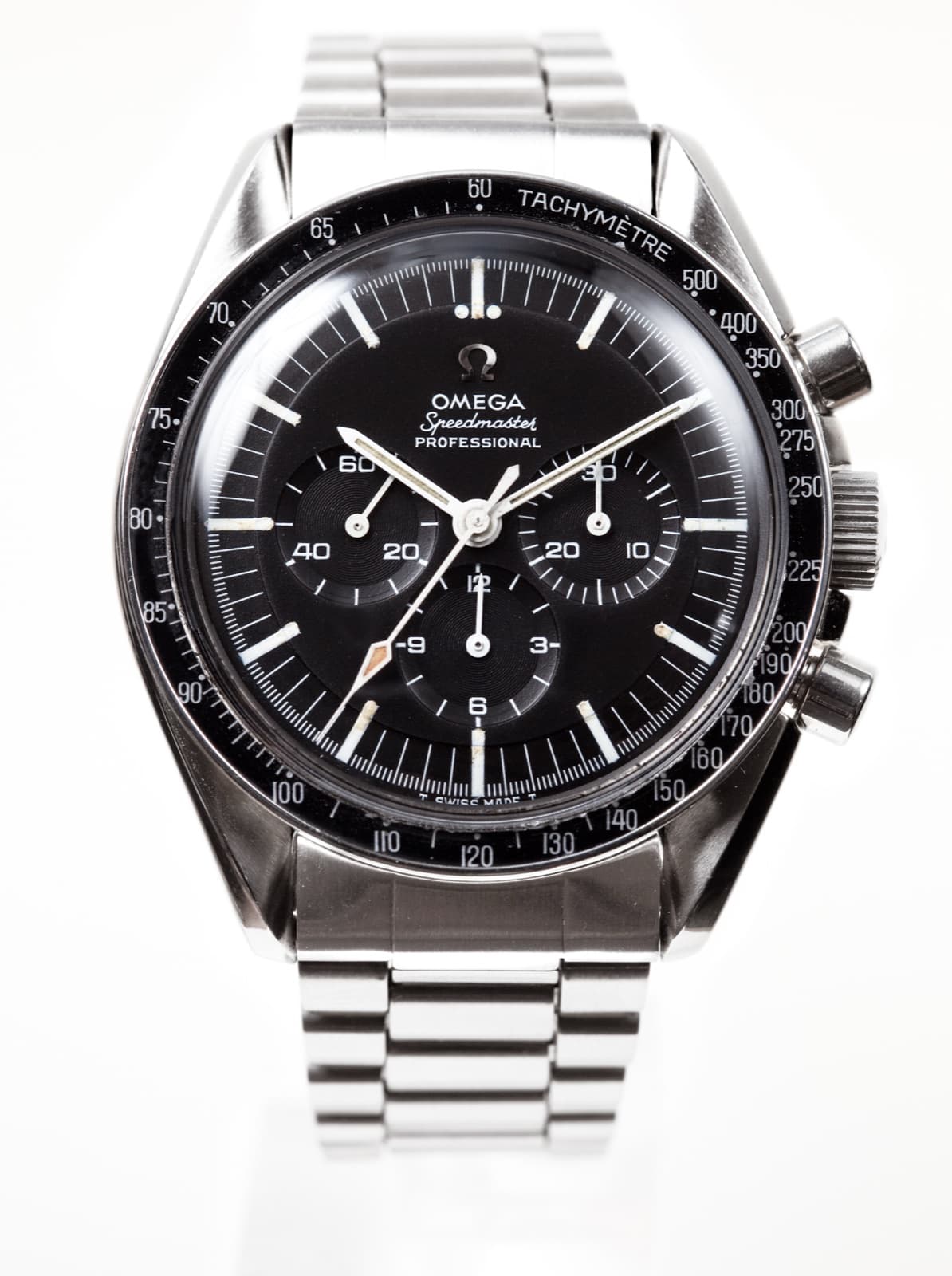
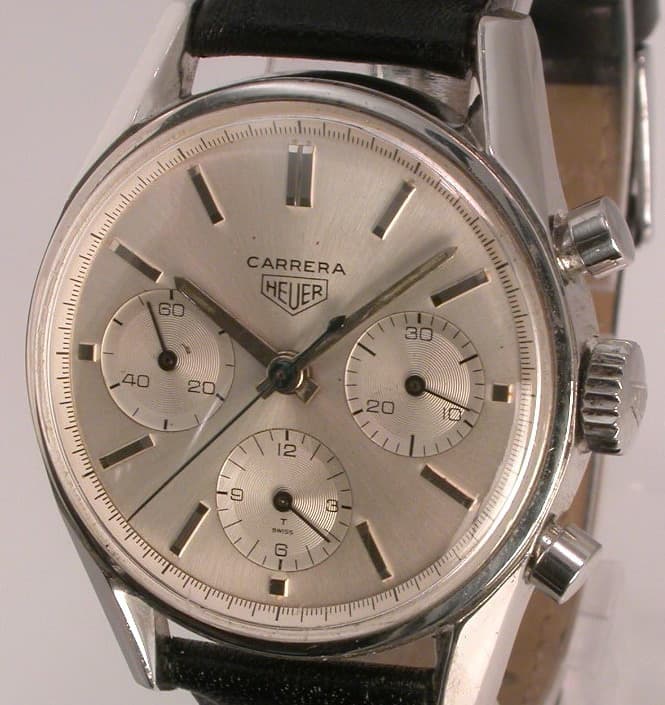
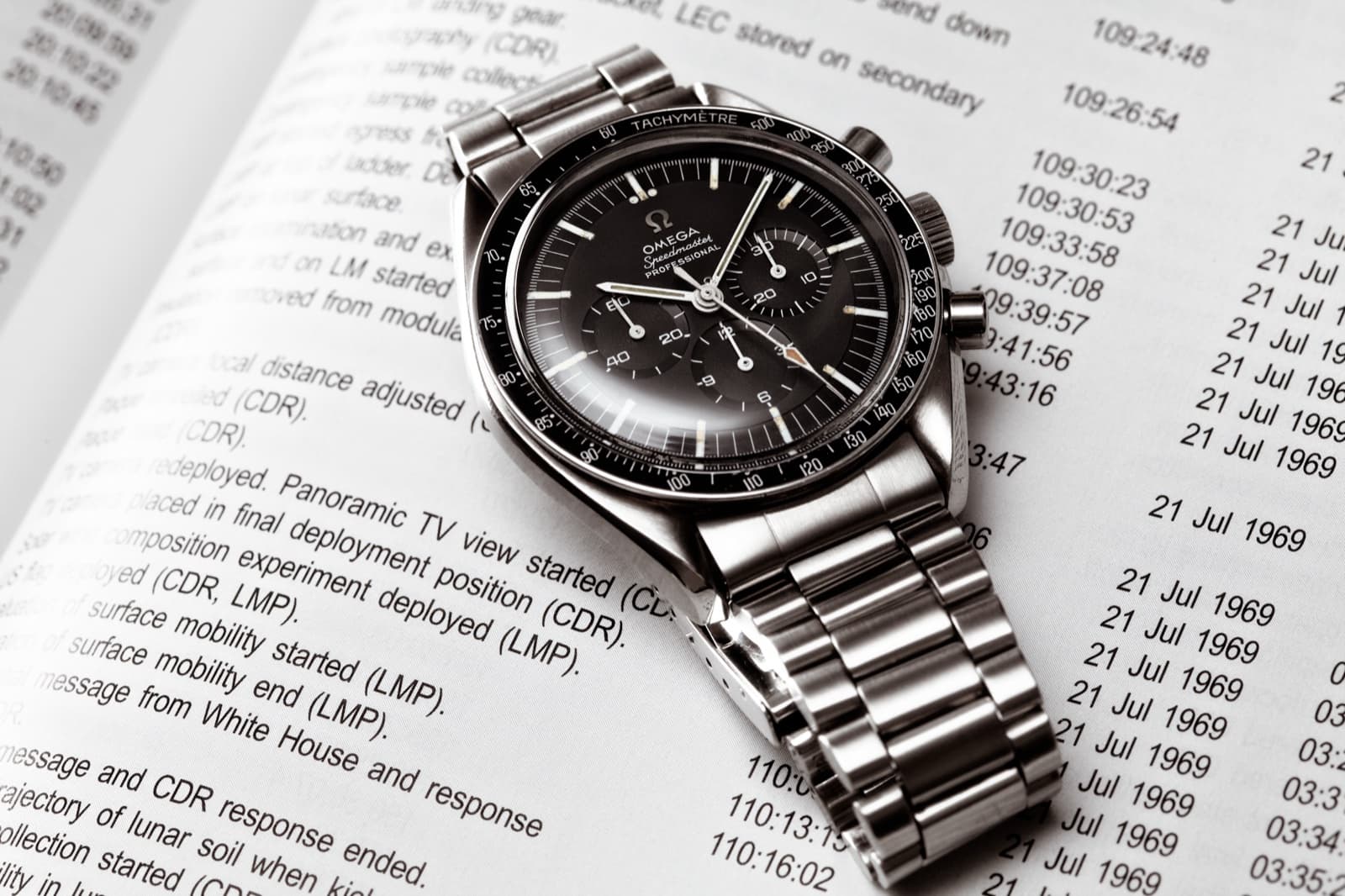
The Omega Speedmaster Professional Moonwatch 310.30.42.50.01.001 is the canonical modern acrylic crystal. Hesalite per NASA spec, retained on the standard Moonwatch (the sapphire-crystal "Sapphire Sandwich" is the alternate reference). The Tudor Black Bay 58 uses sapphire, but its older Submariner forebears used acrylic. The Rolex Submariner 5513 (1962-1989) and Daytona 6263 (1971-1988) are the vintage references that defined the look. Modern Cartier Tank Must and the Casio F-91W (yes, the $15 digital, sold by the hundred million) use acrylic. Acrylic is also the standard on most vintage Heuer, Universal Genève, and Longines chronographs from before 1985.
How to shop one
Decide first whether you want acrylic for the look (warm, slightly amber under aging, the chromatic edge halo from the domed profile) or for the functional behavior (impact absorbing, easy field repair, no AR-coating wear). Both are valid. If you are buying a vintage piece, the crystal is almost certainly acrylic and a previous owner has almost certainly already replaced it once, generic replacement crystals are mostly fine but case-specific (Rolex Tropic 19, Speedmaster T-19) reproductions are noticeably better quality.
Maintenance is the part most new buyers underestimate. A daily-worn acrylic crystal will accumulate hairlines weekly; a polish with Polywatch (or a Polywatch equivalent, cerium oxide compound) restores it in ten minutes. Heavy scratches can be sanded out with progressive grits of sandpaper and then re-polished. Owners who polish their crystal monthly love it; owners who hate the appearance of any wear find acrylic exhausting.
Common pitfalls
The first pitfall is over-polishing. Each polish removes microns of material; aggressive monthly polishing will eventually thin the crystal enough to compromise the gasket interface. Light polishing 3-4 times a year is the right cadence. Second pitfall: aftermarket "anti-glare" coatings for acrylic do not exist in any durable form, the AR you may have seen on a vintage Speedmaster is original Omega coating and it will wear off. Third: Hesalite vs. acrylic is a marketing distinction more than a material one, both are PMMA. Omega calls theirs Hesalite; Casio calls theirs acrylic; they polish identically. Fourth: domed acrylic crystals refract heavily at the edges. The dial will look "smaller" through the edge than its dimensions suggest. This is the Speedmaster look; it is also the reason some buyers prefer the sapphire-crystal version.