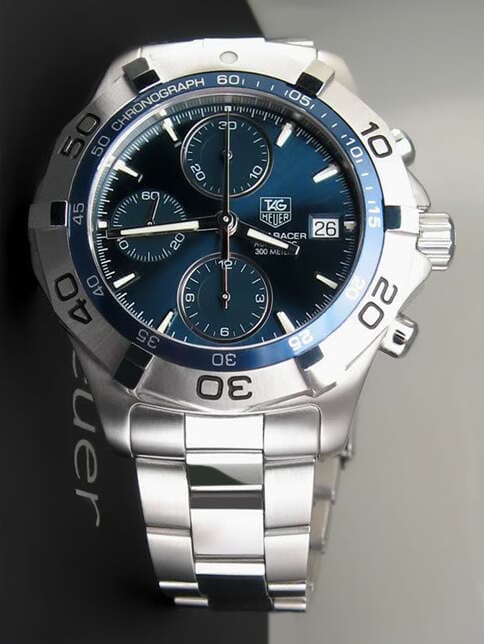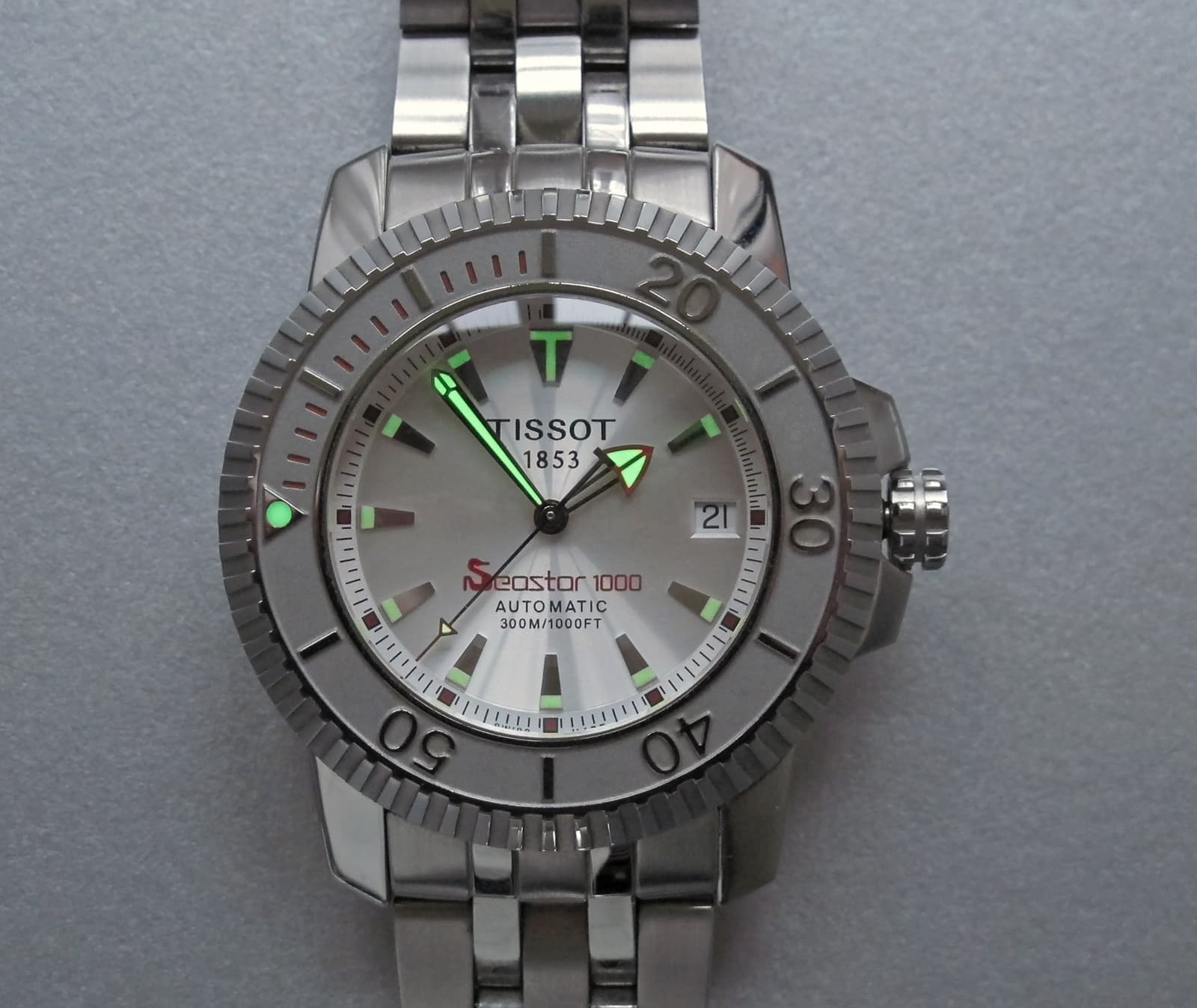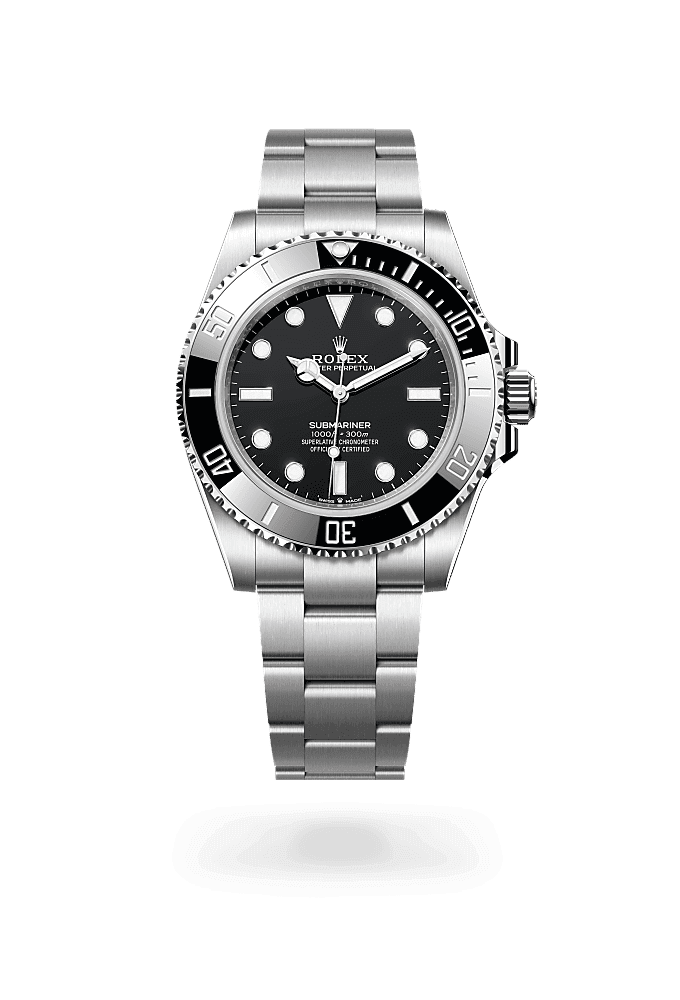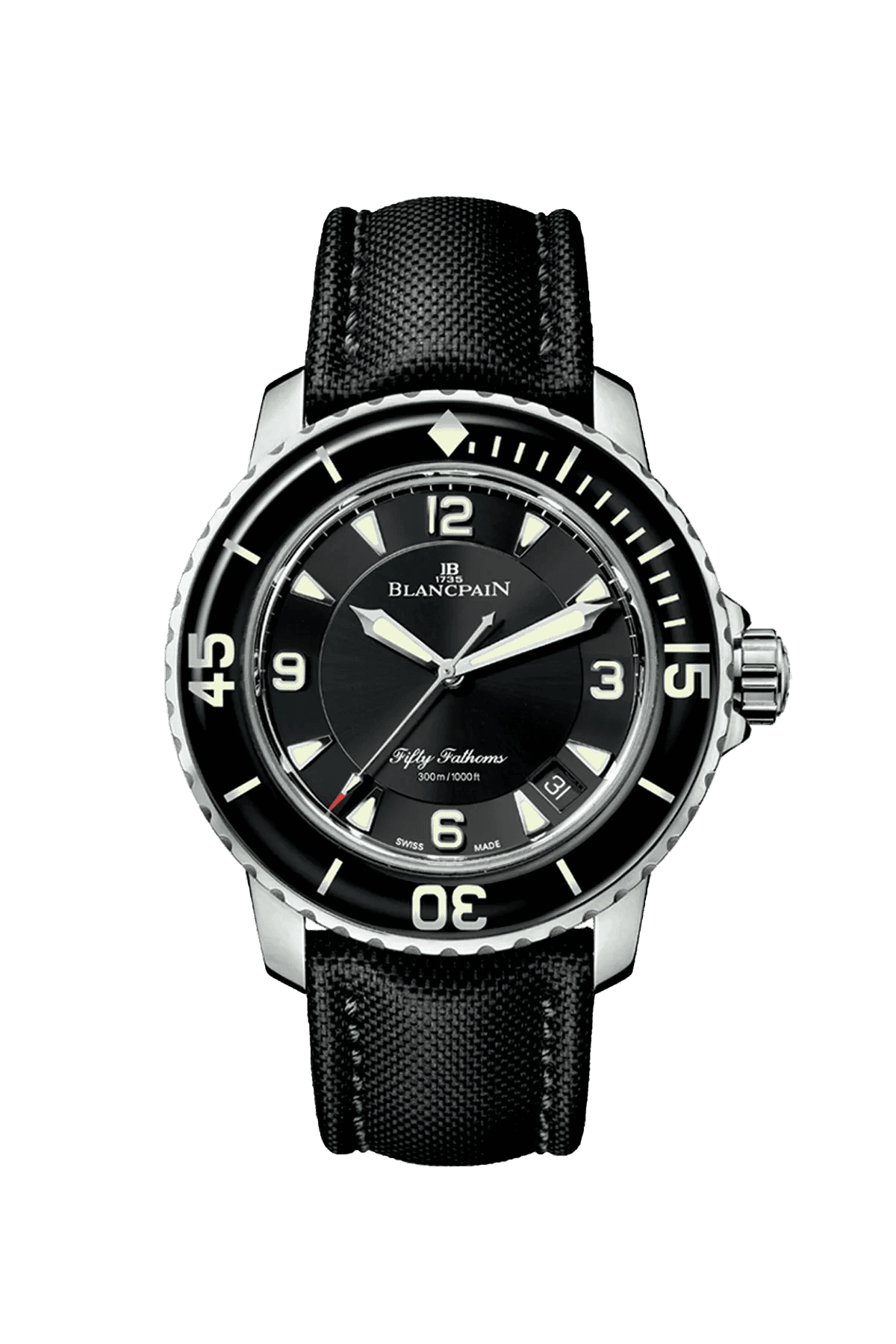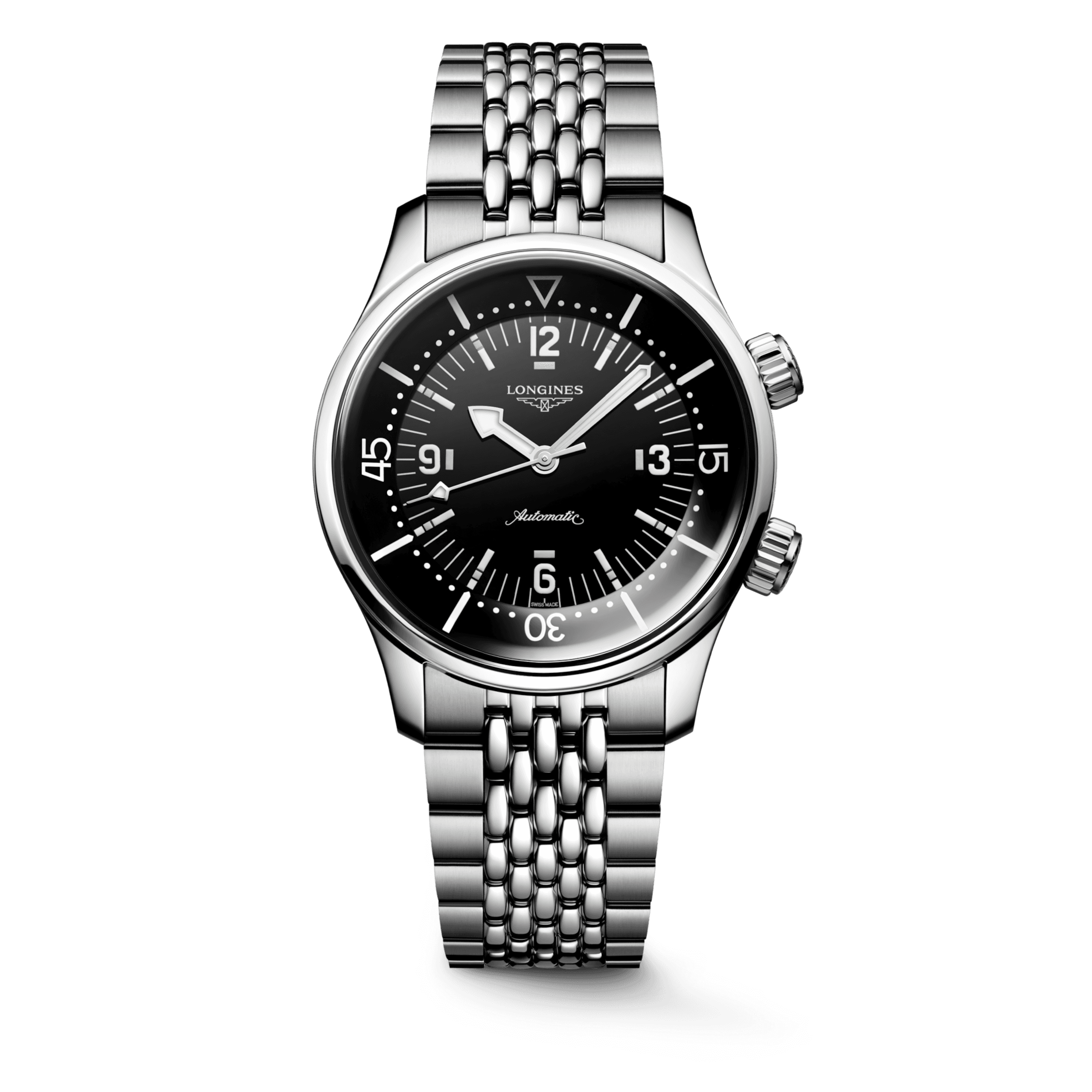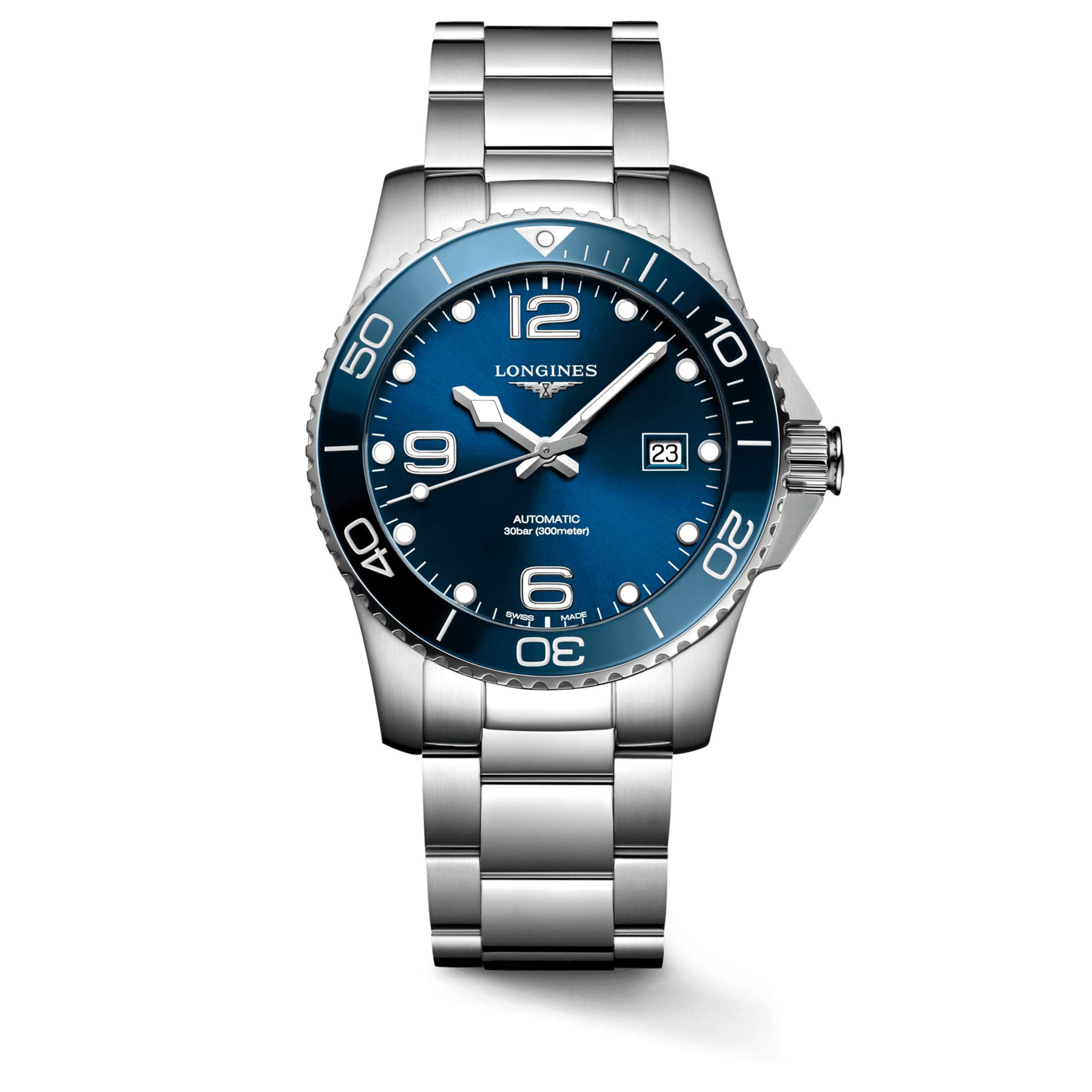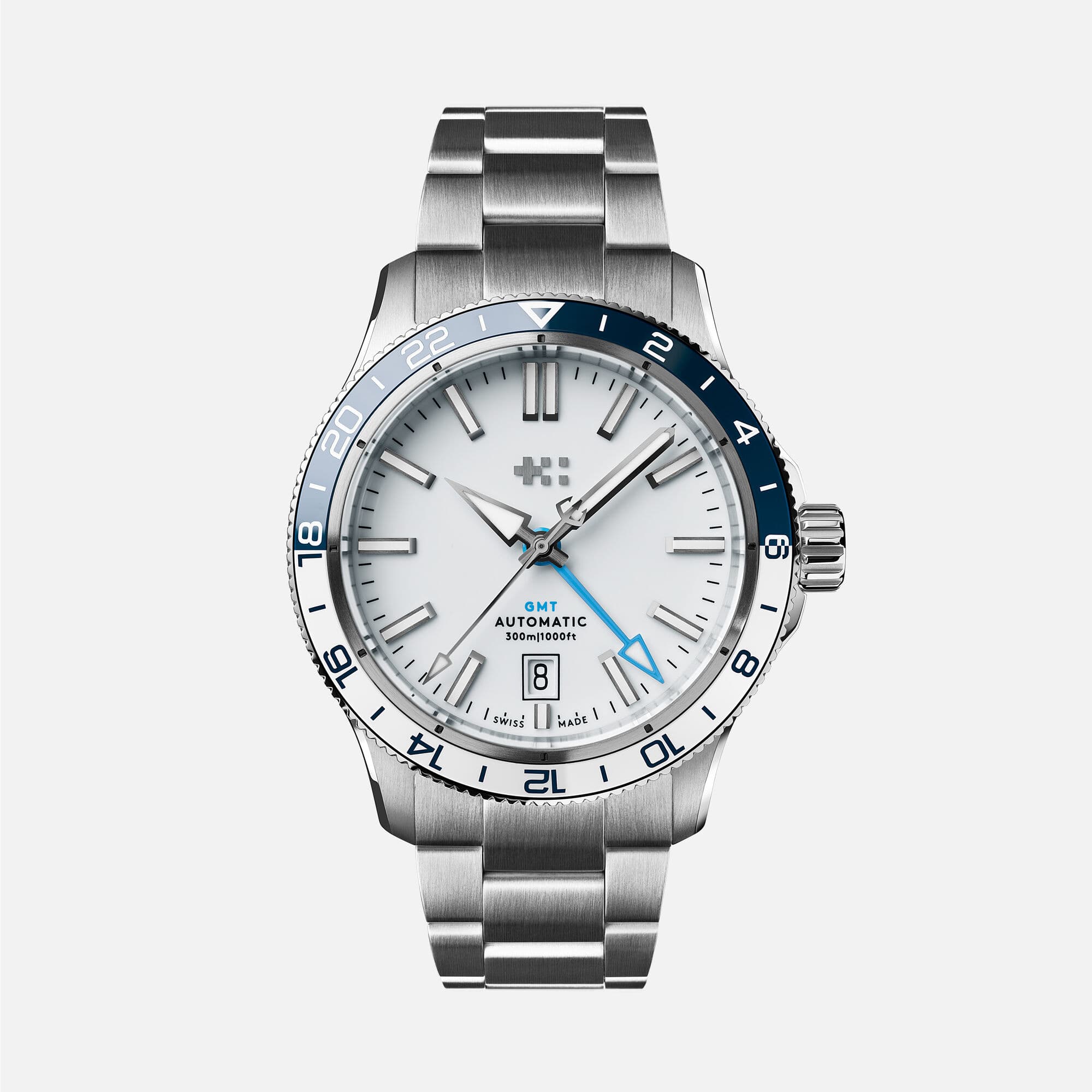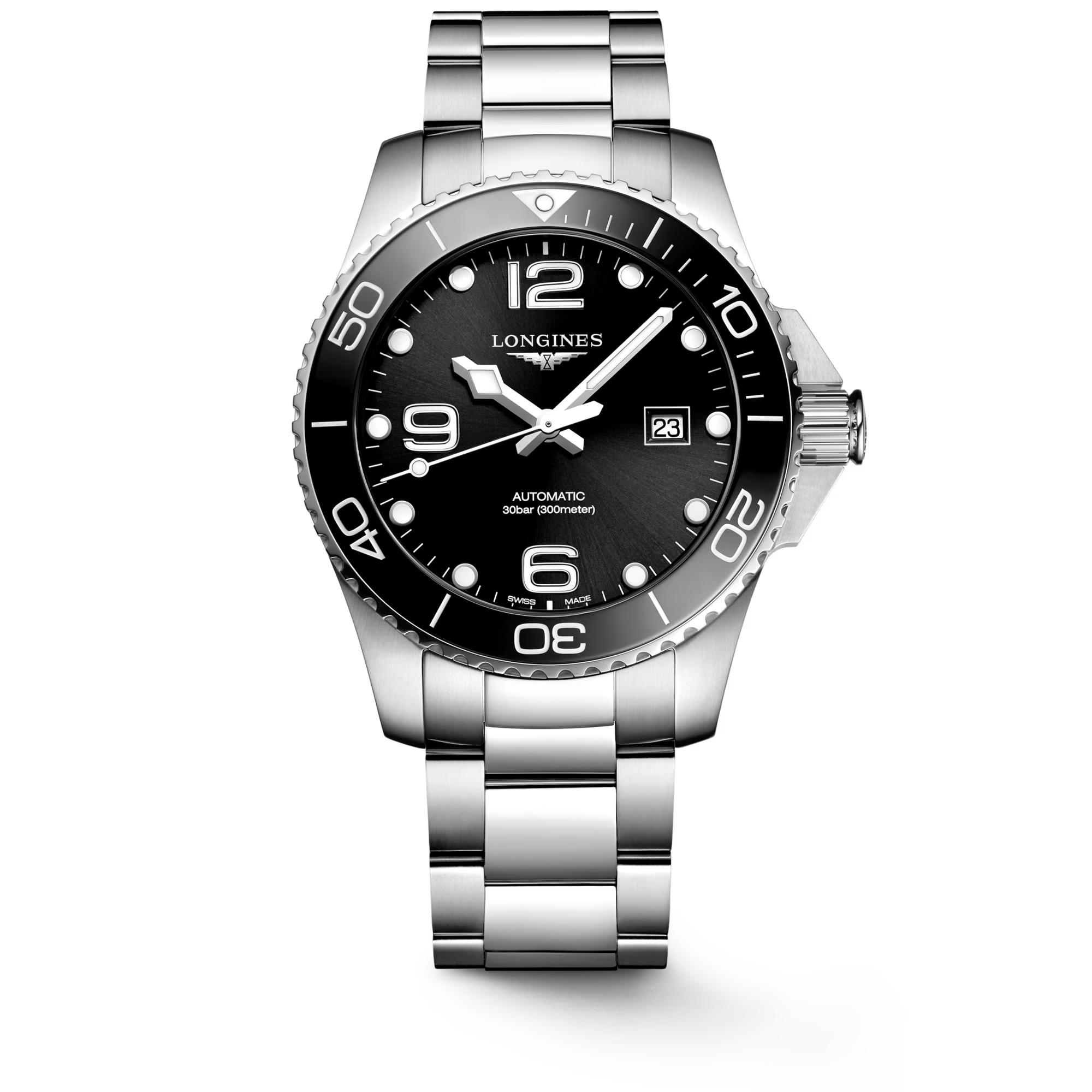
300m-rated dive watches
References in the Grail Atlas catalog rated for this water-resistance band.
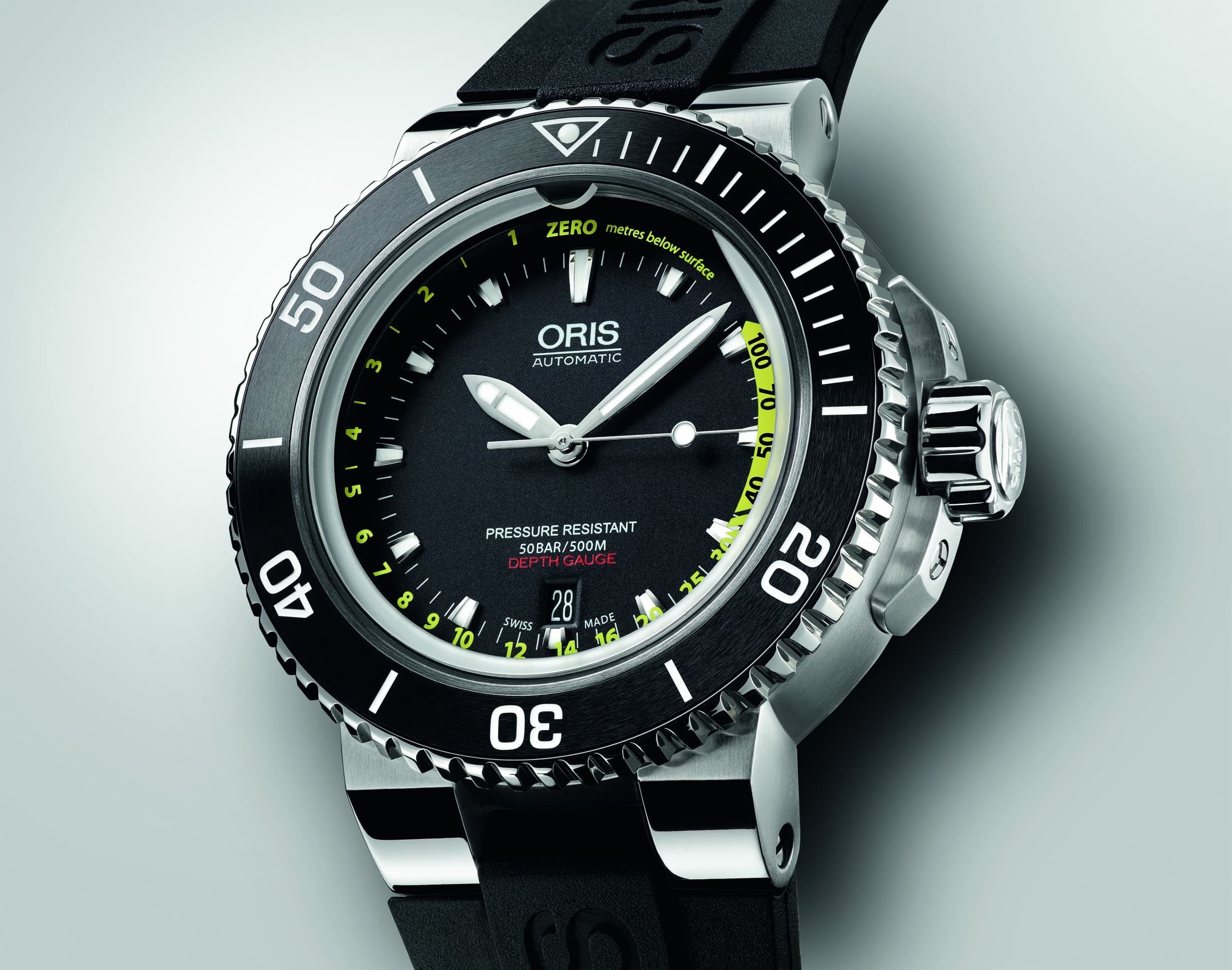
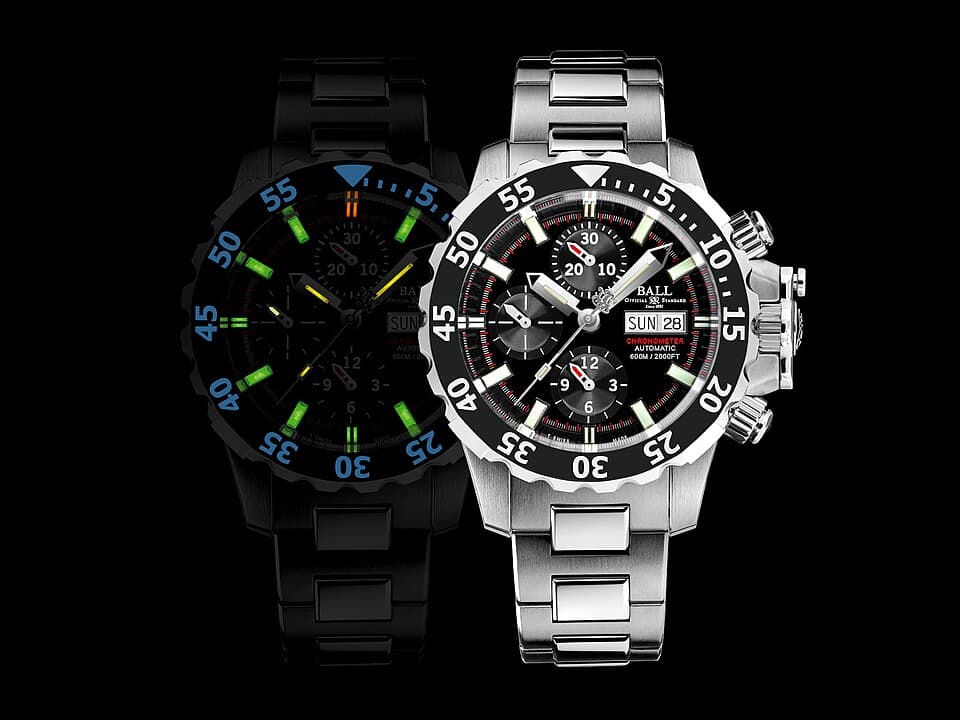
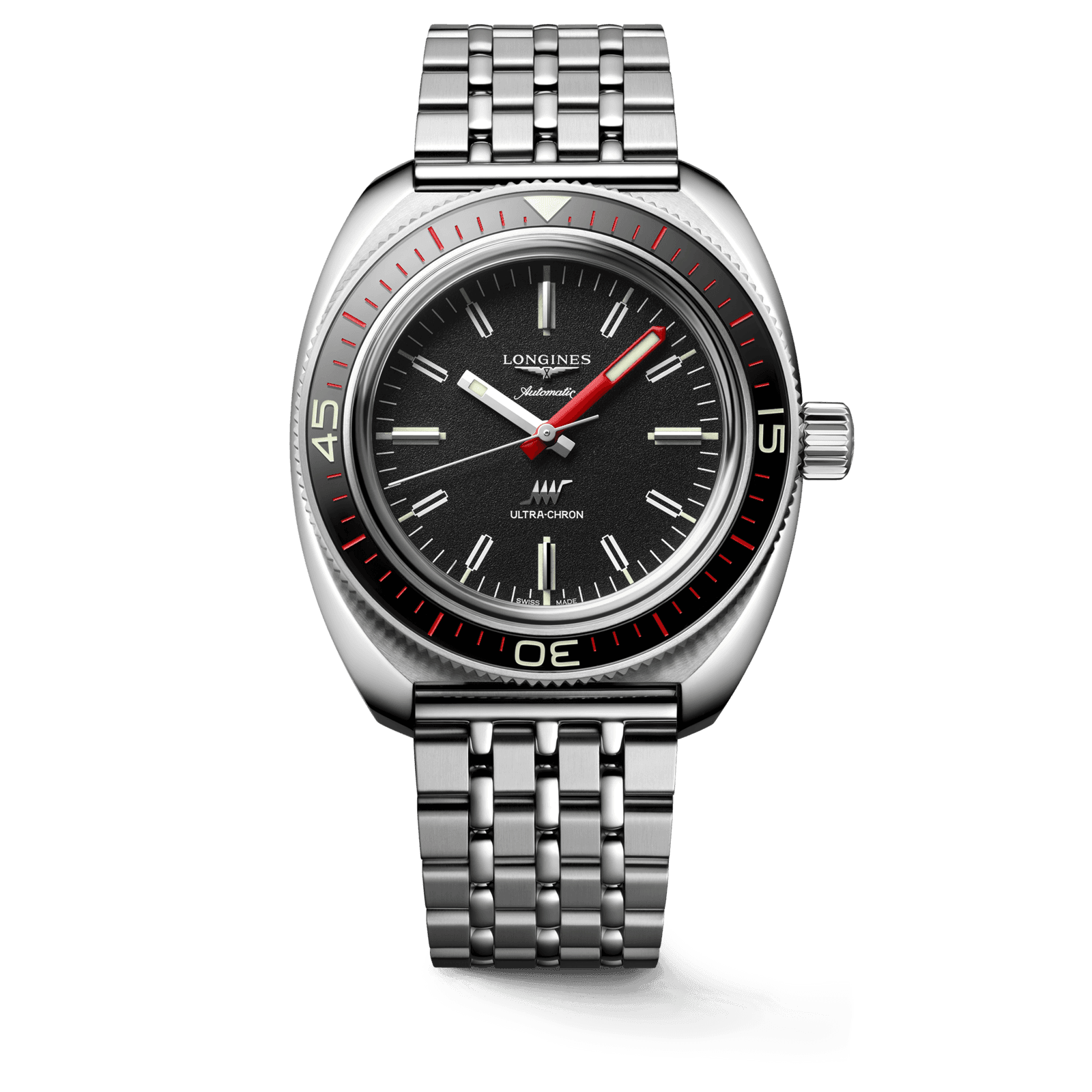
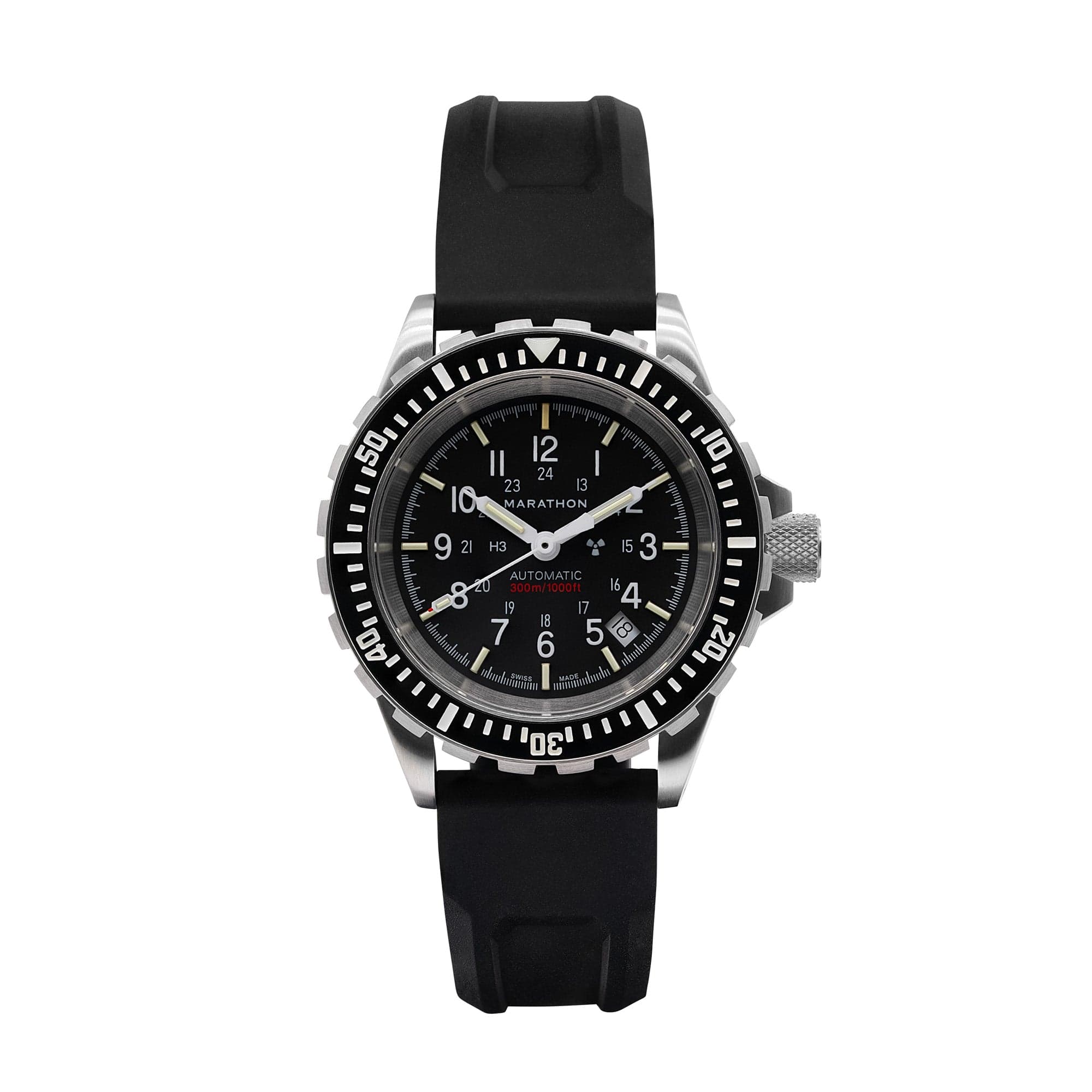
300 meters of water resistance is the canonical "dive watch" specification, the ISO 6425 dive watch standard requires a minimum of 100m but the marketing convention since Rolex's 1953 Submariner has settled on 300m as the line that separates "water-resistant sports watch" from "dive watch." The figure represents a static pressure test, not a real-world depth, actual recreational diving rarely exceeds 40m, but the safety margin is deliberate.
Notable references
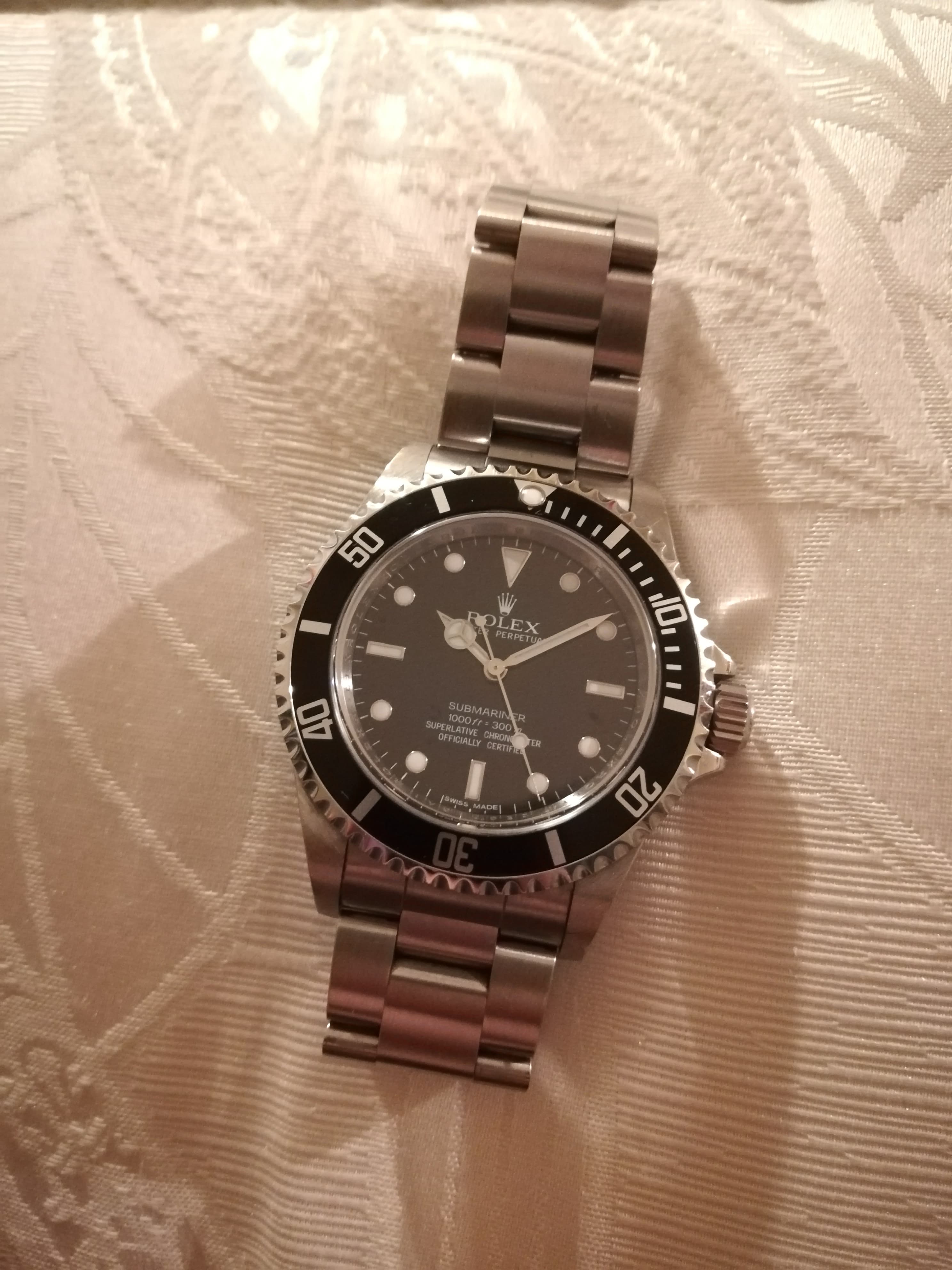
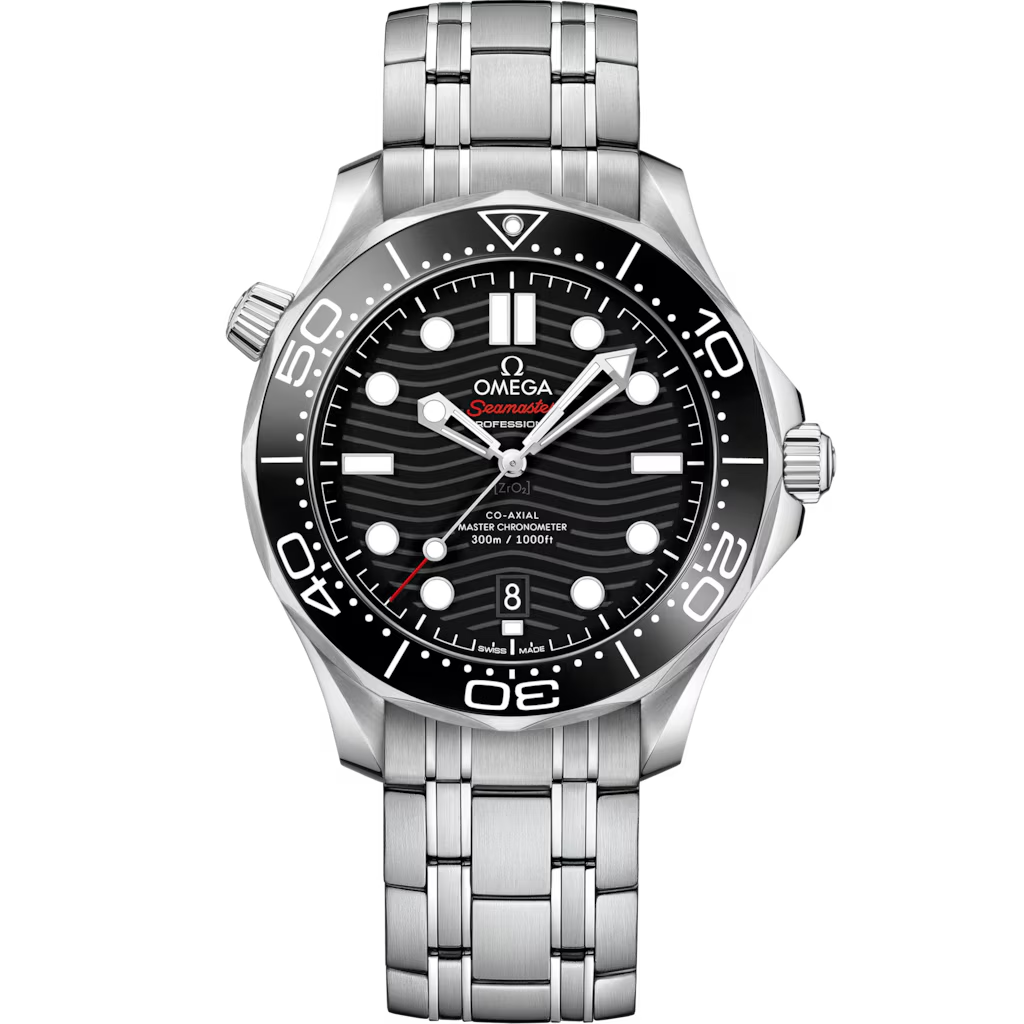
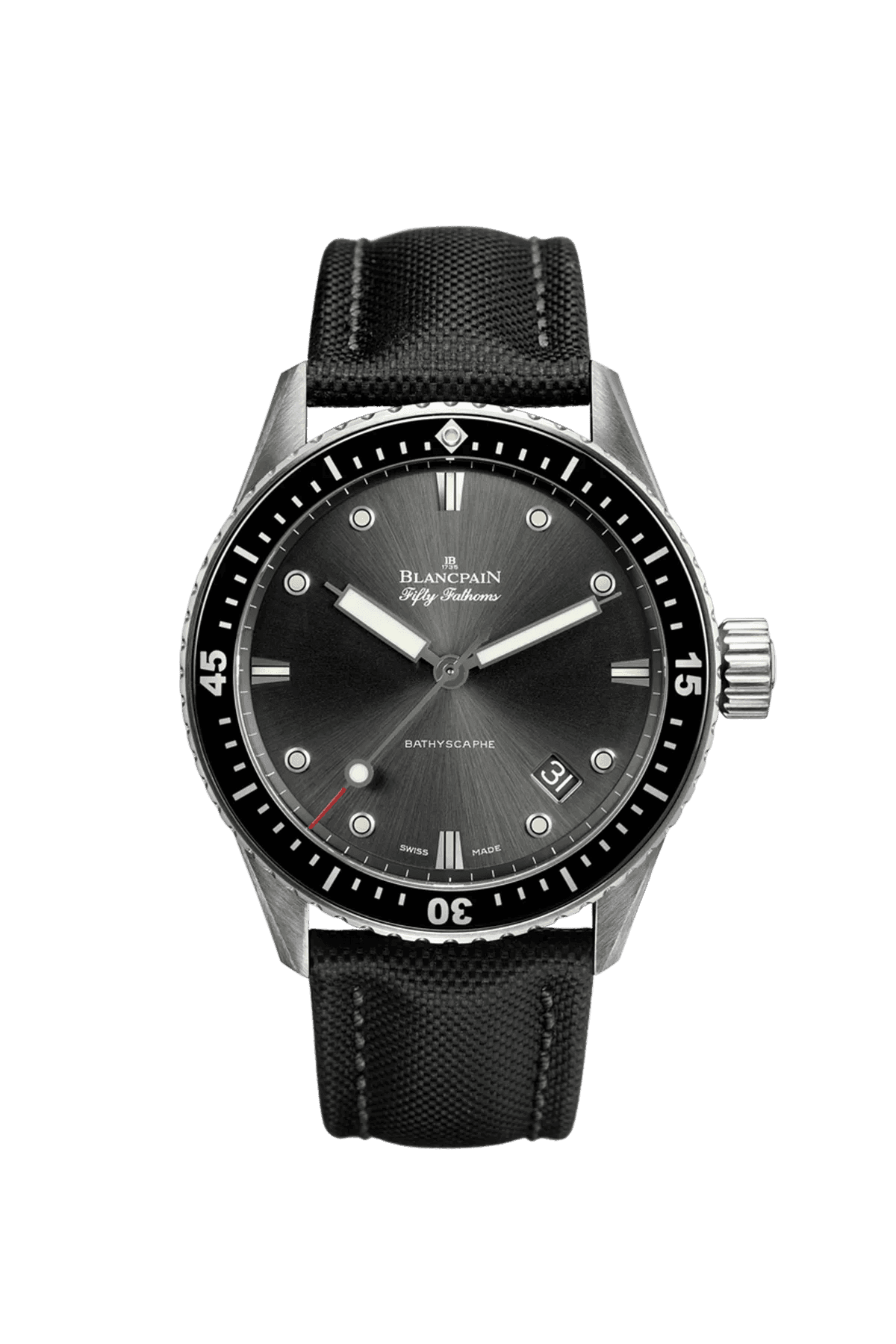
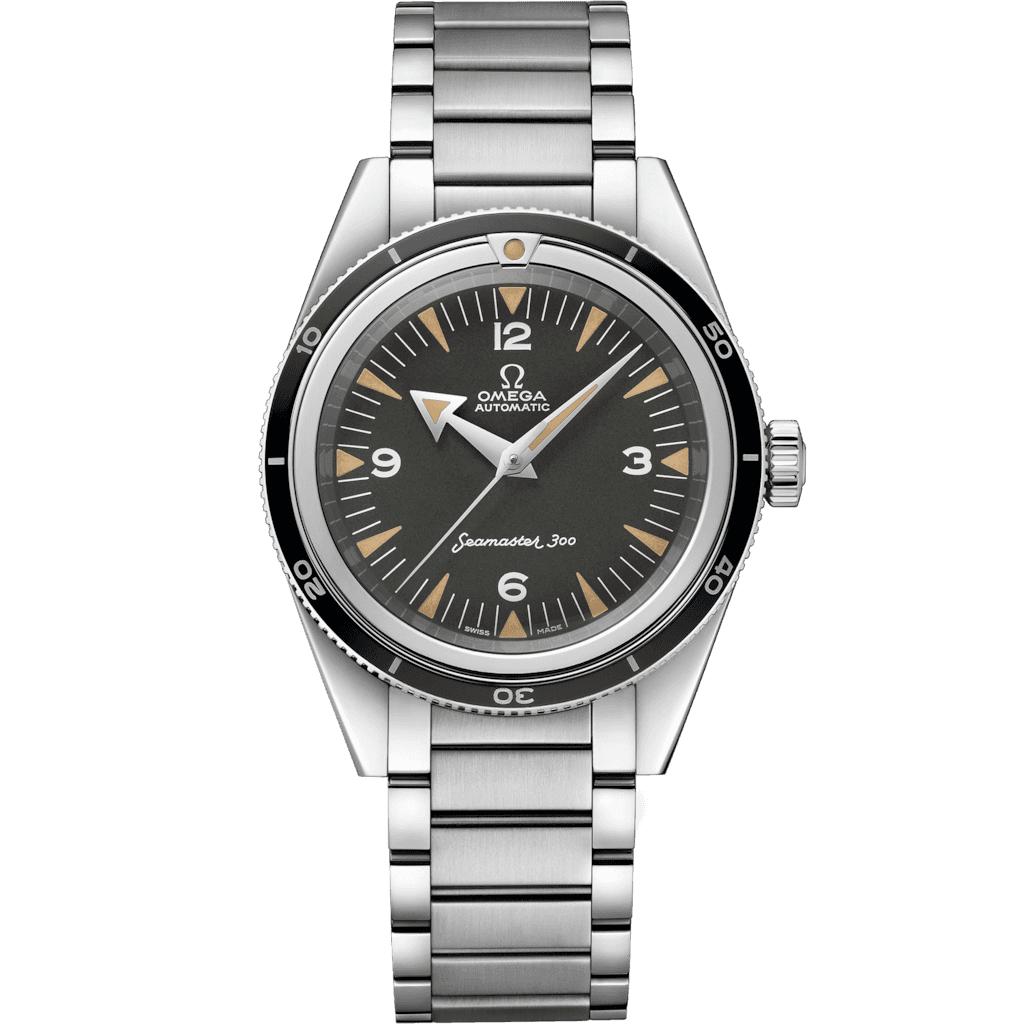
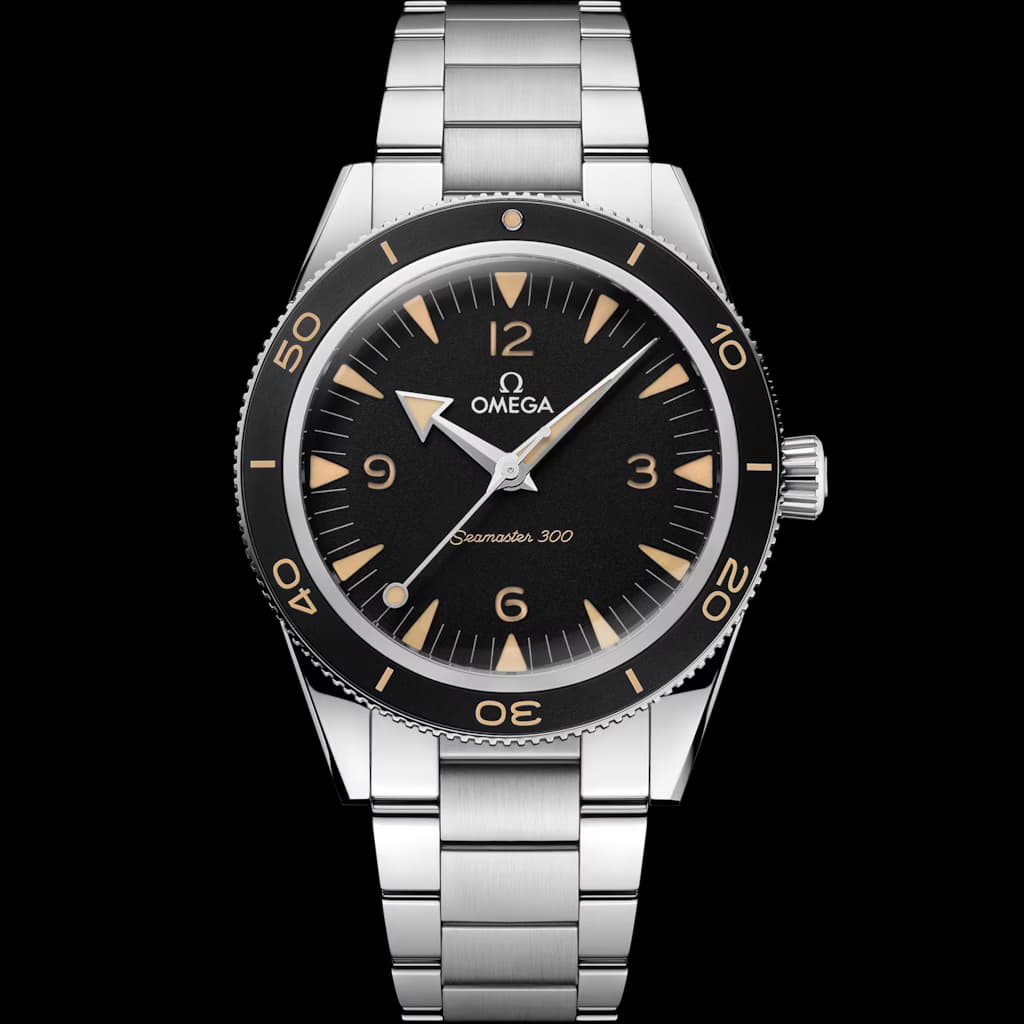
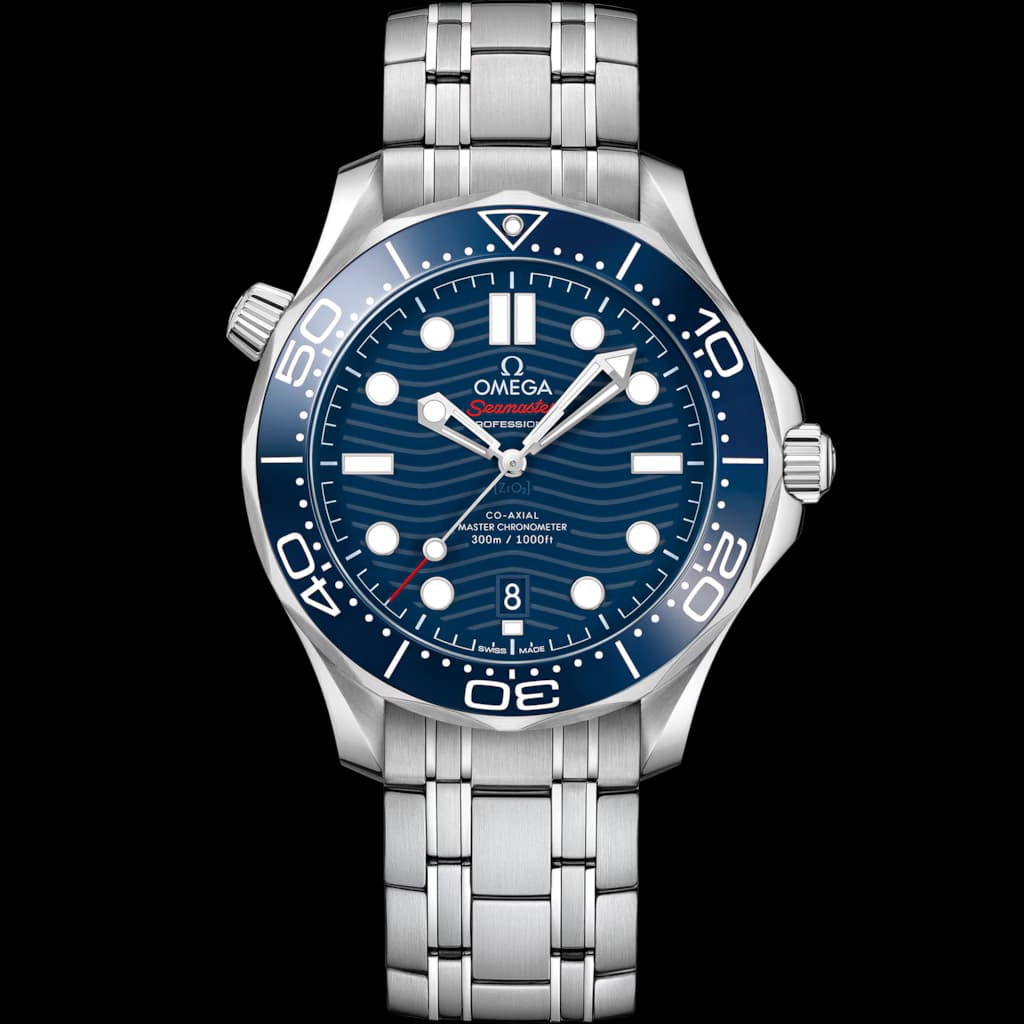
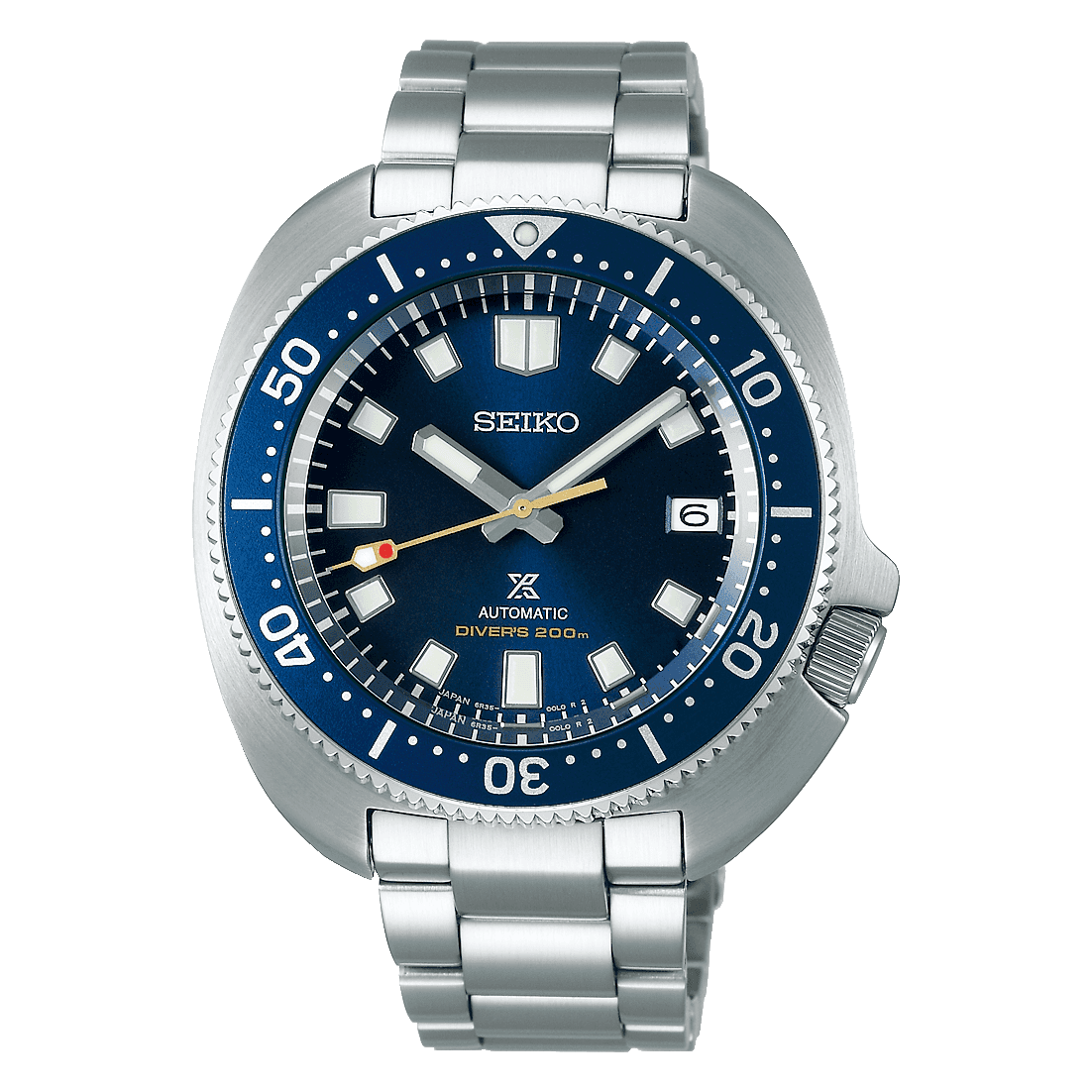
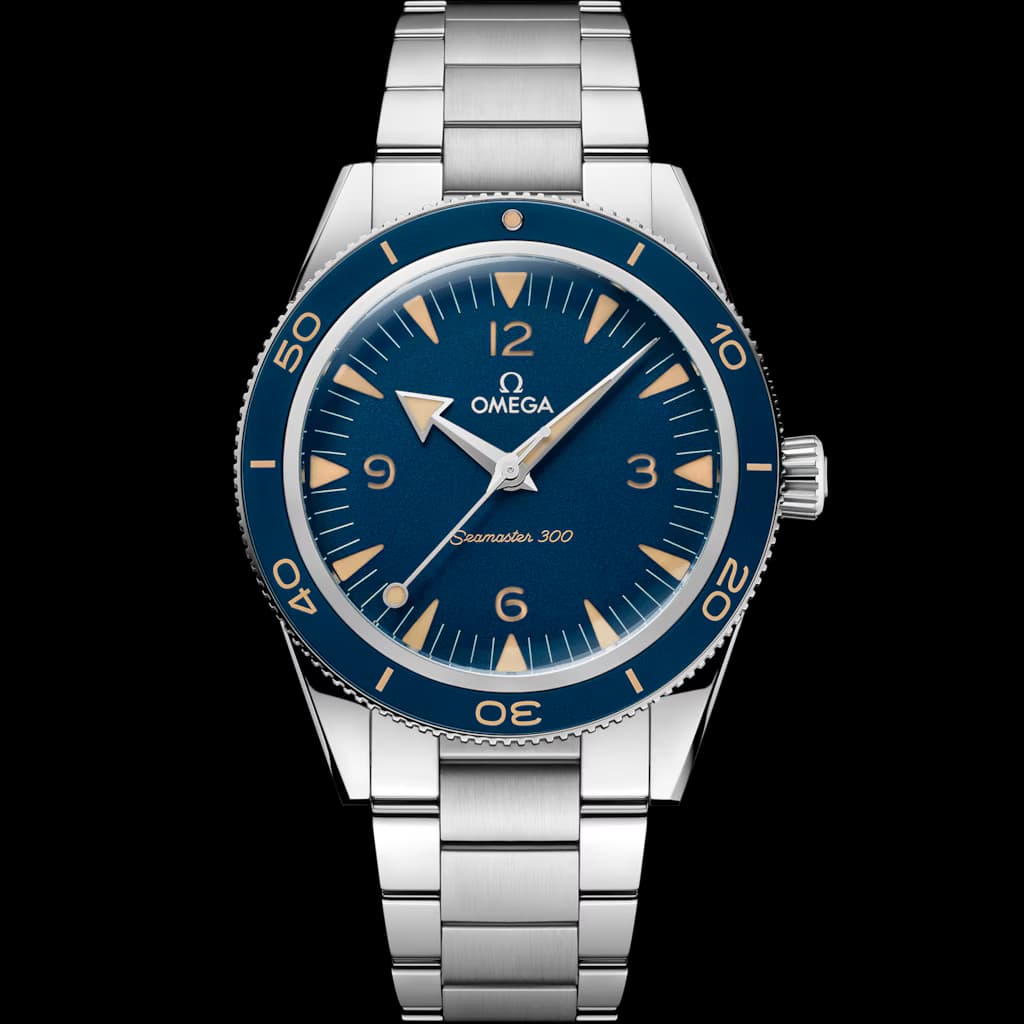
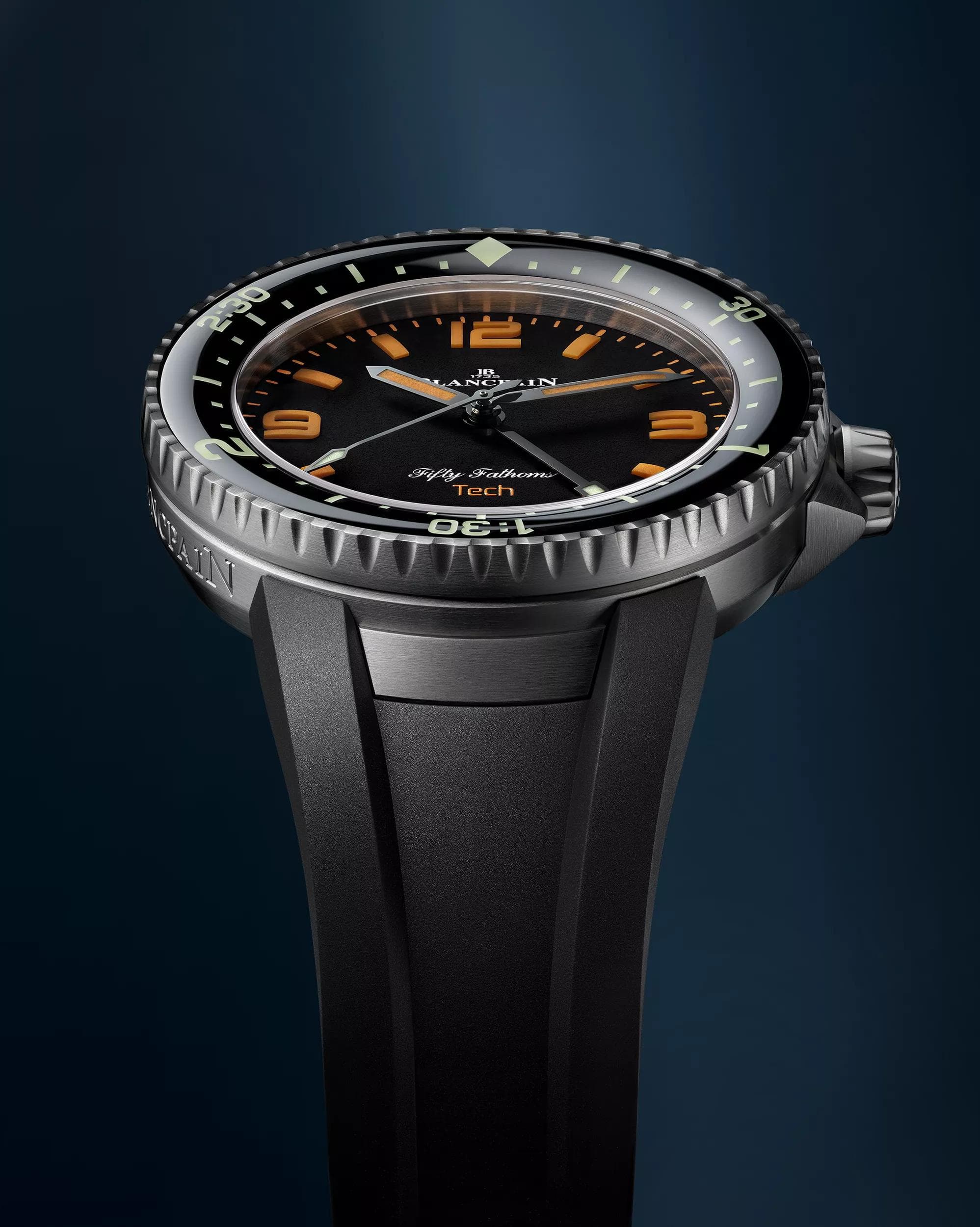
The Rolex Submariner 124060 / 126610 (300m) and the Tudor Black Bay 58 (200m, just below the threshold) define the canonical entry. Omega's Seamaster Diver 300M 210.30.42.20.03.001 and Planet Ocean 215.30.44.21.01.001 (the latter at 600m) anchor the brand's diver lineage. The Blancpain Fifty Fathoms 5015 (300m, with claim to the first modern diver in 1953) and the Tudor Pelagos 25600TN (500m) sit at the technical end. At a more accessible tier, the Seiko SLA021 (the modern reissue of the 1965 62MAS) and the Citizen Promaster Diver line cover the 200-300m range competently.
How to shop one
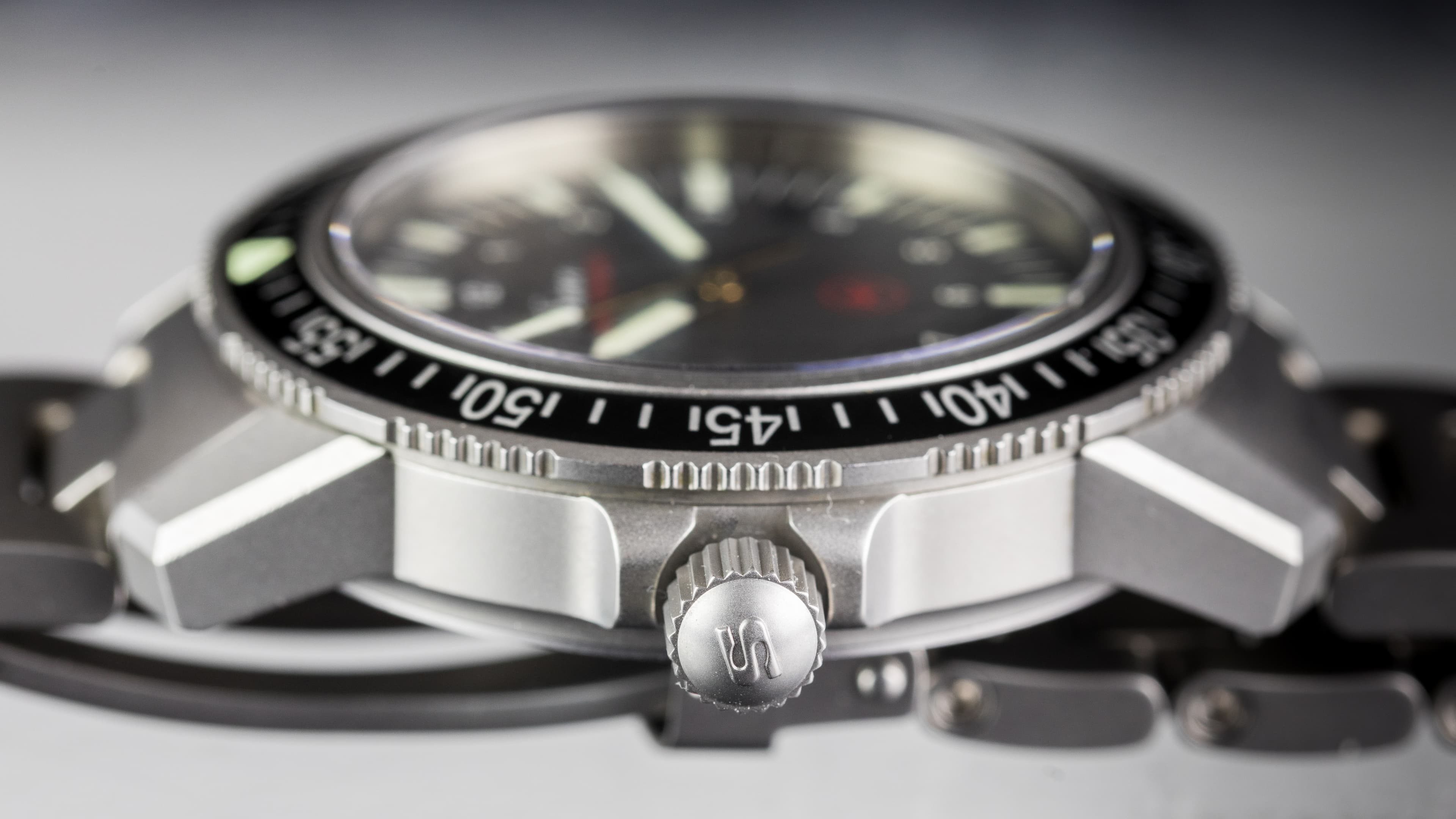
Crown action is the first thing to verify. A real 300m diver has a screw-down crown, the crown threads into the case-band and seals via gaskets. Watch this on the wrist when winding: if the crown threads engage smoothly and the unscrewed position has minimal play, the case is well-built. The second check is bezel action. A 120-click unidirectional bezel (turns counter-clockwise only, never adding "missed" dive time) with no back-play between clicks is the convention. Rolex bezels are firmer than Tudor, Tudor firmer than most. Sapphire vs. ceramic bezel inserts is mostly cosmetic, both hold up.
The bracelet decision matters more on a diver than on a dress watch. An extension clasp (Rolex Glidelock, Tudor adjustable, Omega's micro-adjust) lets you fit the watch over a wetsuit. If you actually dive, you need this. If you do not, it is still useful for hot-day wrist expansion. Helium escape valves (HEVs) are a saturation-diving feature you do not need and which adds a failure point, most divers do not have them.
Common pitfalls
The first pitfall is treating water-resistance ratings as cumulative warranties. A "300m" rating is a one-time static-pressure test, not a guarantee for swimming, hot tubs, or showers (the temperature differential is harder on gaskets than pressure is). Service intervals matter, gaskets should be replaced every 5-7 years to maintain the rating. Second pitfall: many "dive-style" watches at the entry tier are 100m or 200m, which is fine for swimming but not technically dive-rated. Read the spec sheet, not the marketing photo of someone diving with the watch. Third: the Rolex Submariner 41 mm (current production) wears larger than the 40 mm (124060 vs 14060M). The lugs are longer and the bezel wider. Wear both before committing if you're picking between generations.