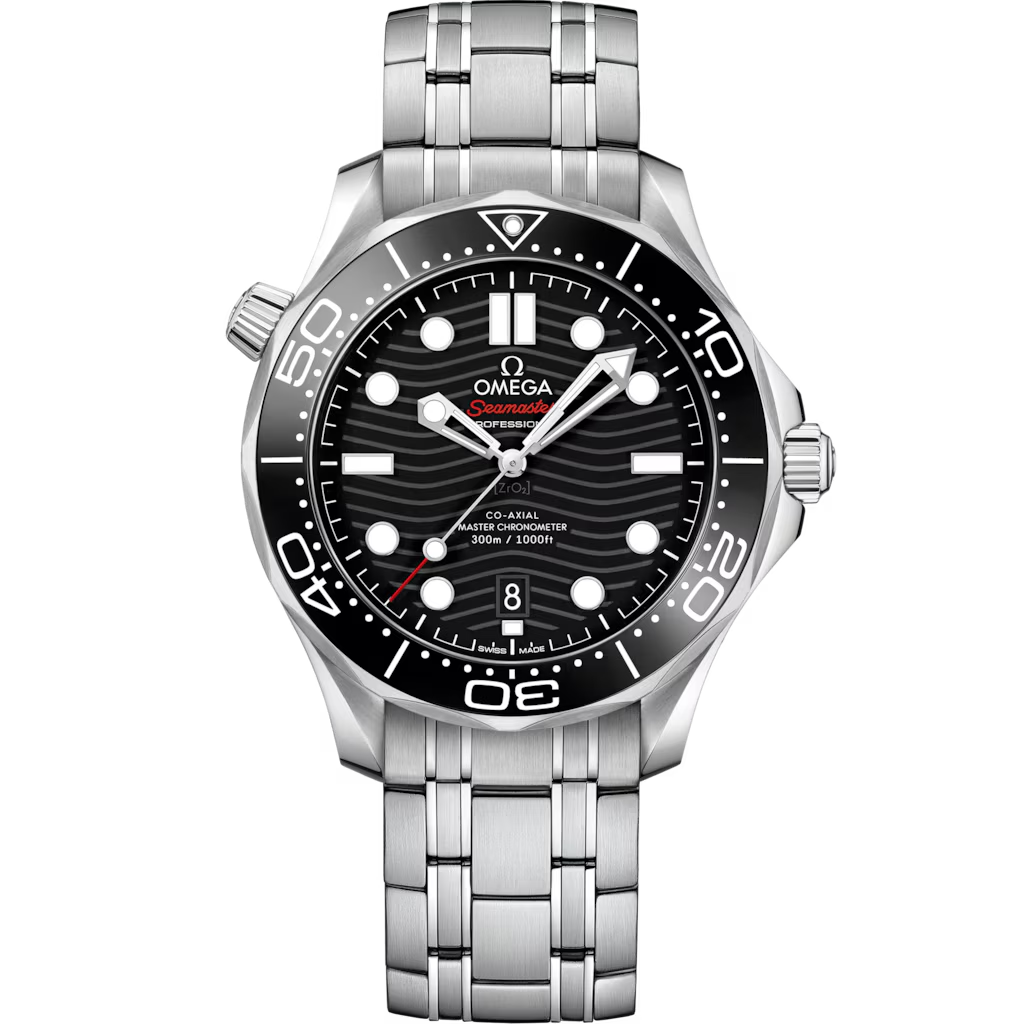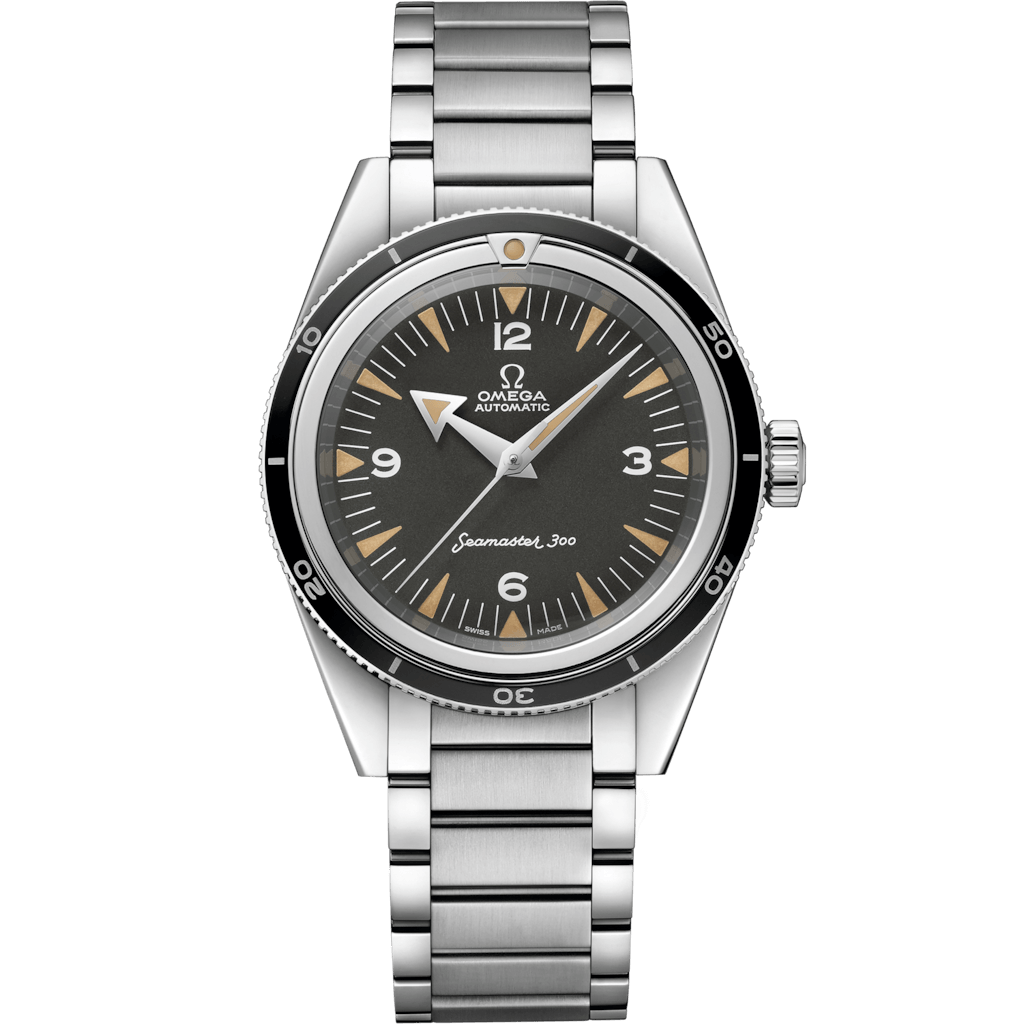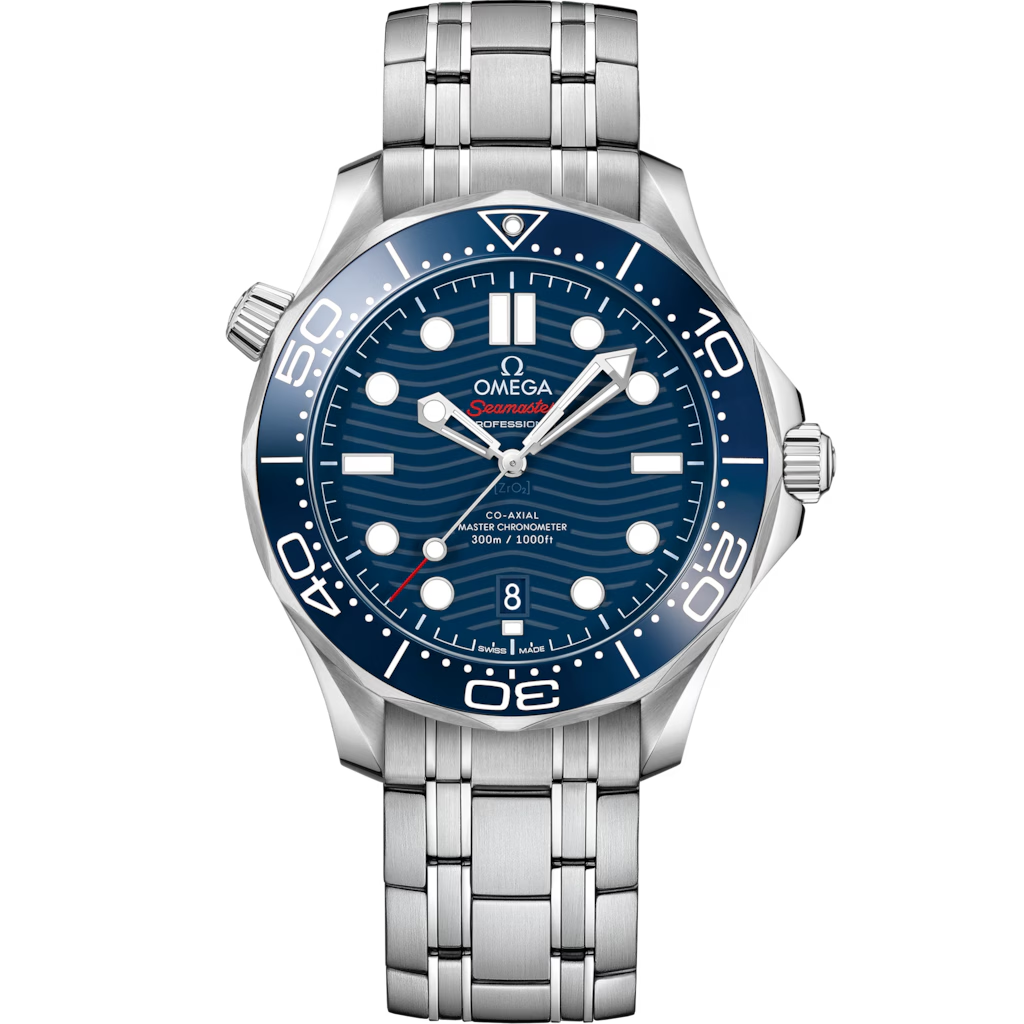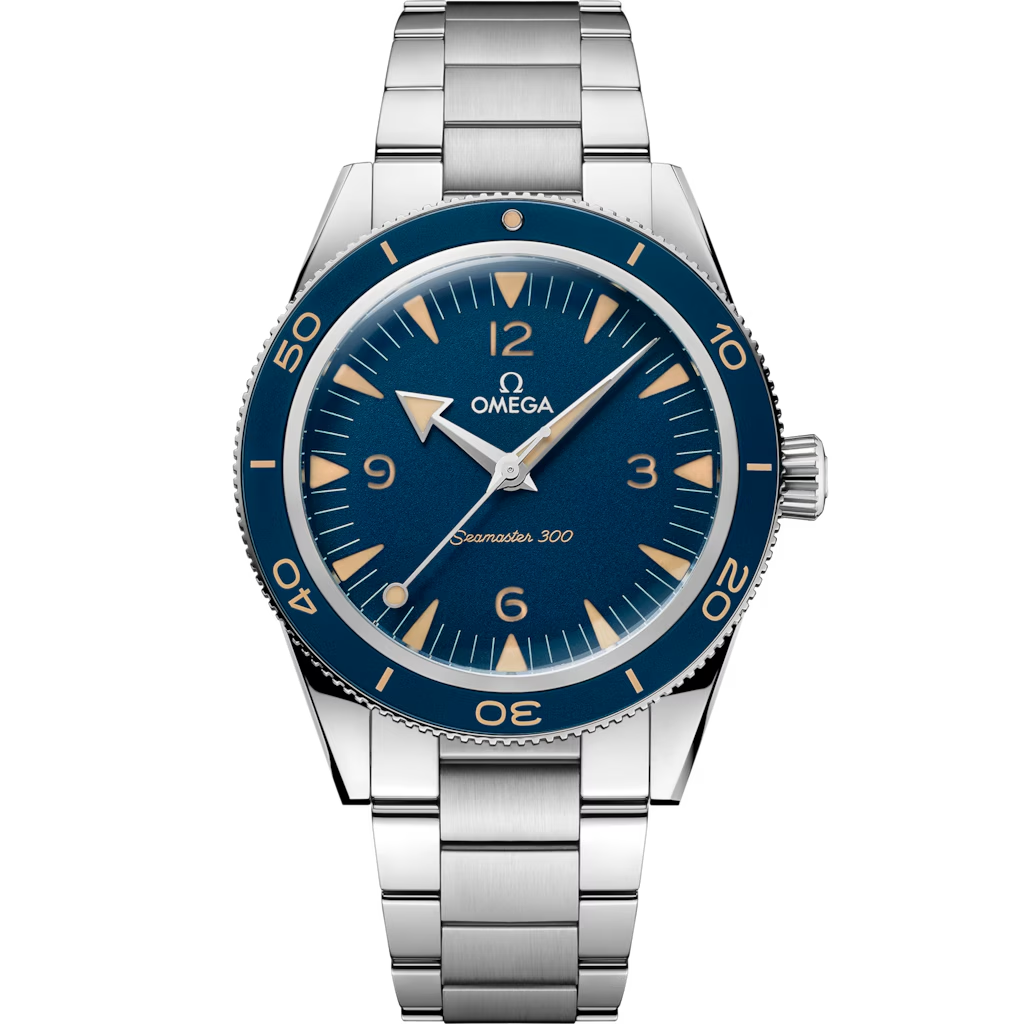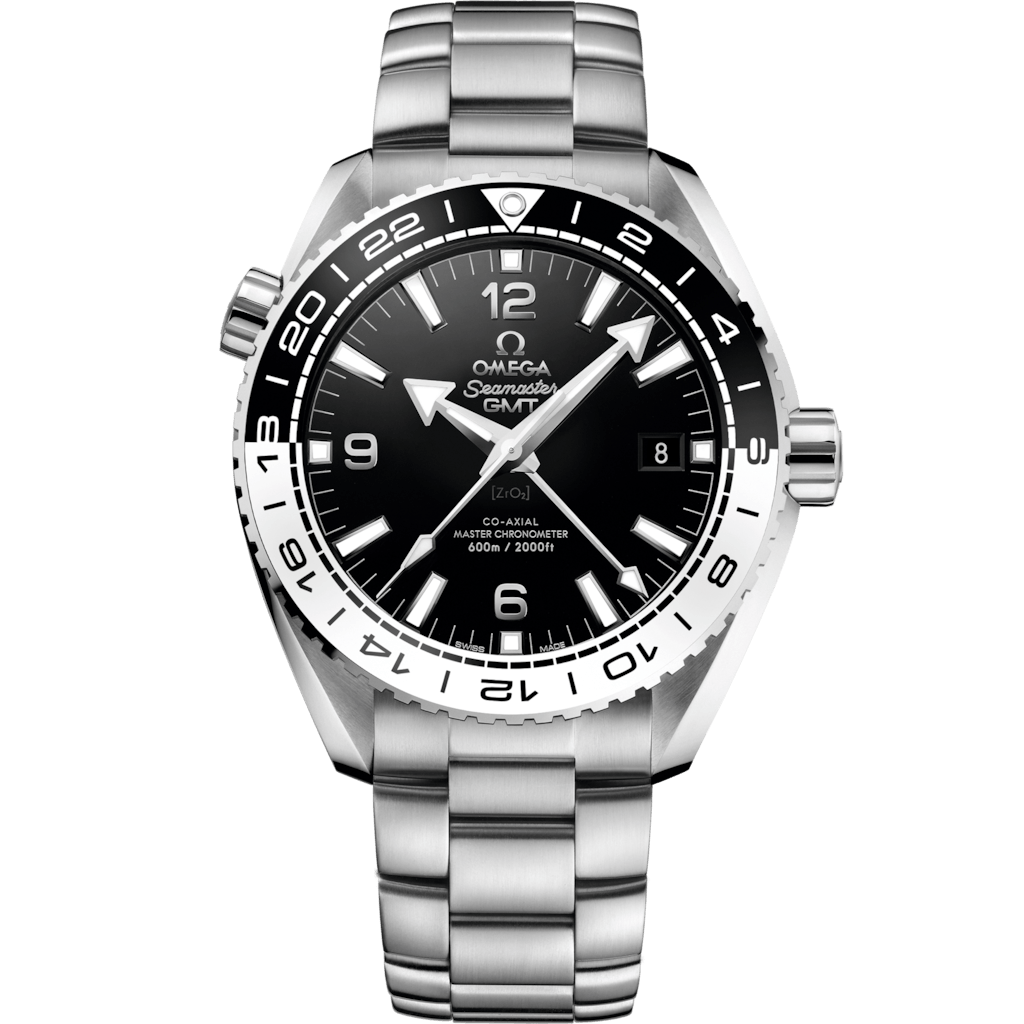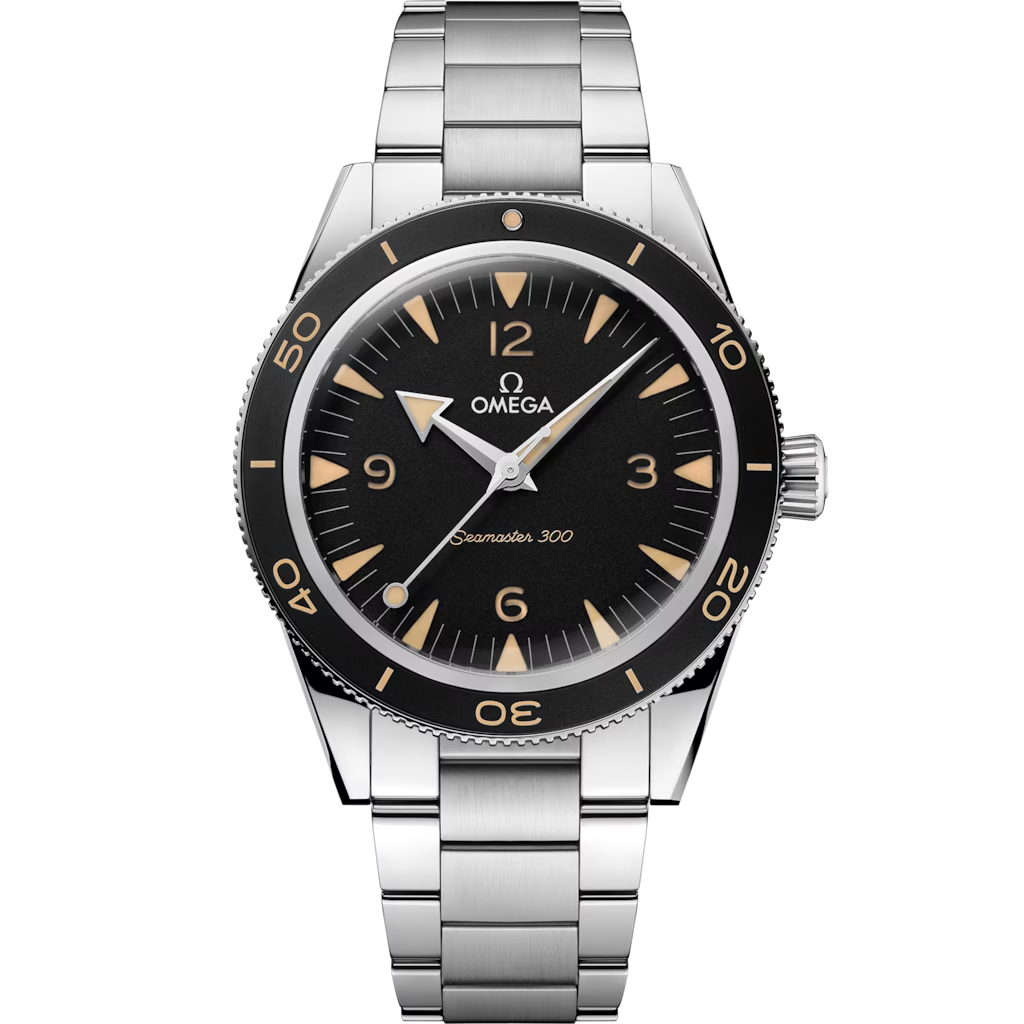
The broad arrow configuration is the collector-preferred expression of the Seamaster 300. The 2014 Heritage reissue and the 2017 60th Anniversary editions are modern references that reproduce this dial honestly without trying to pass as genuine vintage.
Omega shifted from the broad arrow to standard hands on later vintage Seamaster 300 production. The non-broad arrow examples are less sought but represent genuine vintage pieces at a lower entry point.
Live pricing is coming soon. Get notified when it is available for this reference.
Community + OSINT signals haven’t landed for this reference yet. We don’t publish a rating against zero signal: the number would mean nothing. Editorial body + caliber + market value still surface above; ratings appear once the signal corpus does.
The lollipop seconds hand is the single most important authentication point on the Seamaster 300 Heritage; any example with a standard baton seconds hand has the wrong hand set.
| Area | What to check | What is correct | Red flag |
|---|---|---|---|
| hands | Seconds hand profile | Lollipop seconds hand with circular tip, correct to the 1957-era design language | Standard baton or lance-shaped seconds hand; any seconds hand without the circular lollipop tip |
| caseback | METAS certification stamp | METAS logo engraved on caseback alongside Master Chronometer designation | No METAS stamp; caseback showing only COSC chronometer certification without METAS |
| dial | Sector brushing | Radial brushed sectors with crisp transitions between each sector, consistent depth | Printed sector lines, flat under raking light, or sectors with inconsistent depth |
The Seamaster 300 Heritage is immediately identified by its "lollipop" seconds hand and "broad arrow" hour and minute hands. Both are direct references to the 1957 CK 2913. A standard pointed seconds hand or non-broad-arrow hands indicate the hands are not original.