Integrated-bracelet watches
References in the Grail Atlas catalog factory-fitted on this strap or bracelet type.
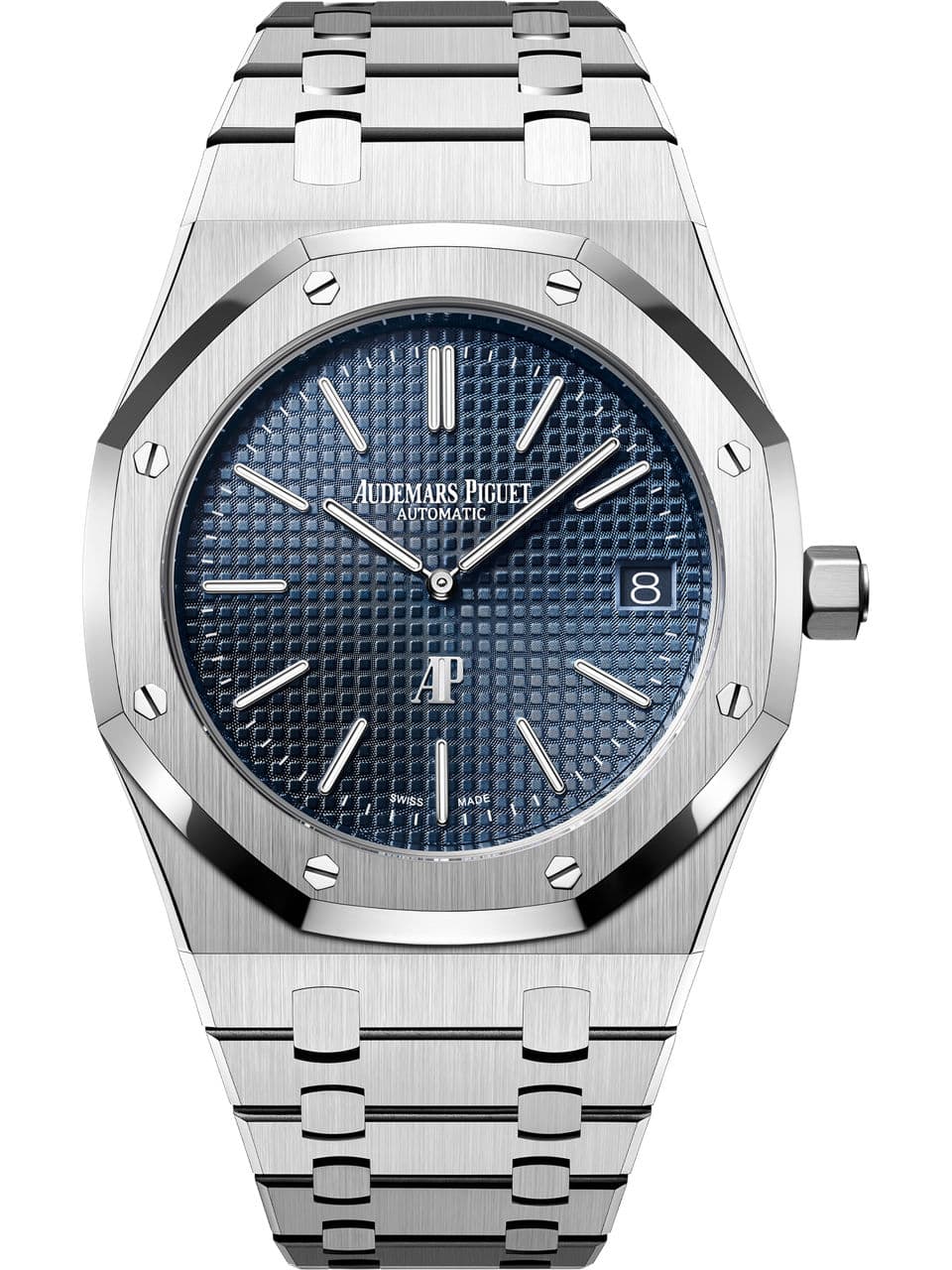
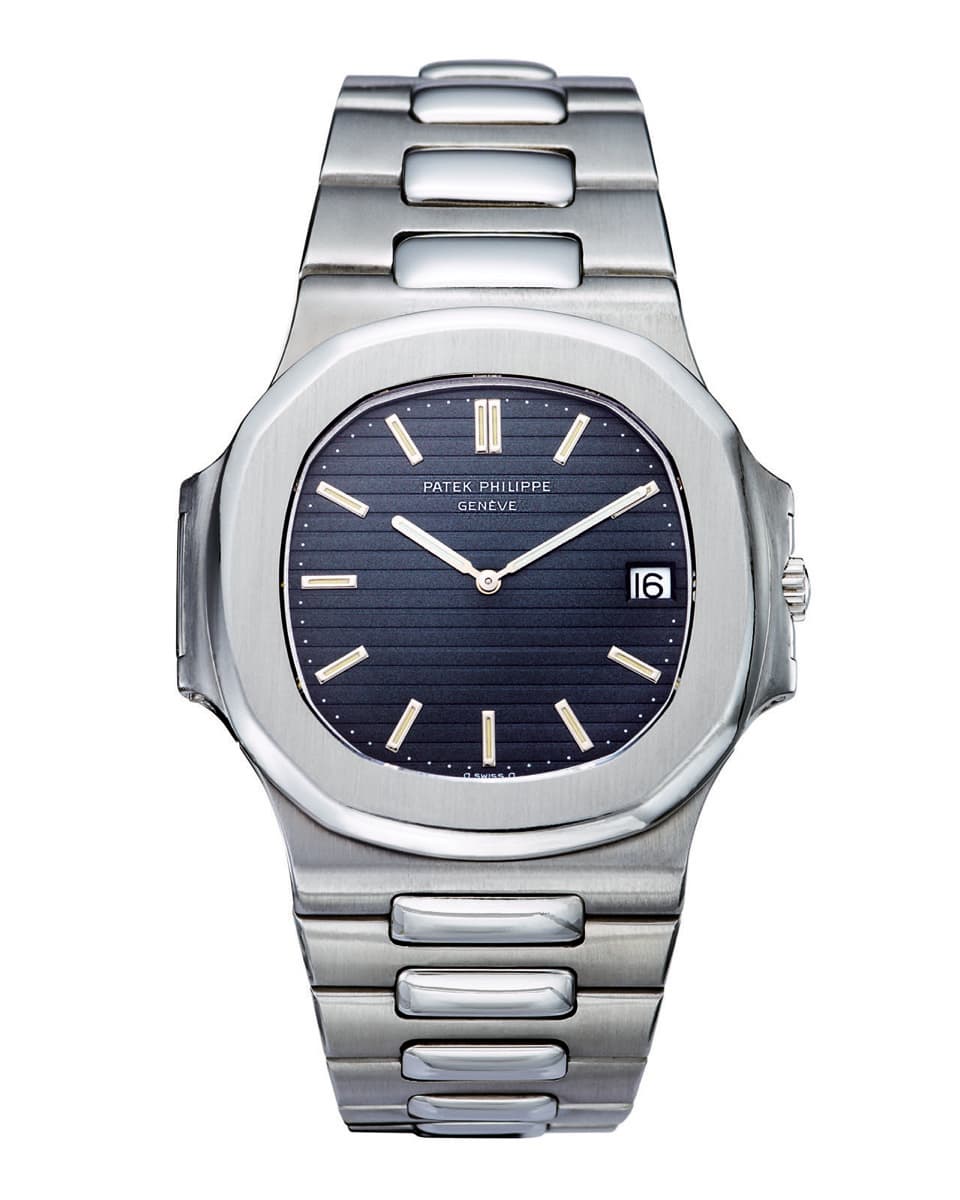
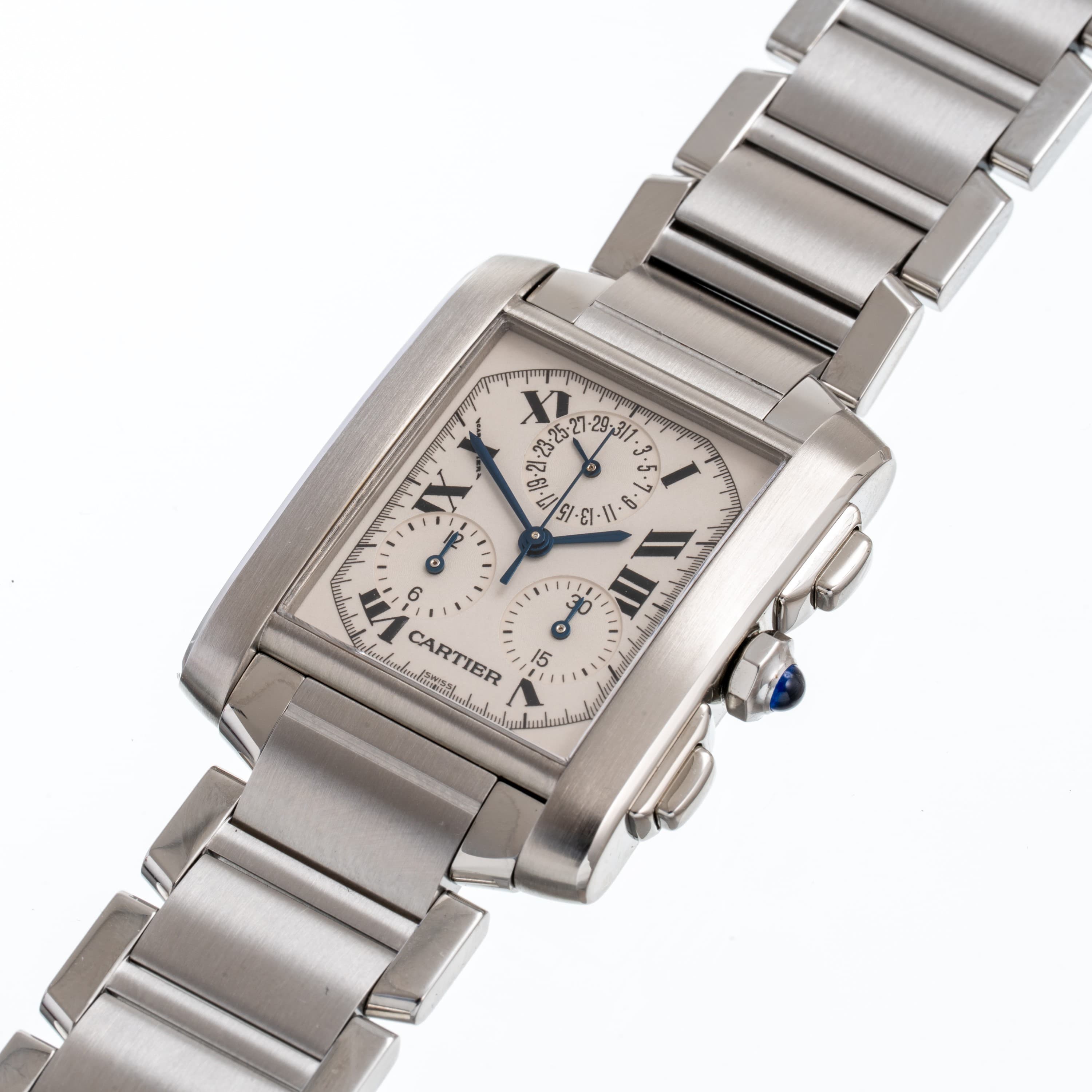
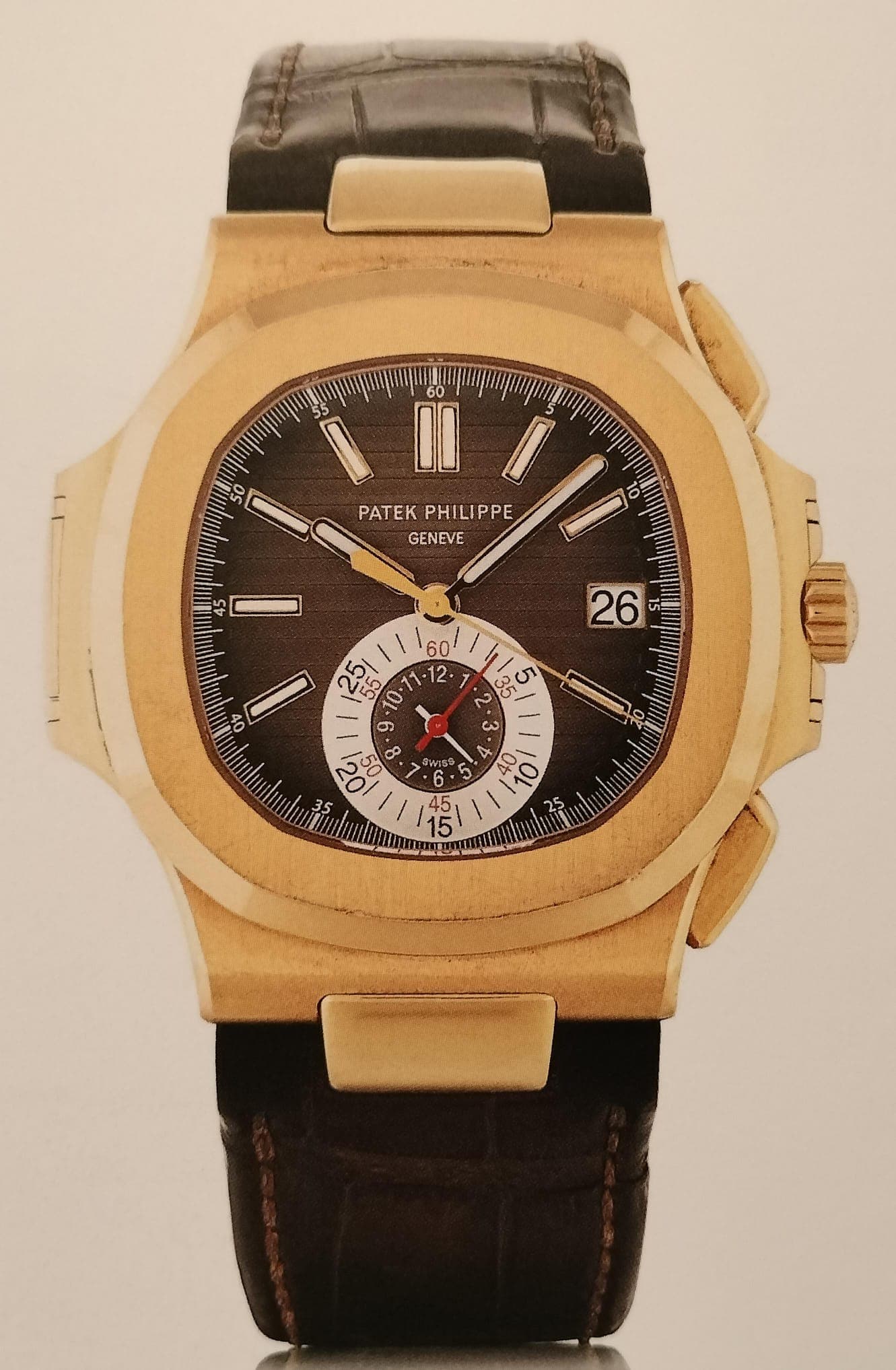
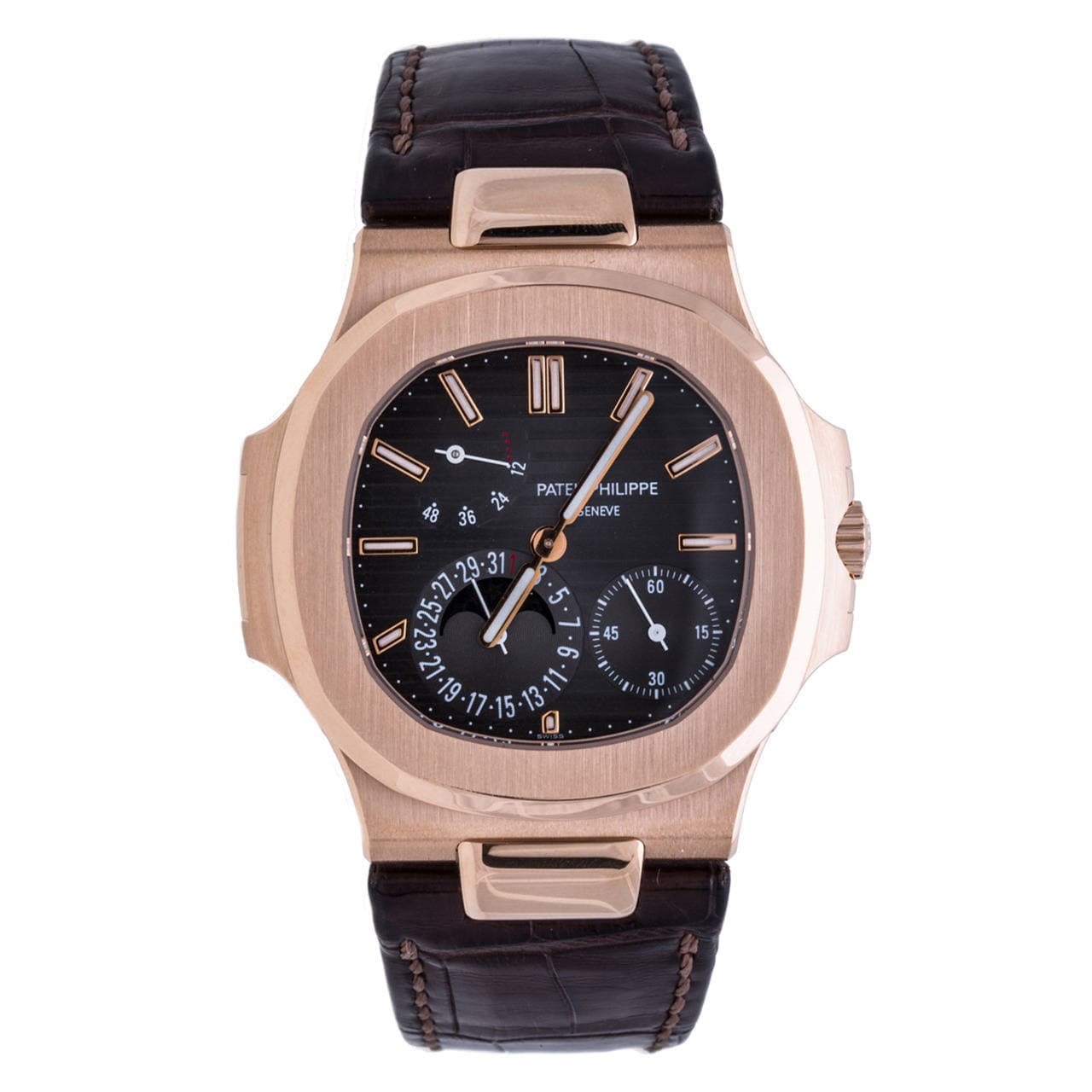
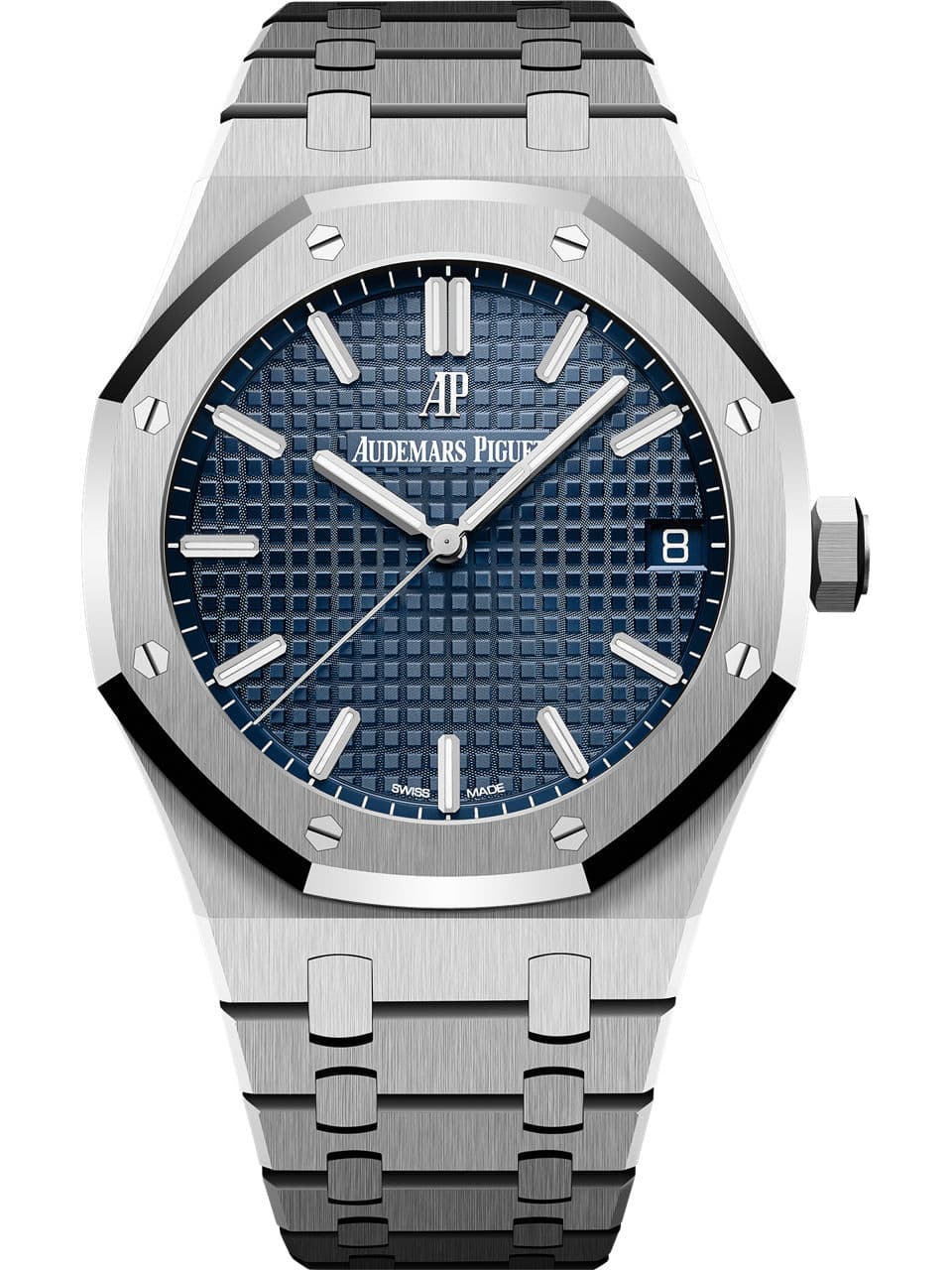
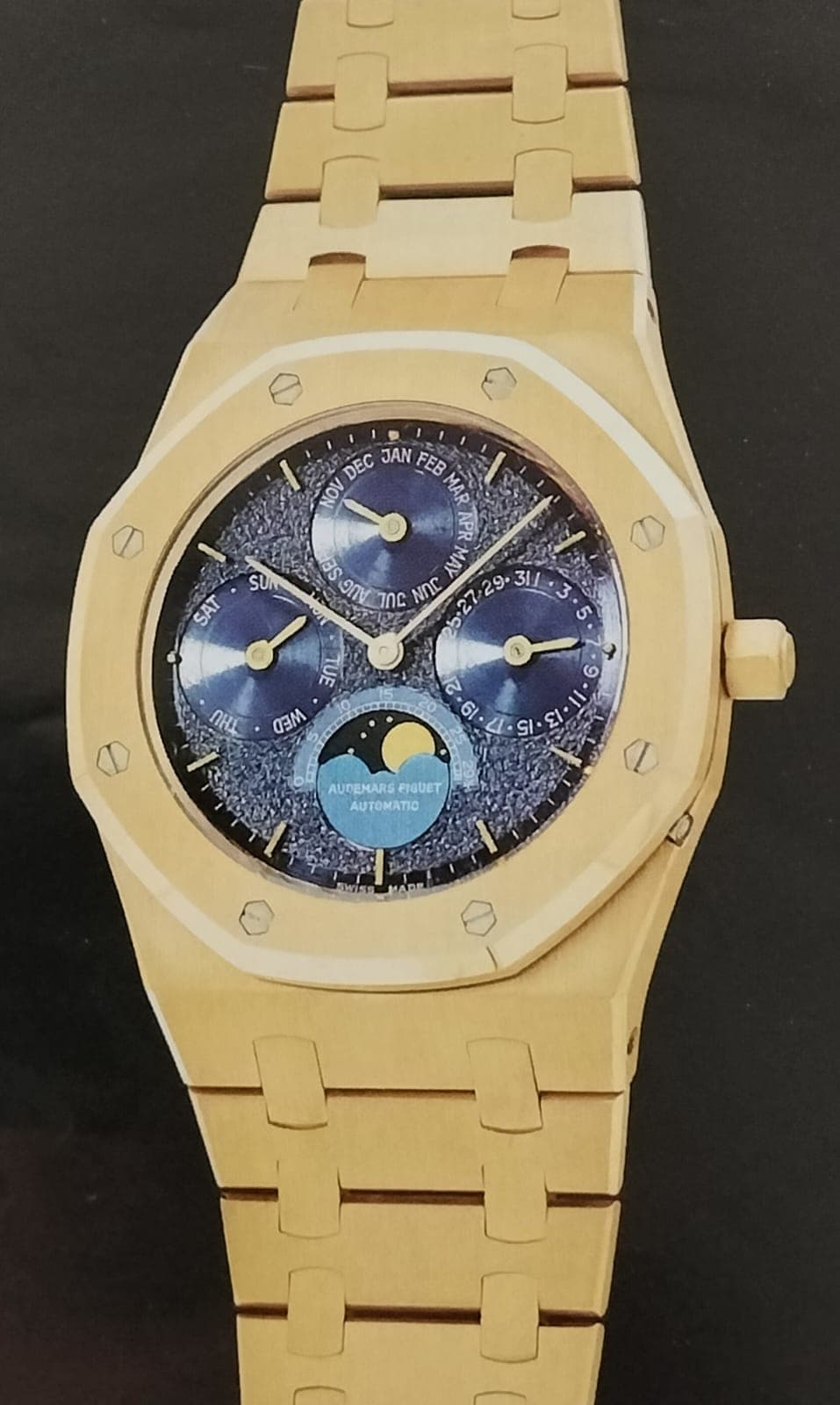
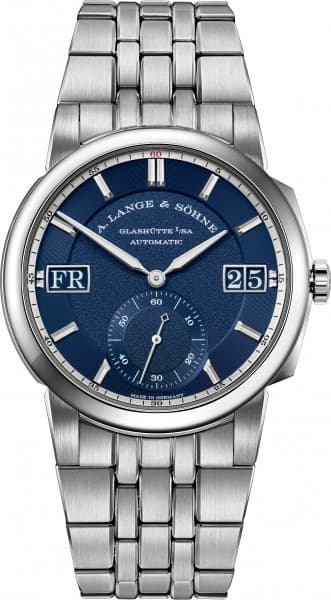
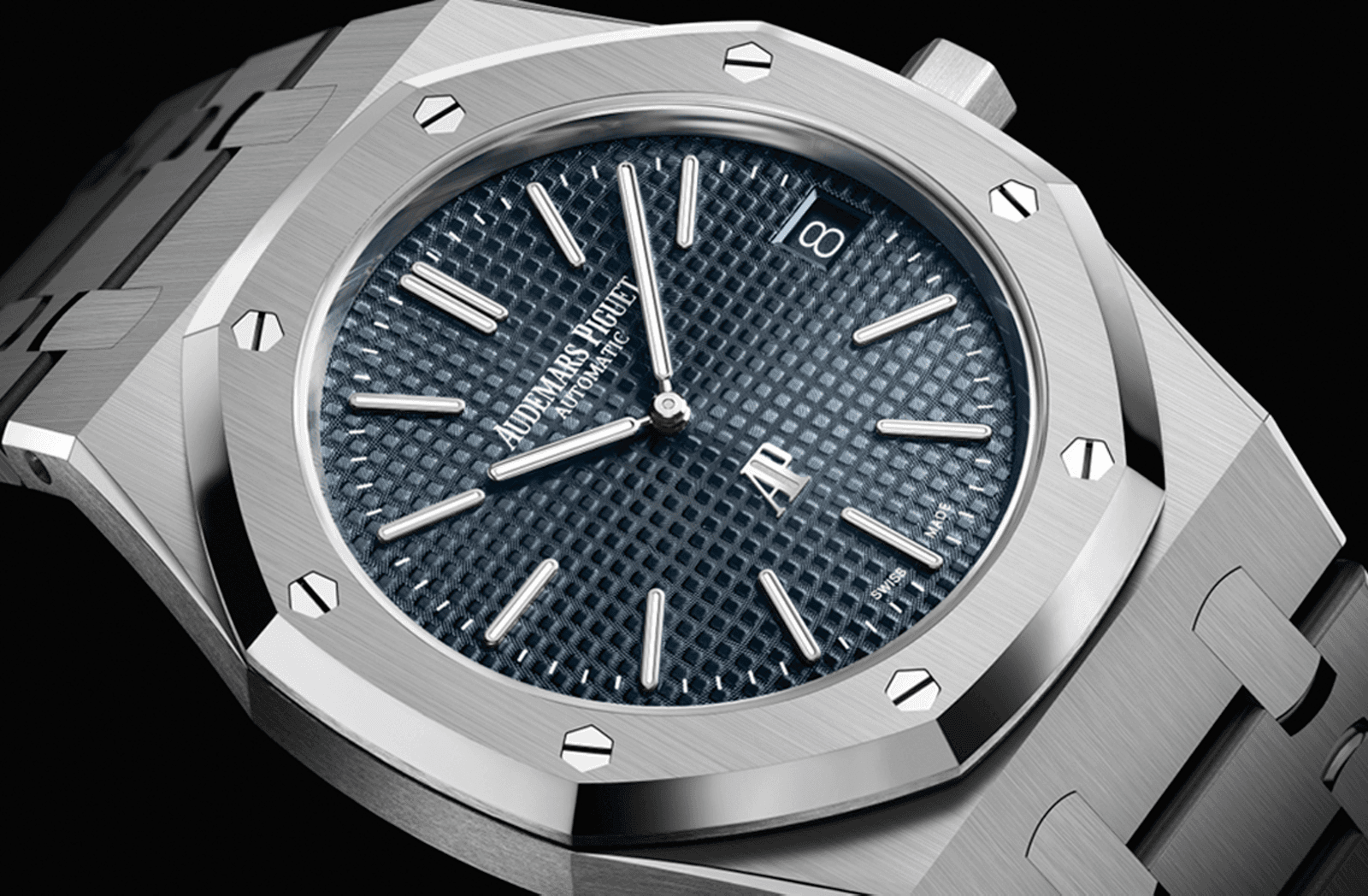
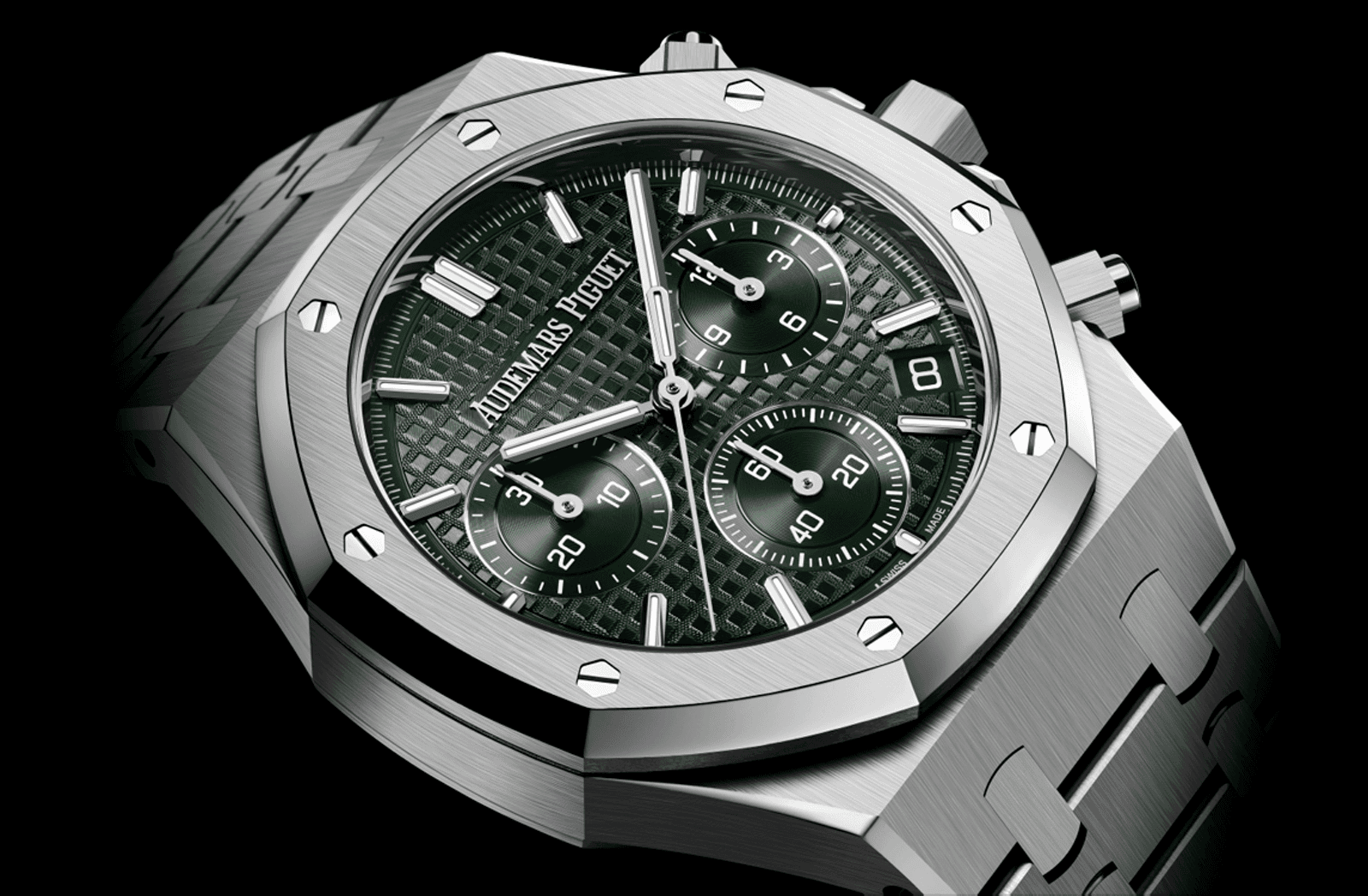
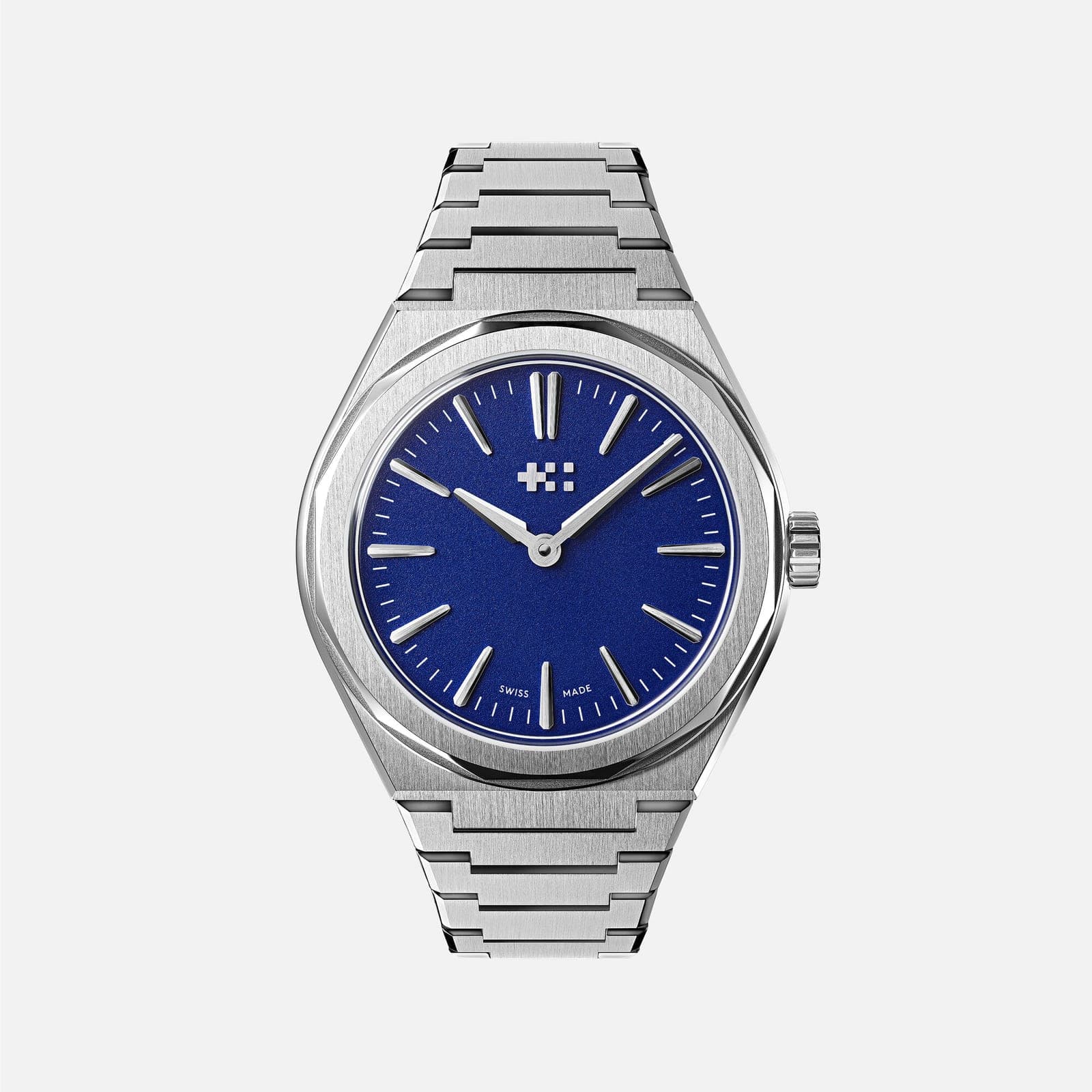
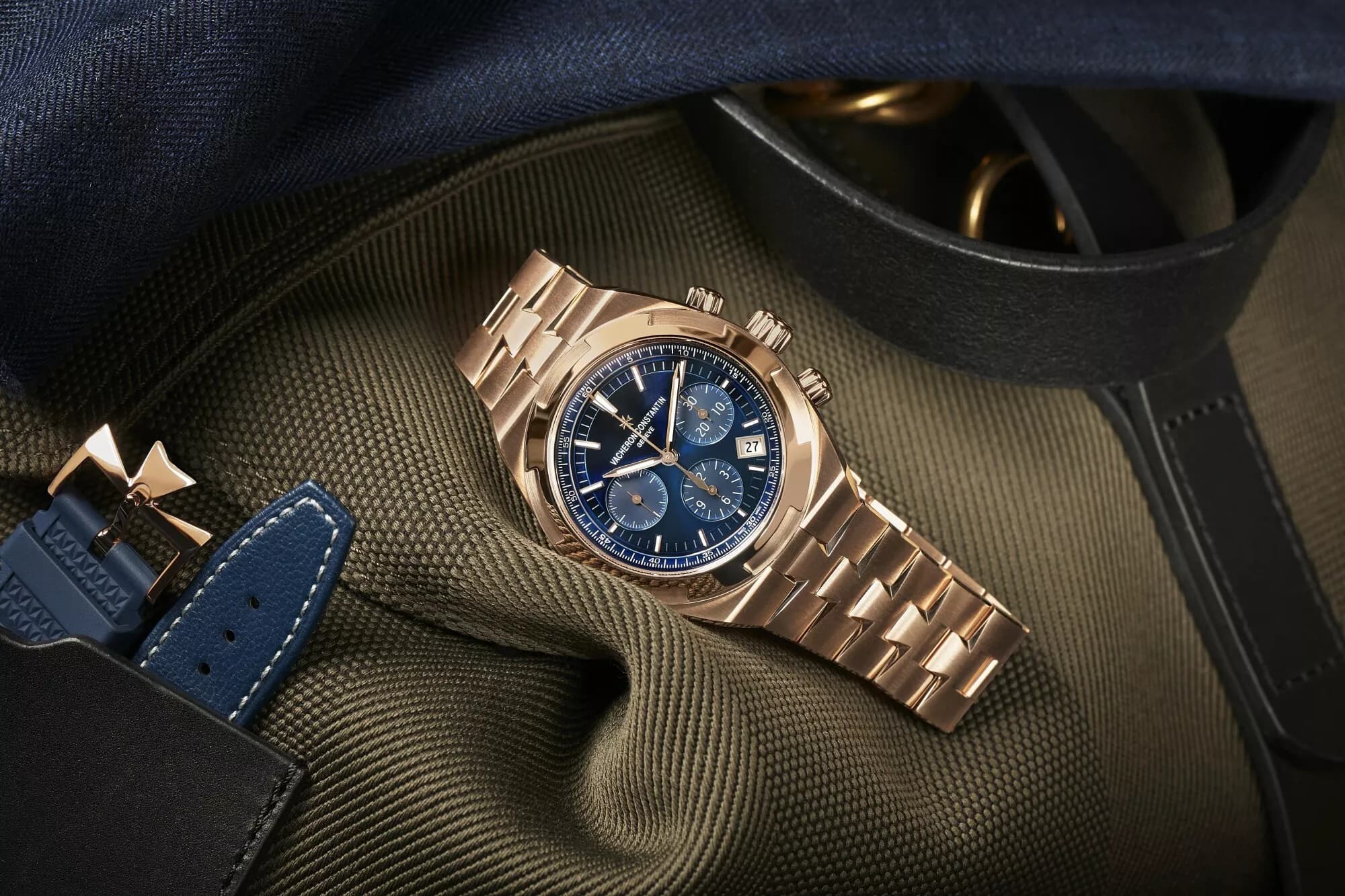
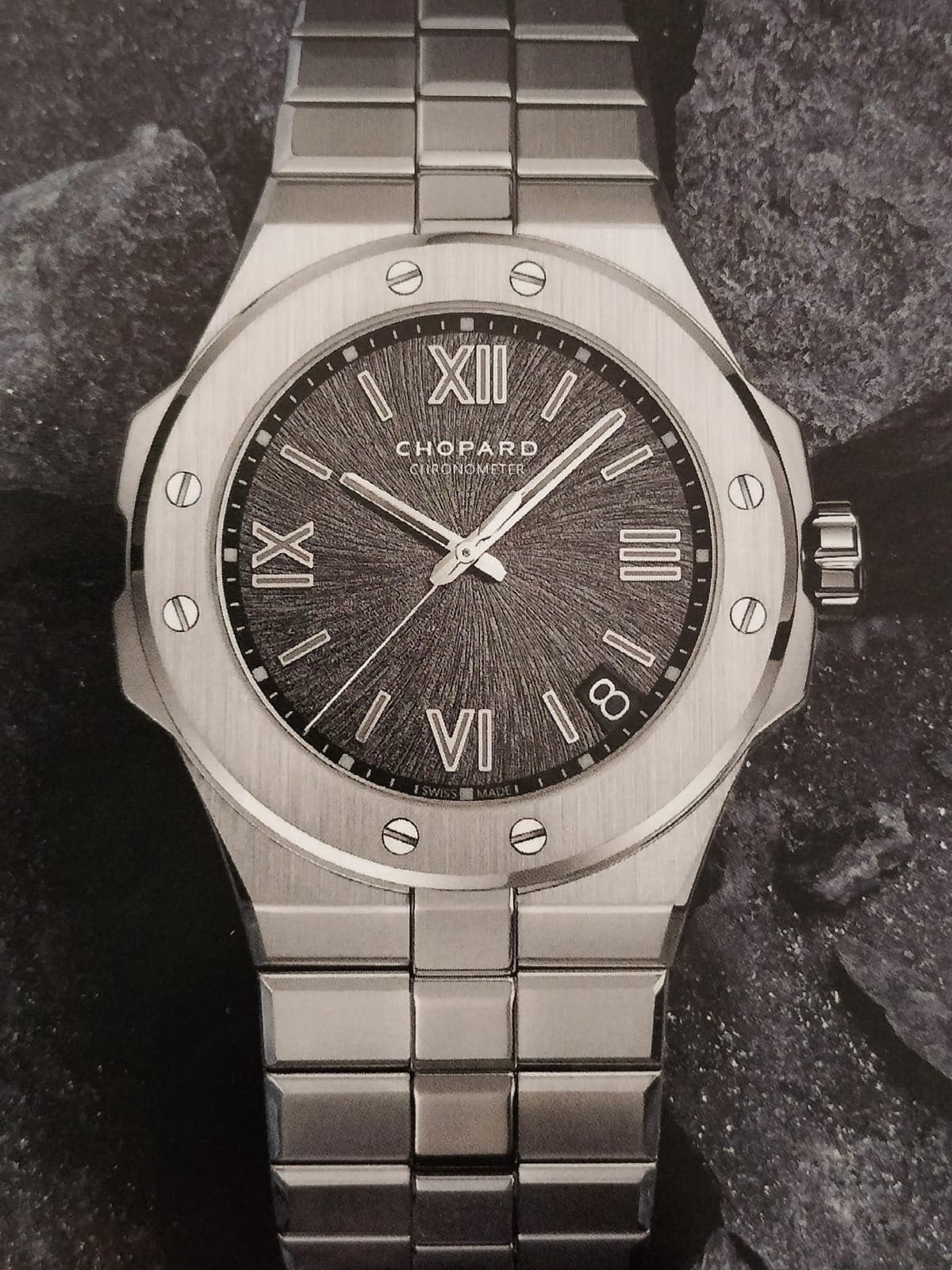
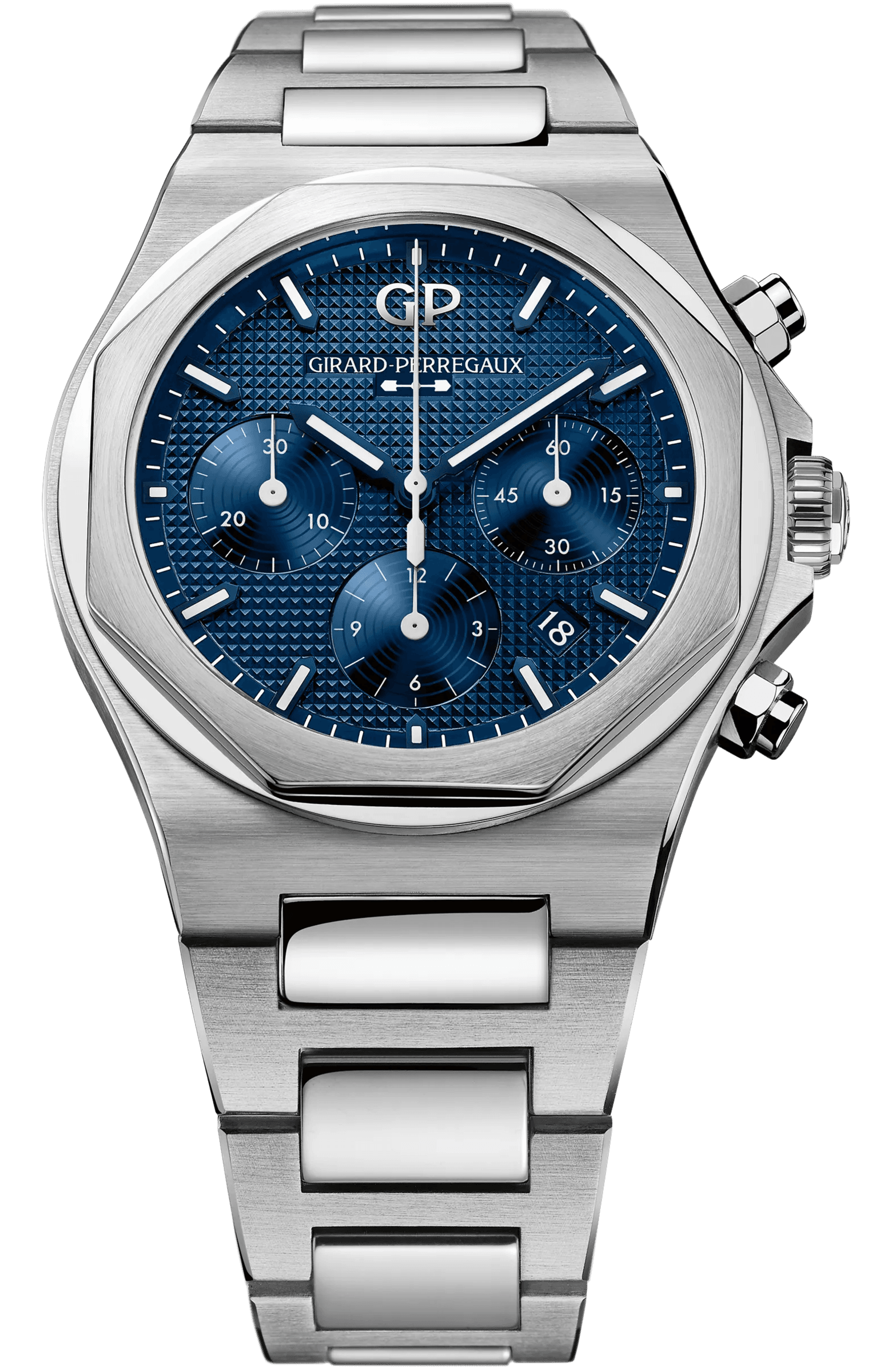
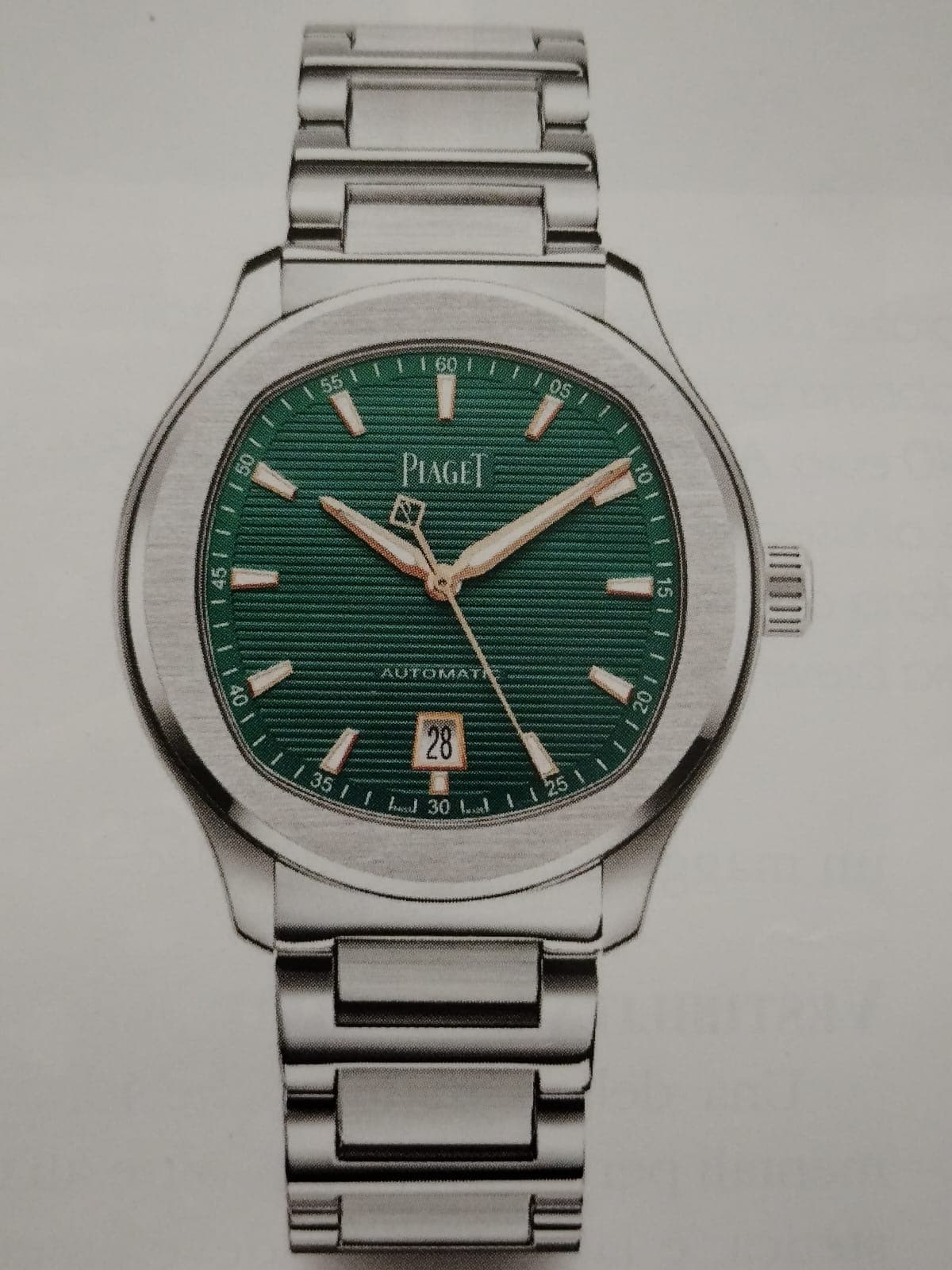
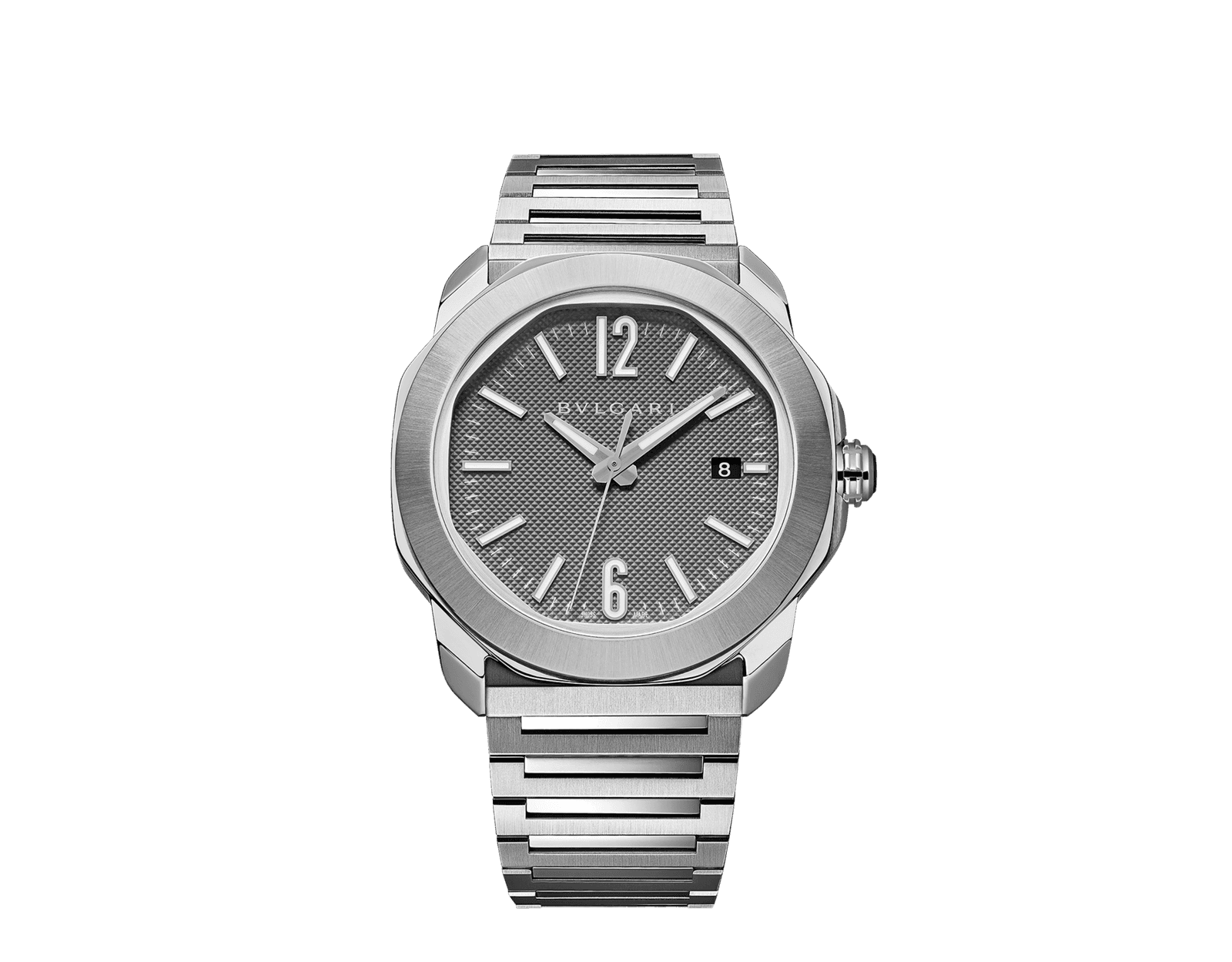
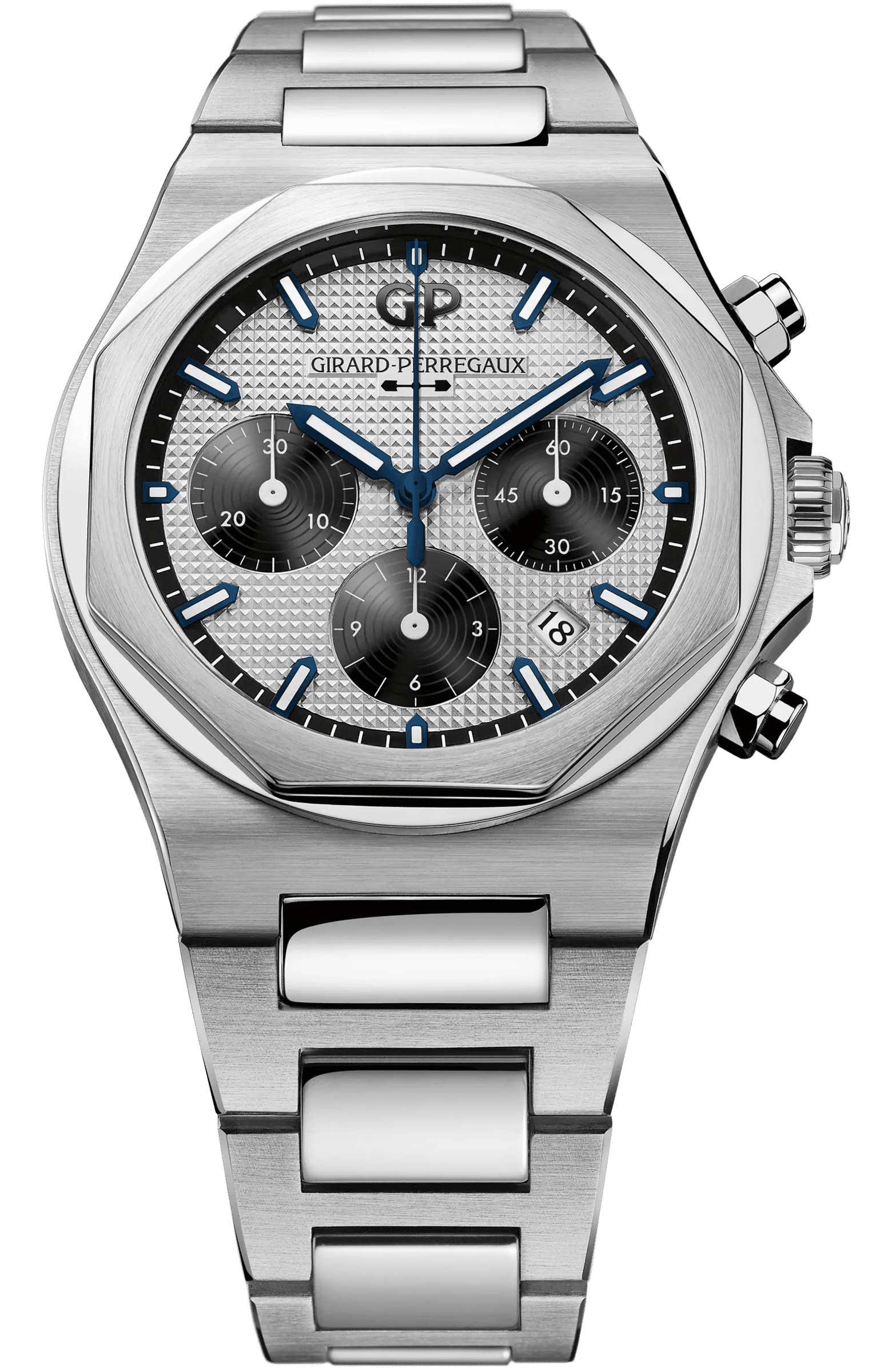
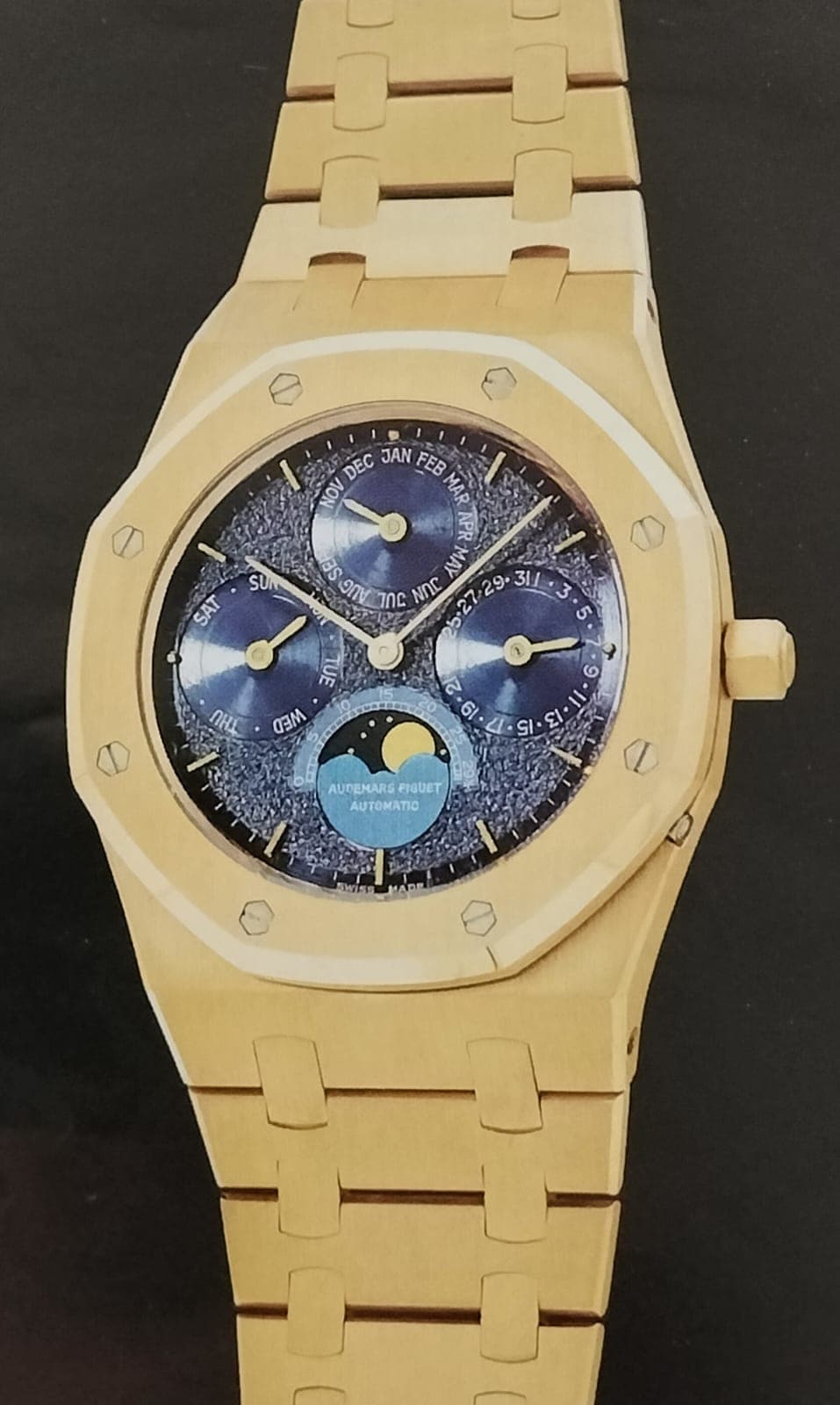
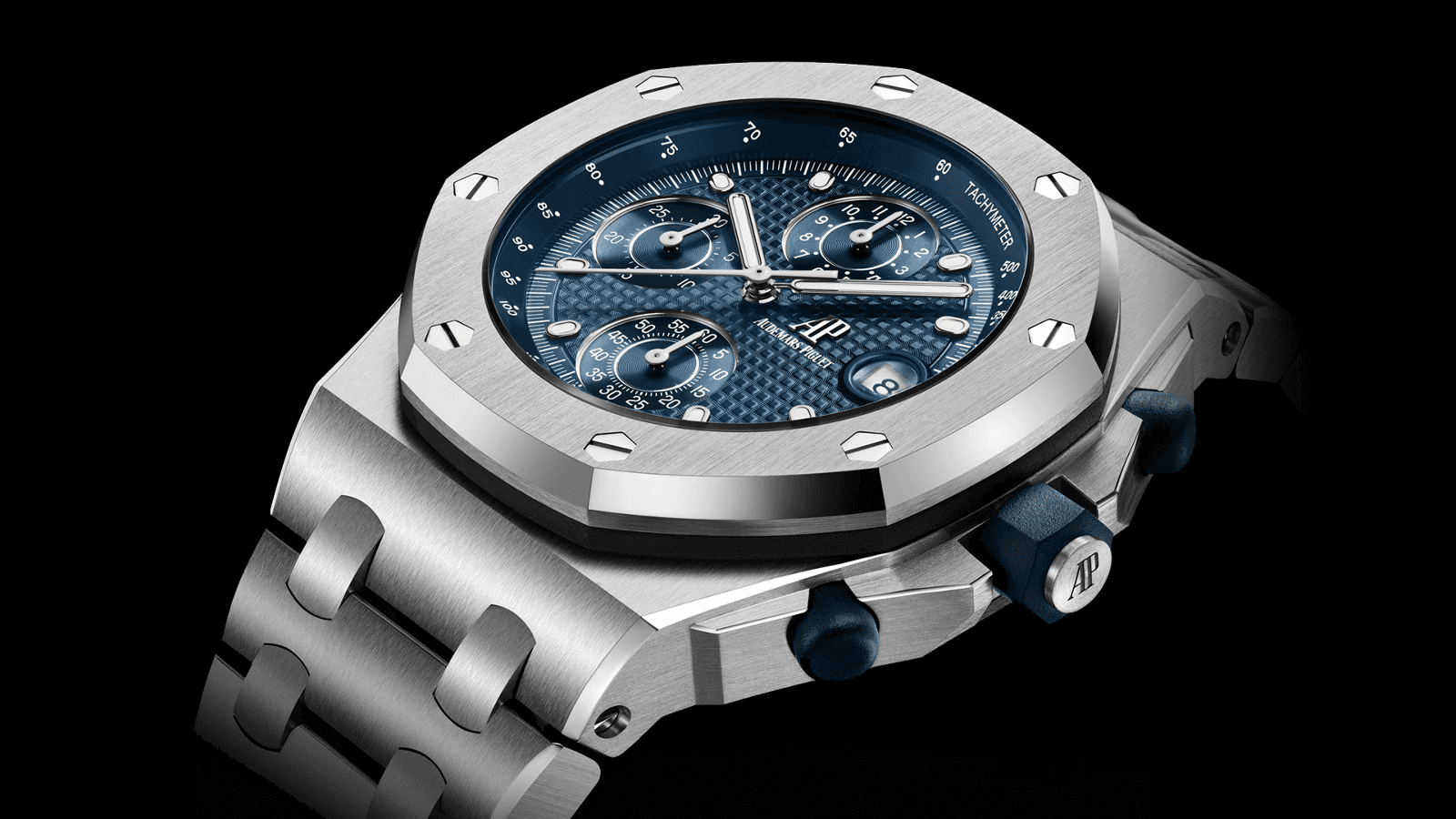
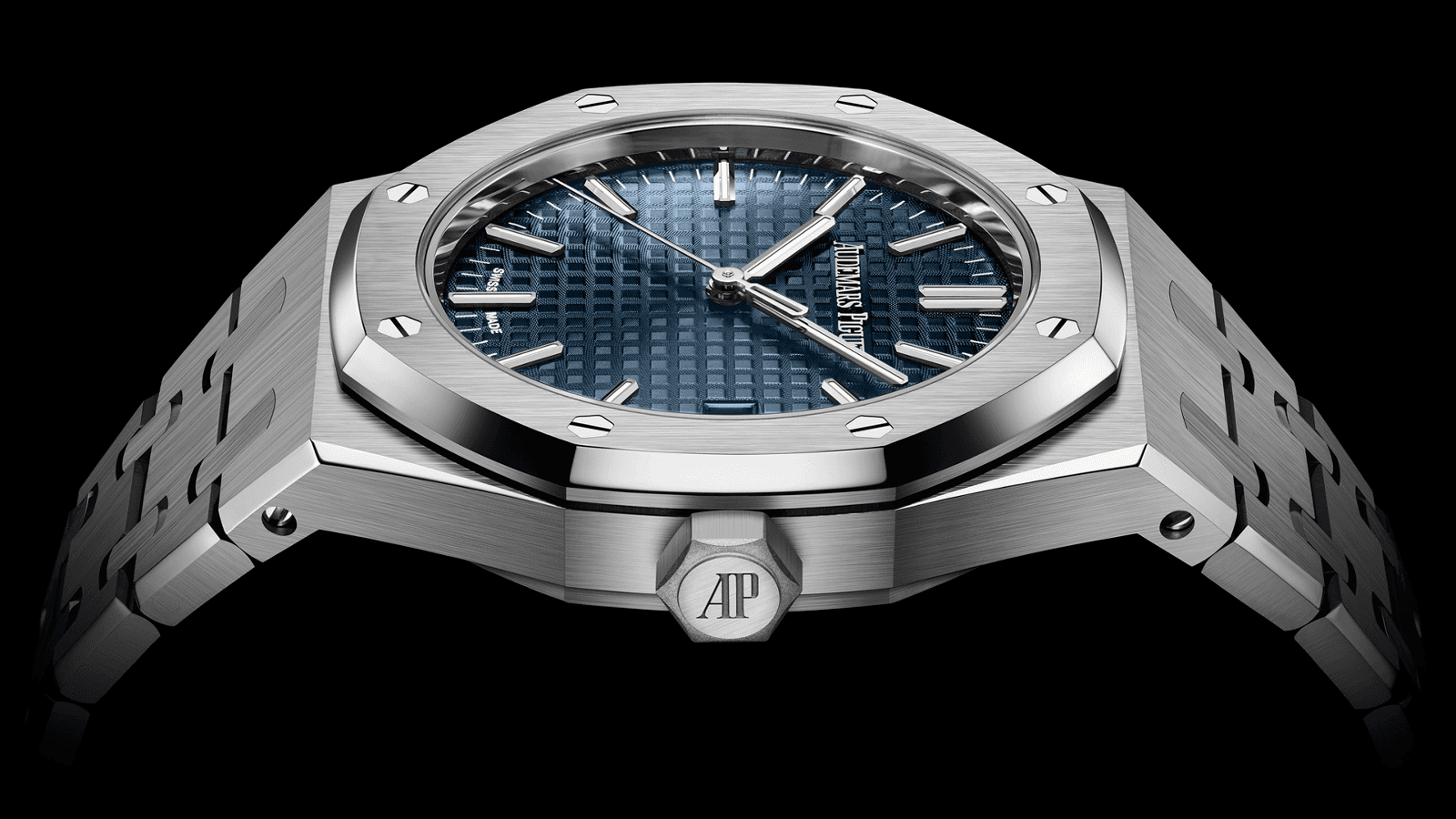
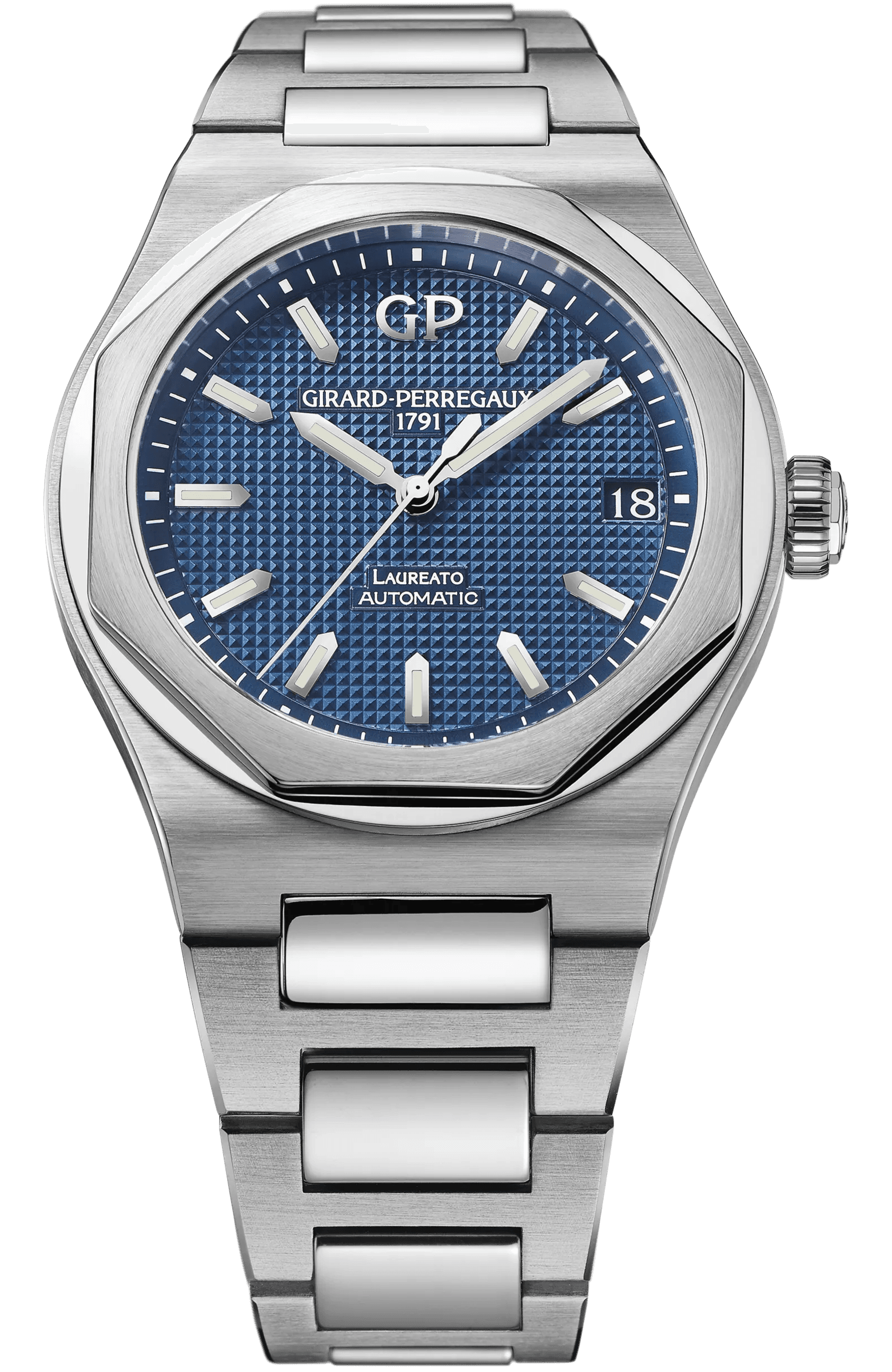
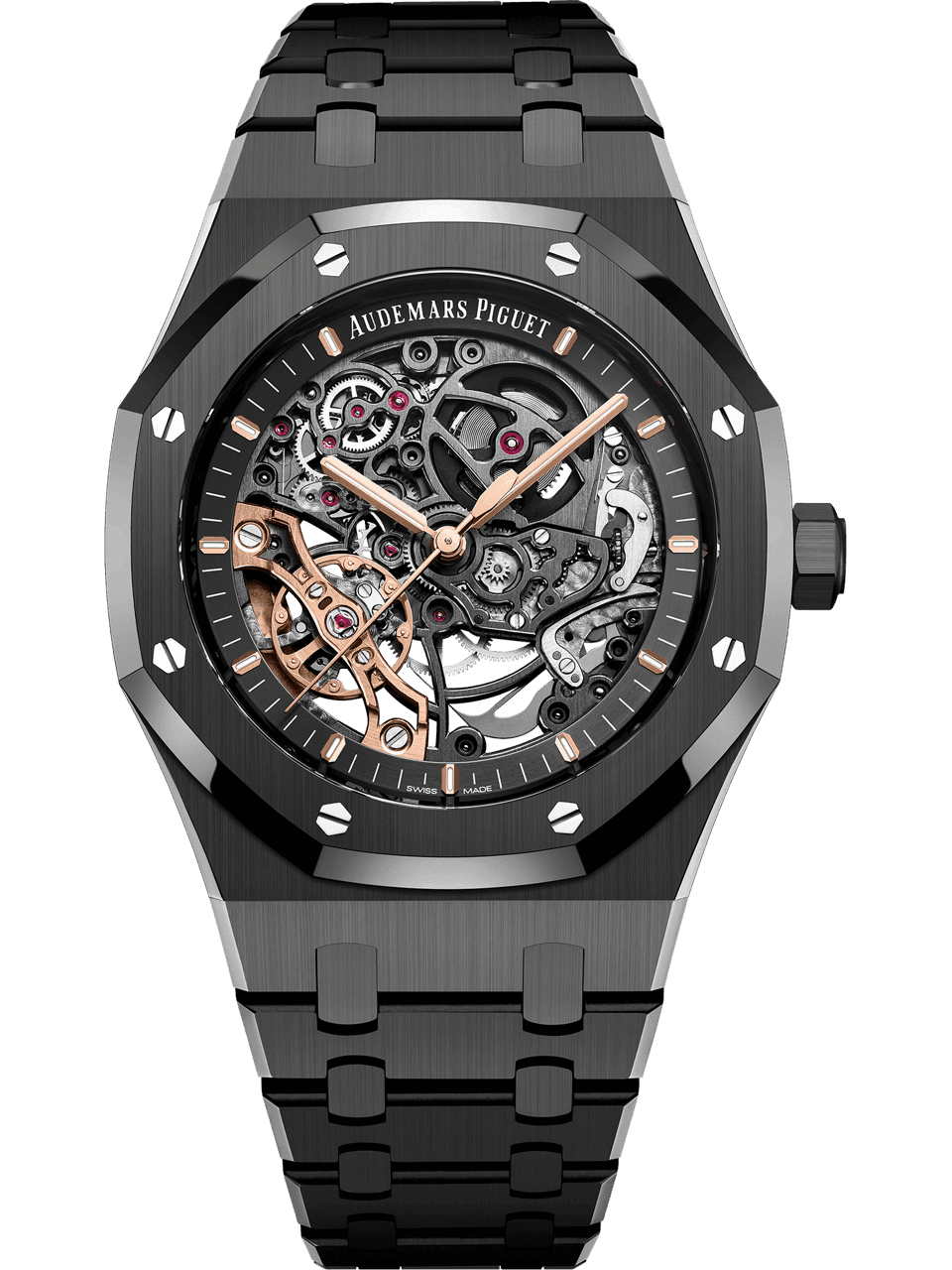
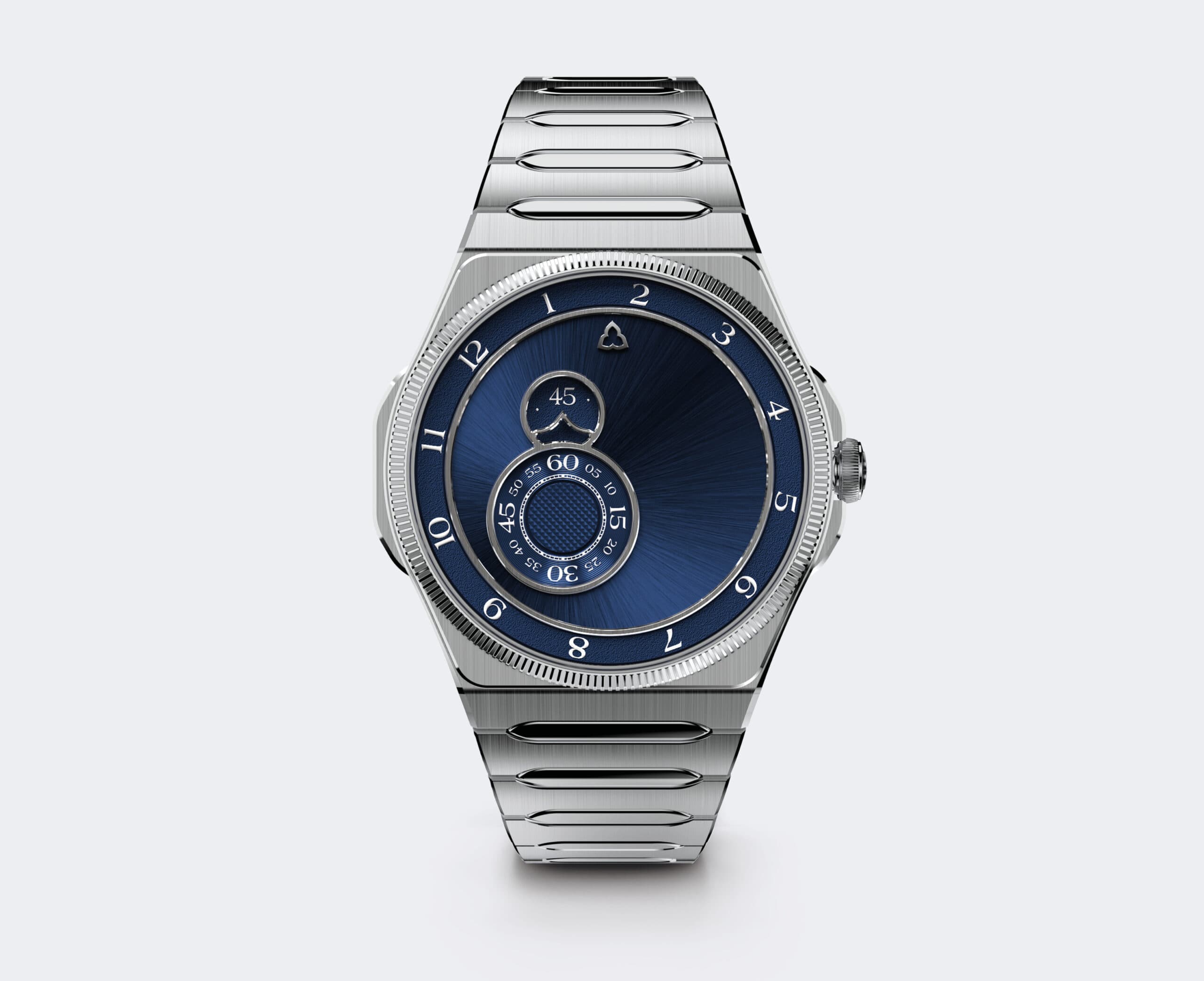
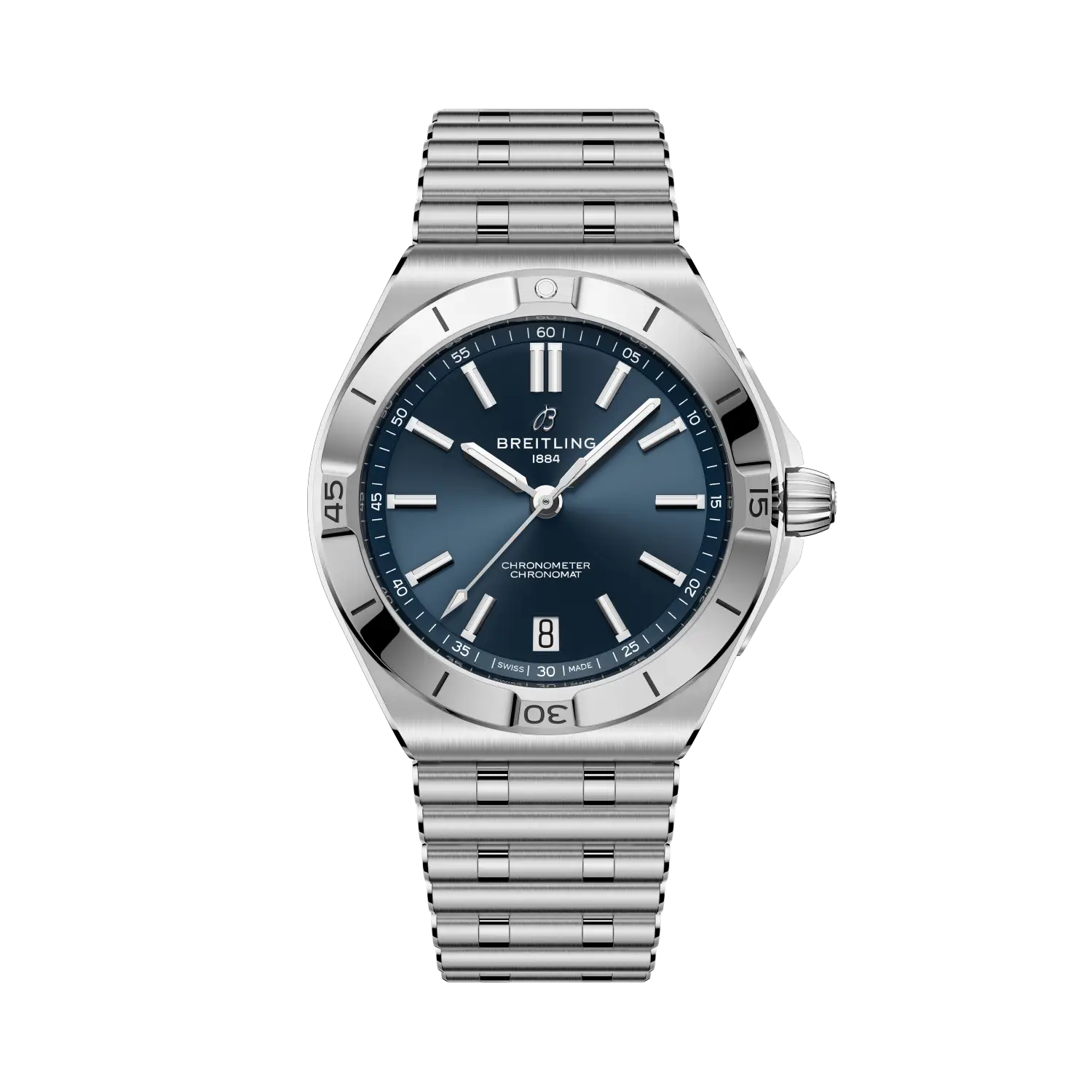
An integrated bracelet is designed as part of the case, there is no removable spring bar where bracelet meets lug; instead, the first link is mechanically continuous with the case profile. Gérald Genta's 1972 Royal Oak (Audemars Piguet 5402ST) was the canonical integrated-bracelet sport-dress watch, and the format defined the most-collected category of the last decade. Nautilus, Royal Oak, Ingenieur, Vacheron Overseas, and their many successors all share the same design grammar.
Notable references
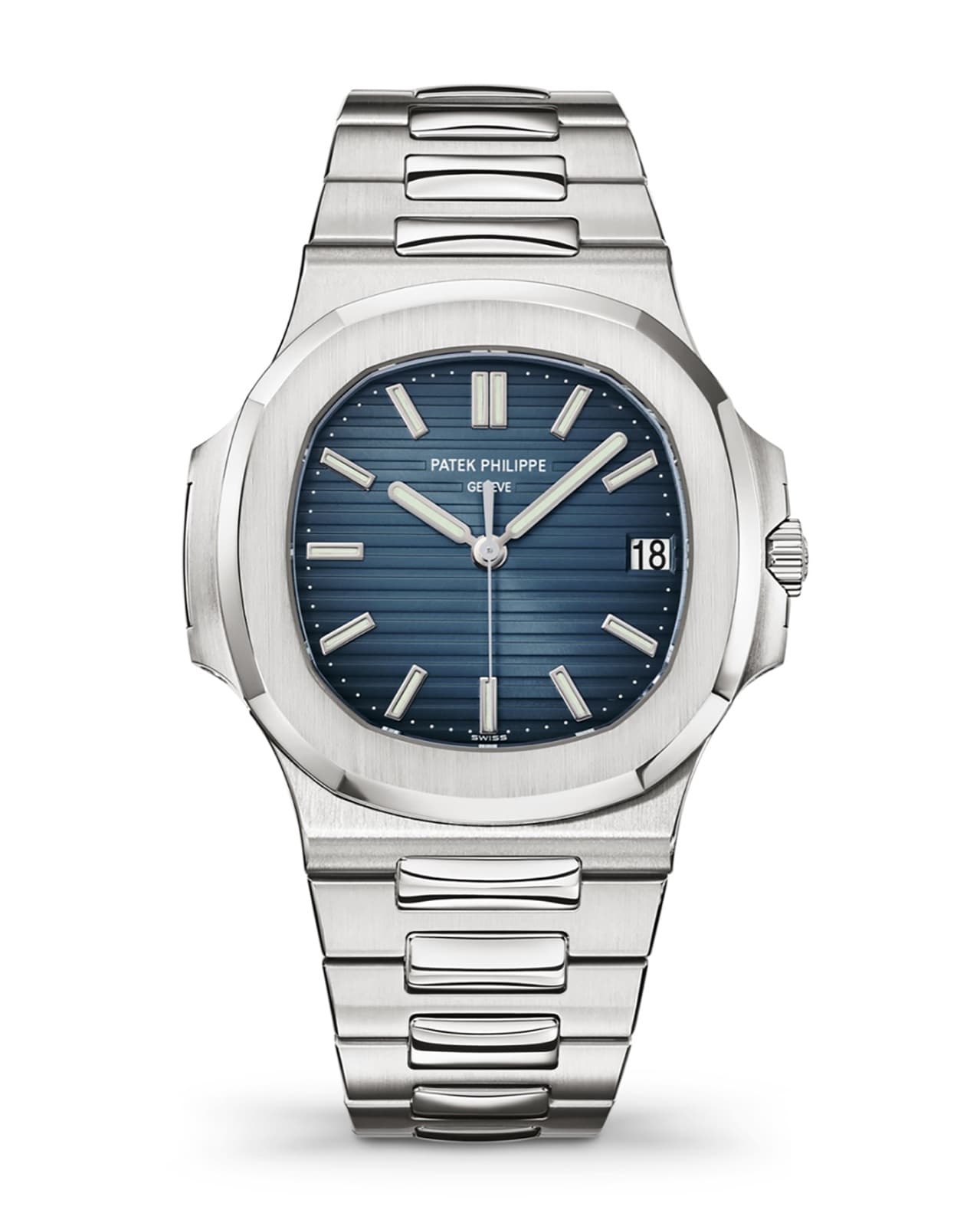
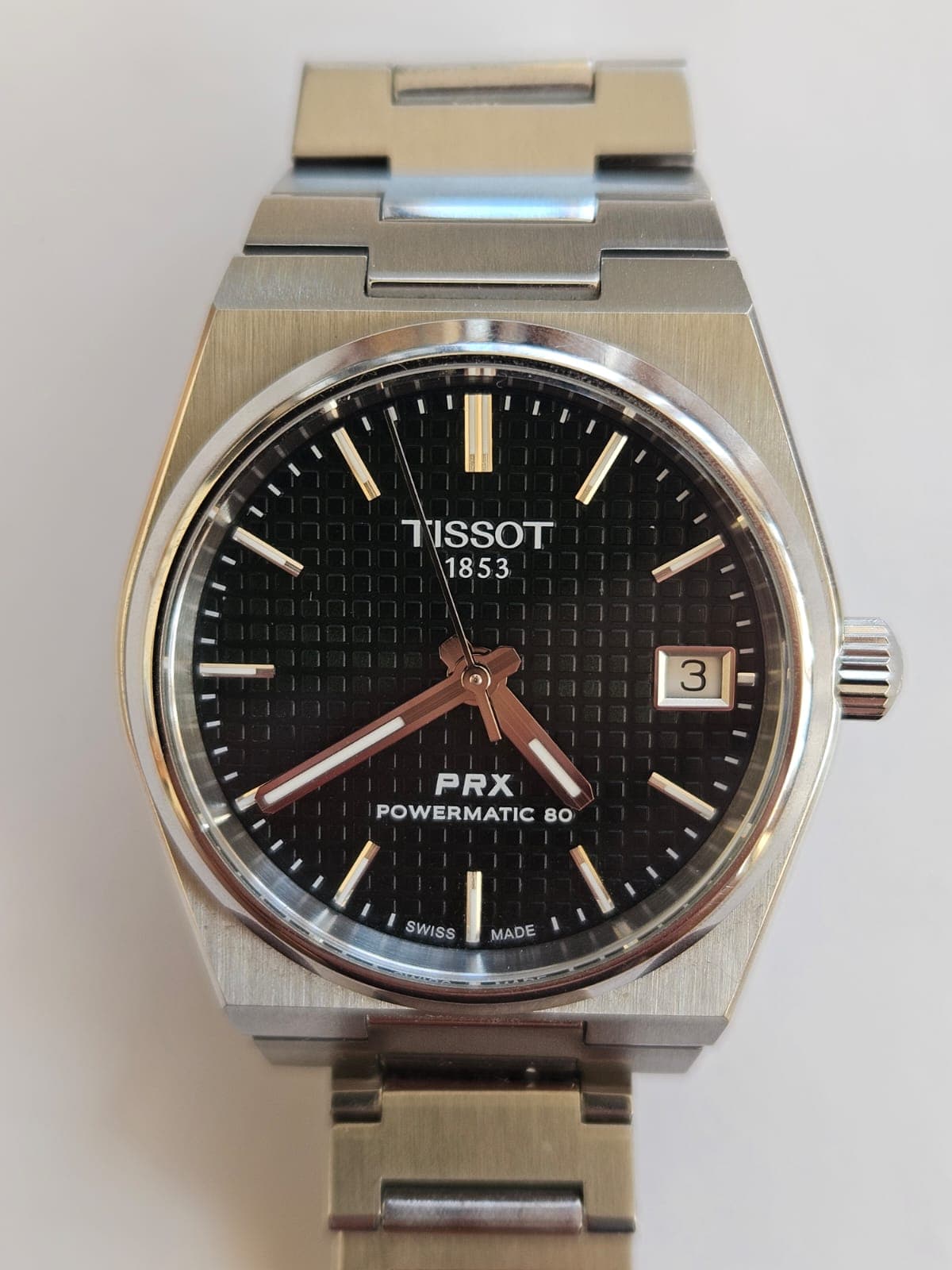
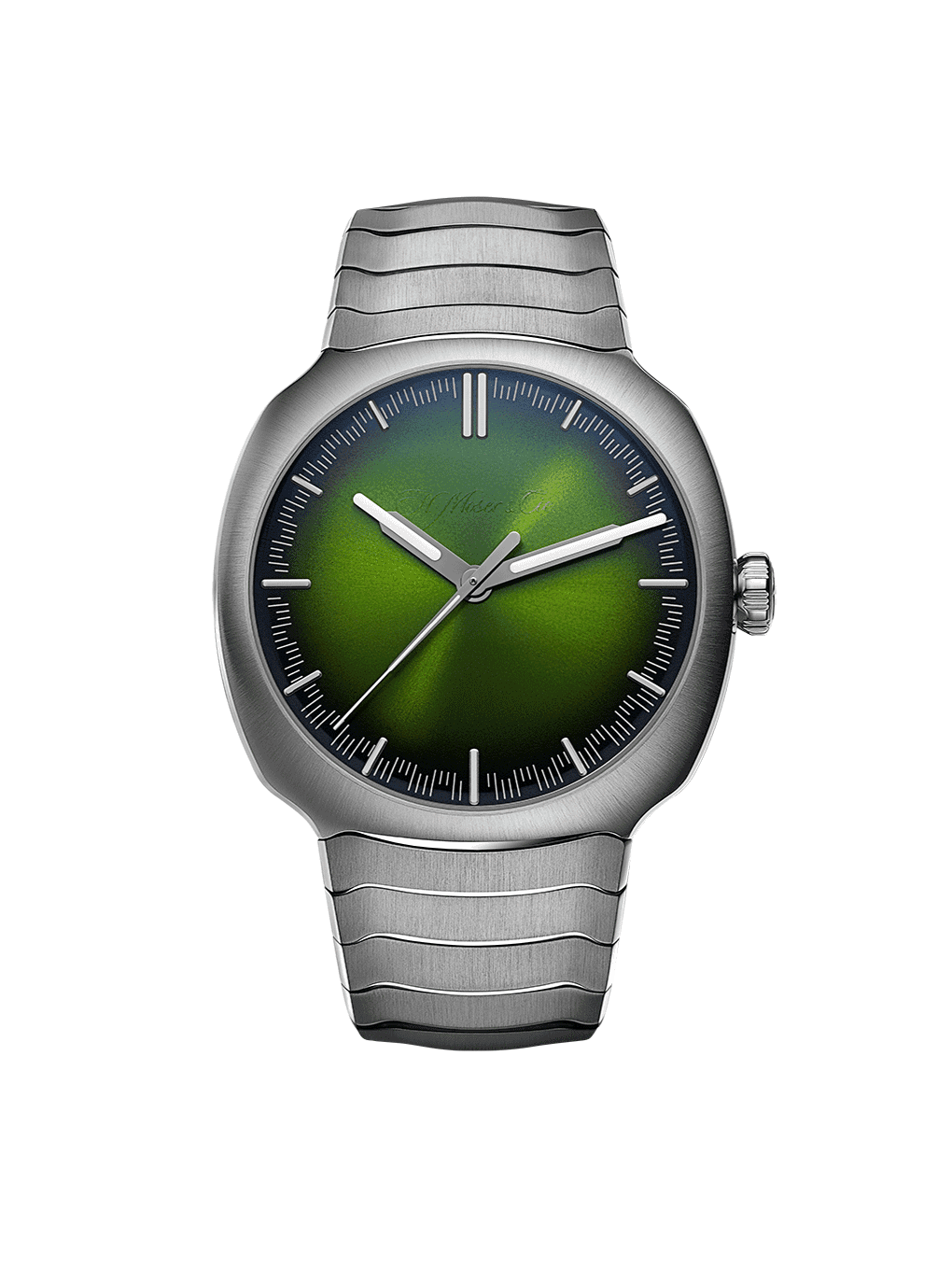
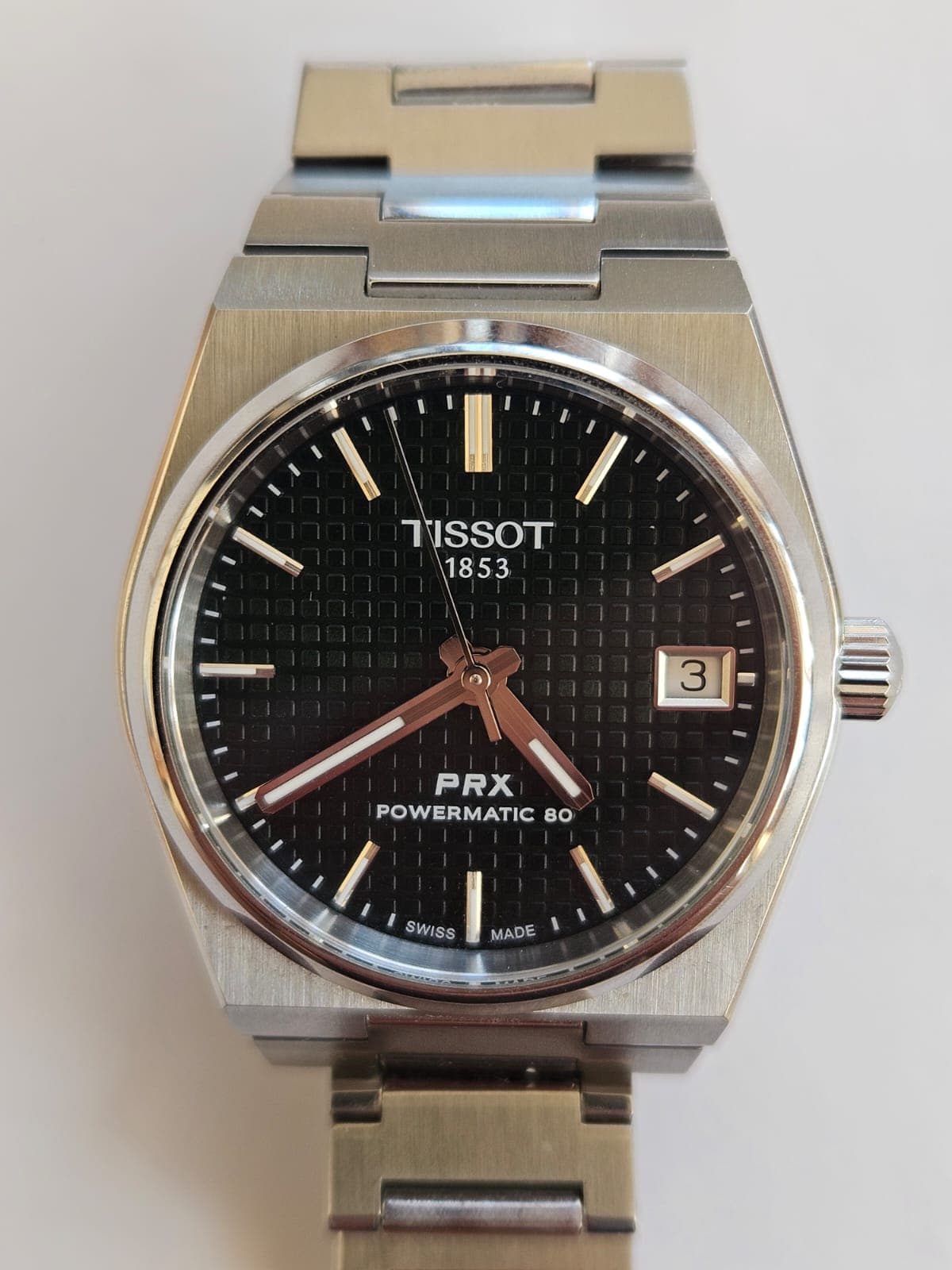
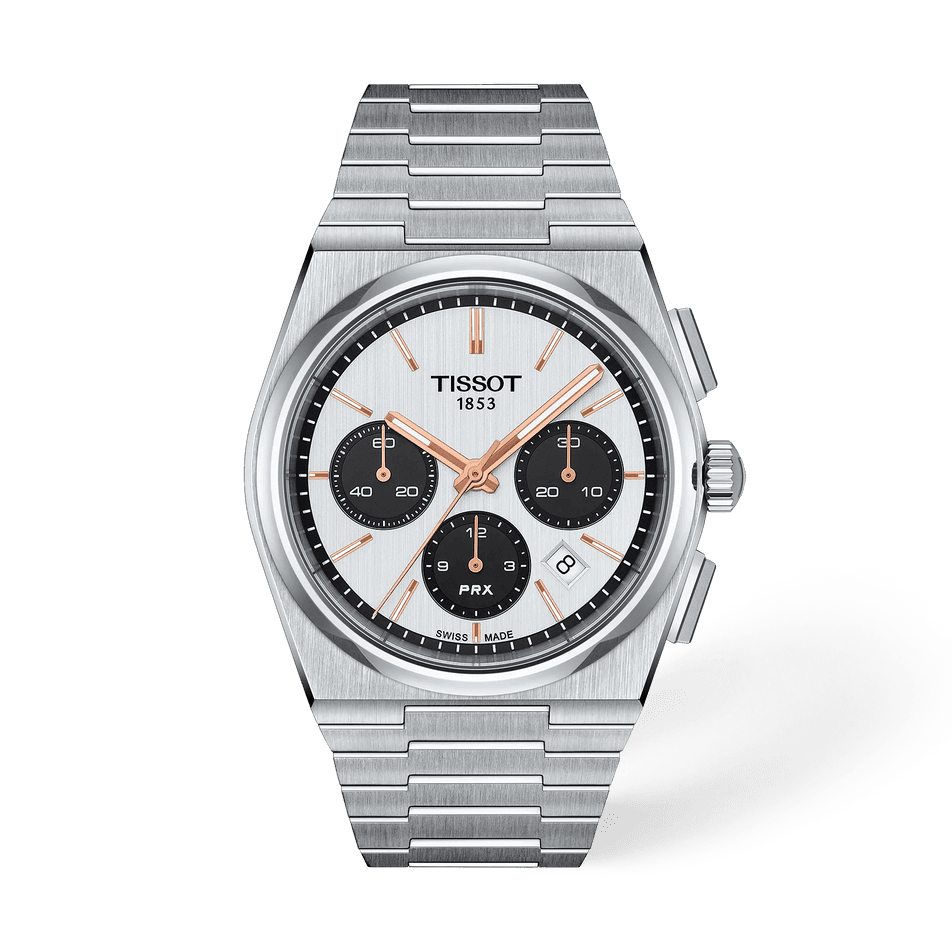
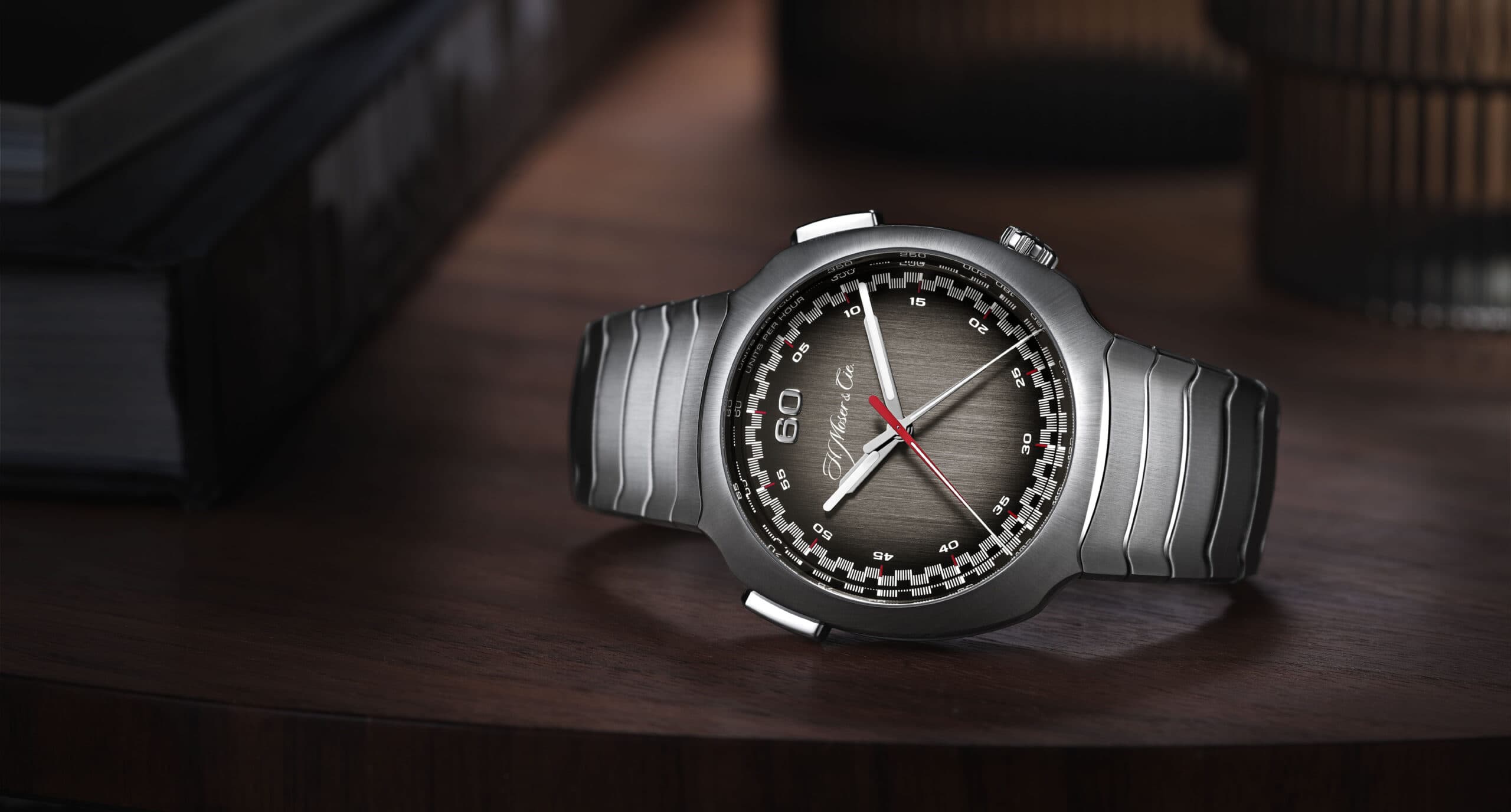
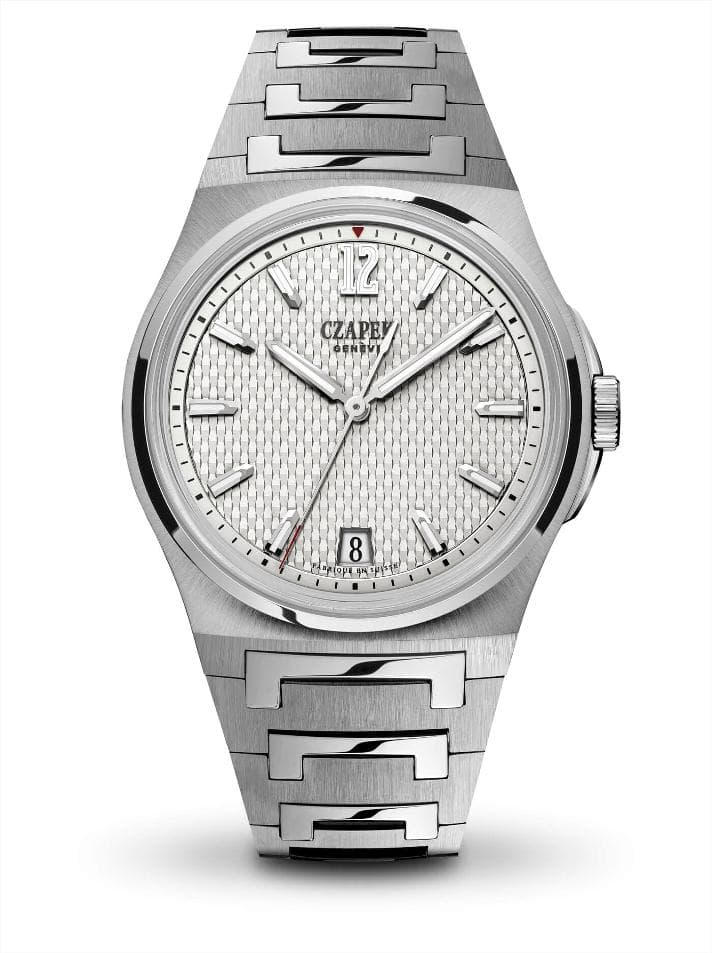
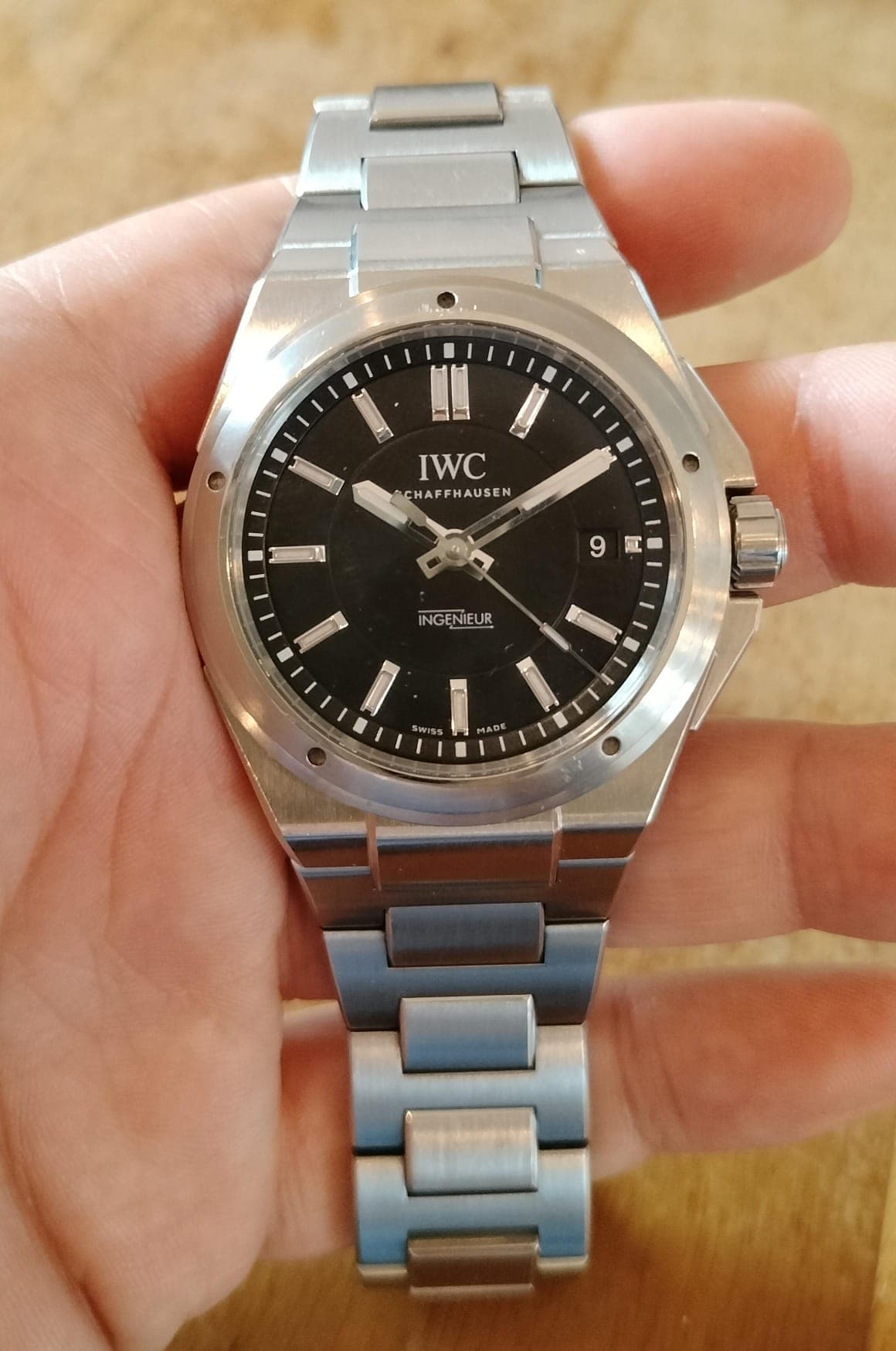
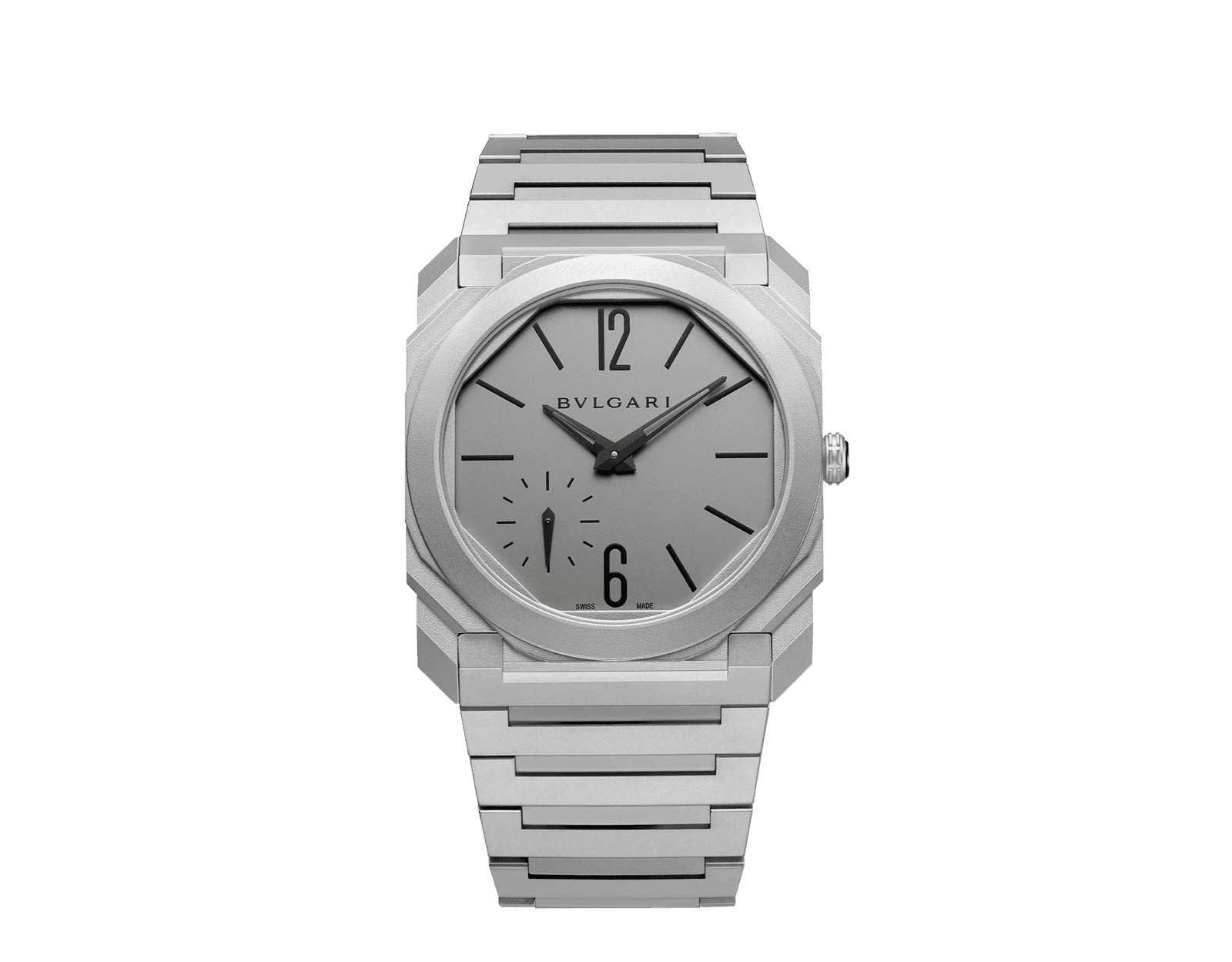
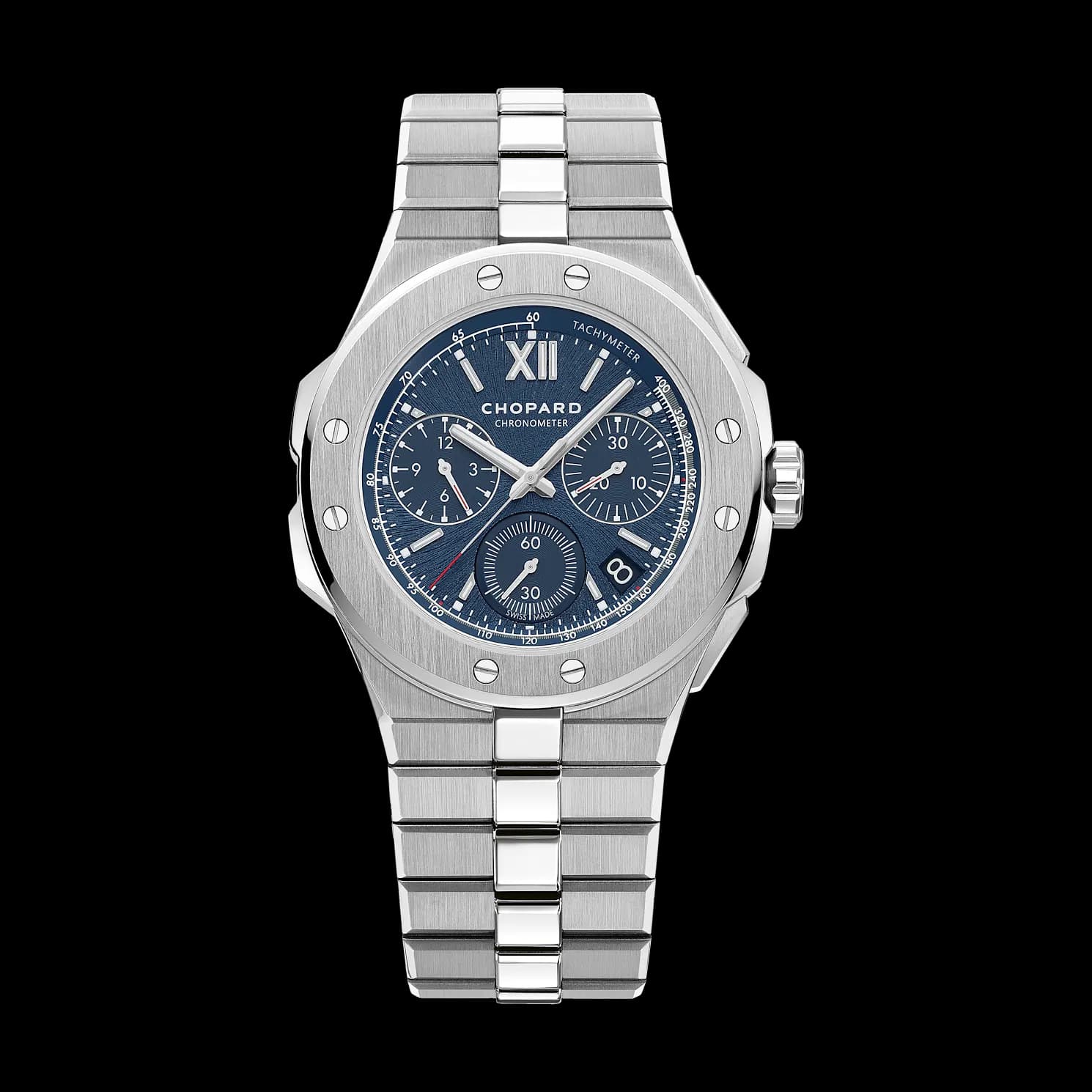
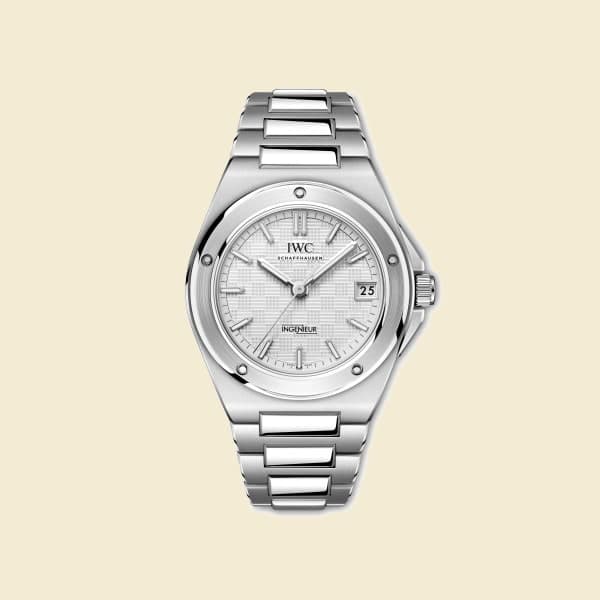
The Audemars Piguet Royal Oak 15202ST (the original "Jumbo" reborn) and its successor 16202ST, the Patek Philippe Nautilus 5711/1A-010 (discontinued 2021, the chase reference of the modern collector mania), and the Vacheron Constantin Overseas 4500V/110A-B128 are the trio at the luxury end. The IWC Ingenieur 40 IW328901 (the 2023 reissue that finally got the bracelet right after years of missed Genta-era attempts) and the Czapek Antarctique Terre Adélie sit in the same conversation. At more accessible tiers, the Tissot PRX 40 205 and the Vacheron Constantin Overseas-adjacent dress-sport options from H. Moser, Chopard, and Bvlgari (Octo Finissimo) extend the category.
How to shop one
Bracelet construction is the entire purchase. The Royal Oak bracelet has fully polished outer chamfers and brushed flat surfaces, the contrast between the two finishings is what makes the watch read as luxury rather than tool. The Nautilus bracelet is more uniform but uses a center-link decorative groove that adds light-catch. Hold both under raking light before deciding. Lug-to-lug measurements matter dramatically on integrated bracelets because the watch does not "drape" over the wrist like a strap watch, a 39 mm Royal Oak has 47 mm lug-to-lug, which wears taller than its case diameter on flat wrists.
The clasp is the other major variable. The Royal Oak's deployant is the original AP clasp, refined since 1972 but still a folding deployant. Patek's Nautilus folding clasp is a different mechanism. The Tissot PRX uses a butterfly clasp that opens both sides, different feel, much cheaper. Try the bracelet under-wrist pressure (rest the watch against a table). A poorly-engineered integrated bracelet will dig at the case lugs.
Common pitfalls
The first pitfall is allocation. The headline references (Royal Oak Jumbo, Nautilus 5811/1G-001) are sold through dealer relationships and are functionally not available at retail to walk-in buyers. Grey market prices have come down from the 2022 peak but remain above MSRP for the most-wanted references. Many of the alternates in the category (Vacheron Overseas, IWC Ingenieur 40, Czapek Antarctique) are immediately available and often deliver more horological value per dollar, the bracelet behavior is what you are buying. Second pitfall: integrated bracelets are not removable. You cannot swap to a leather strap and back; the dimensional and lug interface is unique. Buy the watch you want to wear that way every day. Third: sizing. Integrated bracelets size by link, not by micro-adjustment, get the link count right at purchase. Adding or removing a link later is not trivial and not every shop will do it without sending to the brand.
77 references in this strap / bracelet
- Open
- Open
- Open
- Open
- Open
- Open
- Open
- Open
- Open
- Open
- Open
- Open
- Open
- Open
- Open
- Open
- Open
- Open
- Open
- Open
- Open
- Open
- Open
- Open
- Open
- Open
- Open
- Open
- Open
- Open
- Open
- Open
- Open
- Open
- Open
- Open
- Open
- Open
- Open
- Open
- Open
- Open
- Open
- Open
- Open
- Open
- Open
- Open
- Open
- Open
- Open
- Open
- Open
- Open
- Open
- Open
- Open
- Open
- Open
- Open
- Open
- Open
- Open
- Open
- Open
- Open
- Open
- Open
- Open
- Open
- Open
- Open
- Open
- Open
- Open
- Open
- Open