Live pricing is coming soon. Get notified when it is available for this reference.
Community + OSINT signals haven’t landed for this reference yet. We don’t publish a rating against zero signal: the number would mean nothing. Editorial body + caliber + market value still surface above; ratings appear once the signal corpus does.
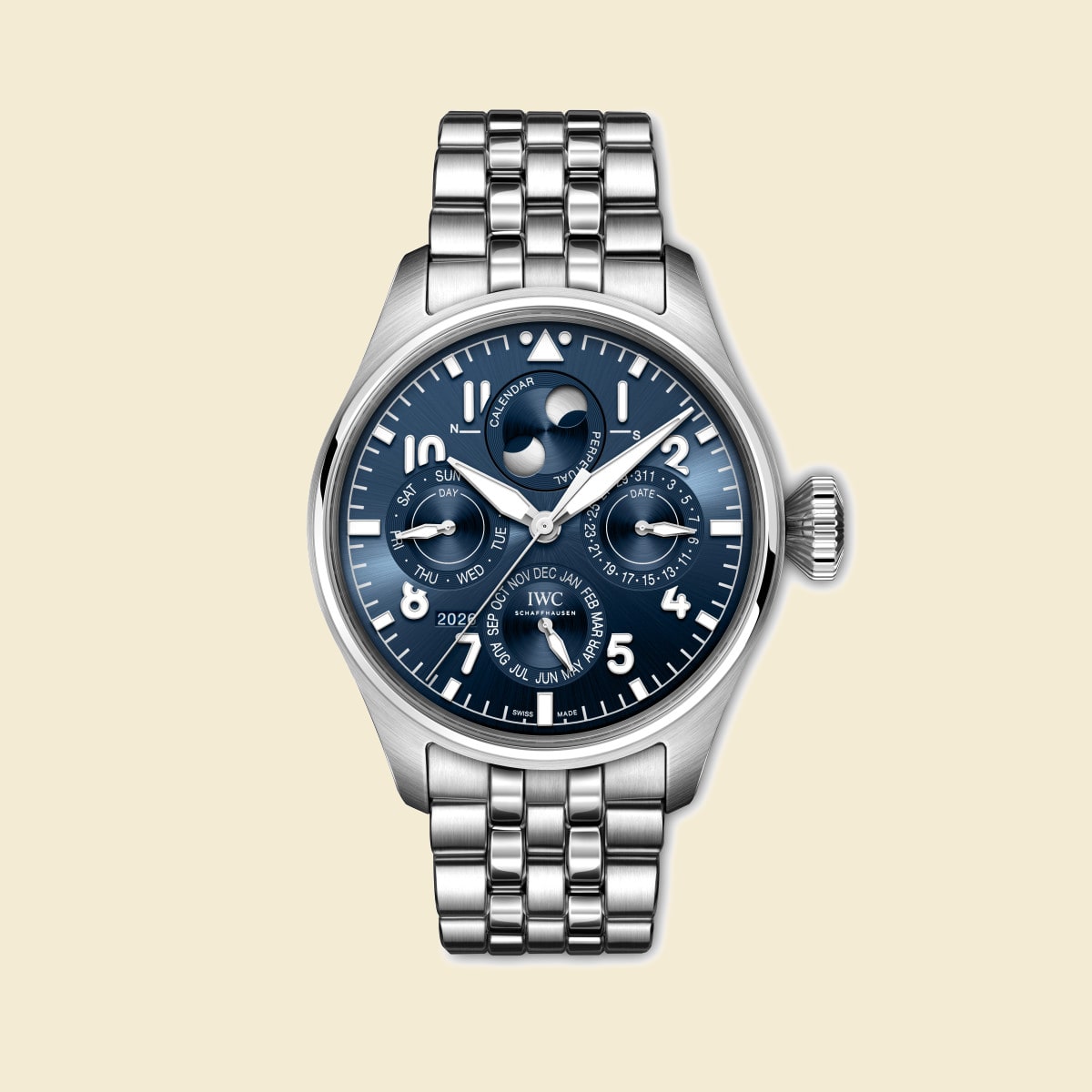
Big Pilot cases are widely replicated; working perpetual calendars are not. On this reference the calendar itself is the strongest authentication tool you have.
| Area | What to check | What is correct | Red flag |
|---|---|---|---|
| dial | Calendar layout | Four subdials, a four-digit year display at the 7 to 8 position, and the Double Moon showing both hemispheres. Deep blue dial with rhodium-plated appliqués and hands, all lume-filled | A three-digit or printed year, a single moon disc, or subdials whose hands do not move when the crown is turned |
| crown | How the calendar is set | Every calendar display, moon phase included, adjusts forwards and backwards from one crown position. No correctors in the case flank | Recessed pushers around the case band. That is an earlier IWC perpetual, not a ProSet |
| movement | Calibre through the display back | Calibre 82655: Pellaton automatic winding with ceramic components, 34 jewels, 4Hz, 60 hours of reserve | A visible rotor with a generic decorated bridge layout, or a solid caseback where a display back is expected |
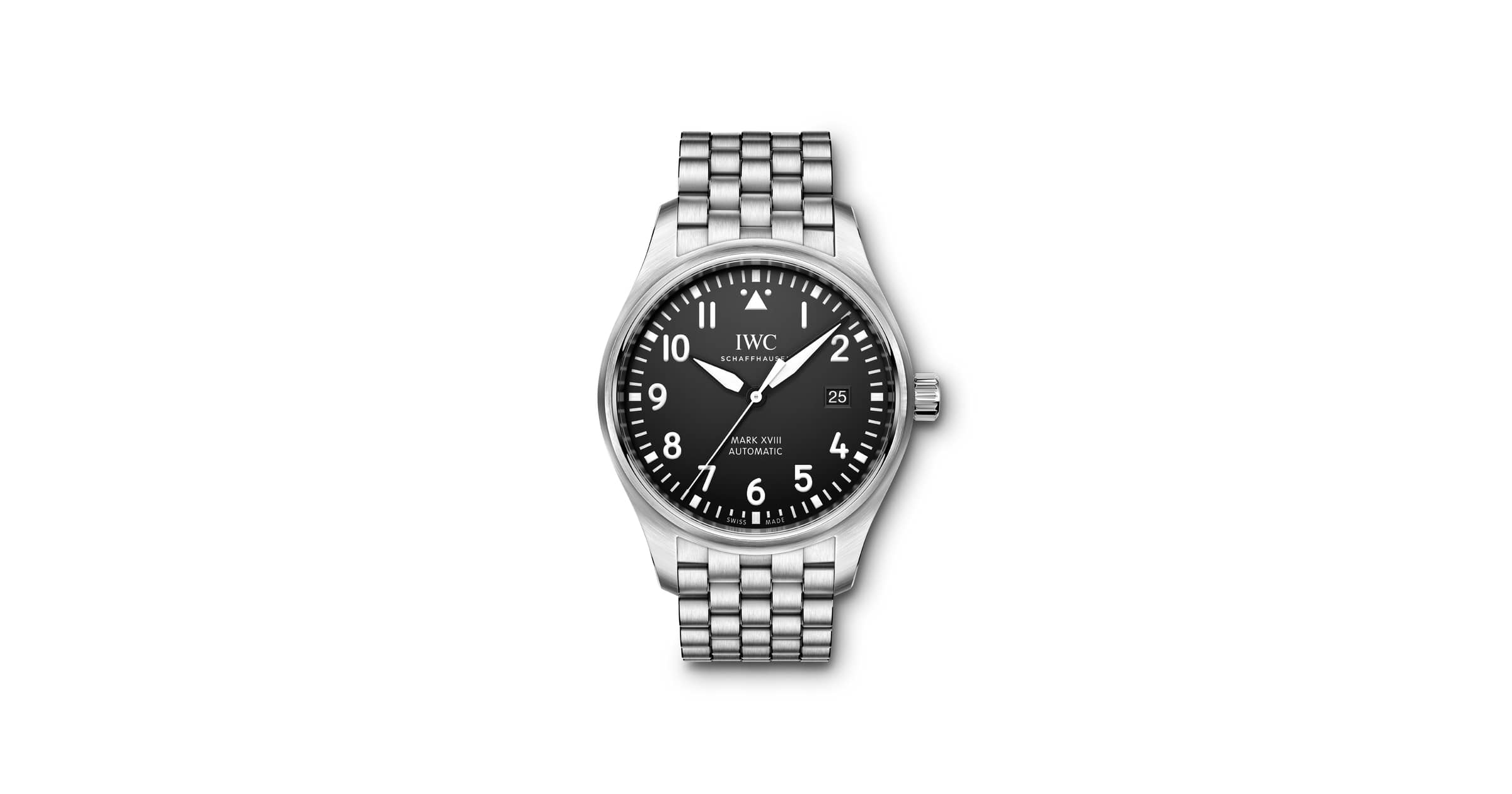
| bracelet | EasX-CHANGE attachment | The five-link steel bracelet releases and refits without tools, and the watch normally ships with a blue rubber strap alongside it | Conventional spring bars requiring a tool, which suggests a replacement bracelet or a different reference |
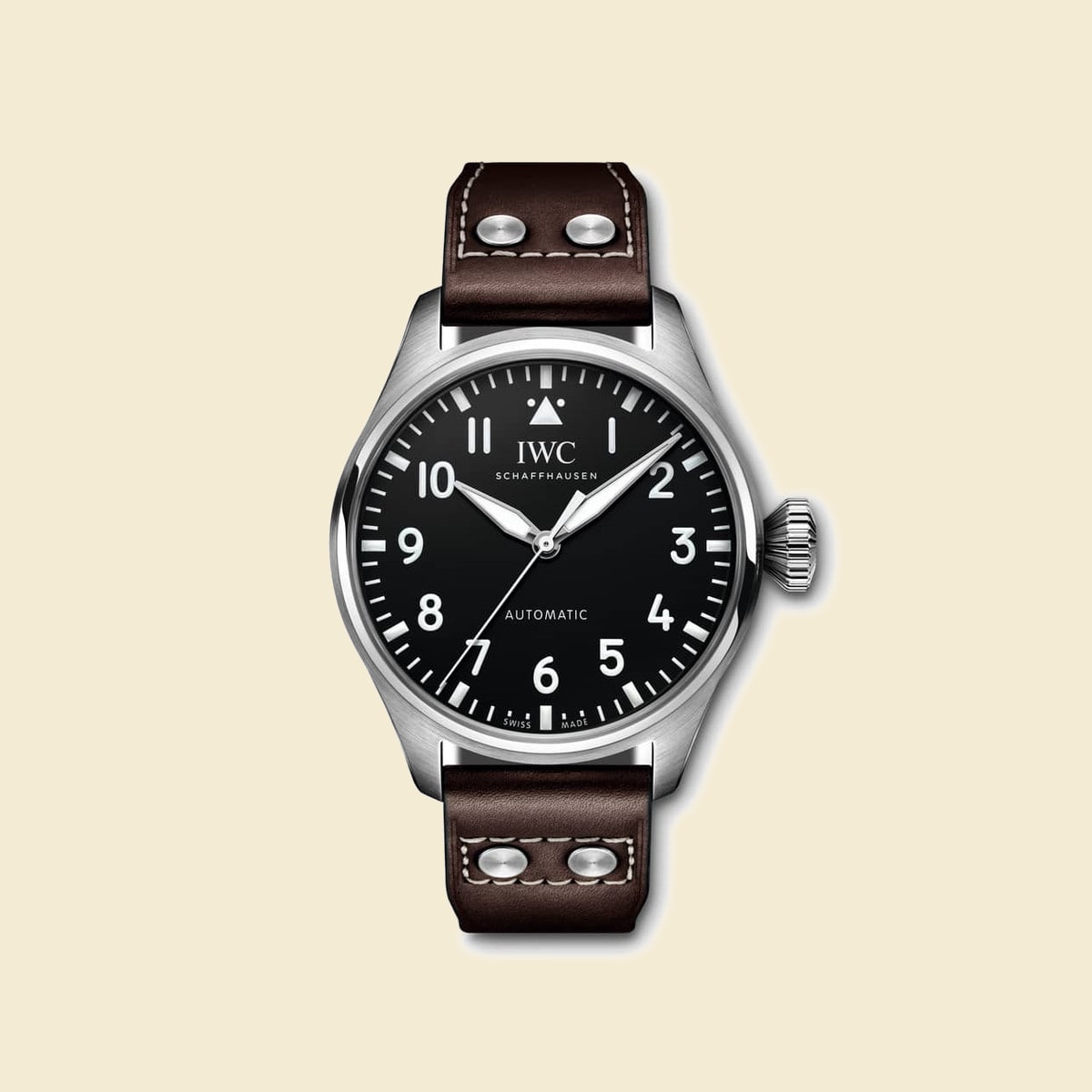
| case | Case dimensions | 42mm across and 14mm high in steel | A 46mm case, which belongs to the older Big Pilot line rather than this reference |