Perpetual-calendar watches
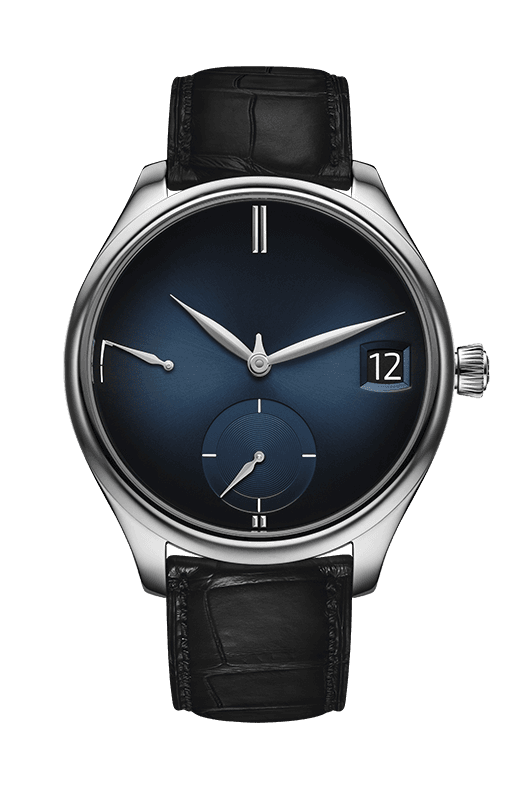
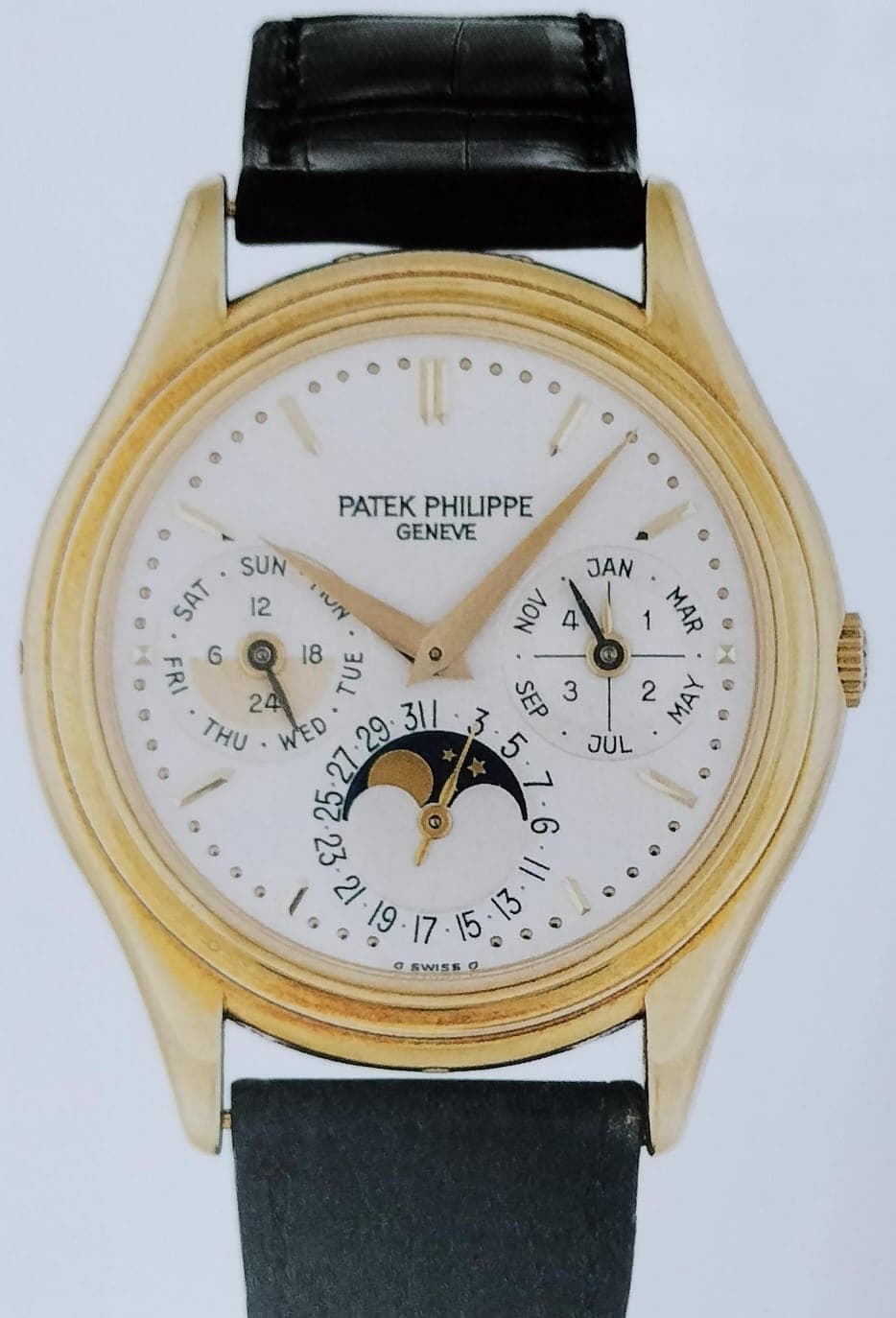
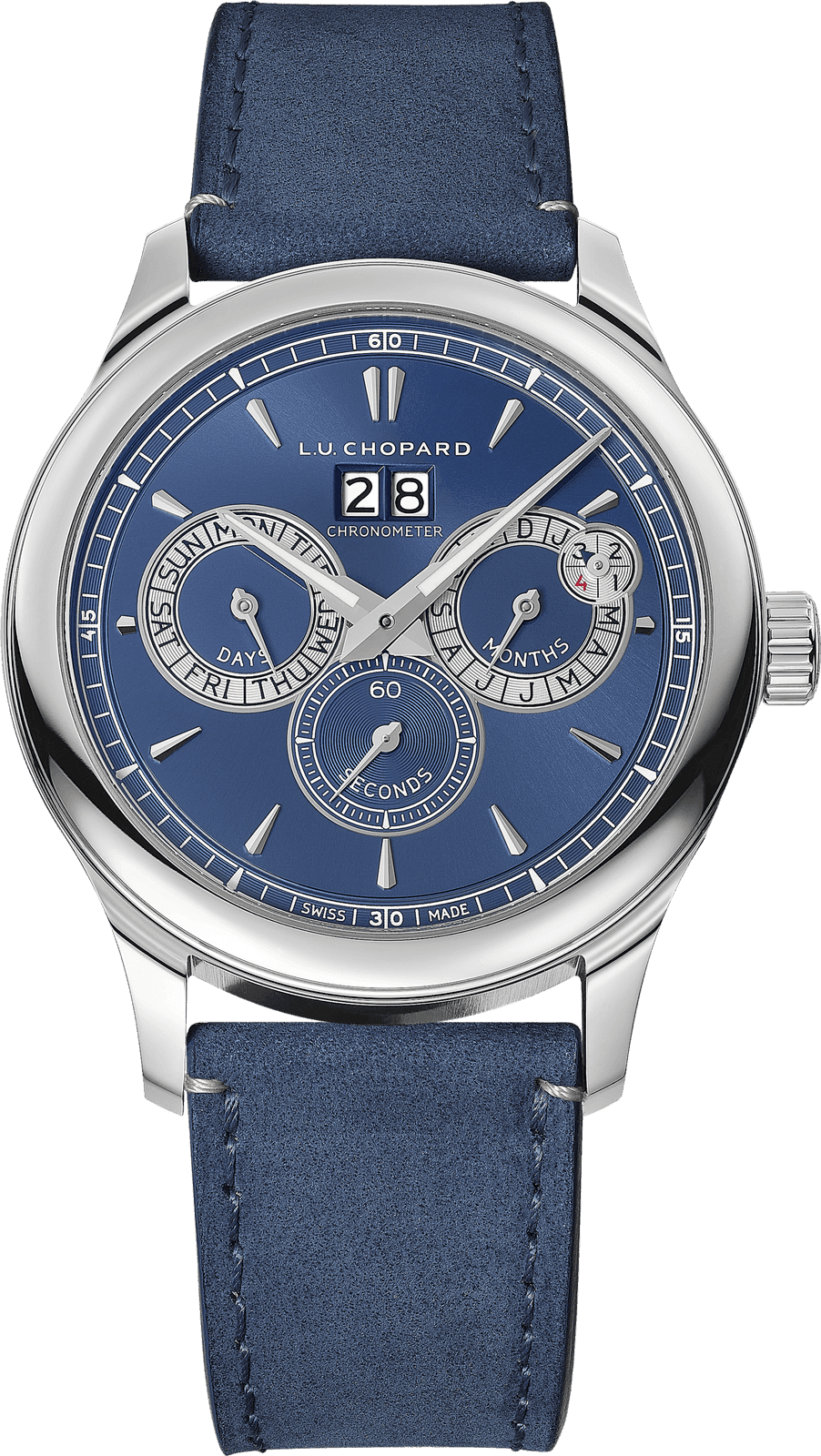
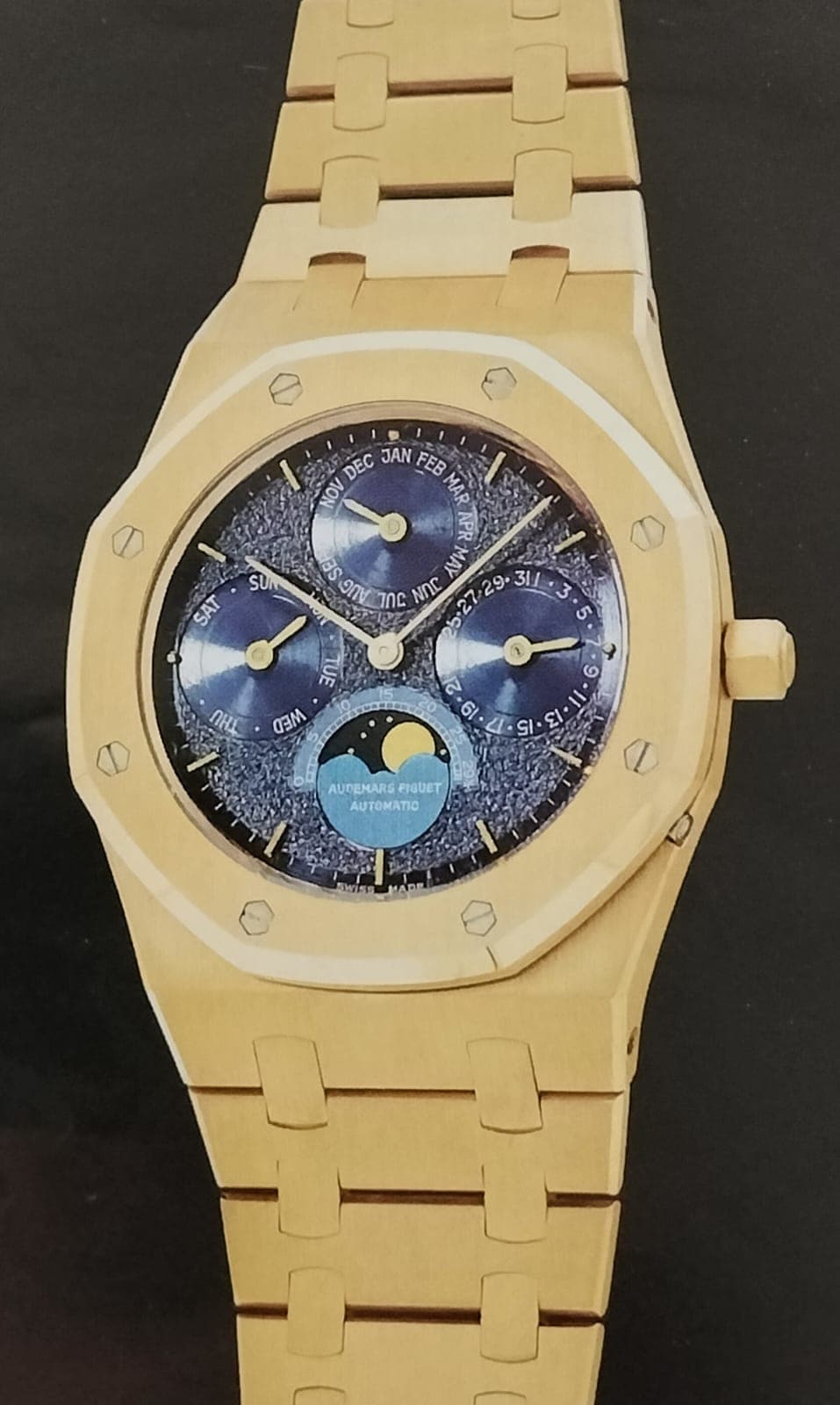
References in the Grail Atlas catalog carrying the perpetual-calendar complication.
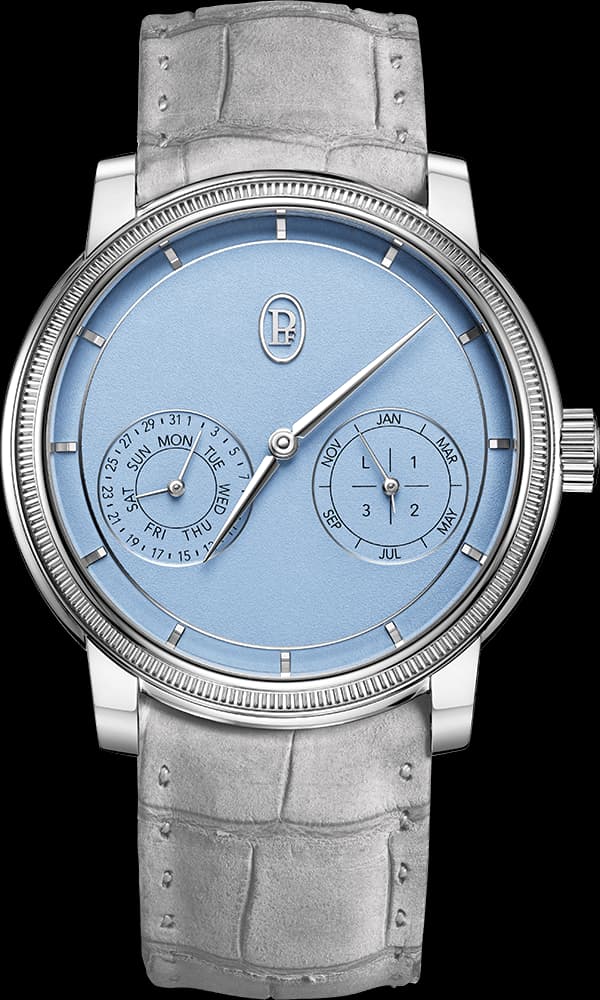
A perpetual calendar tracks day, date, month, and leap year, and accounts for the varying lengths of months (including February in leap years) without correction until 2100, when the Gregorian calendar skips a leap year. It is one of the three traditional "grand complications" along with the minute repeater and the tourbillon. The mechanism dates to Thomas Mudge's pocket watch in the 1760s; the wristwatch lineage runs through Patek Philippe 1526 (1941) and 1518 (1941, chronograph-perpetual), Audemars Piguet 5516, and Lange 1815 Universal.
Notable references
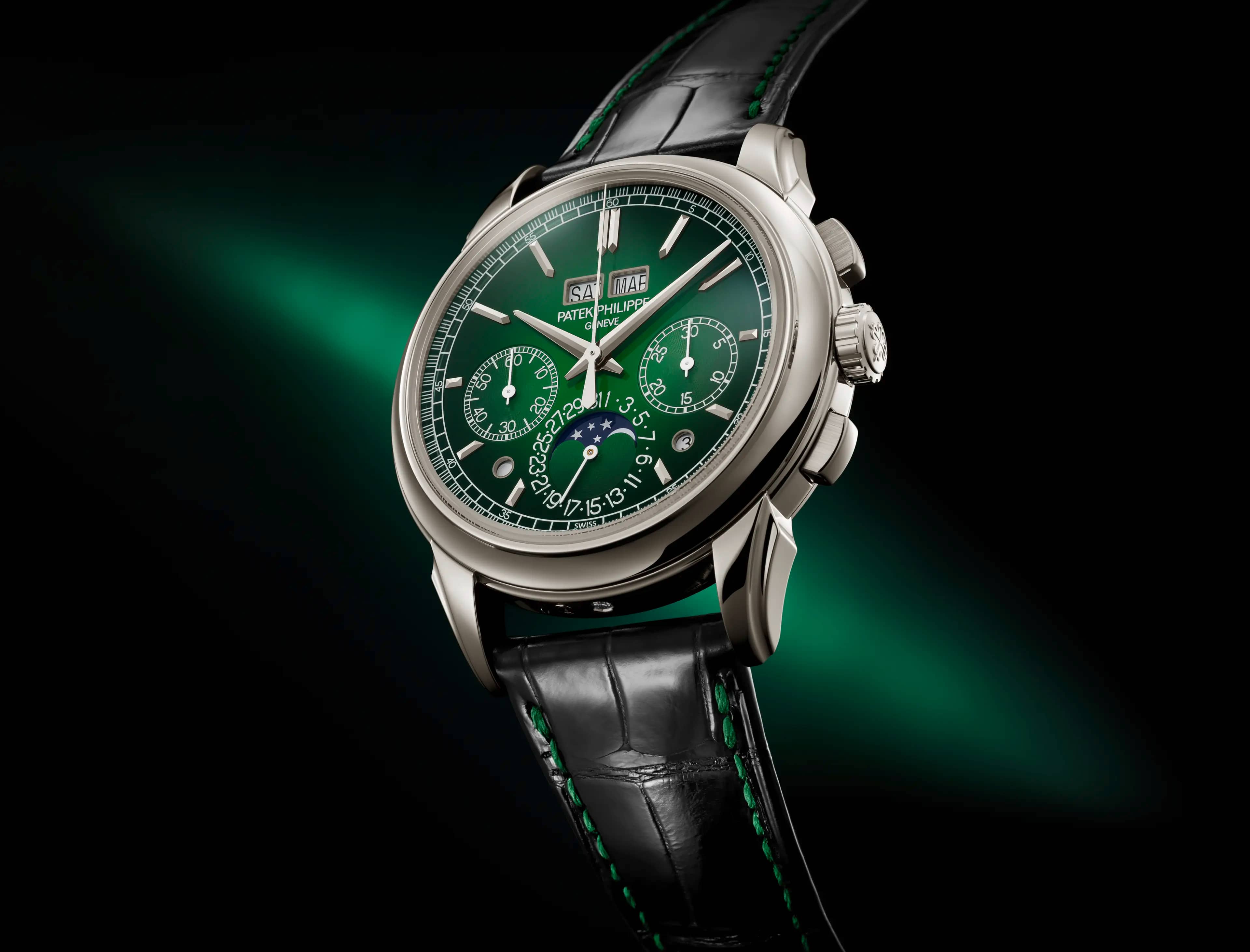
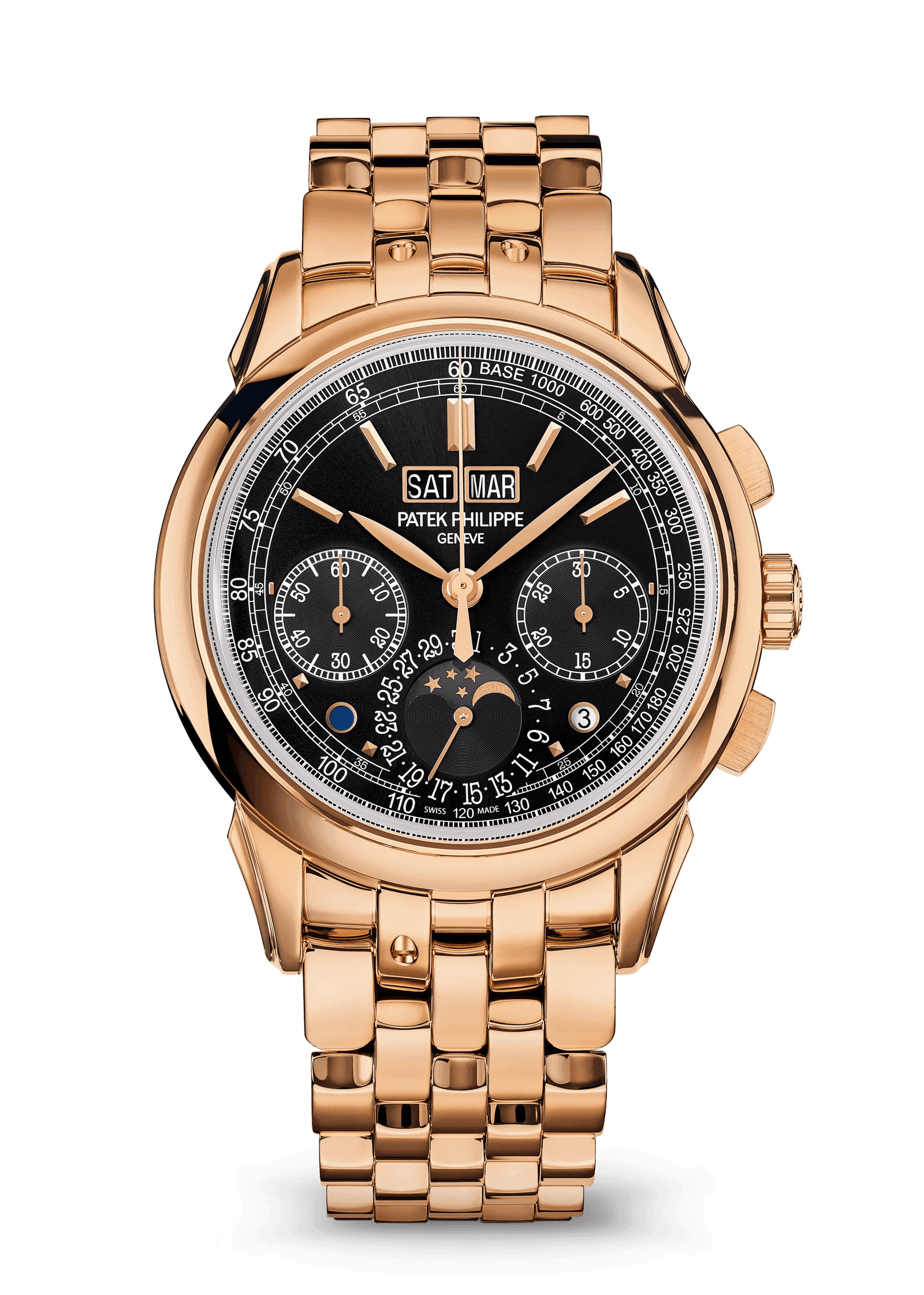
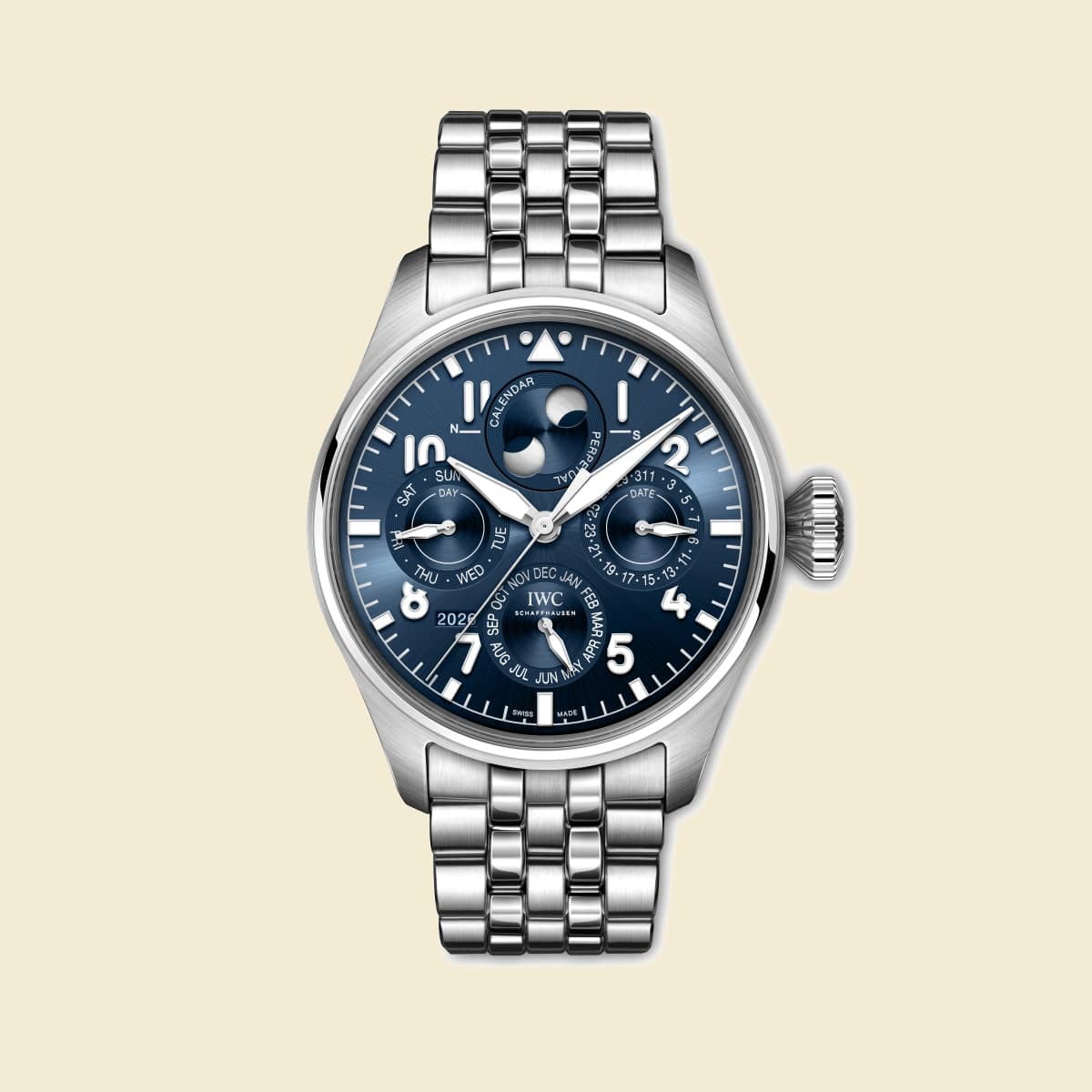
Patek Philippe 5327 (time-only perpetual), 5236P (in-line perpetual), and 5270 (perpetual chronograph) anchor the modern tradition. The A. Lange & Söhne Langematik Perpetual 310.025 and 1815 Annual Calendar set the alternative bench. Audemars Piguet's Royal Oak Perpetual Calendar (26574 / 26585) places the complication in the integrated-bracelet sport-dress format. At a more accessible tier, IWC's Da Vinci and Portugieser Perpetual Calendars use Kurt Klaus's clever single-pusher correction system. Vacheron Constantin's Patrimony Perpetual Calendar Ultra-Thin 43175 and Overseas Perpetual Calendar Ultra-Thin 4300V are the dressier alternates.
How to shop one
The two questions are display layout and correction system. Sub-dial layout (Patek 5327, Lange Langematik Perpetual) is the classical arrangement: three sub-dials plus a moonphase. In-line (Patek 5236P) is rarer and visually startling. Pointer-date (IWC Portugieser Perpetual) sits between. The correction system matters more than enthusiasts admit, traditional perpetuals require a stylus and dial-side pushers to advance each indication independently; the IWC Kurt Klaus system advances everything from the crown. If the watch sits unwound, you will be running the corrections often.
The other axis is calendar logic. A standard perpetual handles the Gregorian cycle through 2099; a secular perpetual (Patek 5236P-010 sibling, Andersen Genève, Svend Andersen's secular pieces) handles the 2100 century skip and is rare and expensive. The standard perpetual is the right answer for almost every buyer.
Common pitfalls
Perpetual calendars stop being perpetual the moment the mainspring runs out. Re-setting a sub-dial perpetual after a stoppage is a 10-minute job involving the manual, the stylus, and care not to push the correctors between roughly 9 PM and 3 AM (when the calendar is engaging). Owners who do not wear the watch every day either keep it on a winder or accept the correction ritual. Second pitfall: vintage perpetual service is one of the most expensive routine maintenance items in watchmaking, confirm the most recent service date and budget for the next one (every 5-7 years; $3,000-$10,000 at the brand depending on house). Third: many "perpetual calendar" auction listings are actually annual calendars or triple-calendars with moonphase; the perpetual designation requires leap-year recognition, which not every dial-printed "QP" actually has.
A perpetual calendar automatically accounts for all month lengths and leap years in the Gregorian calendar without requiring any correction until March 1, 2100.