Bezel
The ring around the crystal; functional or decorative
What it is
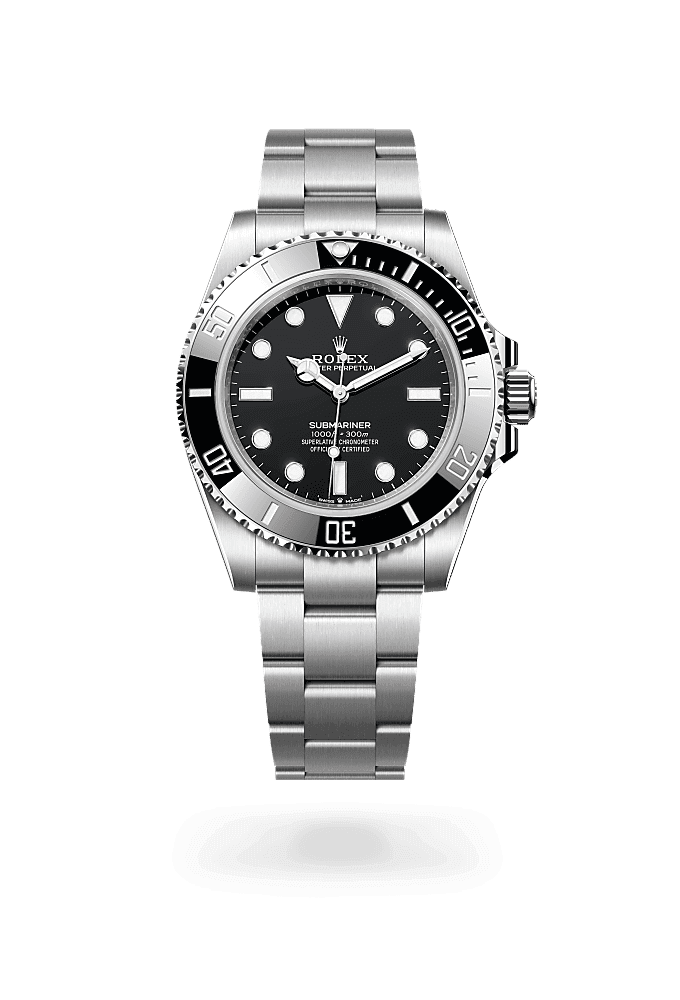
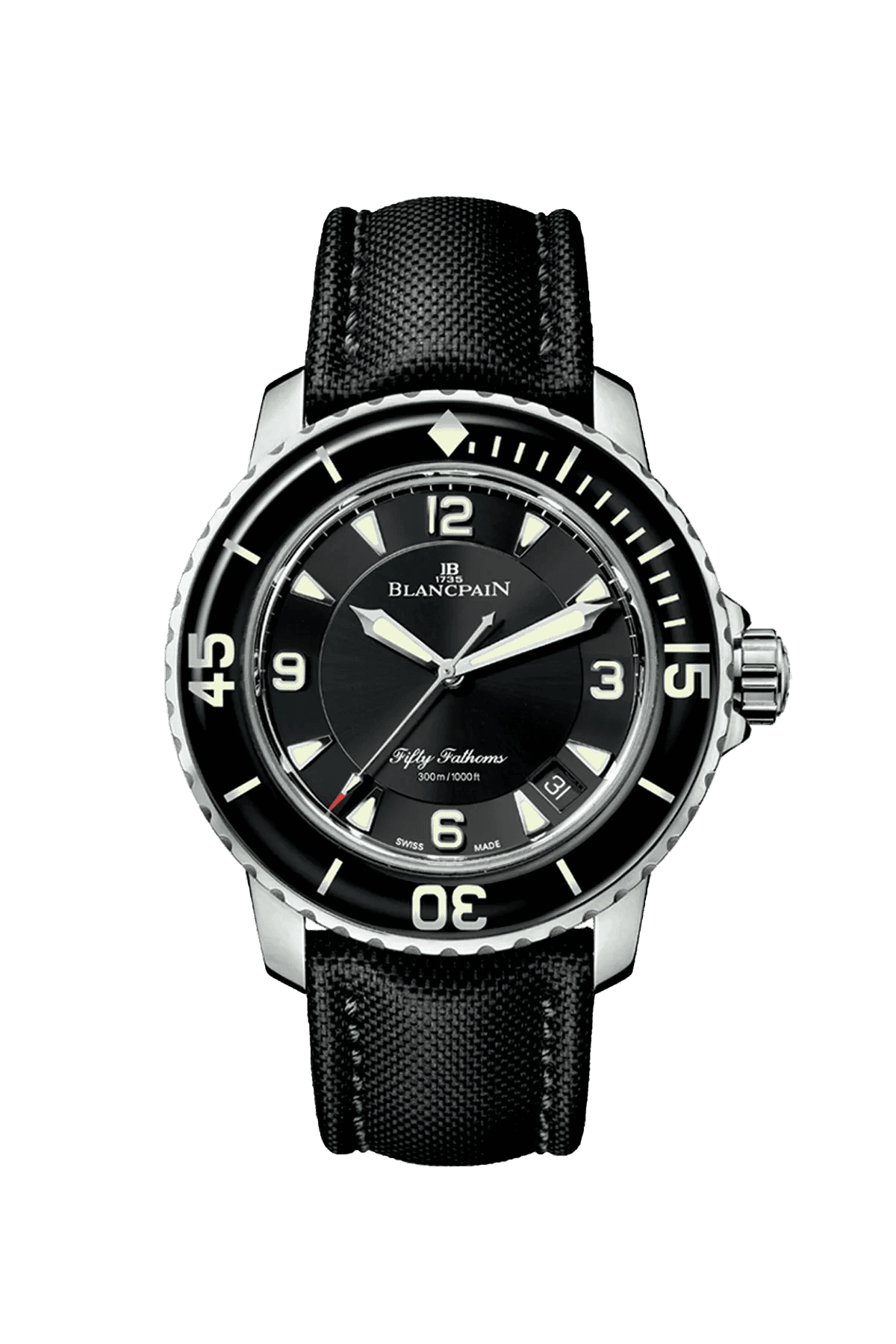
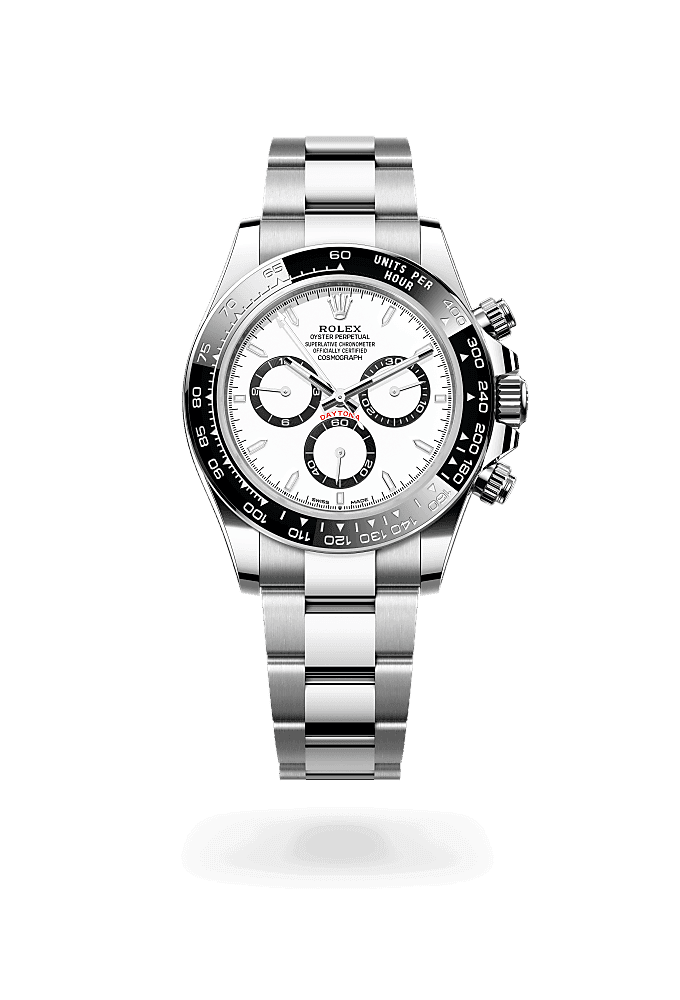
The bezel is the ring between the crystal and the case middle that frames the dial. It can be fixed (purely structural or decorative) or rotating (functional). The most common functional bezels are dive bezels; unidirectional, marked with a 60-minute scale; and tachymeter bezels, used with a chronograph to calculate speed over a known distance. Some bezels serve dual purposes: the Rolex GMT-Master II's 24-hour graduated bezel distinguishes AM from PM on a second time zone.
History
The rotating bezel as a dive tool appeared simultaneously on the Blancpain Fifty Fathoms and the Rolex Submariner in 1953: a diver aligns the zero marker to the current minute hand at dive start and reads elapsed time directly. Unidirectionality; the bezel rotates only counterclockwise; was adopted as a safety feature so an accidental bump cannot rotate the bezel forward and undercount elapsed time. Early bezels used aluminium inserts, which scratch and fade; Rolex introduced its Cerachrom ceramic insert in 2005, which is virtually scratch-proof and UV-stable. The two-colour ceramic bezel; the Pepsi (red and blue) and Batman (black and blue) GMT-Master II variants; required a breakthrough in co-sintering two ceramic colours in a single mould. Patek Philippe, Audemars Piguet, and Cartier use fixed bezels set with diamonds or guilloché for dress purposes, where the bezel becomes purely a decorative border.
How it works
A rotating bezel sits in a groove machined into the case middle and is held by a click spring; a ratchet mechanism that produces a tactile click at each indexed position. 120-click bezels produce one click per half-minute of elapsed time; 60-click bezels produce one click per full minute. Finer click divisions allow more precise elapsed-time readings. The bezel insert is either machined as part of the bezel itself or applied as a separately-produced element; aluminium, ceramic, sapphire, or enamel. A sapphire-crystal bezel insert is essentially the same material as the watch crystal: extremely hard, with slightly translucent edges.