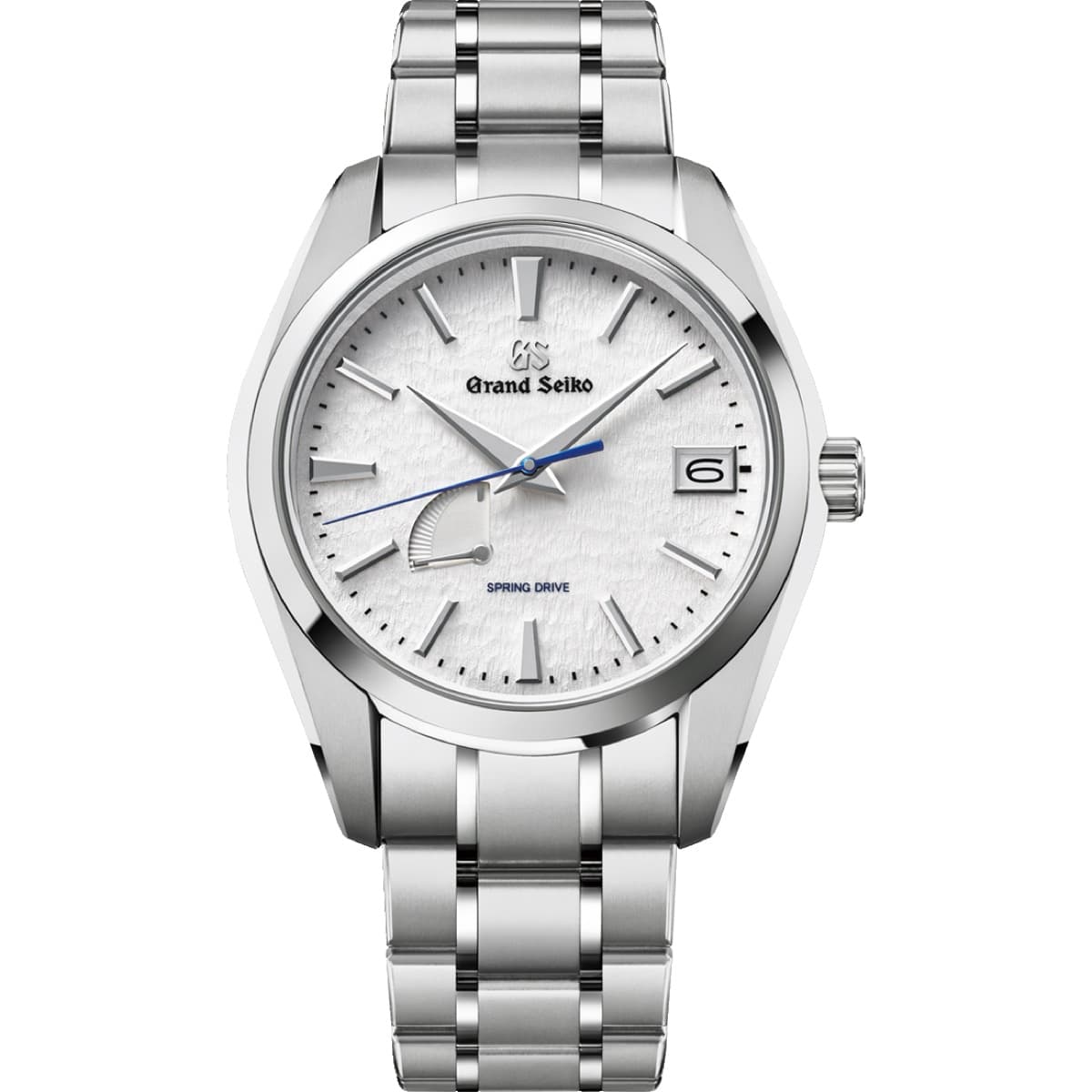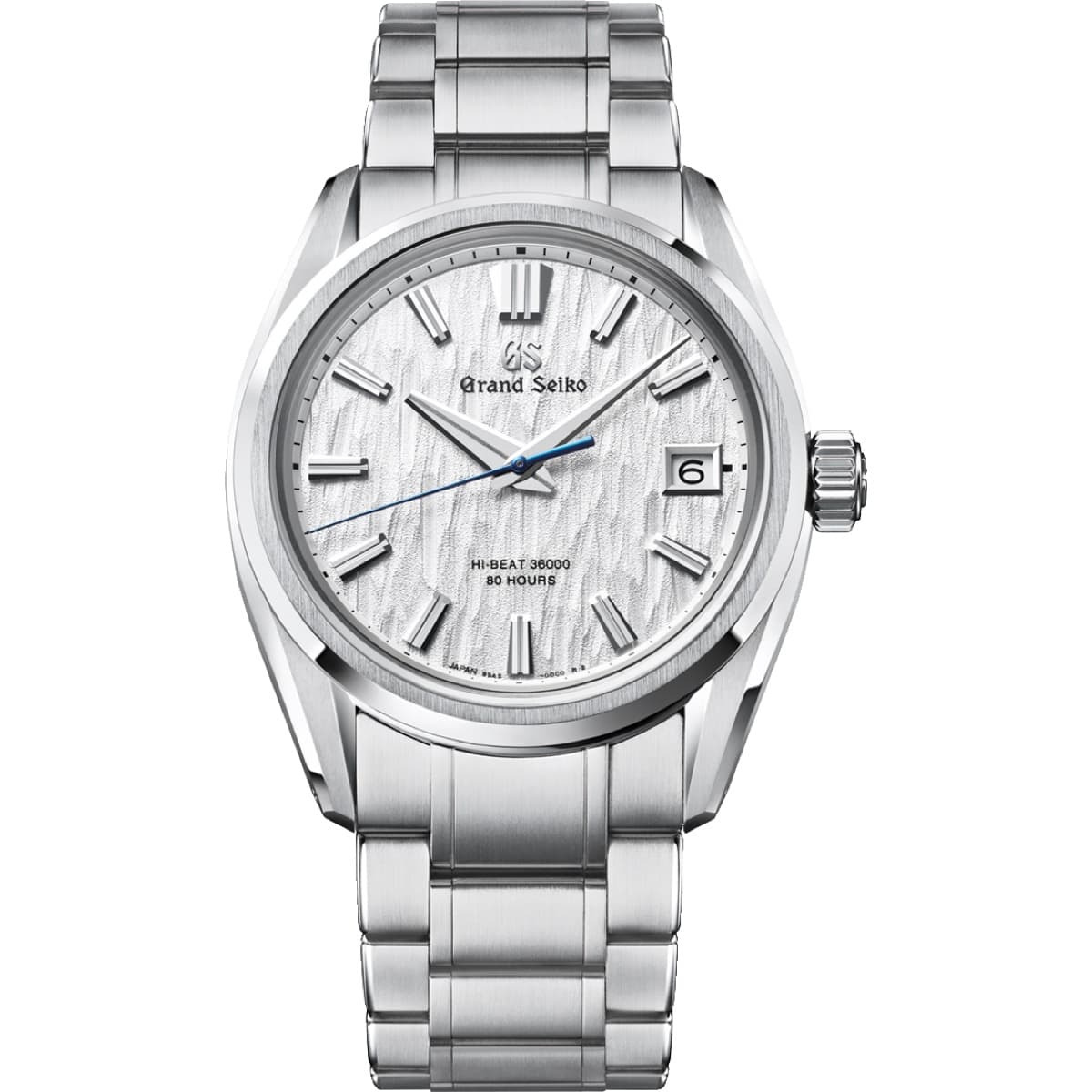
Dial
The face of the watch; its most expressive surface
What it is
The dial is the disc behind the crystal that carries the hour markers, hands, and any complication displays. Dials are made from brass (the standard substrate, often galvanically treated or lacquered), silver, gold, or specialist materials; enamel, meteorite, jade, opal, and aventurine all exist in production. The finish; sunburst, matte, guilloché, lacquered, fired enamel; is the single most important visual element of a watch, and much of the collector premium on individual references is directly attributable to the dial variant.
History
Printed paper dials gave way to metal in the 18th century as pocket-watch decoration became more elaborate. Enamel dials; kiln-fired at roughly 800°C; were the prestige standard through the 19th century: they resist fading, cracking, and humidity in ways no applied lacquer can match. In the 20th century, signed dials became quality differentiators; Cartier's Paris-signed pieces and Rolex's in-house dial manufacturing both communicated a level of vertical integration that mattered to the market. The "tropical" dial; a vintage dial that oxidised from black to brown or chocolate due to the composition of early lacquer formulas; became one of the most commercially significant collector phenomena, primarily on Rolex Submariner and Daytona references. H. Moser & Cie. popularised the fumé dial in the 2010s: a galvanic gradient from dark at the edge to light at the centre that creates depth without any applied texture.
How it works
The dial attaches to the movement's dial plate via feet; small pins soldered to the underside of the dial; that pass through corresponding holes in the movement and are locked with small dial-foot screws or friction clips. Printed indices and numerals are applied by screen-printing or pad-printing. Applied indices (raised metal hour markers) are individually staked onto the dial surface, which is why misaligned applied indices are a quality-control failure. Luminescent material (Super-LumiNova in current production, tritium on vintage pieces from the 1950s–1990s, radium on watches pre-1950) is applied to index plots and hand tips by hand or machine; the consistency of lume plots is a direct finishing quality marker visible to any careful observer.