Crystal
The transparent cover that protects the dial
What it is
The crystal is the clear pane that sits over the dial and protects it from dust, moisture, and physical contact. It is held in place by the bezel or by a gasket pressed into the case. Every watch has one; the material it is made of is among the most practically significant specifications a buyer can look at.
History
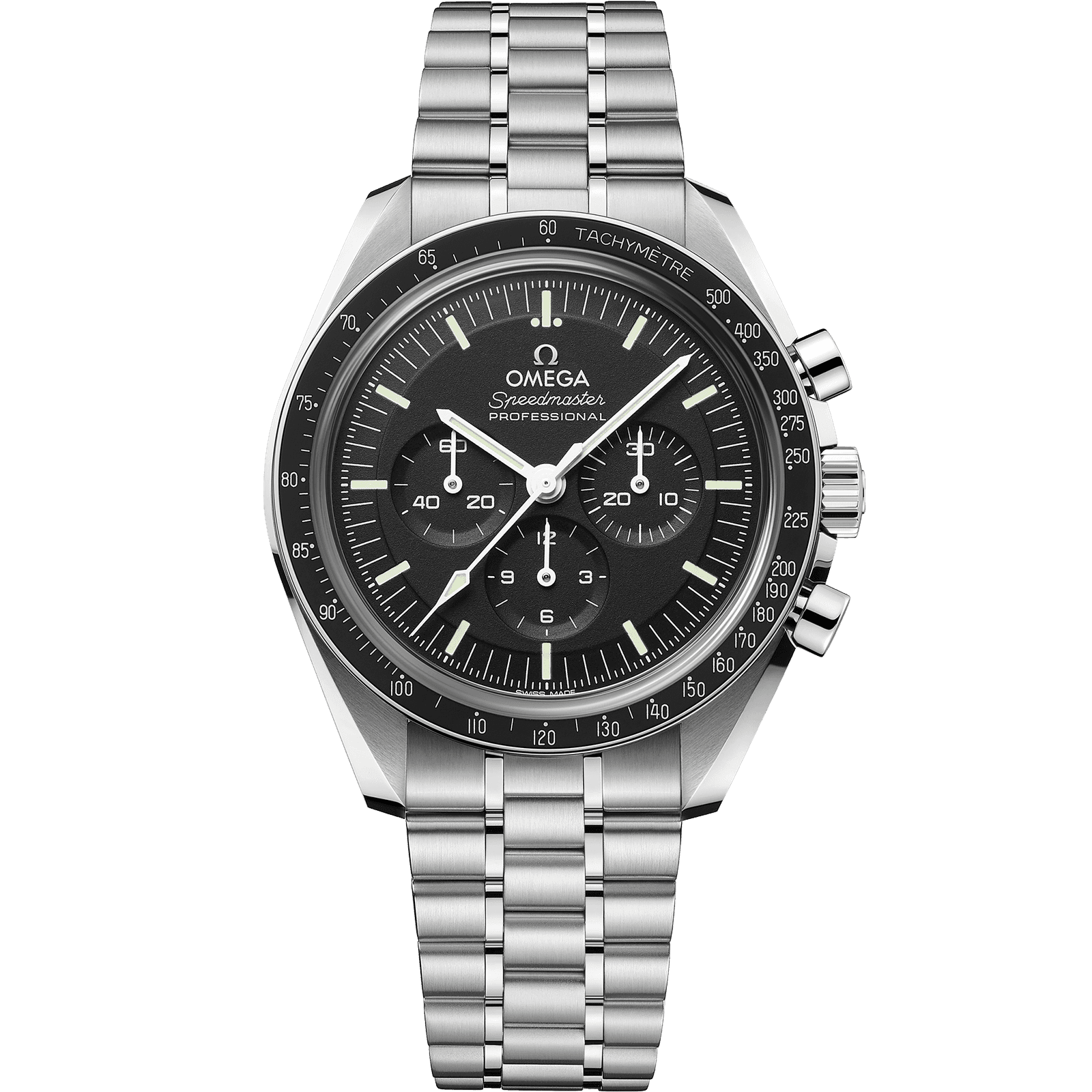
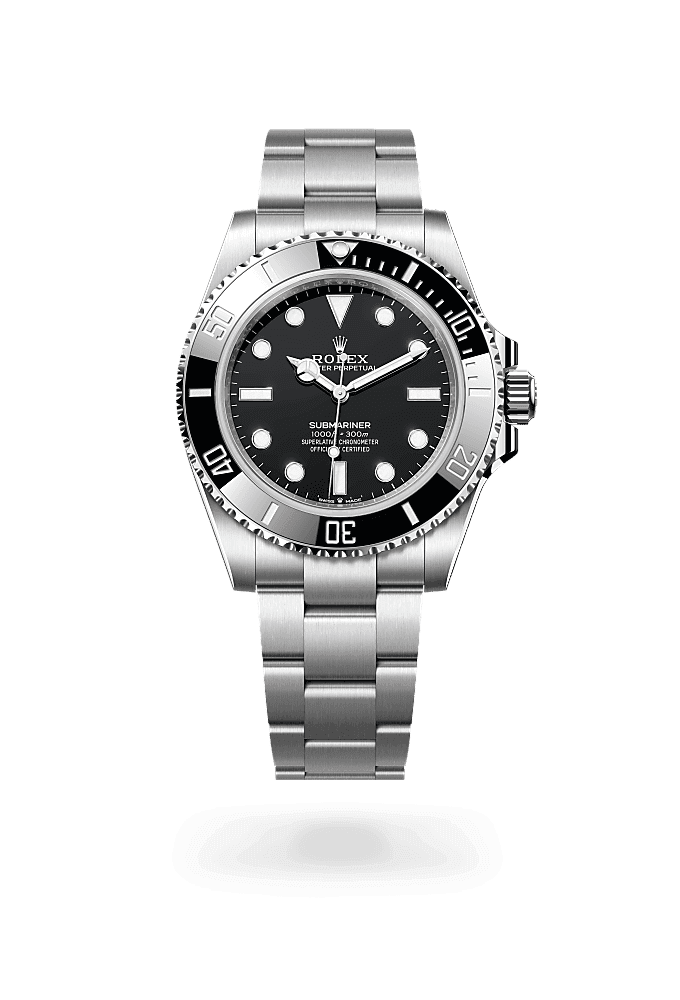
Early pocket watches used mineral glass; cheap, scratch-resistant enough for the era, and easy to replace. Acrylic (Plexiglas) arrived in mass production during the 1950s and became the standard for sport watches through the 1970s: it scratches easily but flexes rather than shattering, which mattered for tool watches. Sapphire crystal, grown synthetically from aluminium oxide, entered watchmaking in the early 1970s. Rolex adopted it for the Datejust in 1971; by the 1990s it had become the standard for any watch above the entry tier. Today, acrylic survives intentionally on pieces where the original specification calls for it; most famously the Omega Speedmaster Moonwatch, which has used Hesalite (a Heraeus acrylic formulation) continuously since 1969.
How it works
Sapphire crystal is rated 9 on the Mohs hardness scale; only diamond (10) is harder, which is why sapphire resists everyday scratches so completely. The trade-off is brittleness: a sharp impact at the right angle can crack it where acrylic would flex and survive. Mineral glass sits between the two: harder than acrylic, softer than sapphire. Anti-reflective coatings; applied as a vapour-deposited layer of magnesium fluoride or silicon dioxide; reduce glare from the inner or outer surface, or both. A double-sided AR coating is the premium tier; single-sided (inner face only) is common on mid-range watches.