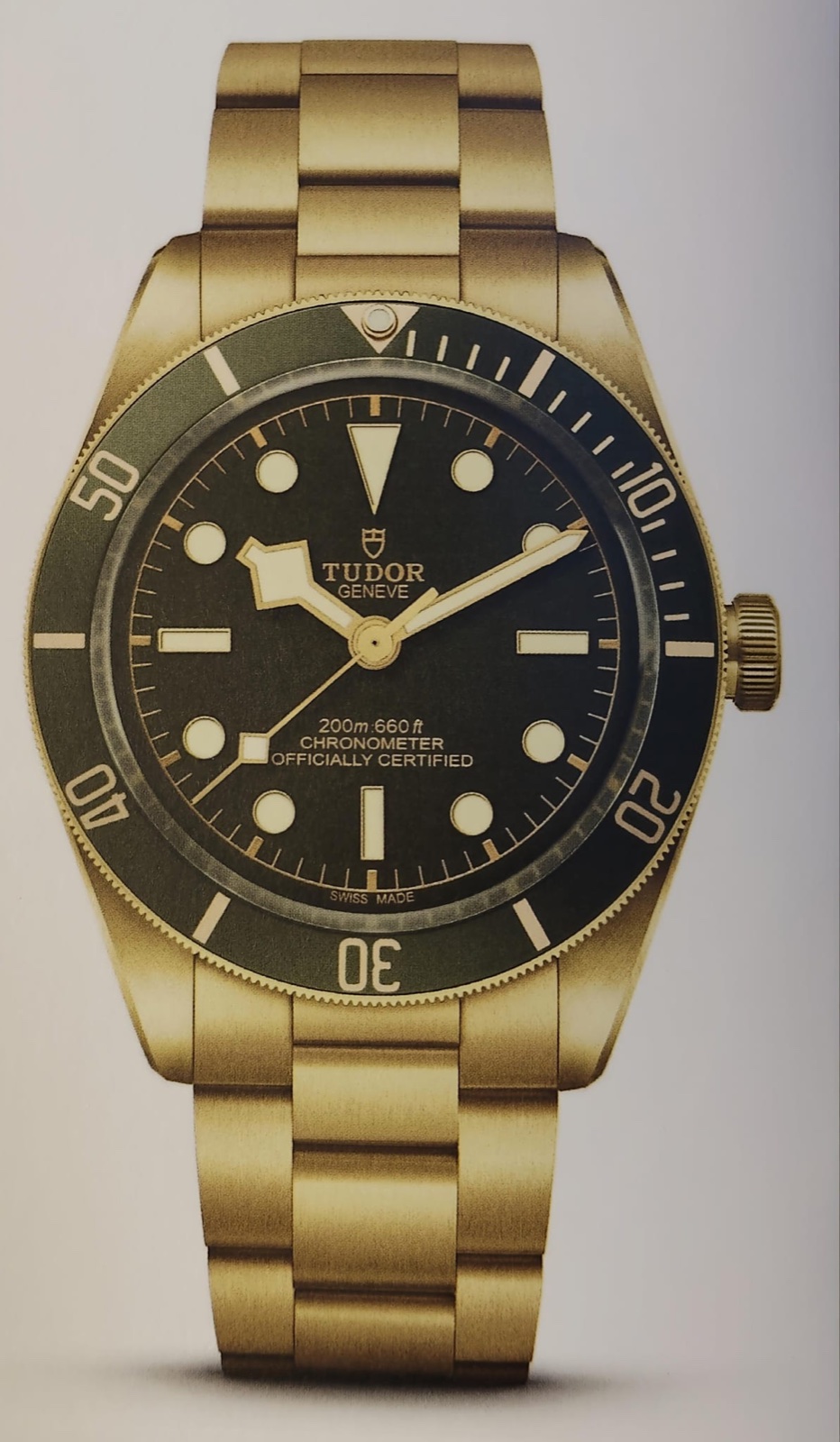
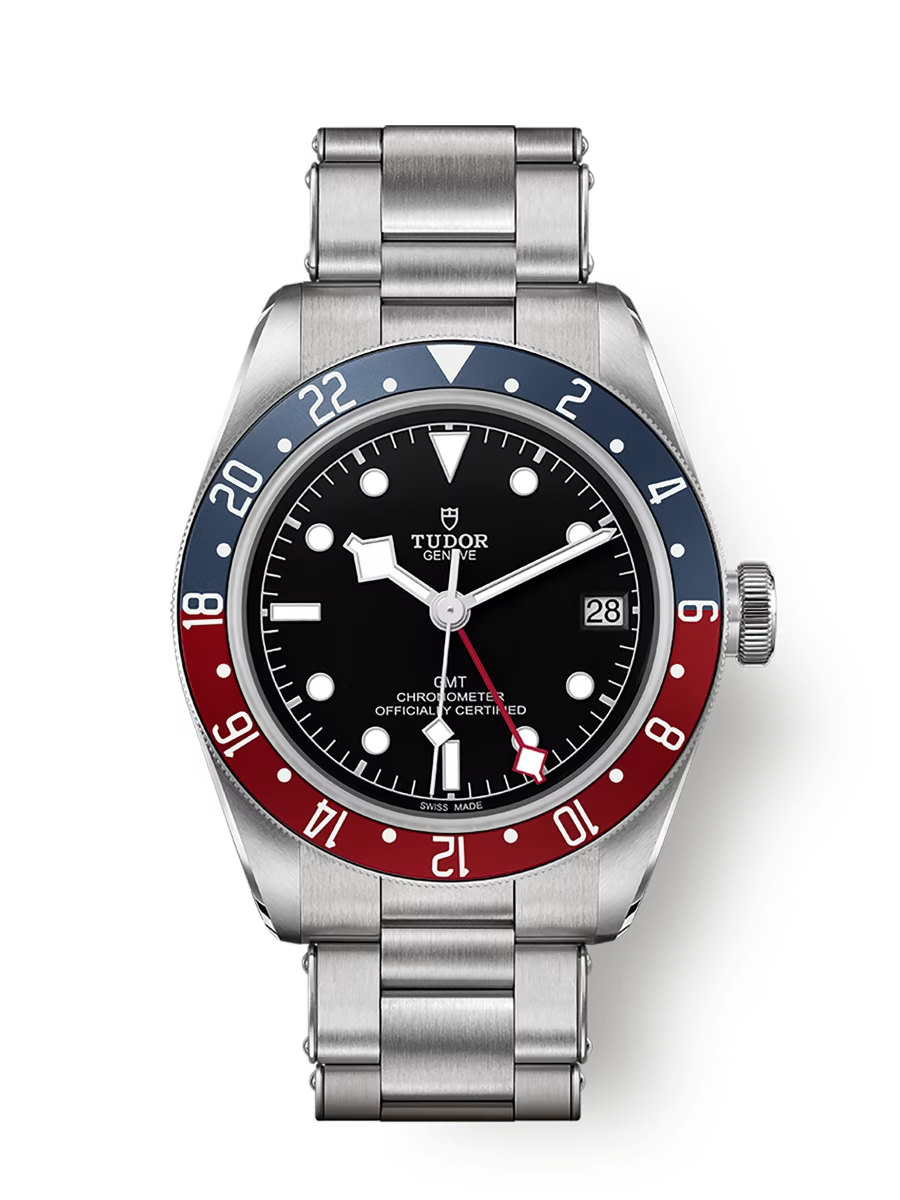
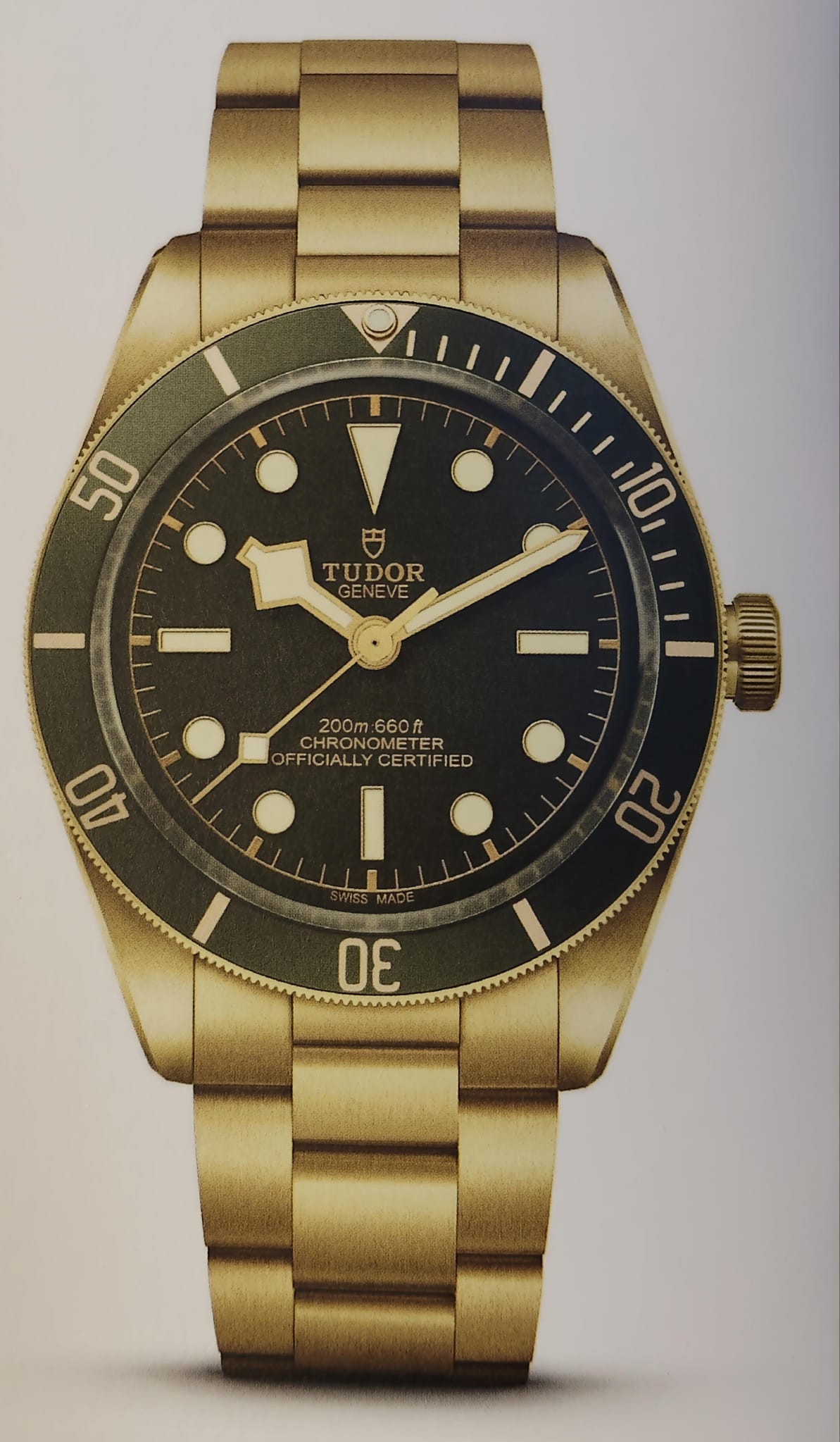
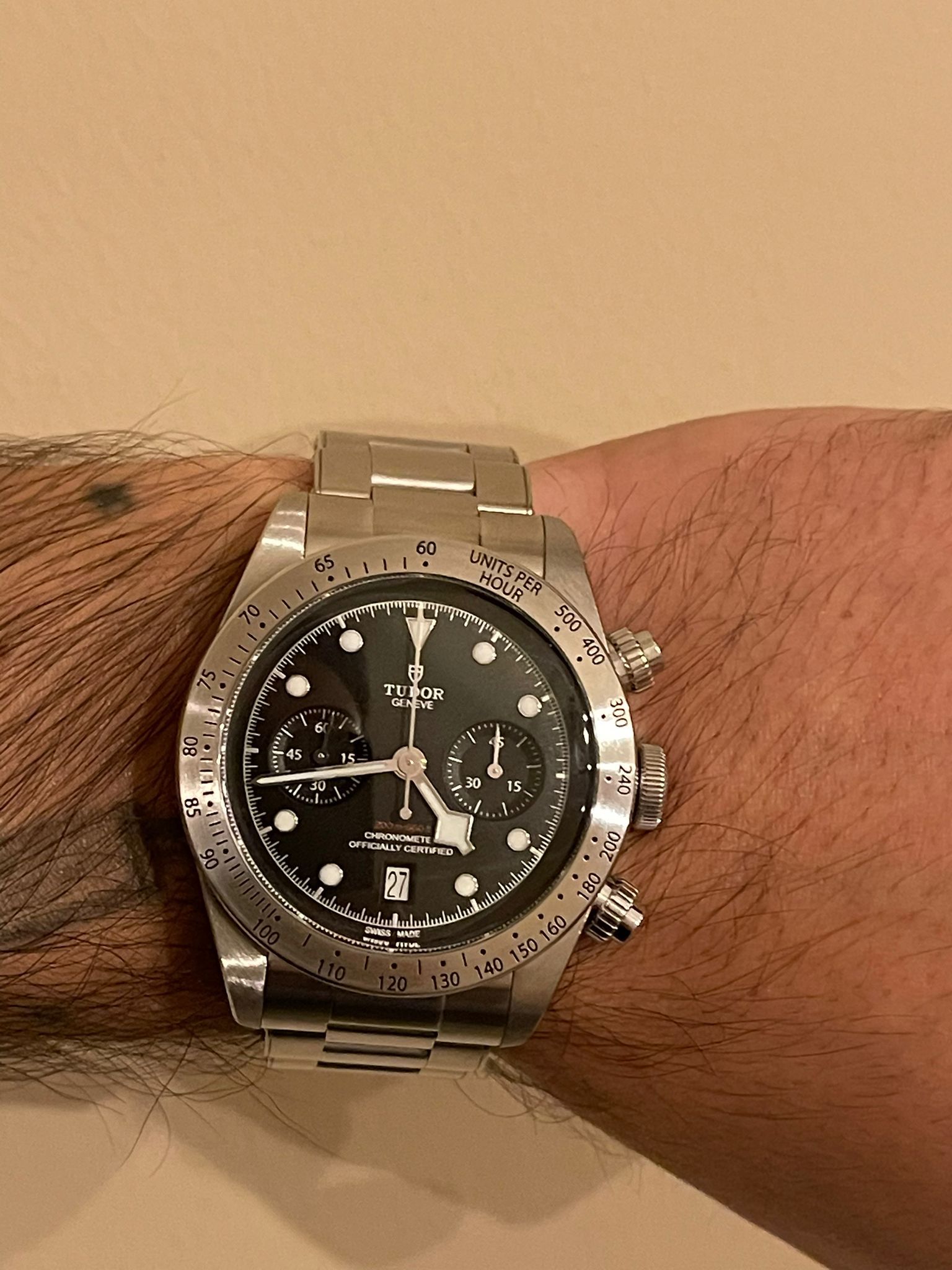
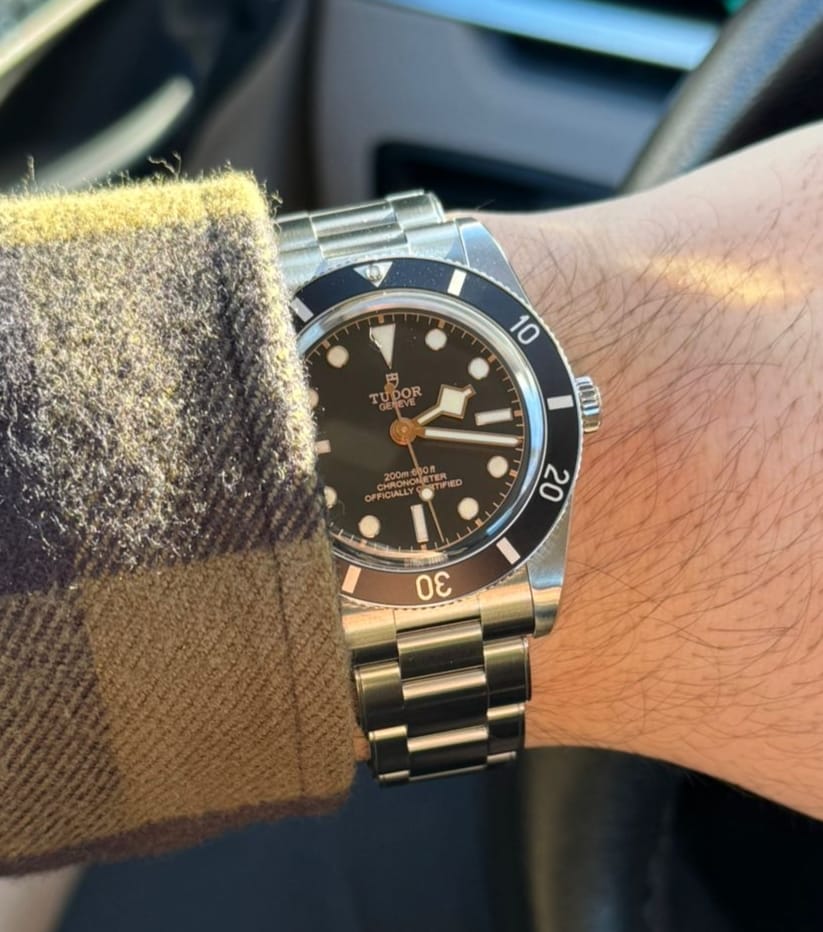
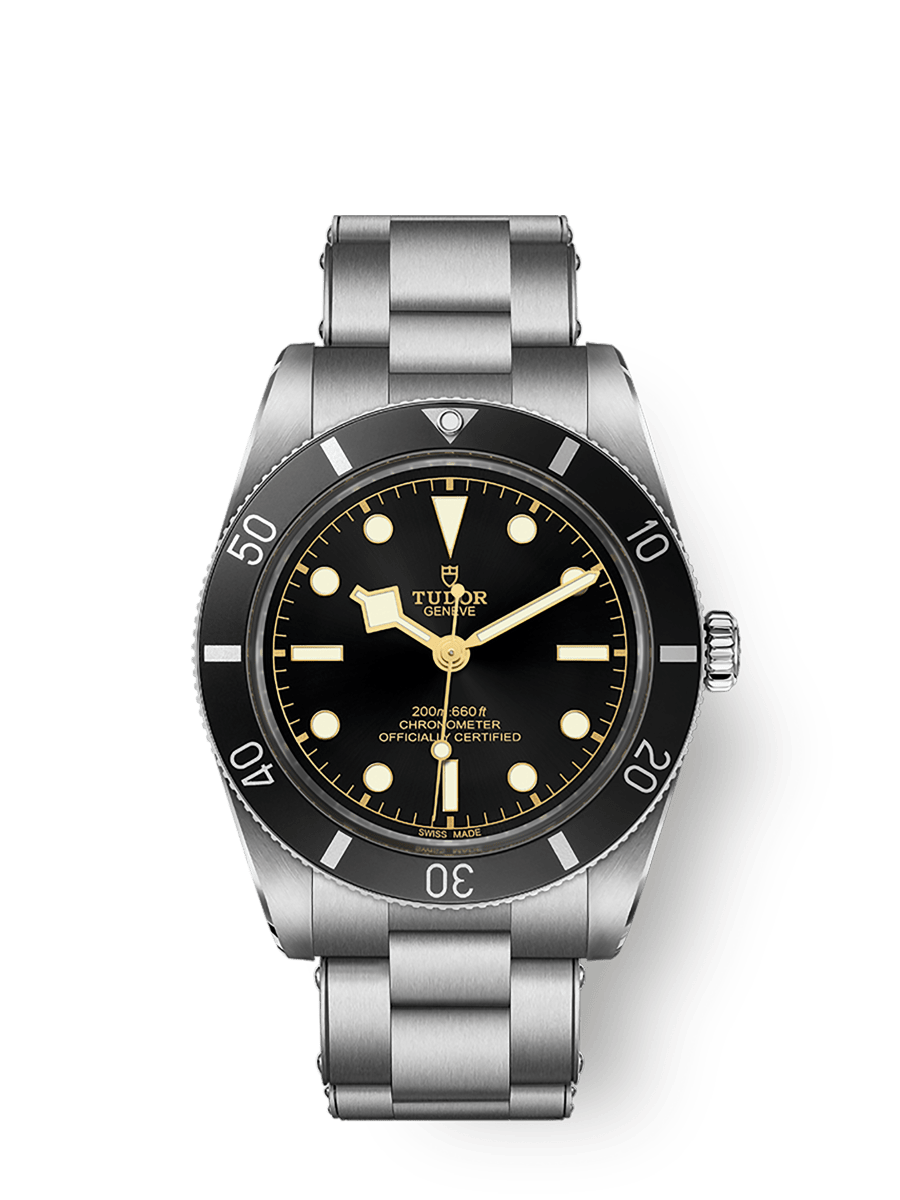
Bronze case patinas uniquely per owner and commands secondary premiums that original list price alone does not explain.
Live pricing is coming soon. Get notified when it is available for this reference.
Community + OSINT signals haven’t landed for this reference yet. We don’t publish a rating against zero signal: the number would mean nothing. Editorial body + caliber + market value still surface above; ratings appear once the signal corpus does.
Bronze patina is a feature, not a flaw; a heavily polished Bronze BB has lost its intended surface character.
| Area | What to check | What is correct | Red flag |
|---|---|---|---|
| case | Bronze patina and tonal variation | Warm brown toning with variation across case surfaces consistent with the watch age; not uniformly bright | Uniformly bright gold-like surface indicating polishing that removed the natural patina |
| caseback | Cal. MT5601 in-house movement | Tudor Cal. MT5601 visible through caseback; movement signed Tudor and METAS-certified | Non-Tudor ETA movement visible indicating a movement swap |
| case | Bronze alloy color and texture | Distinctive warm copper-brown hue of Tudor bronze alloy; matte to satin surface between wear facets | Yellow-gold color suggesting brass rather than Tudor bronze alloy |
The Black Bay Bronze is Tudor's bronze-case dive watch. The bronze alloy develops a golden-brown patina over time; this patina is a feature, not a flaw. The caseback is titanium (not bronze) to prevent skin contact with the copper in the bronze alloy. Authentication priorities are the bronze case material, the titanium caseback contrast, and the MT5601 movement.