Moonphase watches
References in the Grail Atlas catalog carrying the moonphase complication.
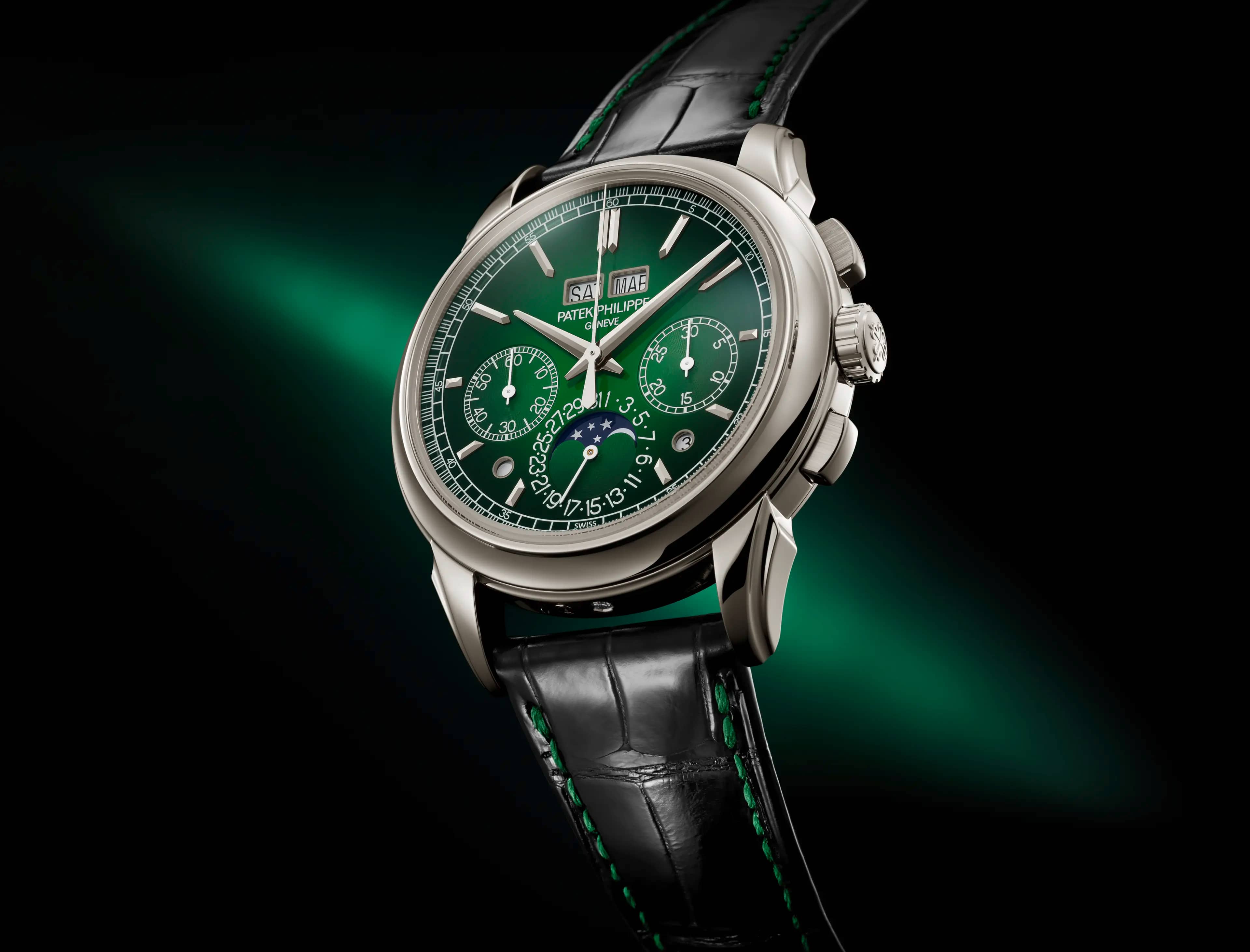
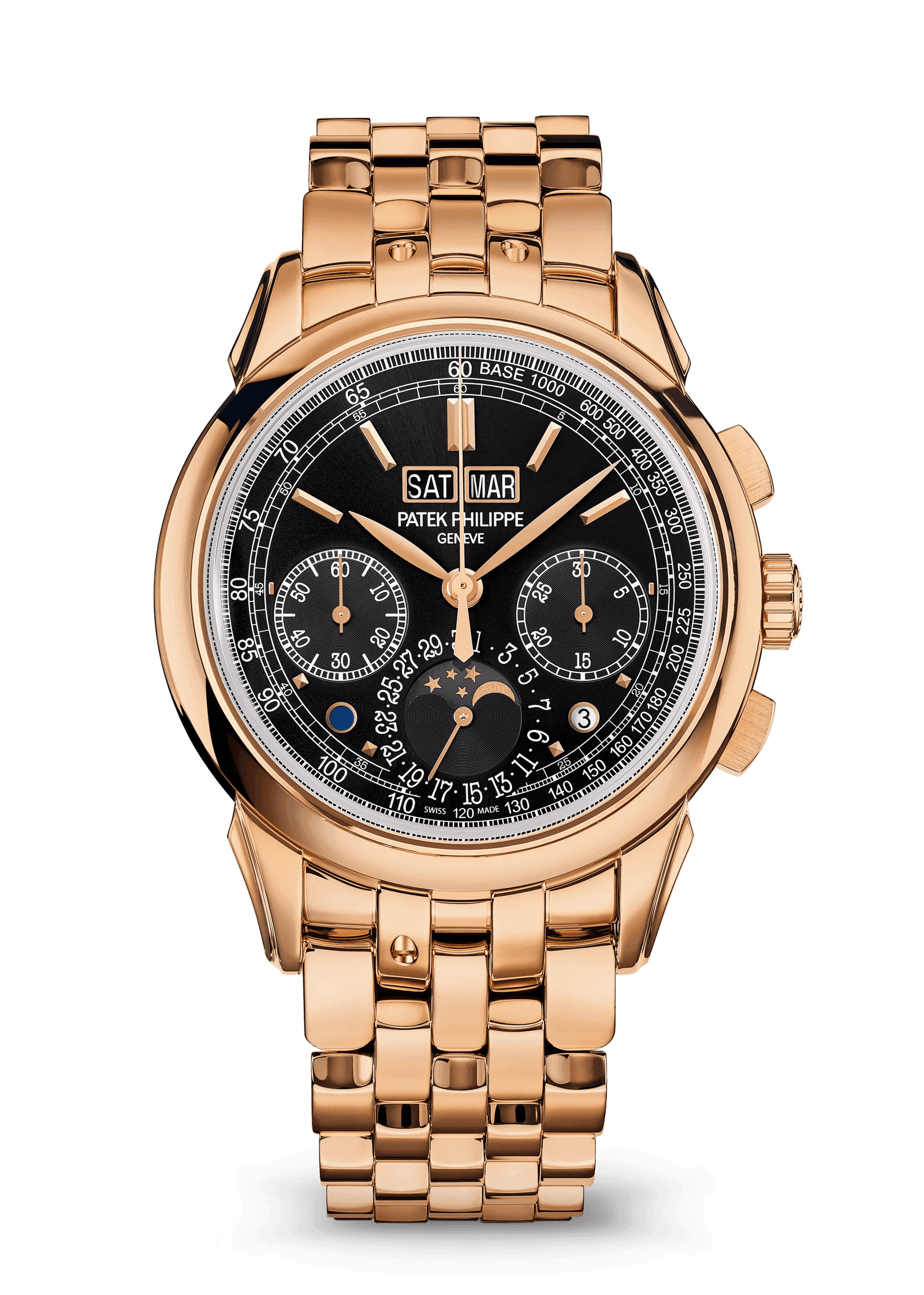
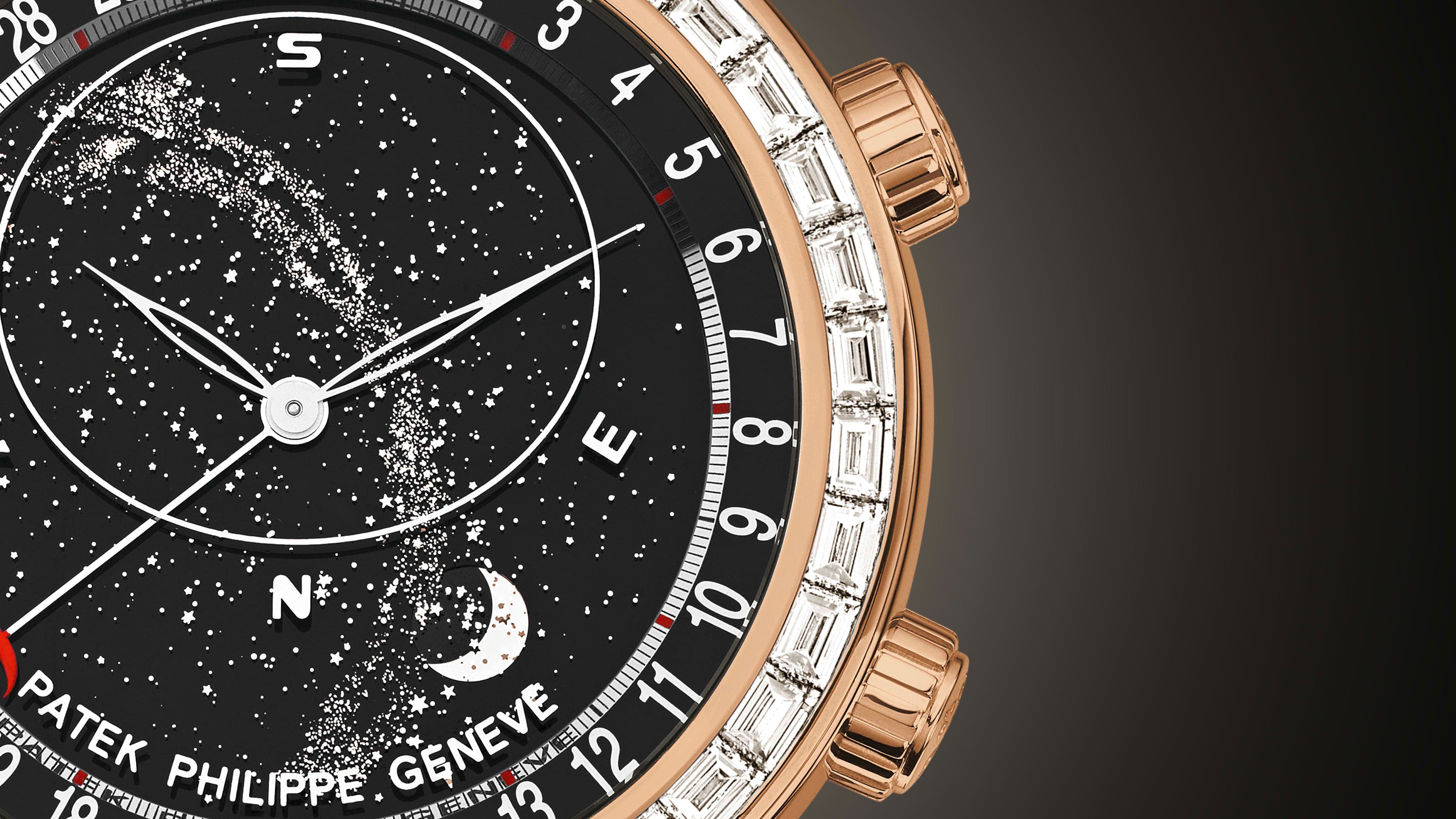
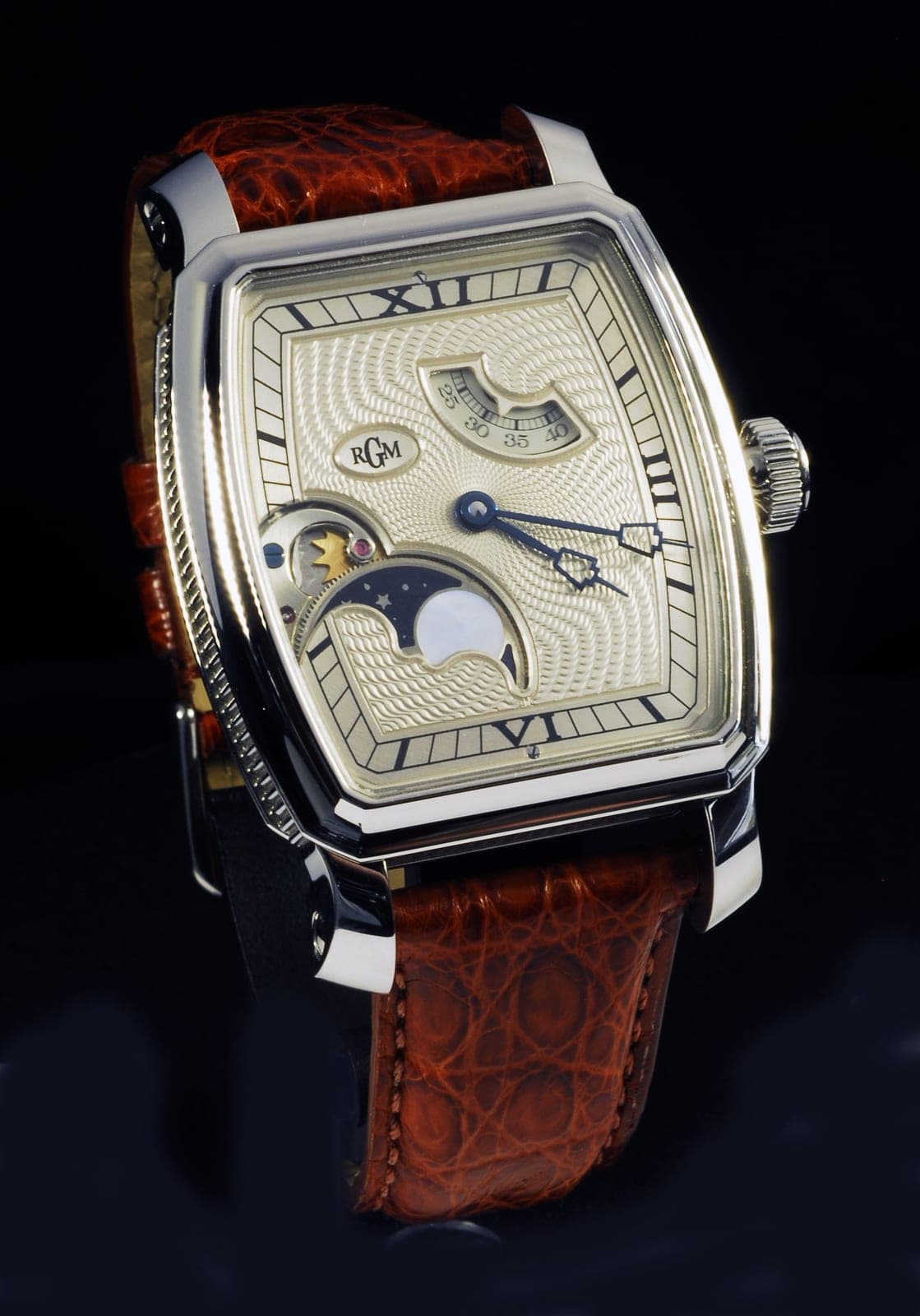
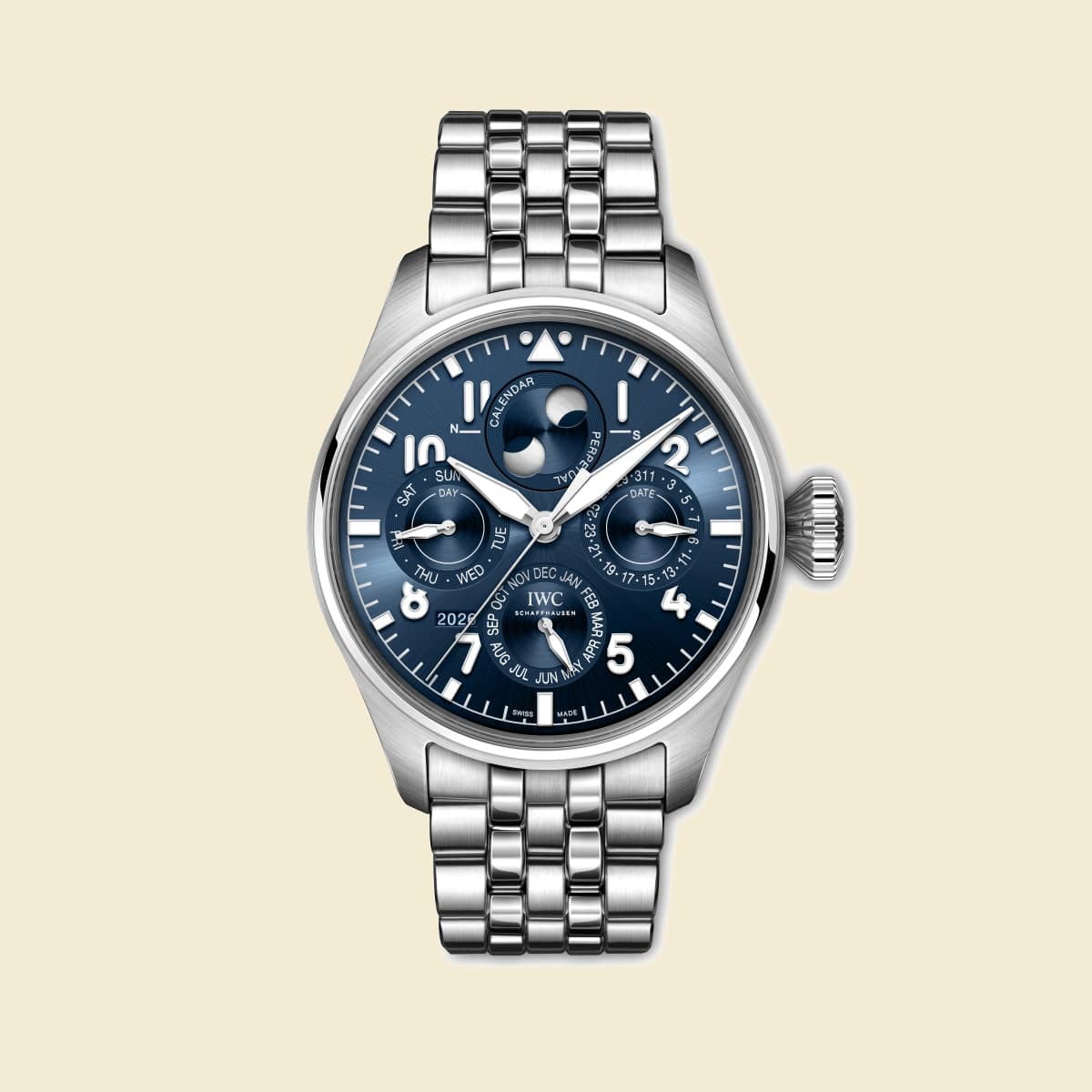
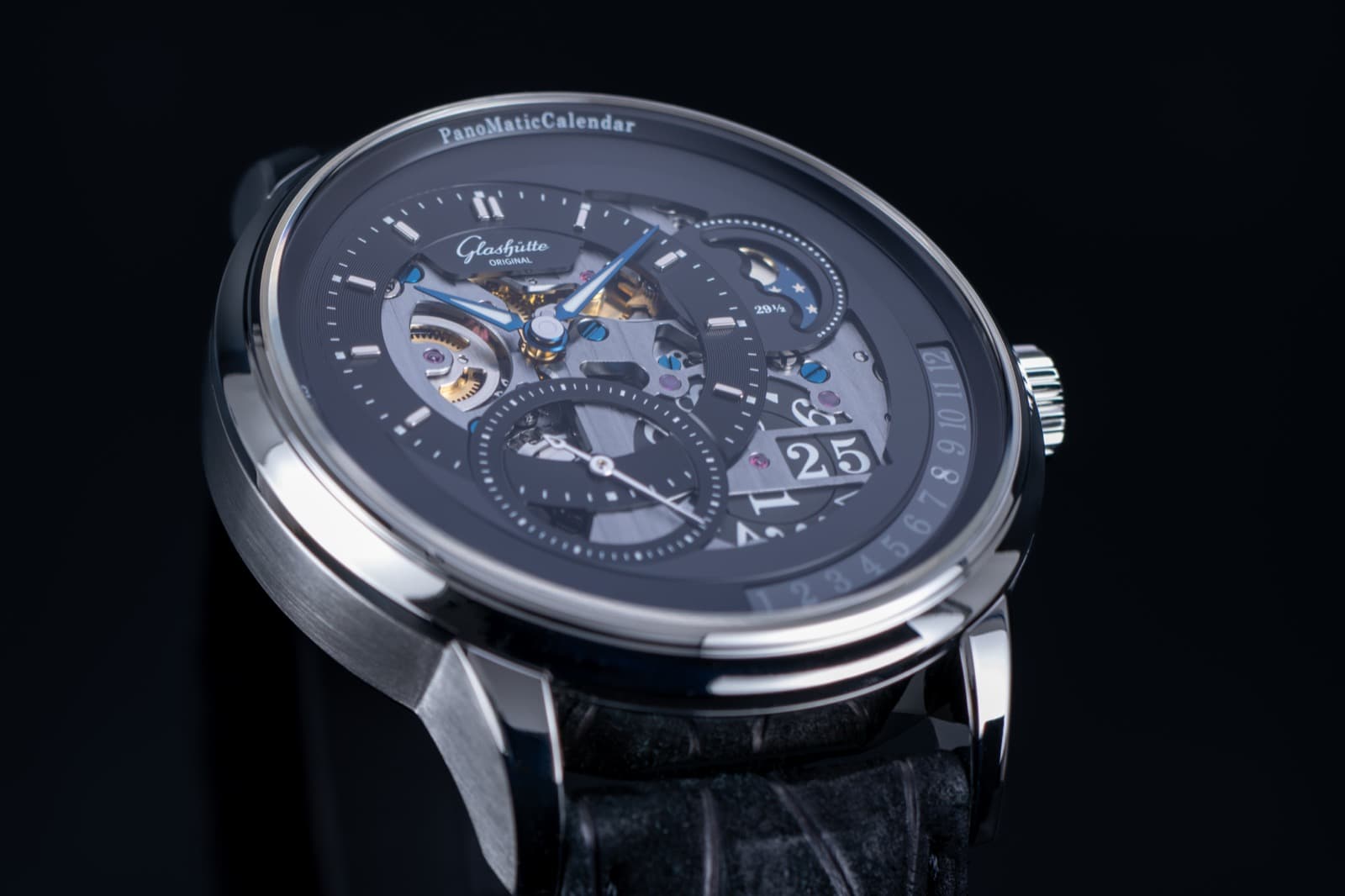
A moonphase displays the current age of the lunar cycle, usually through a disc carrying two moons that rotates behind an aperture. The complication is decorative more than functional, its appeal is craft, dial geometry, and the romance of the indication. A traditional moonphase wheel takes 59 days per rotation (two synodic months) and drifts by one day every 2 years, 7 months, and 20 days. Modern "astronomical" moonphases reduce that drift dramatically through additional gear teeth.
Notable references
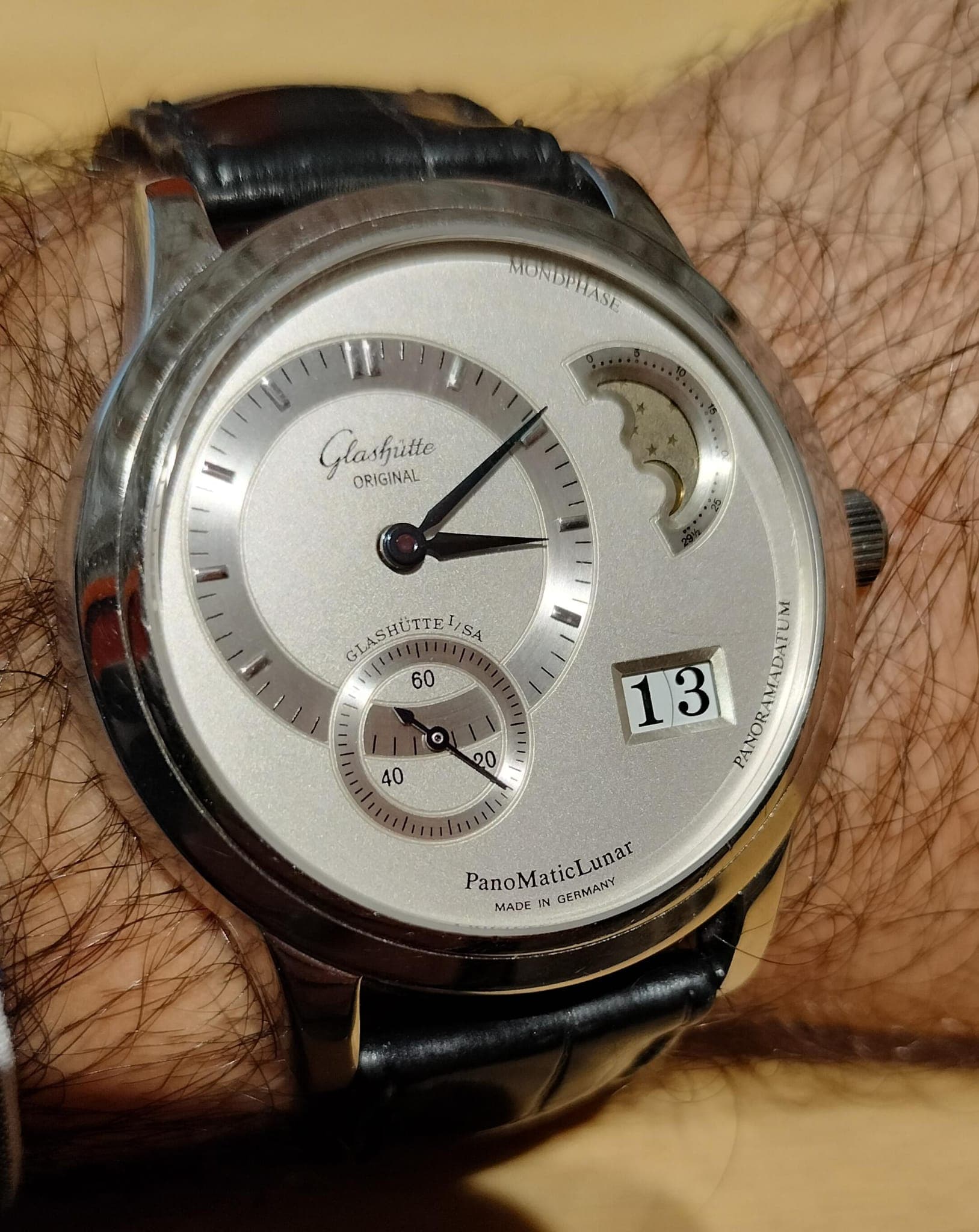
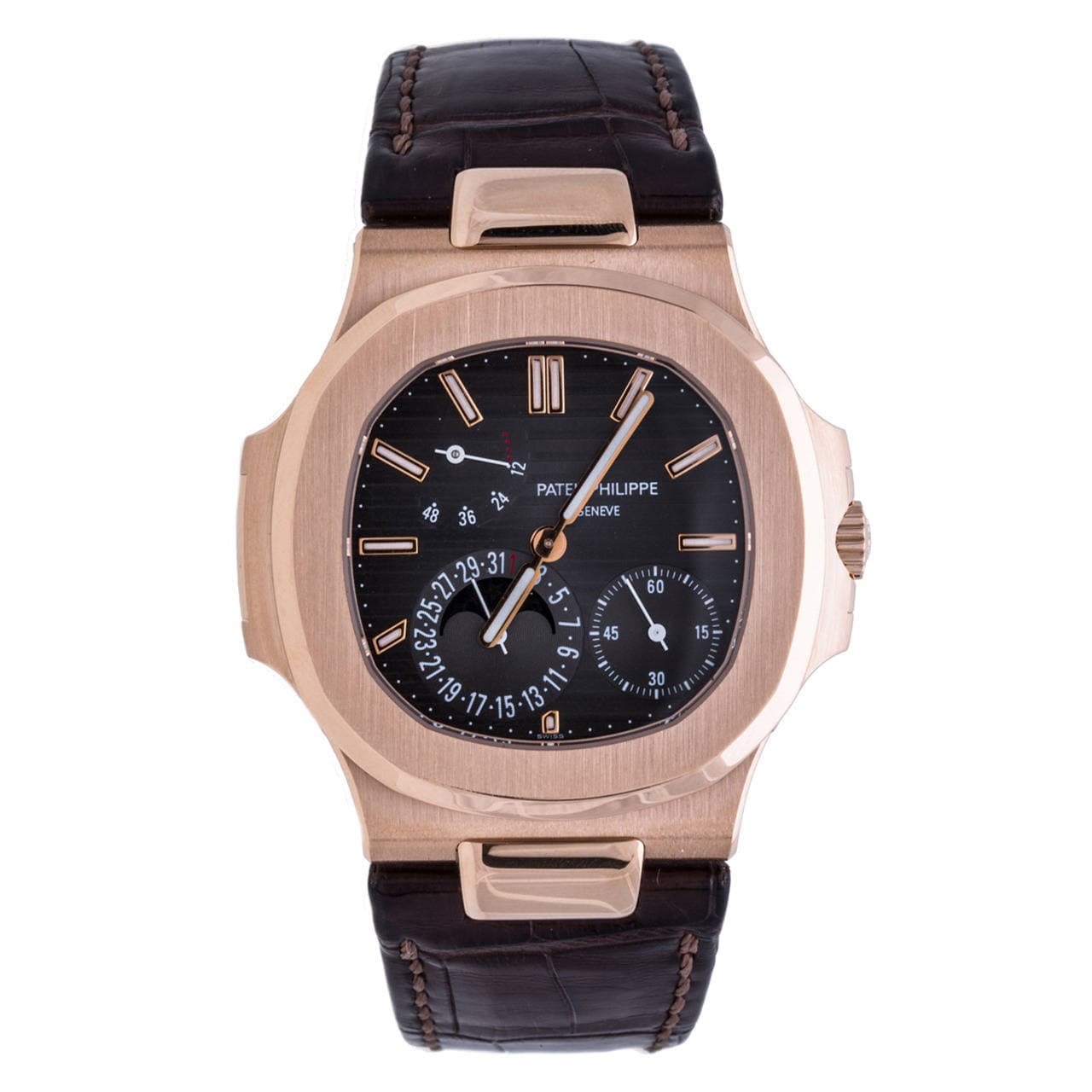
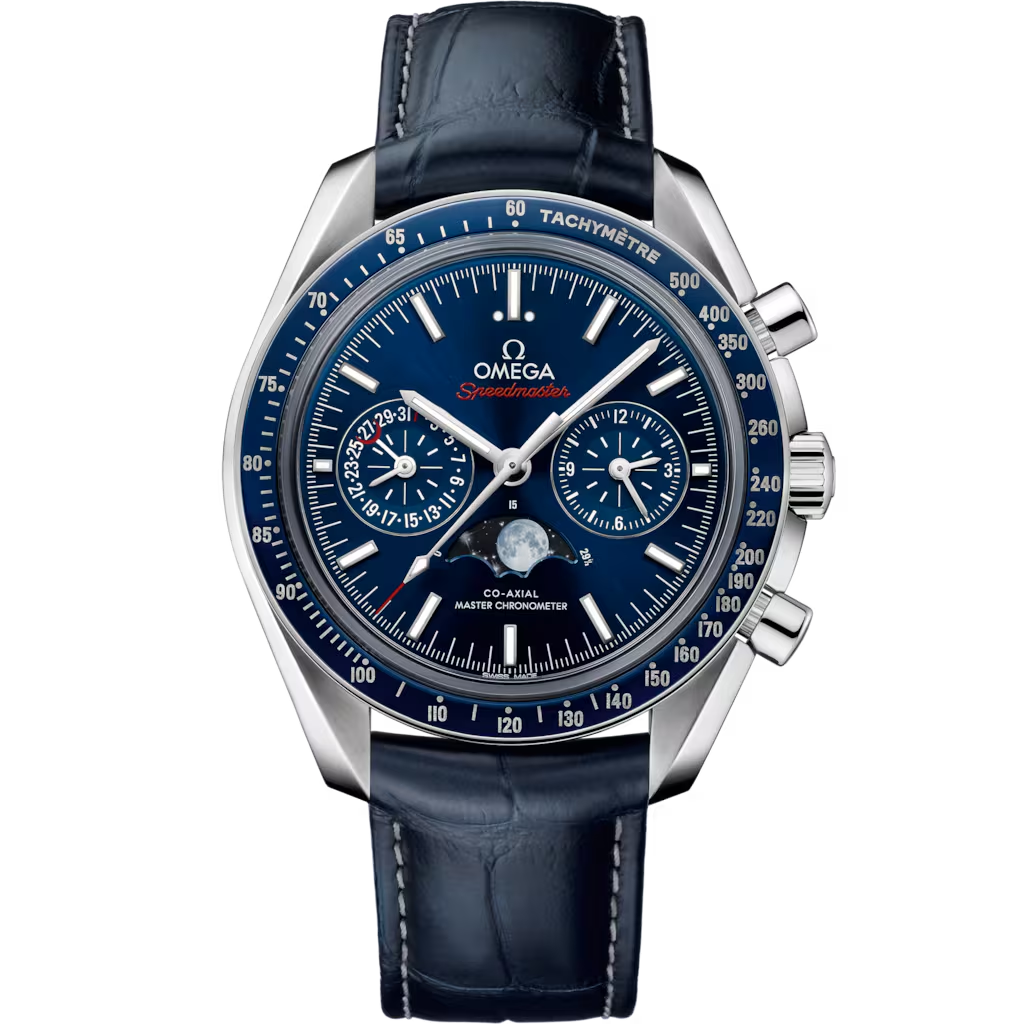
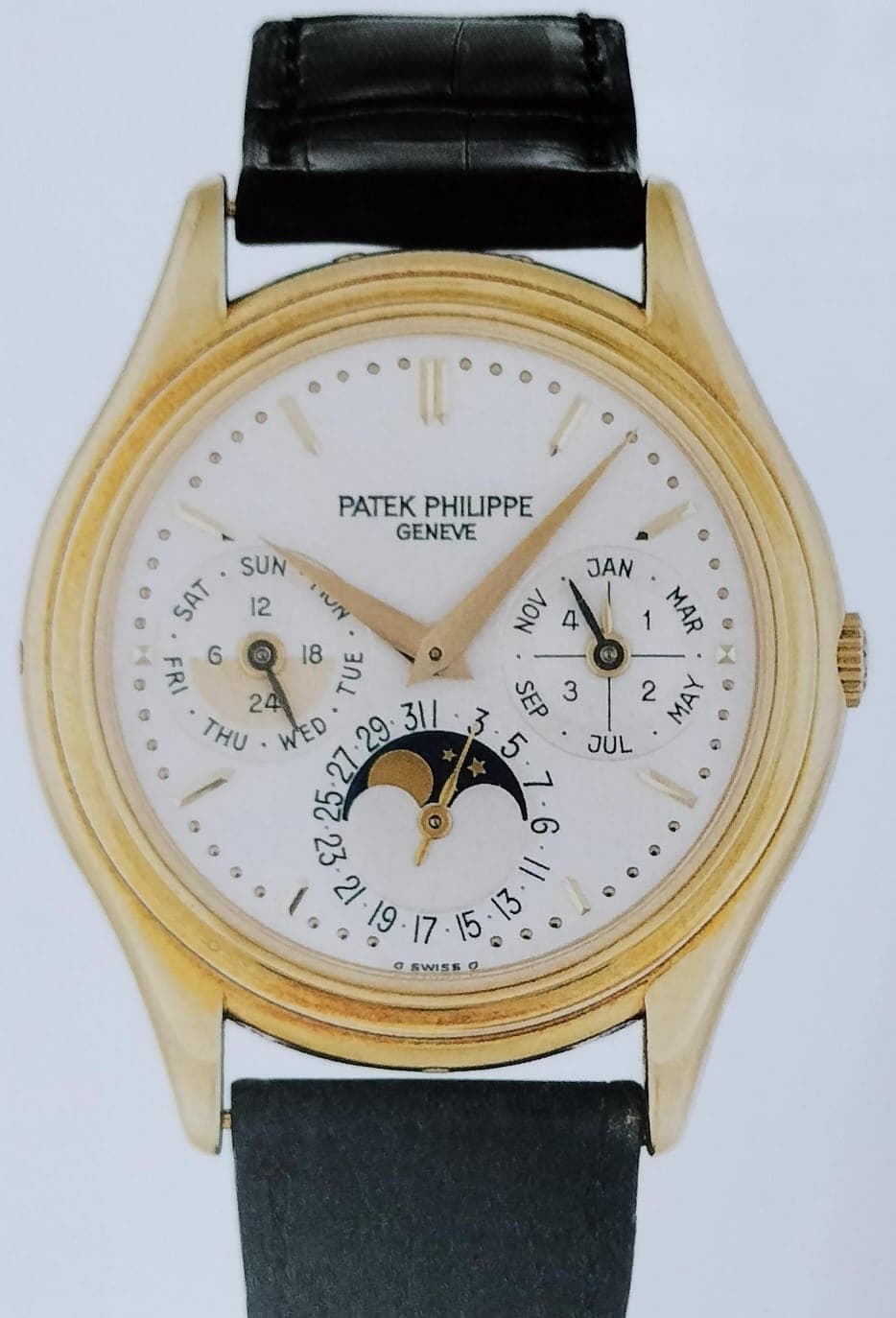
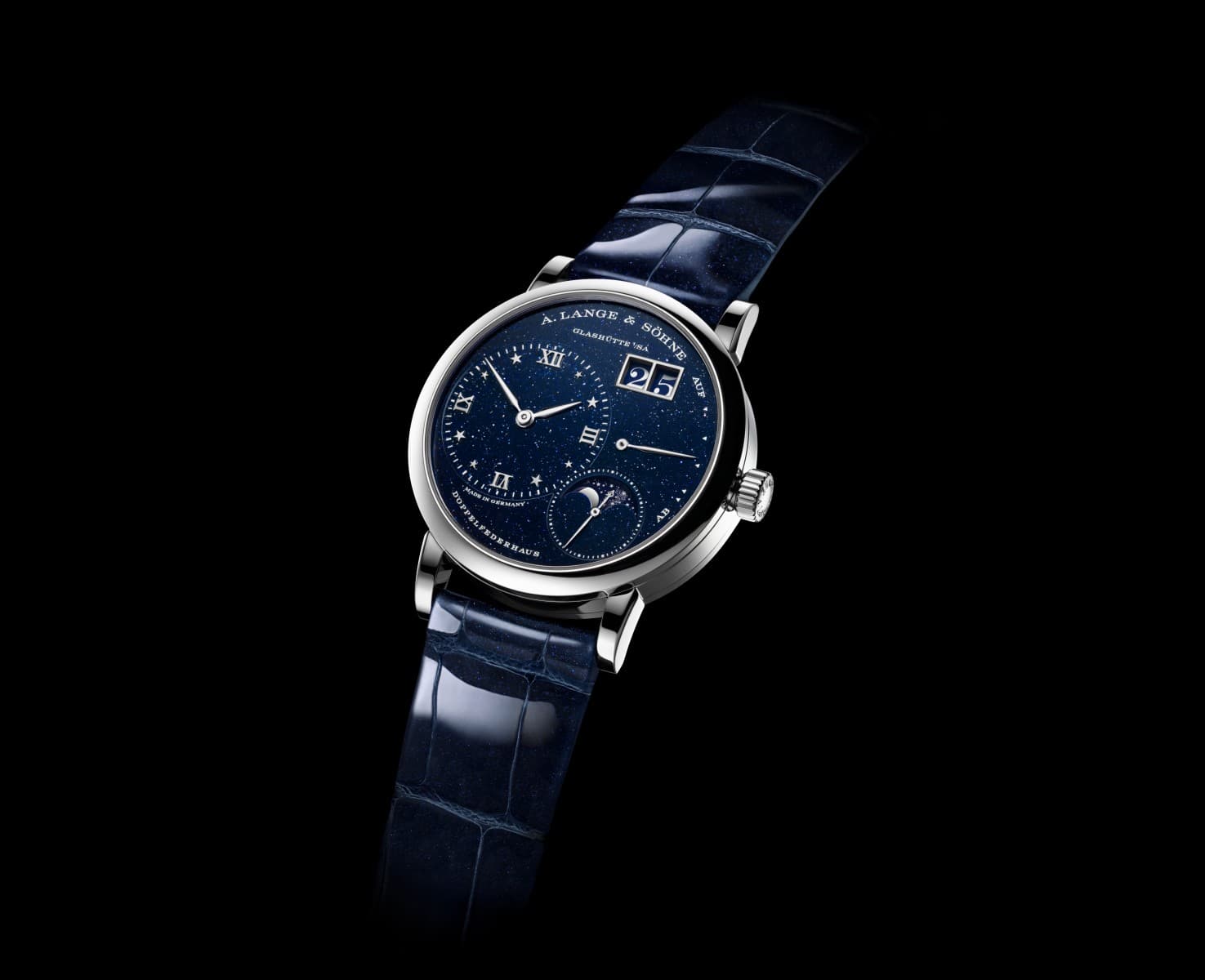
The A. Lange & Söhne Saxonia Moonphase and 1815 Moonphase are the bench-grade reference points for moon-disc finishing. The Patek Philippe 5396, 5320G, and the Calatrava 6119 represent the dressier end. Omega's Speedmaster Moonphase Co-Axial chronograph carries the only photo-realistic moon image (taken by a telescope) in a production caliber. At an entry tier, the Frederique Constant Slimline Moonphase and the Tissot Heritage Visodate Moonphase are the value plays; in vintage, the Rolex 6062 ("Stelline") and Patek 1518 / 2499 are reference-tier collector pieces.
How to shop one
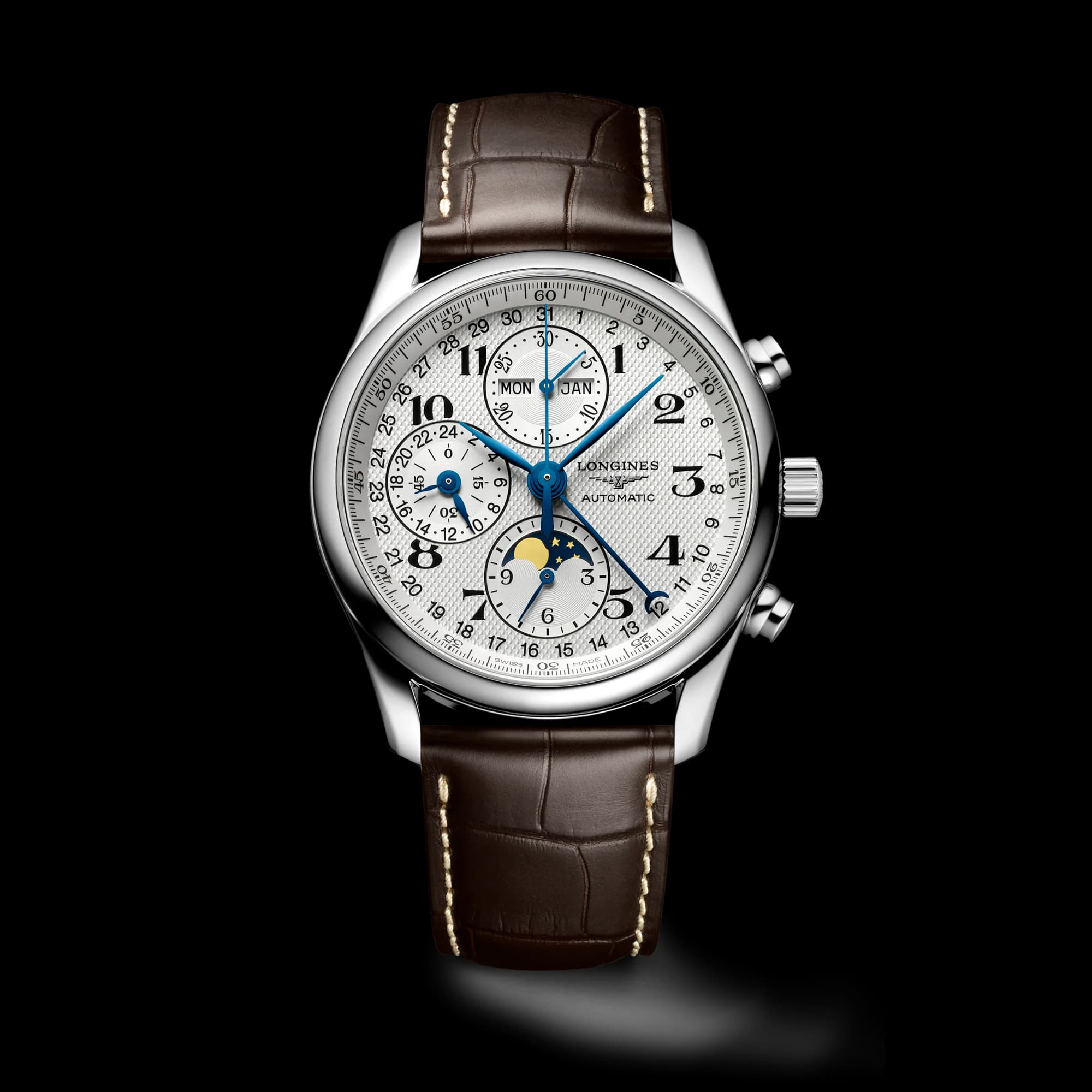
Decide first whether you want a moonphase as a single complication or layered into a calendar. The pure moonphase (Lange Saxonia Moonphase, Calatrava 6119) is the cleanest visual statement. Stacked into an annual or perpetual calendar (Patek 5396, Lange Langematik Perpetual), the moon disc shares dial space with day, date, month, and leap-year indications, busy on the wrist, glorious under a loupe. The other decision is moon-disc material and engraving. Lange uses a hand-engraved gold moon on a starfield; Patek uses solid gold; Omega's Speedmaster Moonphase uses a laser-engraved photograph. None of these are interchangeable in feel.
Common pitfalls
If the watch sits unwound for more than a day, the moon phase will be wrong, and the correction often requires a slow date-cycle through midnight on most movements, owners who do not wear the watch daily end up correcting the moon for ten minutes after every dormancy. Some modern movements offer a quickset pusher for the moon; many do not. Second pitfall: moonphase accuracy is rarely a selling point worth the markup. The standard 59-day wheel and the astronomical wheel cost dramatically different amounts and the human eye cannot distinguish a one-day moon drift across half a decade. Third: dial photography flatters moonphase watches. In person, the aperture is smaller than it photographs.
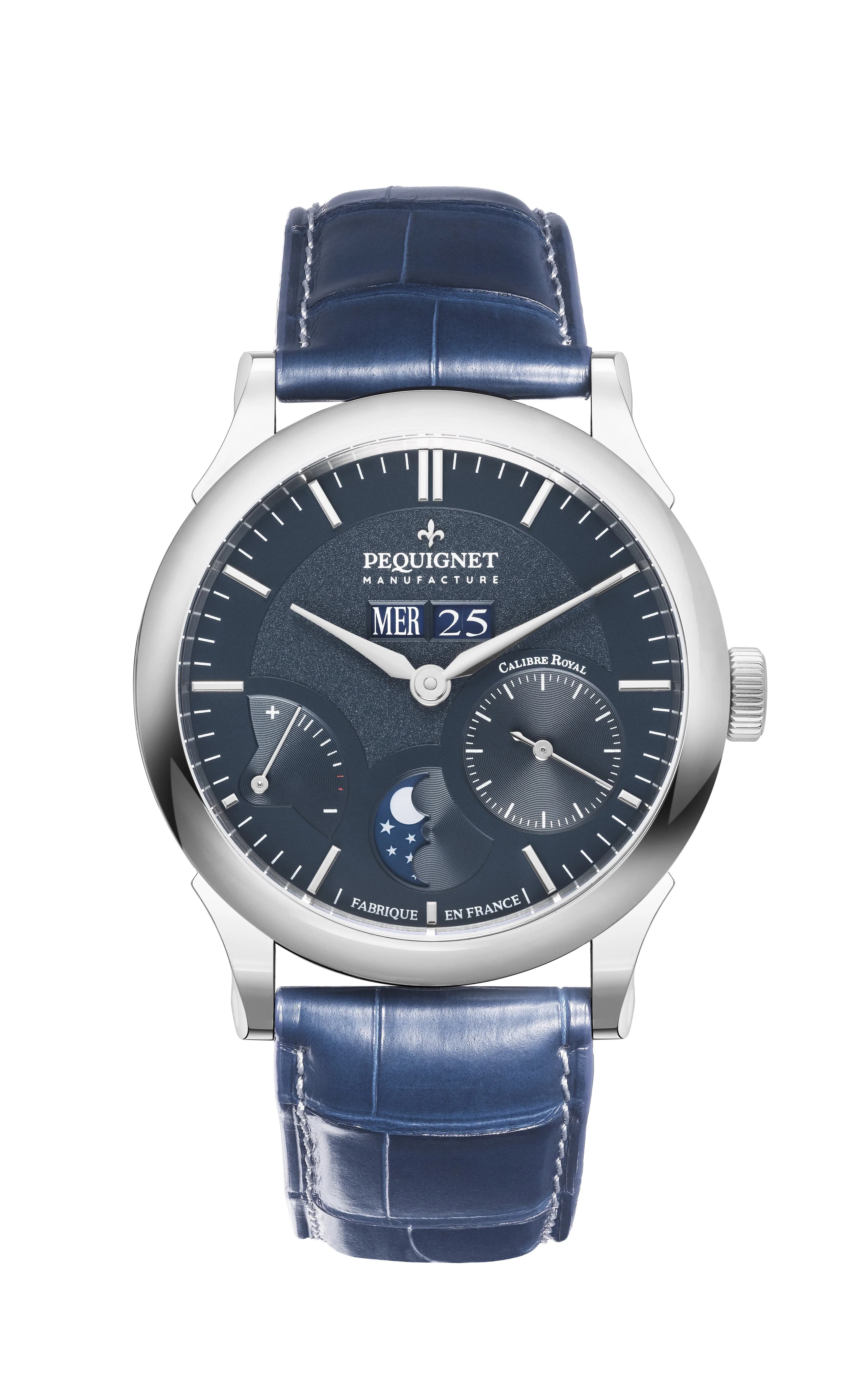
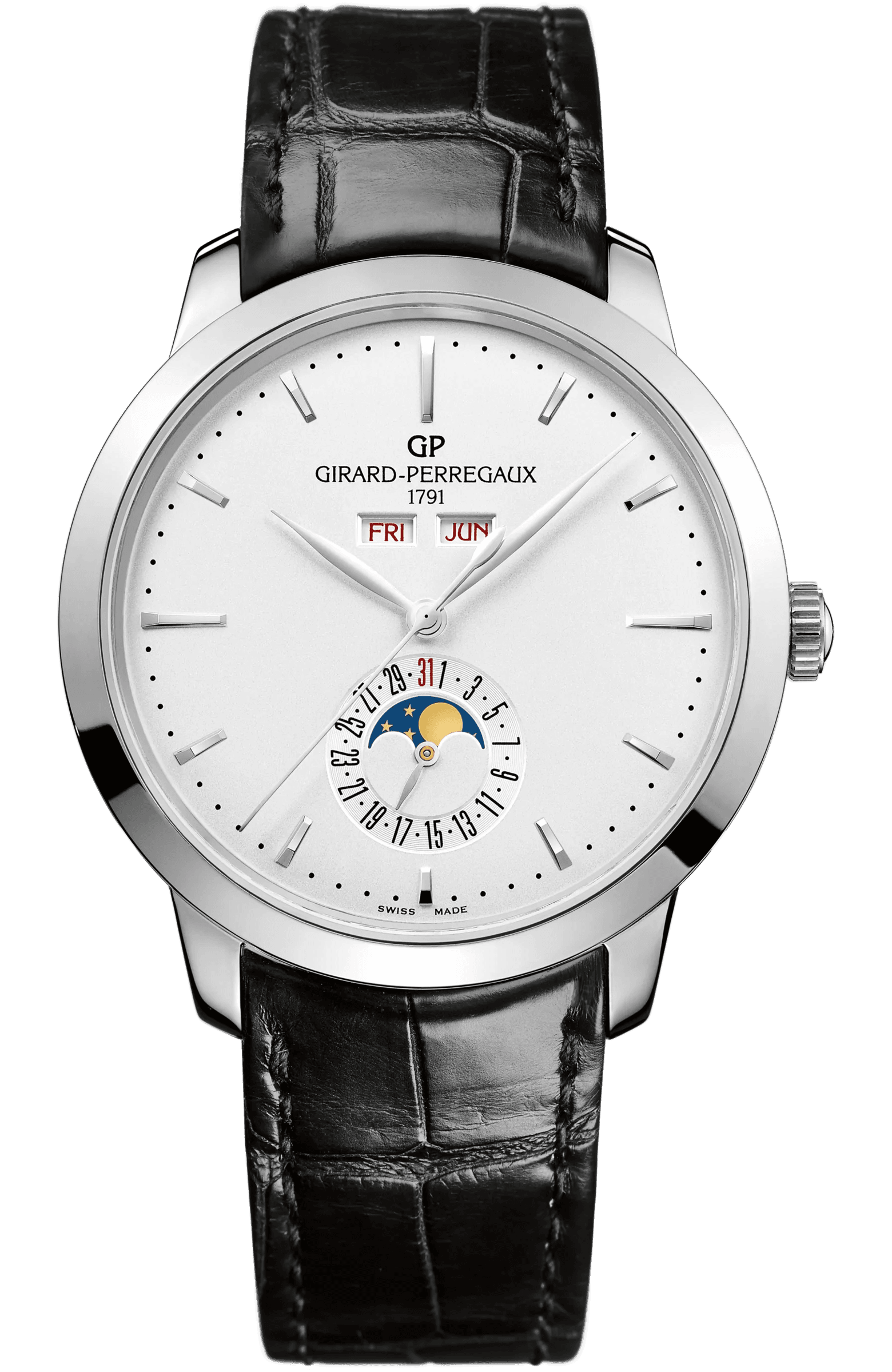
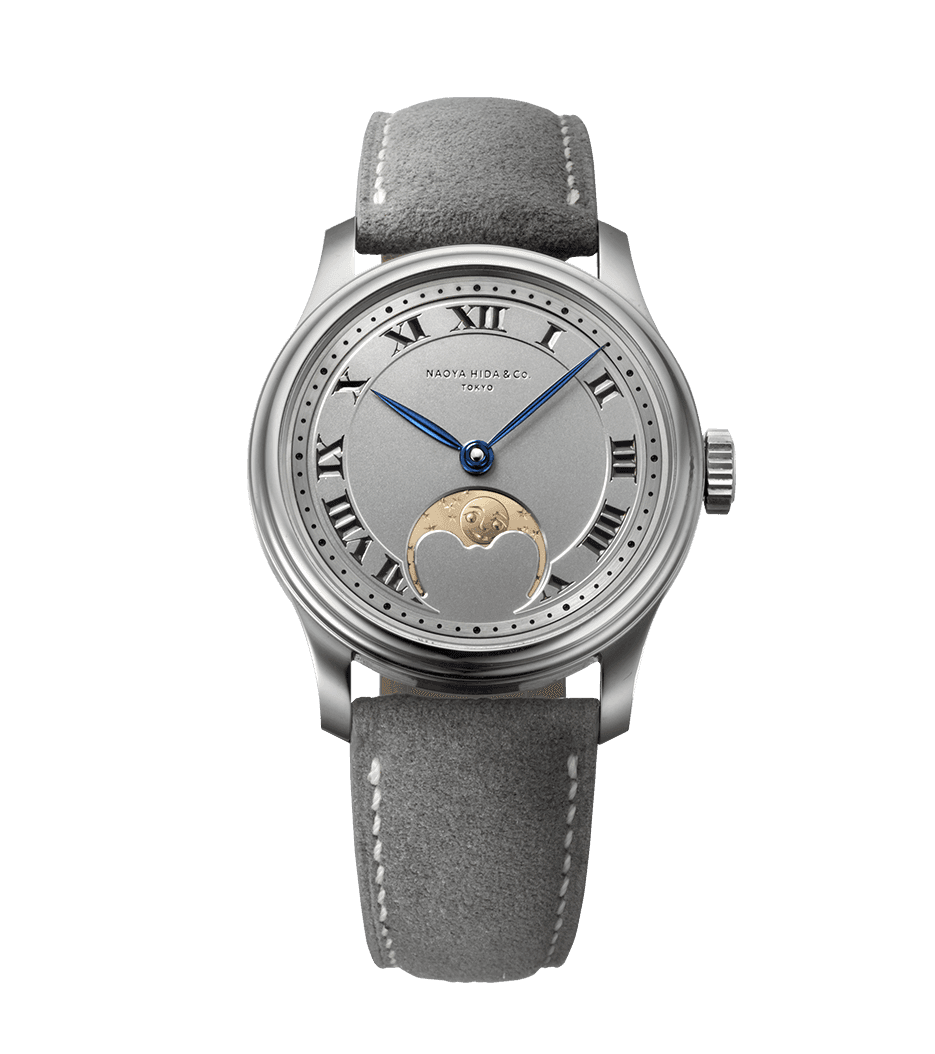
A rotating disc showing two moon images passes behind an arched aperture in the dial, displaying the waxing and waning of the moon in sync with the 29.5-day lunar cycle.
How the moonphase works: history, mechanism, parts required, and what makes it hard to build →