Rubber / Elastomer Strap
Vulcanized rubber or synthetic elastomer for sport and dive use
What it is
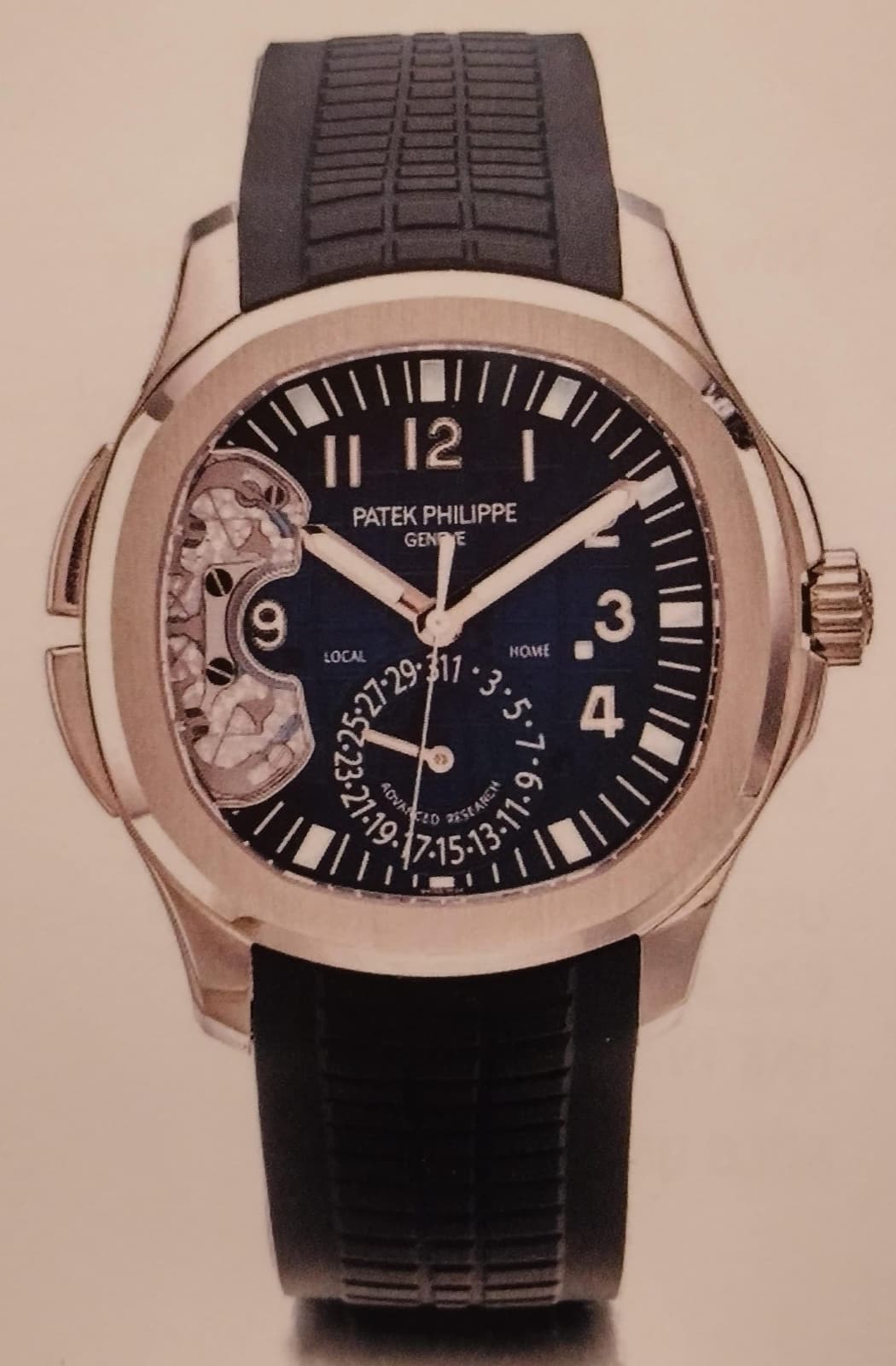
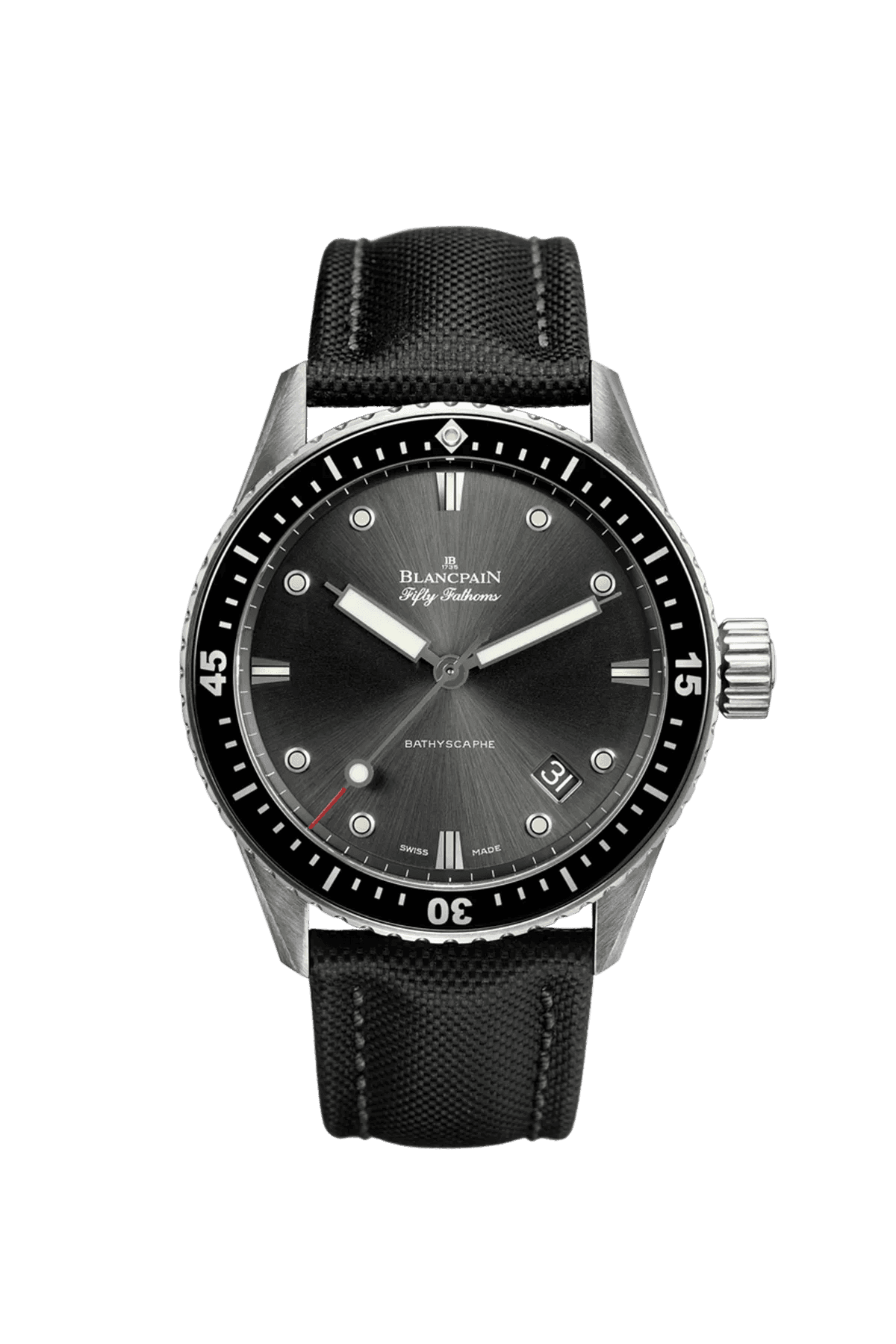
Vulcanized rubber or synthetic elastomer, often called rubber generically. Standard for dive and sport watches. Tolerates salt water, UV, temperature extremes, and chlorine that destroy leather. Patek Philippe's Aquanaut introduced a proprietary composite rubber strap in 1997; the AP Royal Oak Offshore uses a rubber strap with an integrated AP-branded clasp. Some rubber straps are bonded to the case and cannot be swapped without tools.
History
Rubber straps entered serious watchmaking gradually through the dive-watch market in the 1960s and 1970s. They were considered a purely functional choice until the Aquanaut (1997) made the rubber strap part of a reference's design identity, textured to echo the Nautilus dial. The Royal Oak Offshore (1993) used rubber as a deliberate counter to the steel-and-bracelet AP Royal Oak aesthetic, targeting a younger, more extreme-sport-aligned buyer. Both moved rubber from afterthought to design element. Today, aftermarket rubber straps are a mainstream alternative to bracelets on sport watches: brands like Rubber B and Everest make OEM-matched strap systems for Rolex, AP, and Patek references.
How it works
Standard attachment is via spring bars at the lug width, identical to leather straps. Some dive watches use a vulcanite or rubber strap that integrates directly with the case to eliminate any spring-bar failure risk underwater. Elastomer straps can be softer or firmer depending on the Shore hardness of the compound used; sport watches tend toward firmer compounds that hold their shape, while some dress-sport hybrids use softer compounds for comfort.
In the catalog
Related
- Bracelet / Strap: The band that holds the watch on the wrist
- Clasp: The fastening mechanism on the bracelet or strap
- Lugs: The projections that hold the strap or bracelet