Bracelet / Strap
The band that holds the watch on the wrist
What it is
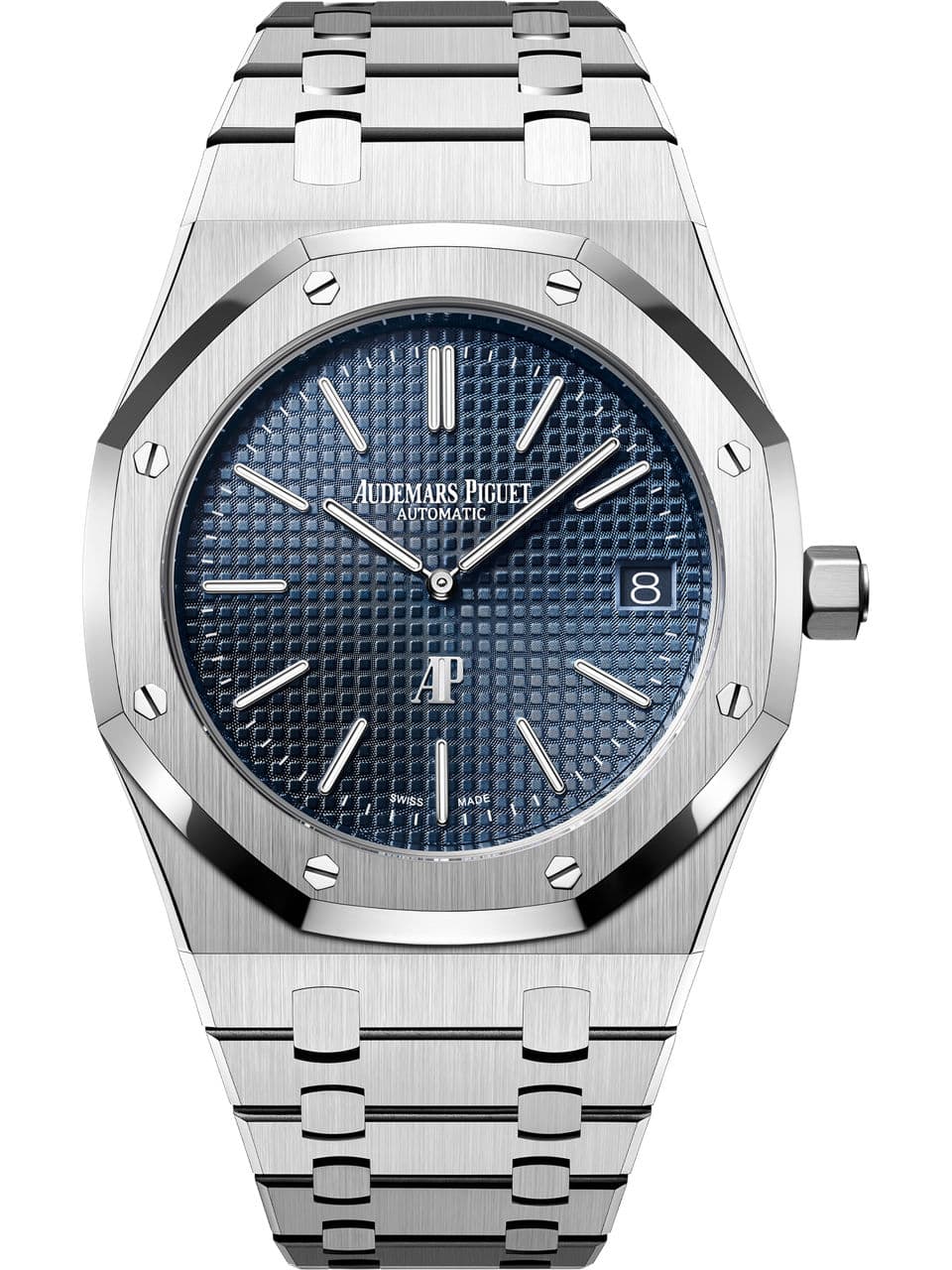
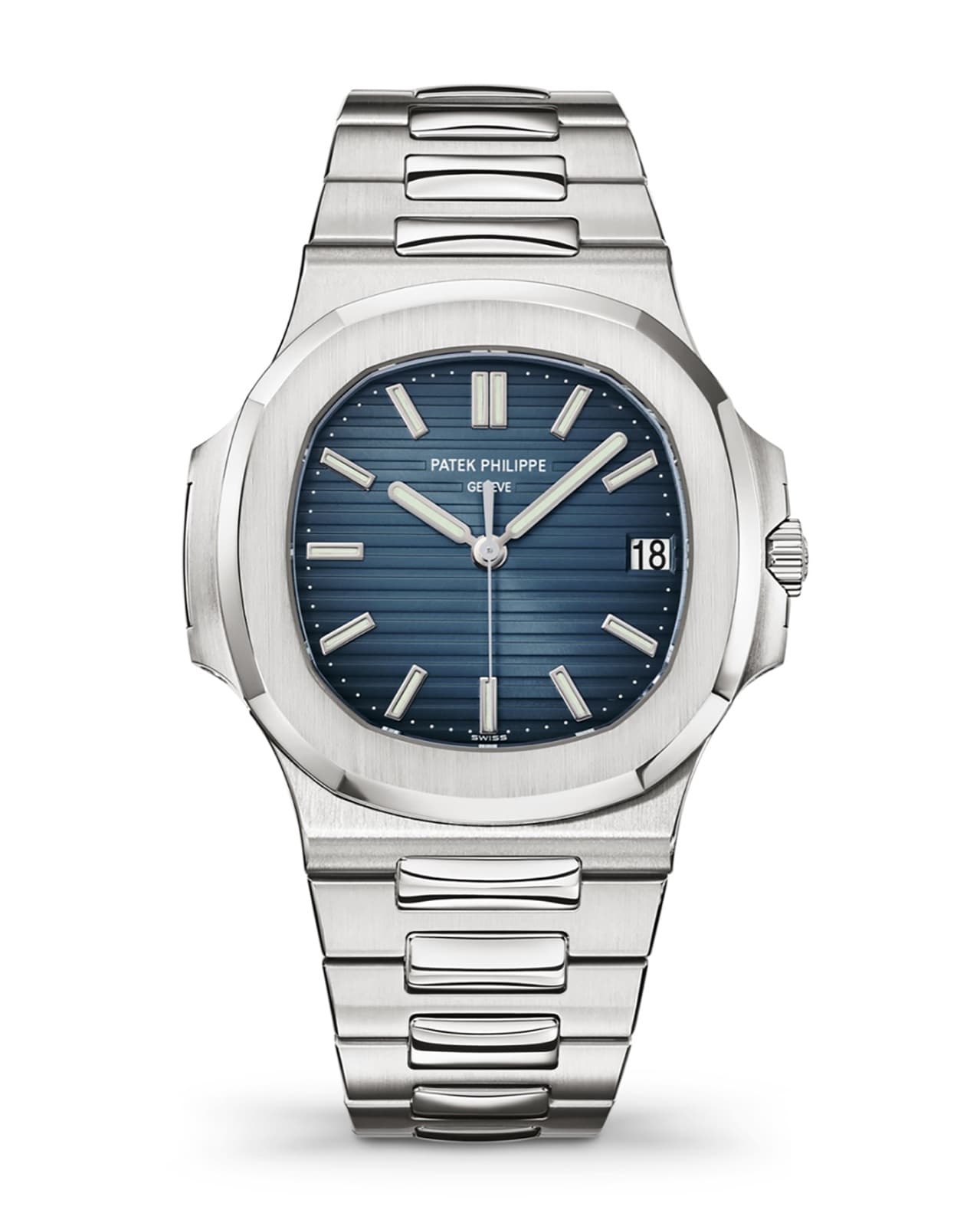
The bracelet (metal) or strap (leather, rubber, or textile) connects the watch case to the wrist via the lugs. Integrated bracelets; where the bracelet flows visually from the case lugs without a visible junction; are a distinct design class established by the Royal Oak and Nautilus. Non-integrated cases accept interchangeable straps and bracelets at the same lug width. The presence of the original, period-correct bracelet with a matching serial number to the case is a meaningful provenance factor on vintage pieces.
History
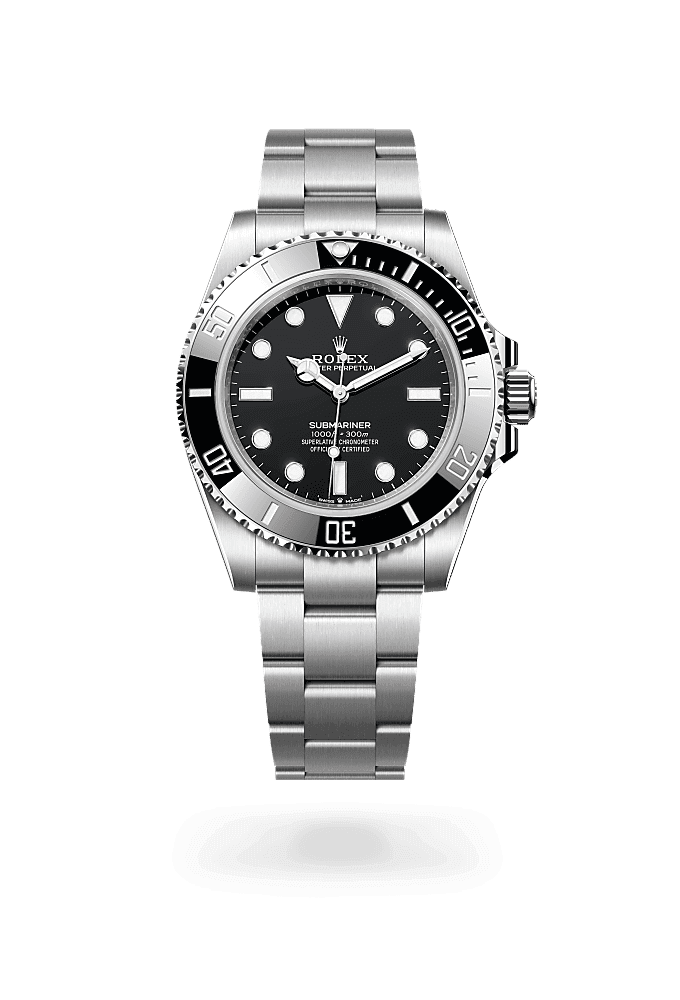
Early wristwatches used leather straps adapted from pocket-watch fobs. Metal bracelets became practical in the 1940s and 1950s as link-milling and stamping technology improved. Rolex introduced the Jubilee bracelet in 1945 (originally paired with the Datejust) and the Oyster bracelet in 1947; current-production versions use solid-link construction throughout. The bracelet revolution of the early 1970s produced the integrated-bracelet sport watch: Gérald Genta's Royal Oak bracelet and Nautilus bracelet are each considered design landmarks independent of the watches they attach to. Rubber straps entered serious watchmaking through the Patek Philippe Aquanaut (1997) and are now standard on sport and dive pieces. The distinction between solid-link and folded-link construction matters commercially: solid links are milled from a single piece of metal, producing a clear ring when tapped; folded links are stamped from sheet metal and hollow, producing a duller thud. Solid-link bracelets resist stretching, wear better over time, and command meaningfully higher prices.
How it works
Metal bracelets connect to the case via spring bars or, on integrated designs, through solid end links pinned directly into the case. Individual links are connected by pins or screws; removing links for sizing requires driving out the pins, which is why matching pins and correct-length spring bars are part of a complete watch as sold. Most modern bracelets include micro-adjustment in the clasp: half-link extensions or a rack-and-pawl system allow fine sizing without removing links from the bracelet body. Rubber straps are bonded to the case on some designs or attach via standard spring bars on others; they tolerate salt water, UV, and temperature extremes that degrade leather.