Clasp
The fastening mechanism on the bracelet or strap
What it is
The clasp is the locking mechanism at the bottom of the bracelet or strap that holds the watch on the wrist. Deployant clasps; fold-over designs that open the bracelet without any compression or stretching of the links; preserve bracelet geometry over years of use. Pin buckles are simpler, universal, and used on straps. The quality of the clasp construction, the crispness of its mechanism, and the precision of its engraving are finishing markers that reveal a great deal about a manufacturer's priorities.
History
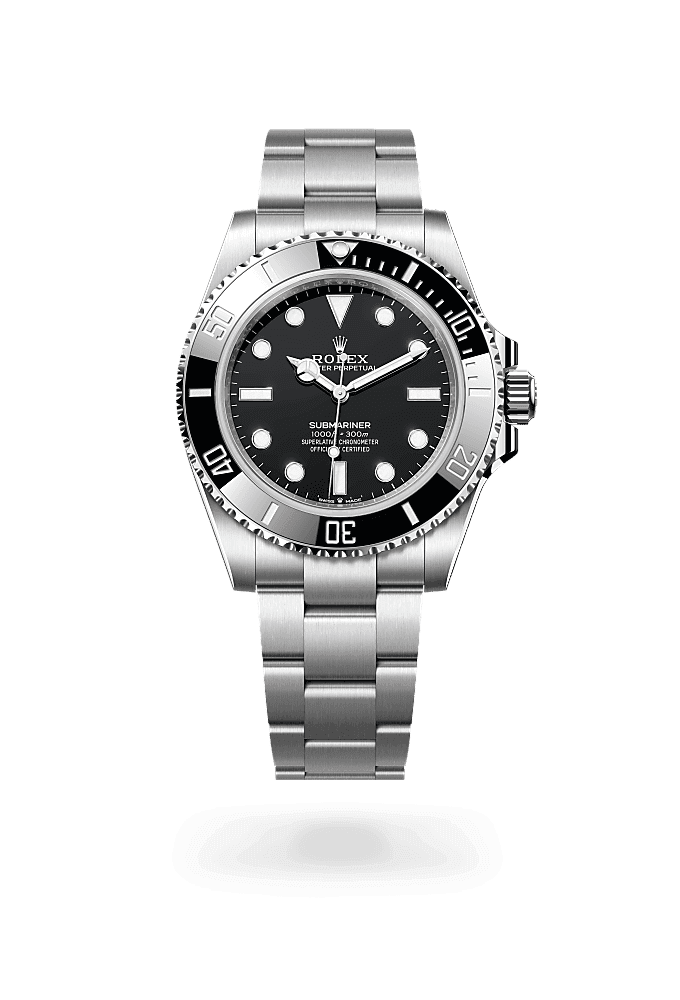
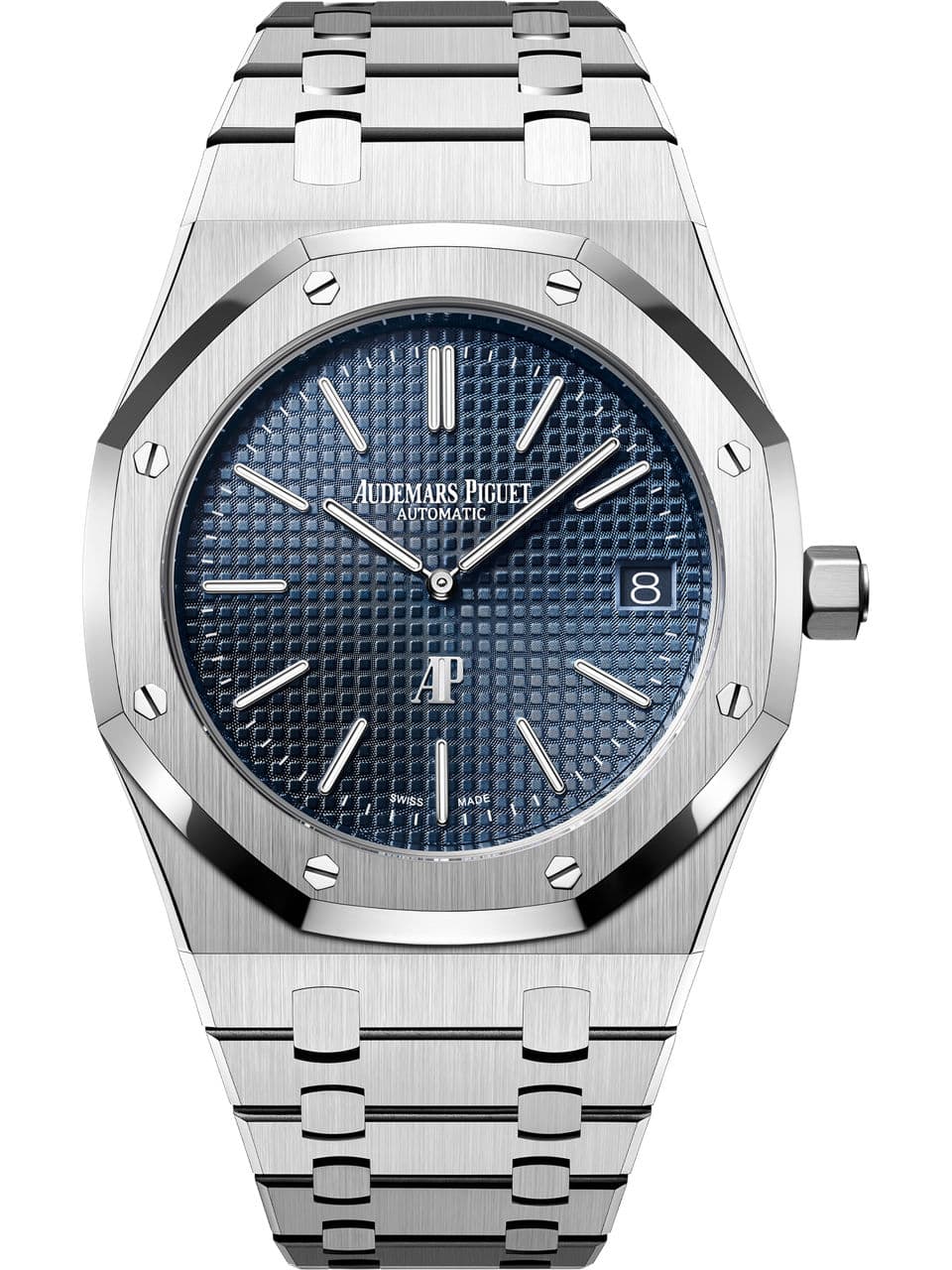
Pin buckles are the oldest form, unchanged in principle since the pocket-watch era. The deployant clasp was developed in the early 20th century; Rolex produced the Oysterclasp in 1966 and added the Oysterlock safety mechanism in 2003, which requires a secondary release before the clasp can open; preventing accidental separation. The butterfly clasp, which opens in two directions from a central fold point, was popularised by Omega and IWC on their sport and dive lines. Audemars Piguet's AP Buckle; a screwless, tool-free design that releases with a single lateral press; demonstrated that the clasp itself could be a technical and aesthetic differentiator worth attention at the point of sale. On vintage watches, an unengraved aftermarket clasp or a clasp bearing the wrong reference number is strong evidence that the original bracelet has been replaced; collectors cross-reference clasp reference numbers against production records.
How it works
A deployant clasp consists of two hinged plates that fold flat against the inside of the wrist. Opening the clasp releases a spring-loaded locking blade, and the plates spring open so the watch can be positioned on the wrist before refastening. Micro-adjustment positions; a row of slots or rack in the clasp body; allow sizing by half-link increments without removing links from the bracelet. A safety fold, as on the Oysterlock, adds a secondary locking tab that must be pressed before the main release engages, requiring a deliberate two-step action to open the clasp accidentally.
Related
- Bracelet / Strap: The band that holds the watch on the wrist
- Lugs: The projections that hold the strap or bracelet