Oyster Bracelet
Rolex's solid three-link bracelet
What it is
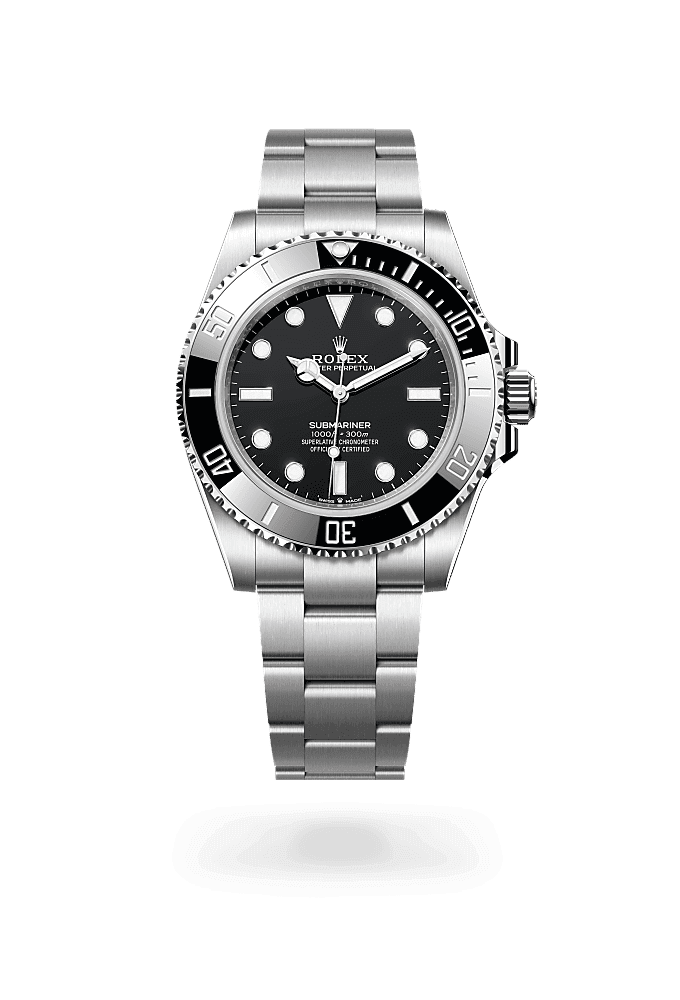
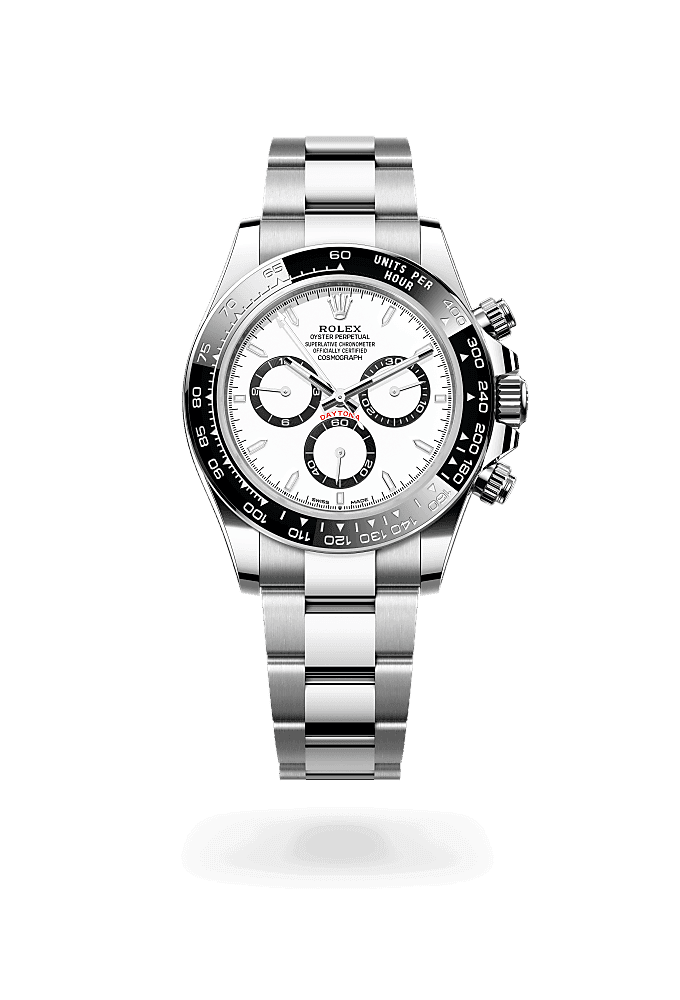
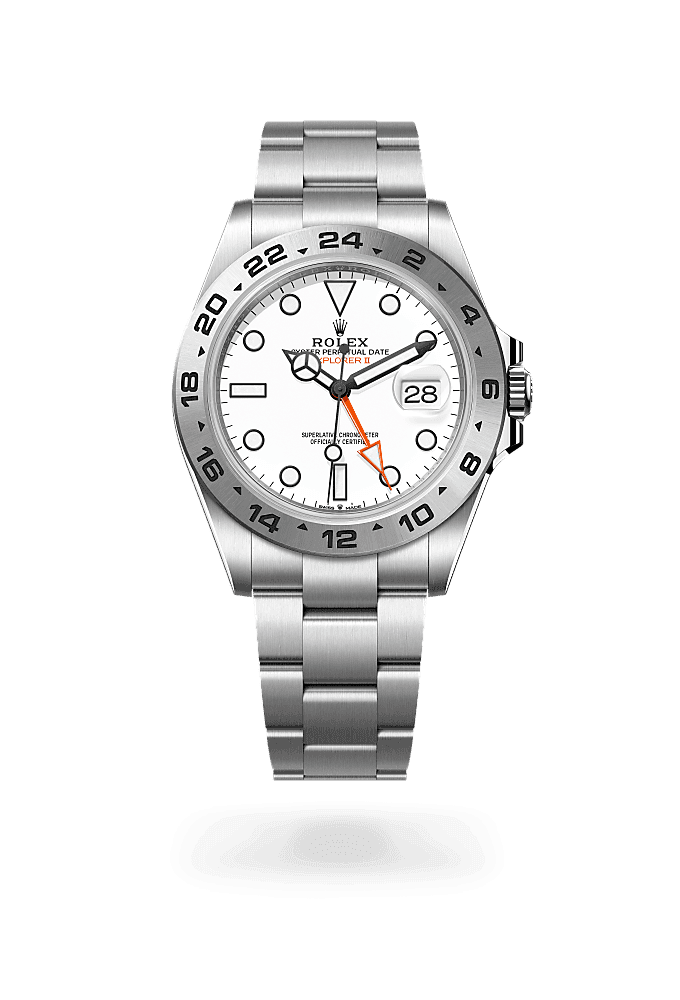
Rolex's three-link solid-construction bracelet. The center link is broader, flanked by two narrower outer links. Milled from solid steel, not stamped sheet. Introduced around 1947 with the Rolex Oyster case. Current production uses Oystersteel throughout with brushed center links and polished outer links. The Oysterlock folding clasp has been standard since the 1970s.
History
The Oyster bracelet was designed to match the functionality of the Oyster case: tough, resistant to deformation, and holding its geometry through daily wear. Rolex progressively upgraded its construction from early hollow-link versions to the fully solid links used today. The solid center link gives the bracelet its distinctive weight and resistance to stretching over time. Competing manufacturers have produced three-link bracelets that reference this design, but Rolex's tolerances and Oystersteel specification remain the benchmark.
How it works
Individual links are connected by press-in or screw-type pins at each joint. The bracelet tapers from the case to the clasp, following the case's lug geometry. Link removal for sizing is done by driving out the connecting pins; Rolex supplies half-links for fine sizing. The Oysterlock deployant clasp includes an Easylink comfort extension that allows 5mm of rapid adjustment without opening the clasp, which is useful when wrist circumference changes between summer and winter.
In the catalog
Related
- Bracelet / Strap: The band that holds the watch on the wrist
- Clasp: The fastening mechanism on the bracelet or strap
- Lugs: The projections that hold the strap or bracelet
- End Links: The bracelet links that attach directly to the case at the lugs