End Links
The bracelet links that attach directly to the case at the lugs
What it is
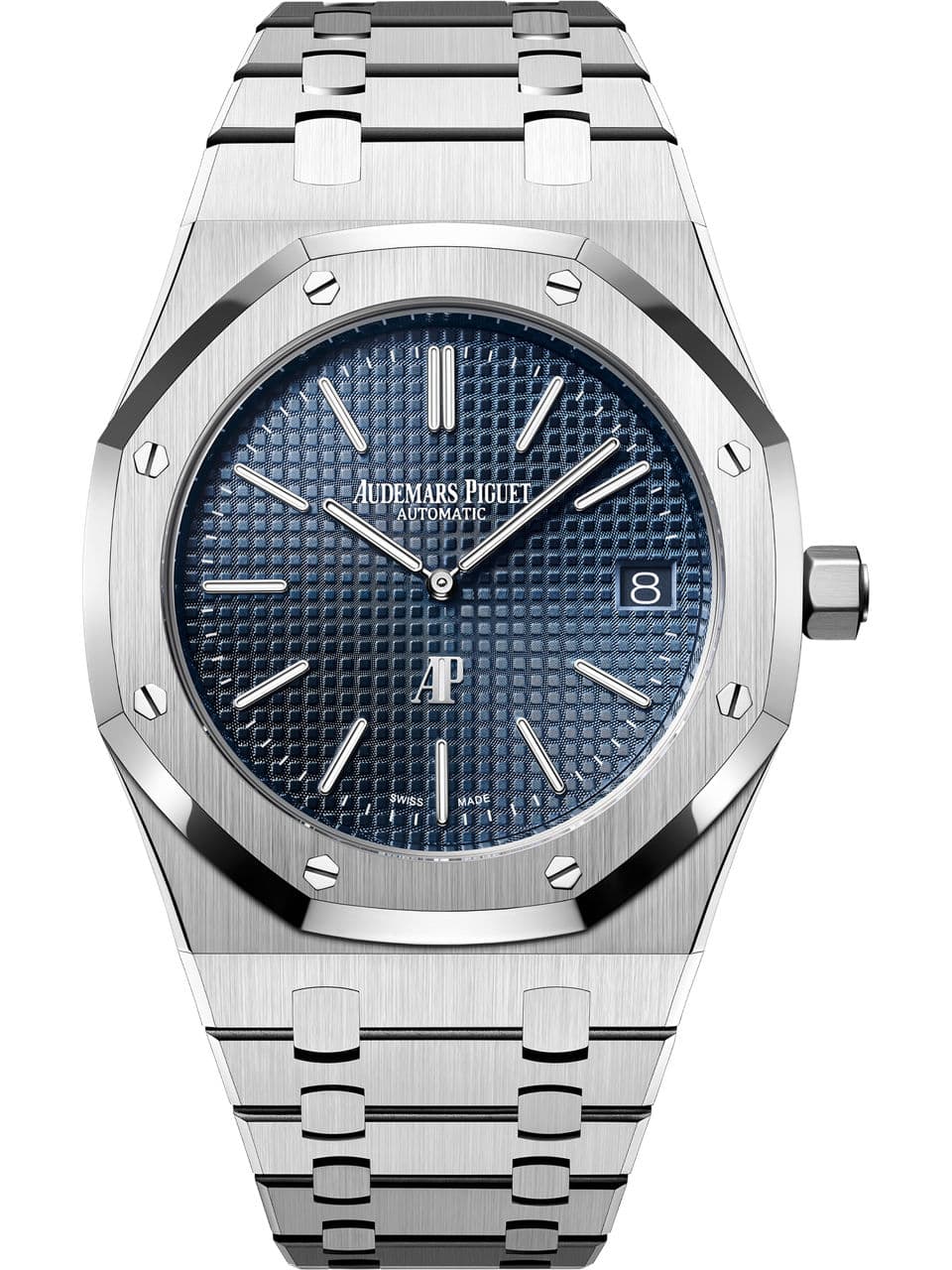
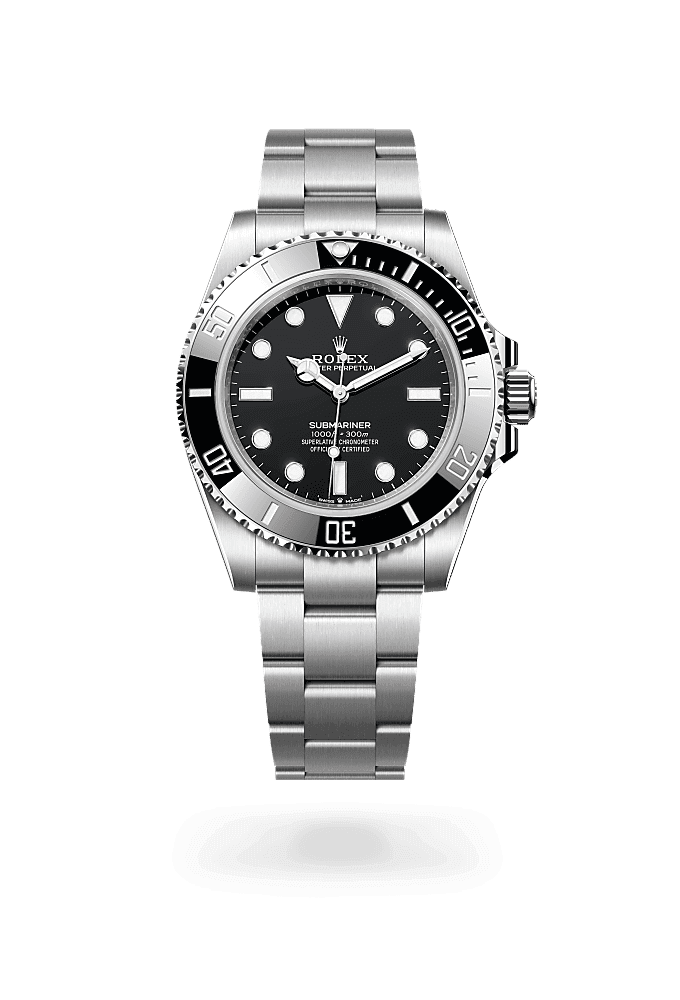
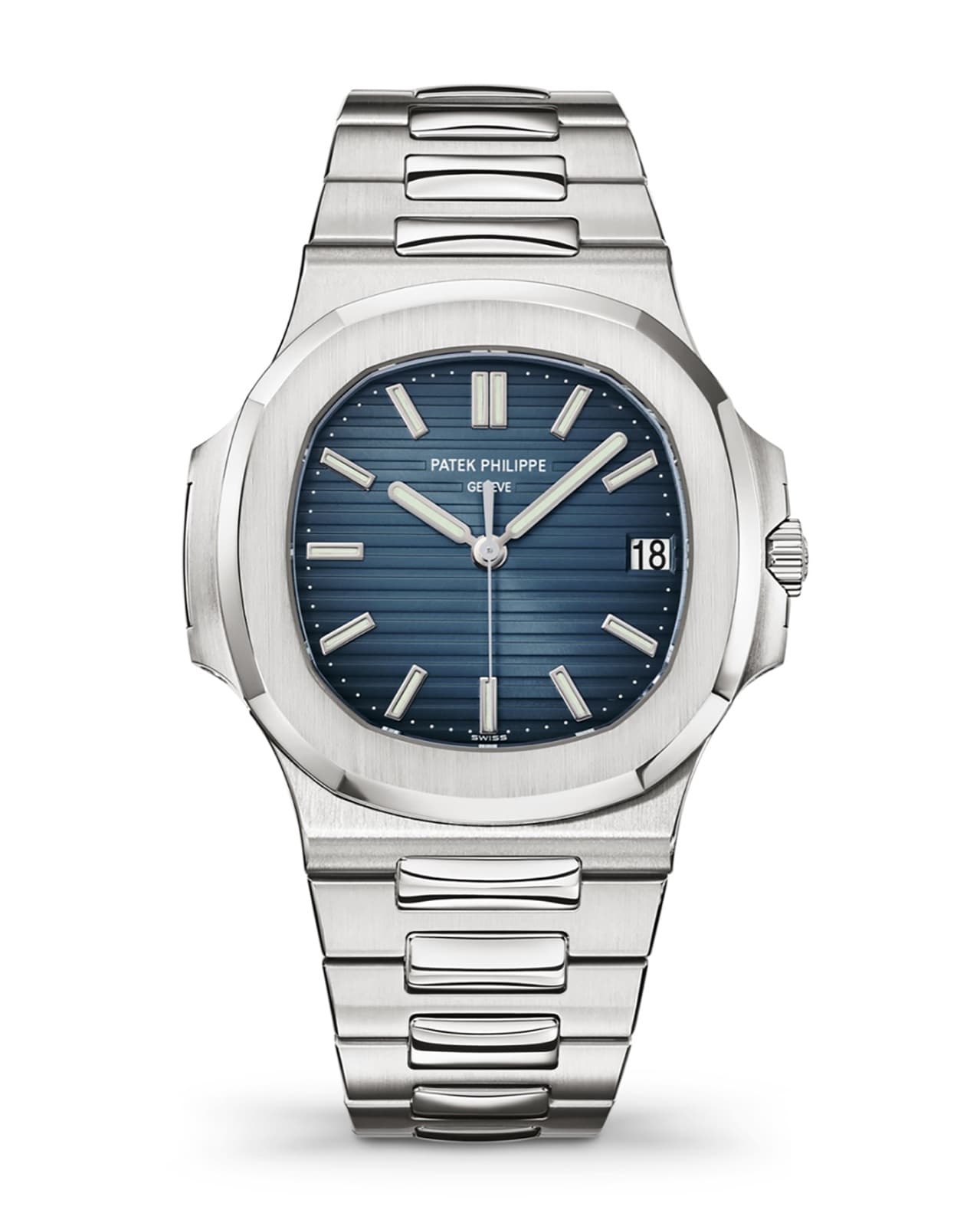
The bracelet links that attach directly to the case at the lugs. On integrated designs, end links are machined to match the exact case profile and angle. On non-integrated designs, end links either press into the lug channel (push-in end links, common on Rolex) or are pinned. Aftermarket end links are often a visible tell for non-original bracelets: the fit, thickness, and polishing quality of genuine end links is manufacturer-specific. Solid end links are a quality marker; hollow or poorly fitted end links create gap and rattle.
History
Early metal bracelets used simple bent-wire connections at the lug. As bracelet construction moved to milled solid links, end links became a precision component: they must curve to match the lug radius, maintain the correct height to sit flush with the case, and be finished to match the adjacent bracelet links. Rolex's push-in end links became an industry reference for solid non-integrated attachment. Counterfeit and aftermarket bracelets routinely fail at the end link because the proprietary profile requires manufacturer-specific tooling to replicate accurately.
How it works
Push-in end links compress laterally and snap into a channel machined into the lug interior, relying on friction and the spring force of the compressed link to stay in place. Pinned end links use a solid pin driven through a lug hole and the end link's corresponding bore. On integrated designs, the end link is part of the case forging and is finished as a single piece with the adjacent case surfaces. The visual indicator of end-link quality is the gap, if any, between the end link and the lug wall: a properly fitted solid end link should show no daylight at this joint.
In the catalog
Related
- Bracelet / Strap: The band that holds the watch on the wrist
- Lugs: The projections that hold the strap or bracelet
- Integrated Bracelet: A bracelet that flows from the case without visible junction
- Oyster Bracelet: Rolex's solid three-link bracelet
- Bracelet Finishing: The application of brushed and polished surfaces to a metal bracelet