Anglage
Beveling and polishing the edges of movement parts
What it is
Anglage (from the French "angle") is the process of chamfering and polishing every exposed edge of a movement's bridges, plates, and levers to a uniform 45-degree bevel with a mirror finish. The bevel catches light and frames each part visually, making it a quality-signaling detail as much as a practical one. On high-grade movements, no edge; however small or hidden; is left sharp or unfinished.
History
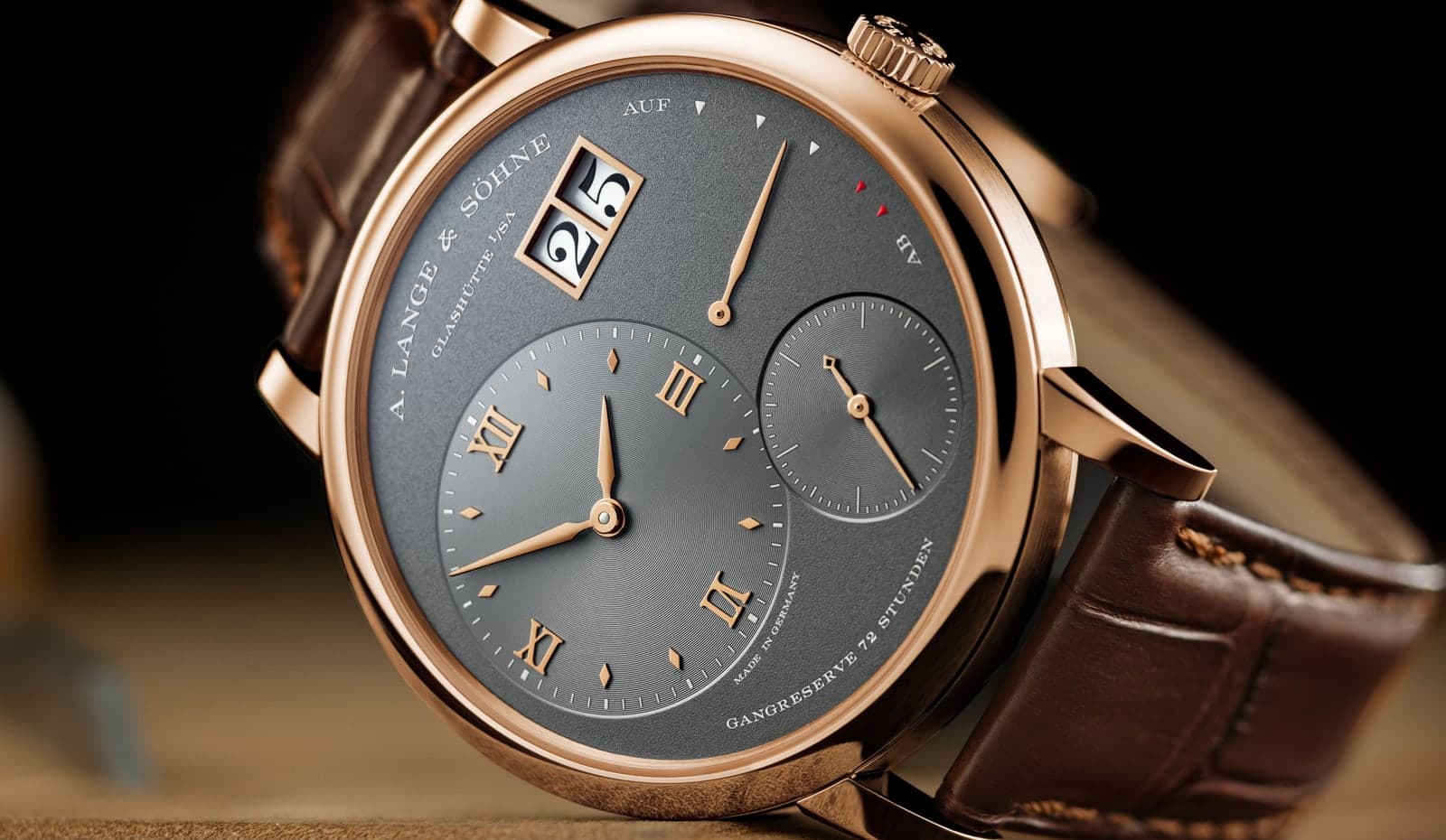
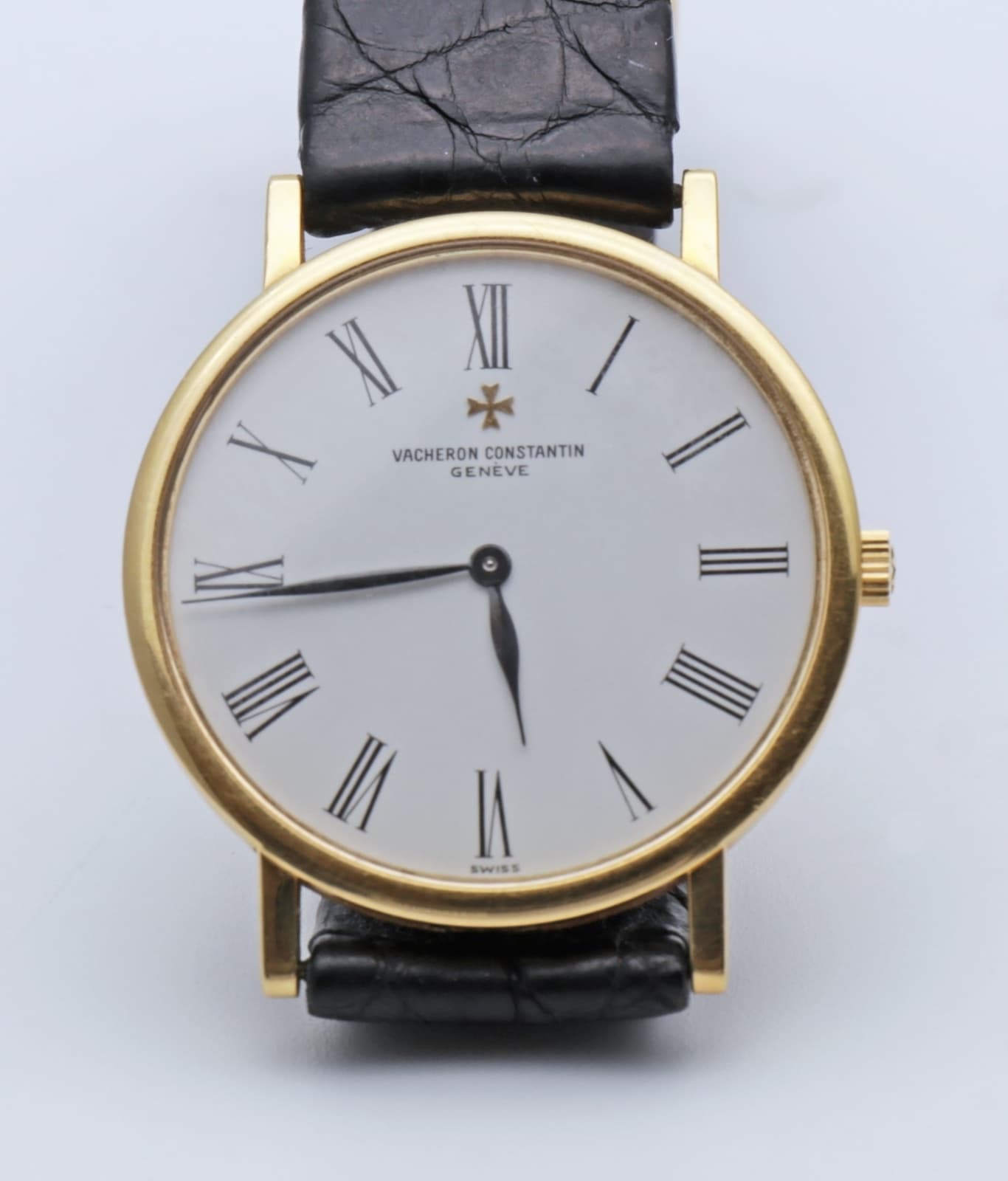
Anglage became a defining characteristic of high Geneva finishing standards in the 19th century and is a mandatory requirement of the Poinçon de Genève. Every top-tier manufacture; Patek Philippe, Vacheron Constantin, Jaeger-LeCoultre; includes anglage in their movement finishing. A. Lange & Söhne carries the Glashütte tradition's particularly demanding standard: their anglage includes the edges of hardened steel parts, not just brass, and the German school prizes sharp, precise corners where the French school allows slightly rounded transitions. Lange's movements appear in the catalog; the anglage on their three-quarter plates is visible through the display caseback on pieces such as the Lange 1 and Saxonia.
How it's done
The craftsman uses a small file to create the initial 45-degree bevel along each edge. A series of abrasive-coated pegwood sticks of decreasing grit; typically boxwood or pithwood loaded with diamond paste; then refine and polish the beveled surface through successive passes. The final result must be absolutely flat and mirror-reflective; any rounding or waviness across the bevel face is immediately visible under a watchmaker's loupe. CNC beveling machines can produce a consistent chamfer angle across a full plate in minutes, but lack the crisp, flat mirror quality that hand work produces at the corners where two bevels meet; precisely the detail that a trained examiner checks first.
In the catalog
Related
- Mirror polishing: Producing an optically flat, reflective surface on steel
- Perlage: The overlapping circular frosted pattern on movement plates
- Guilloché: Engine-turned geometric engraving on metal