Tourbillon watches
References in the Grail Atlas catalog carrying the tourbillon complication.
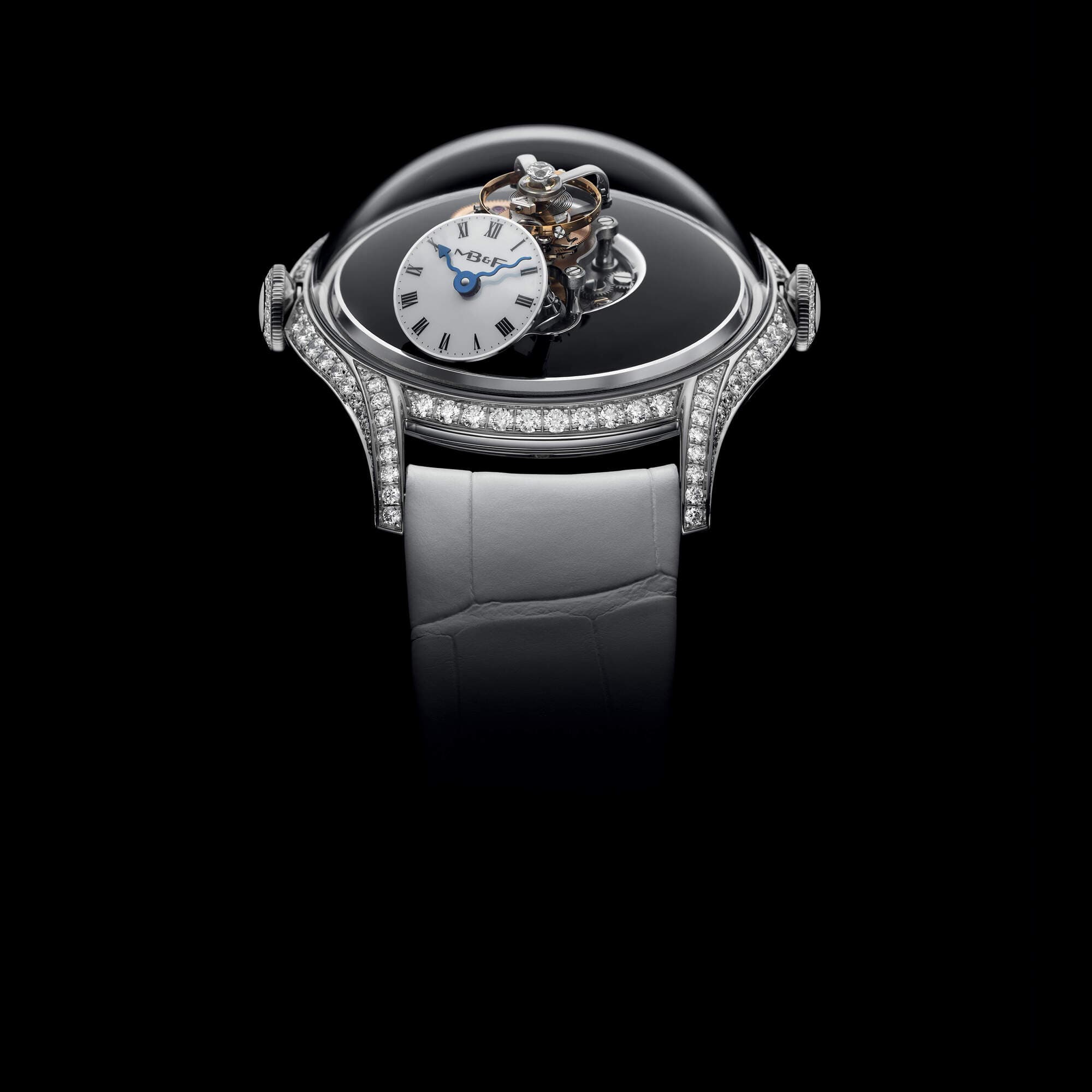
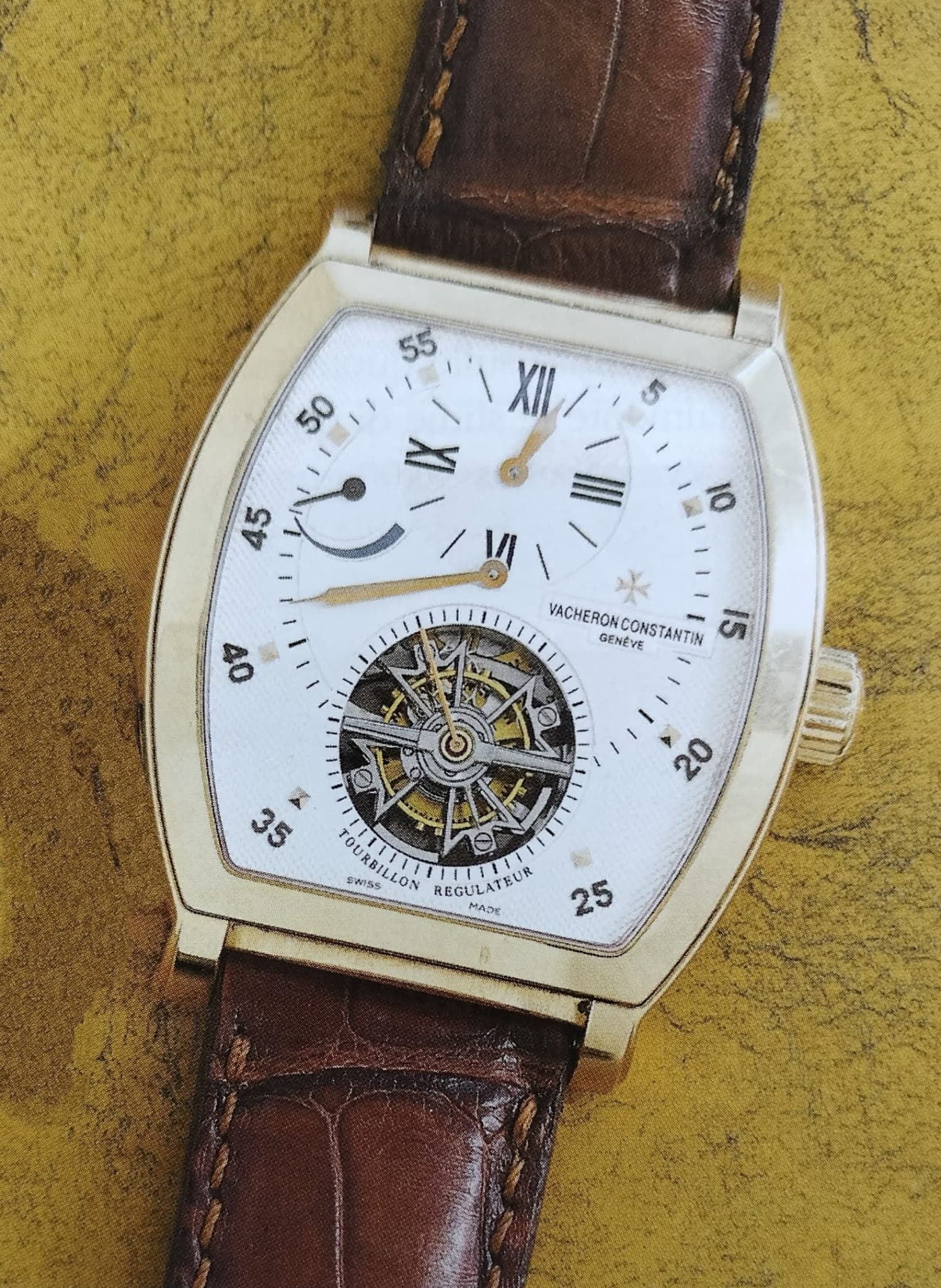
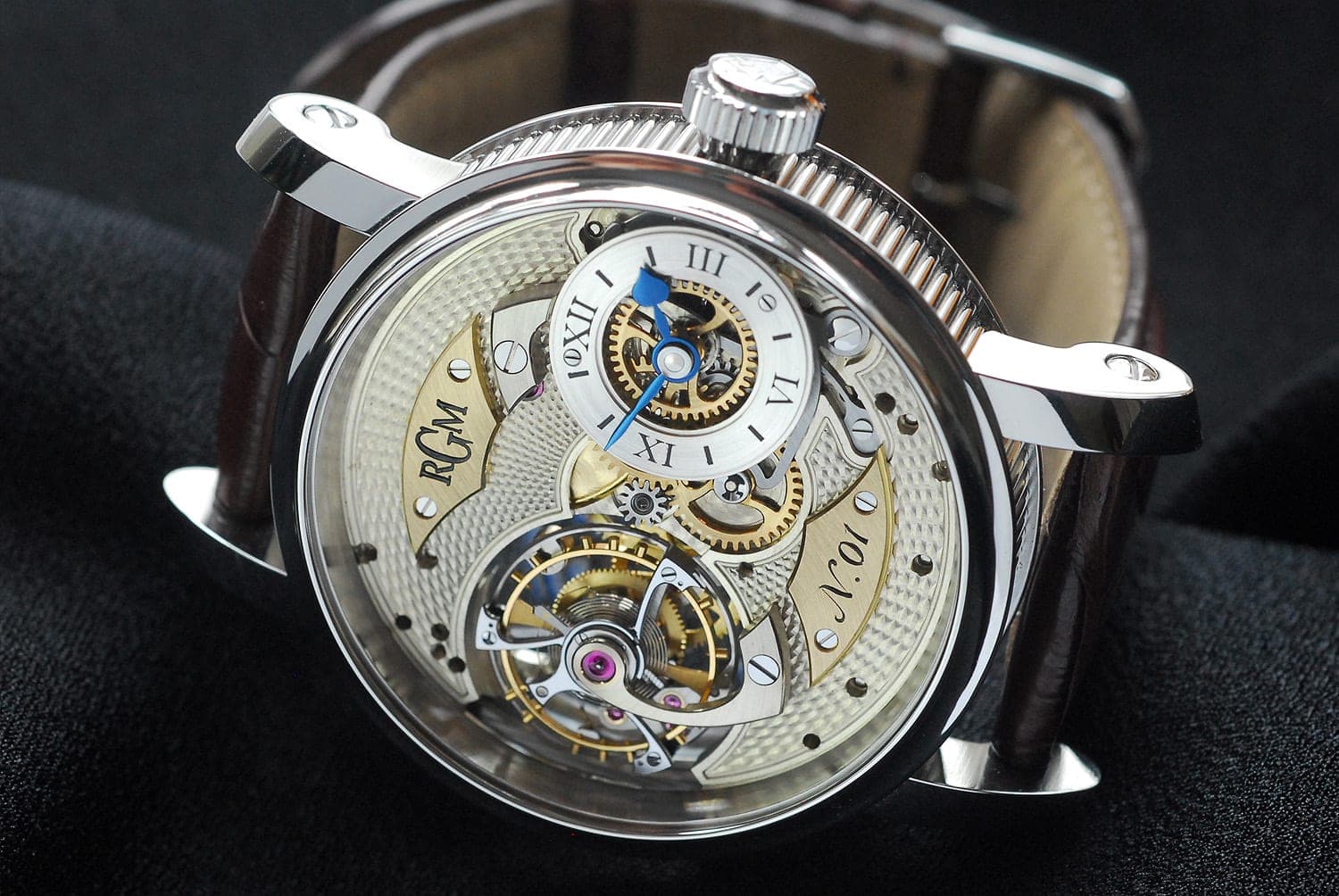
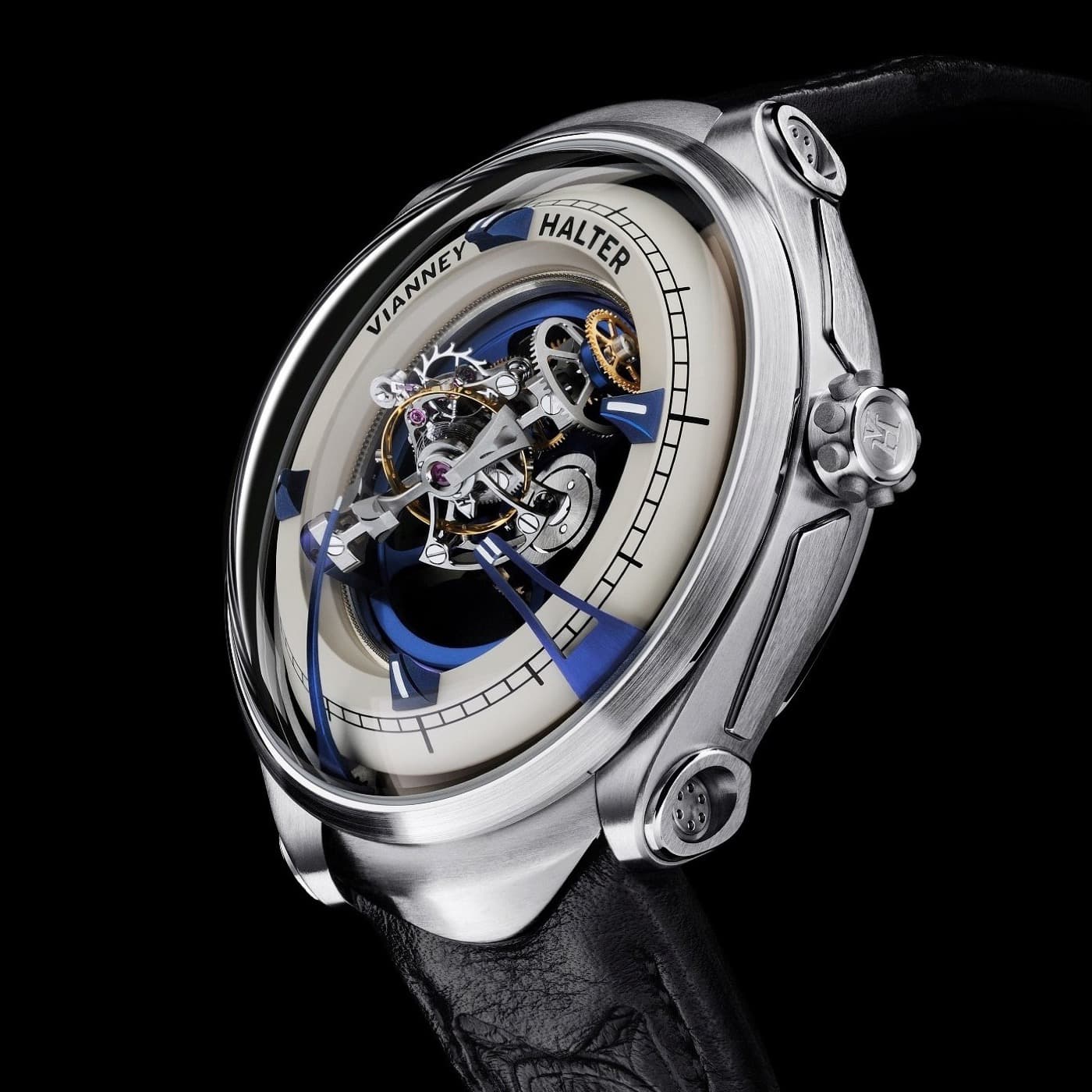
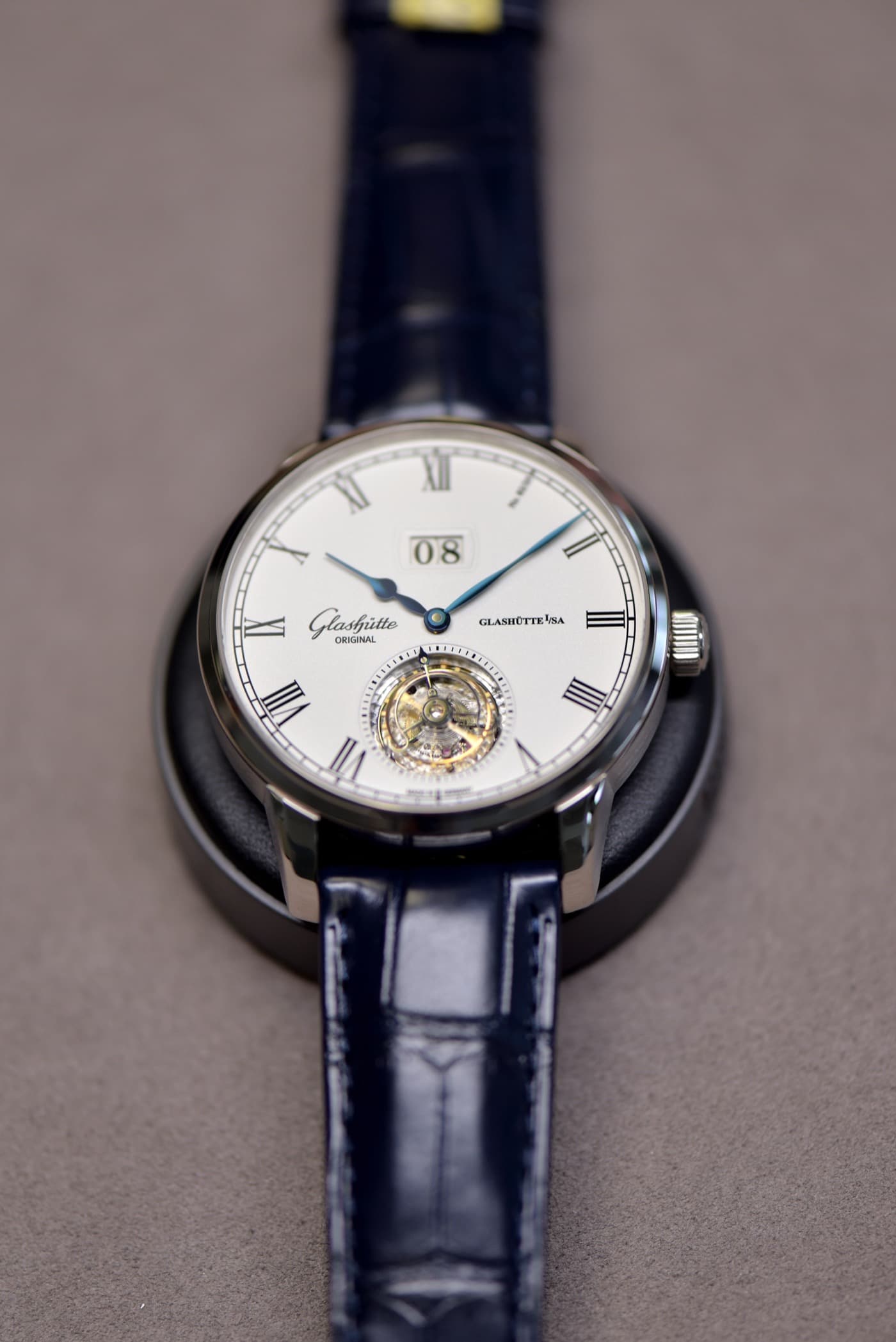
A tourbillon mounts the escapement and balance wheel in a rotating carriage, averaging out positional gravity errors that affect rate when a watch is held in a single orientation. Breguet patented it in 1801 for pocket watches, where it actually helps; in a wristwatch, which moves through positions constantly during wear, the rate gain is academic. The tourbillon survives in modern watchmaking as a display of craft: the carriage is visible through an aperture, almost always at 6, and the watch becomes as much a kinetic sculpture as a timekeeper.
Notable references
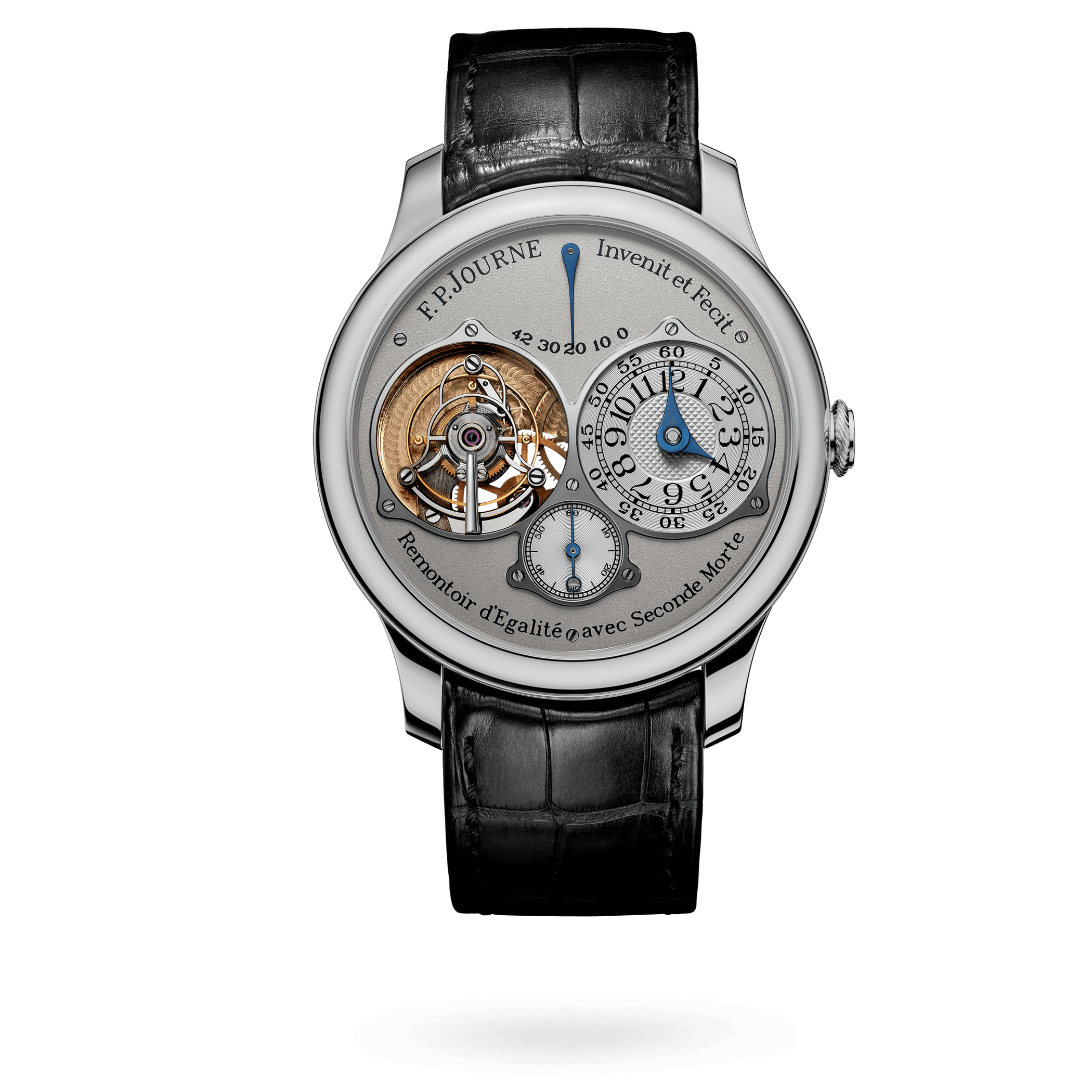
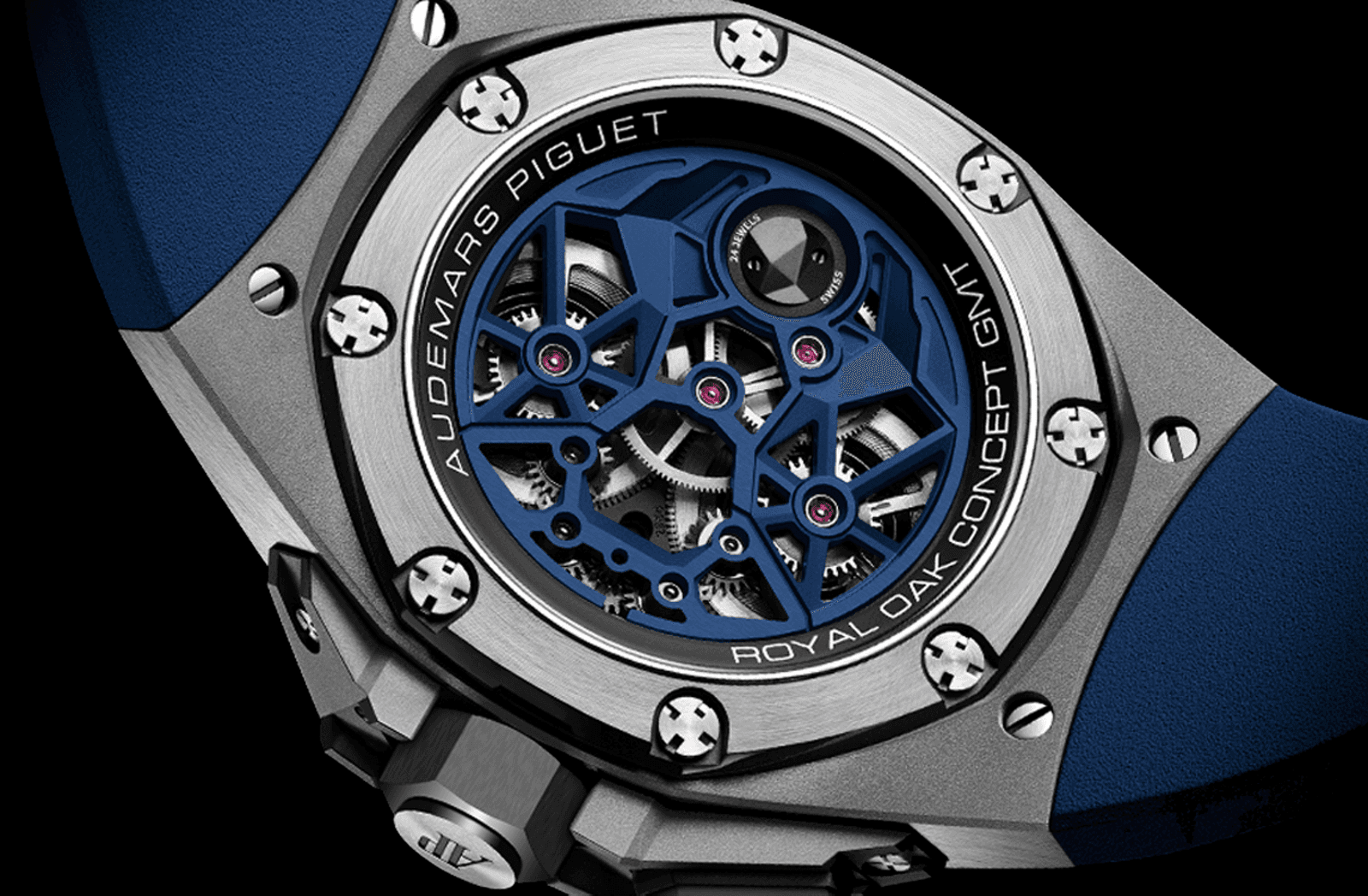
Breguet Classique Tourbillon 5377 (extra-thin automatic) is the brand's reclamation of its founder's invention. A. Lange & Söhne 1815 Tourbillon 730.032 (with stop-seconds and zero-reset, a Lange invention) and the Pour le Mérite Tourbillon are the German bench's contributions. Patek Philippe rarely puts the tourbillon on the dial side at all, it is usually hidden, as in the 5101 and the Grand Complications series, which collectors take as a quiet flex. Audemars Piguet's Royal Oak Tourbillon Extra-Thin 26510 is the integrated-bracelet expression. Independents drive the category's interesting end: Greubel Forsey's multi-axis tourbillons, F.P. Journe's Tourbillon Souverain à Remontoir d'Égalité, and the Voutilainen Tourbillon are where the craft argument actually gets made.
How to shop one
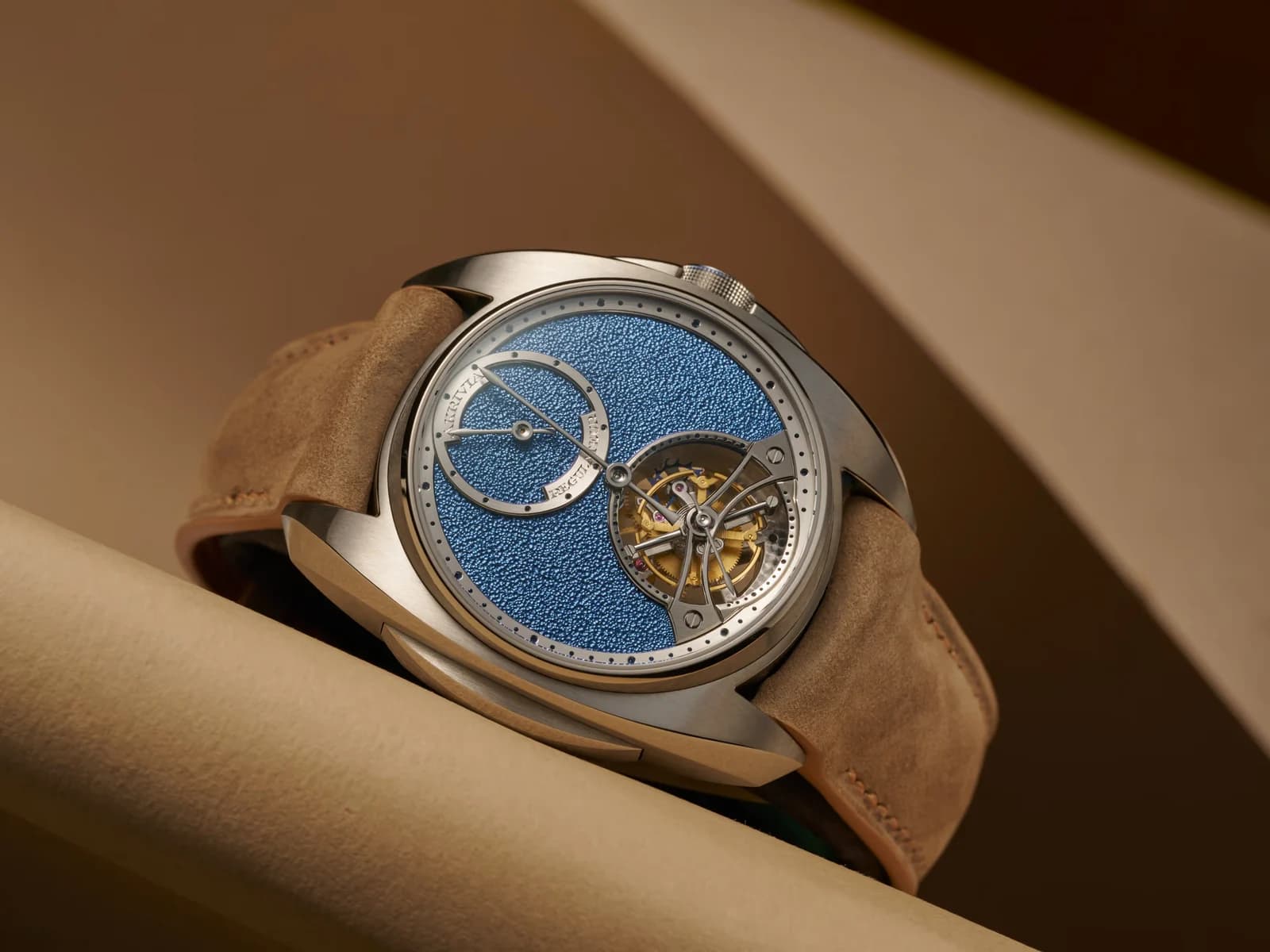
Decide whether you want a "visible tourbillon" (cage exposed through dial aperture) or a hidden tourbillon (caseback only, or full plate dial). Visible is the more common choice, buyers want to see what they paid for, but the dial geometry of a 6 o'clock aperture is hard to balance, and many tourbillons look chronograph-heavy with the cage sitting where a sub-dial would. Hidden tourbillons (Patek's approach) result in cleaner faces. The other major axis is single-axis vs. multi-axis. Multi-axis (Greubel Forsey, Jaeger-LeCoultre Gyrotourbillon) is rare, mechanically extreme, and priced accordingly; single-axis is the classical execution.
The tourbillon market has a counterfeit problem that does not exist in any other complication category. Sub-$5,000 "tourbillons" from microbrands almost always feature what is more accurately called a "flying balance" or a "carrousel". The balance rotates within a frame but the escapement is fixed. A real tourbillon rotates the entire escapement around the balance axis, and the engineering does not scale down in cost below mid-five-figures from any maker with real provenance.
Common pitfalls
The "rate accuracy" argument is the most common pitfall. A modern tourbillon is not more accurate than a well-regulated standard escapement on the wrist; some are less accurate. Buy the watch for the craft, not the chronometry. Second pitfall: tourbillon servicing is the most demanding work in watchmaking and not every authorized service center can do it in-house, service times of 8-14 months are common at the brand level. Third: open dial tourbillons sit at the difficult intersection of "kinetic" and "legible." Many flagship tourbillons read time poorly. Wear one before buying.
The tourbillon mounts the escapement and balance wheel in a rotating cage that completes one revolution per minute, originally to average out the effects of gravity on a stationary pocket watch.
How the tourbillon works: history, mechanism, parts required, and what makes it hard to build →