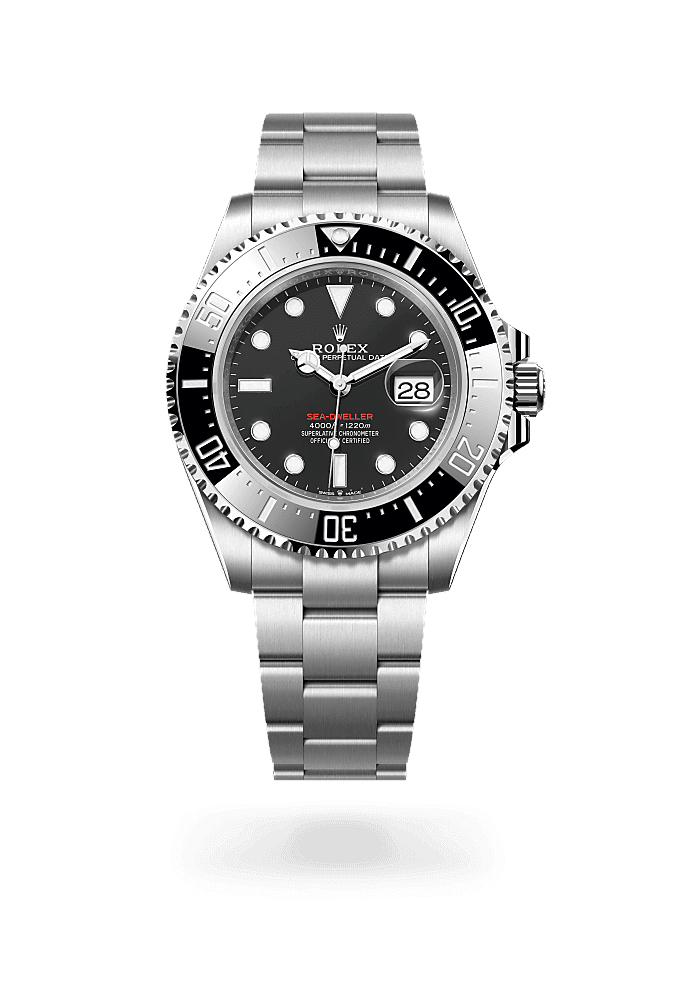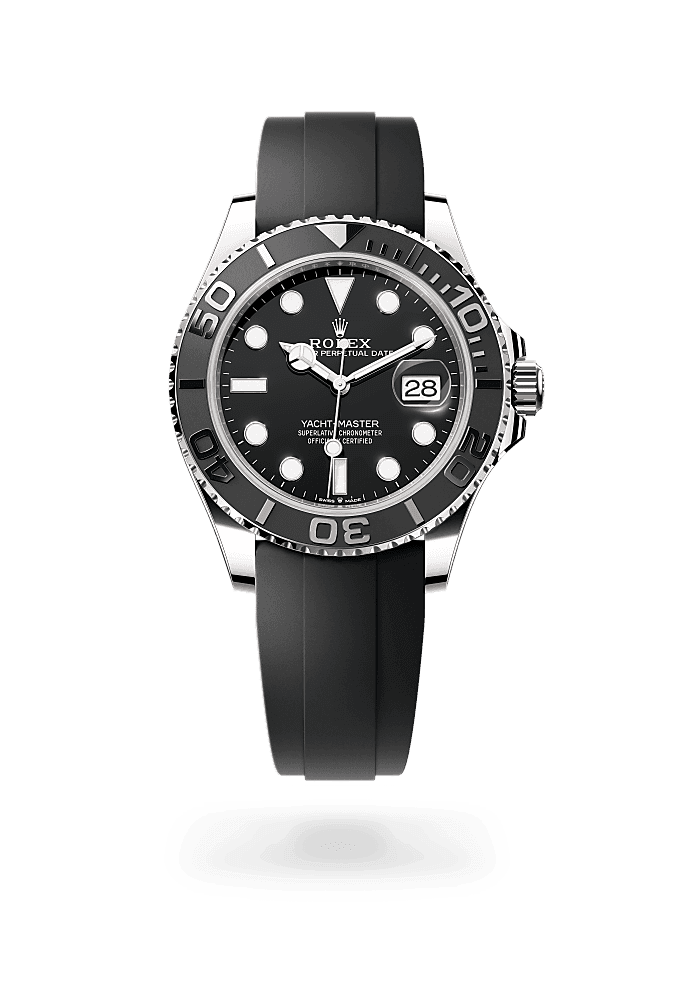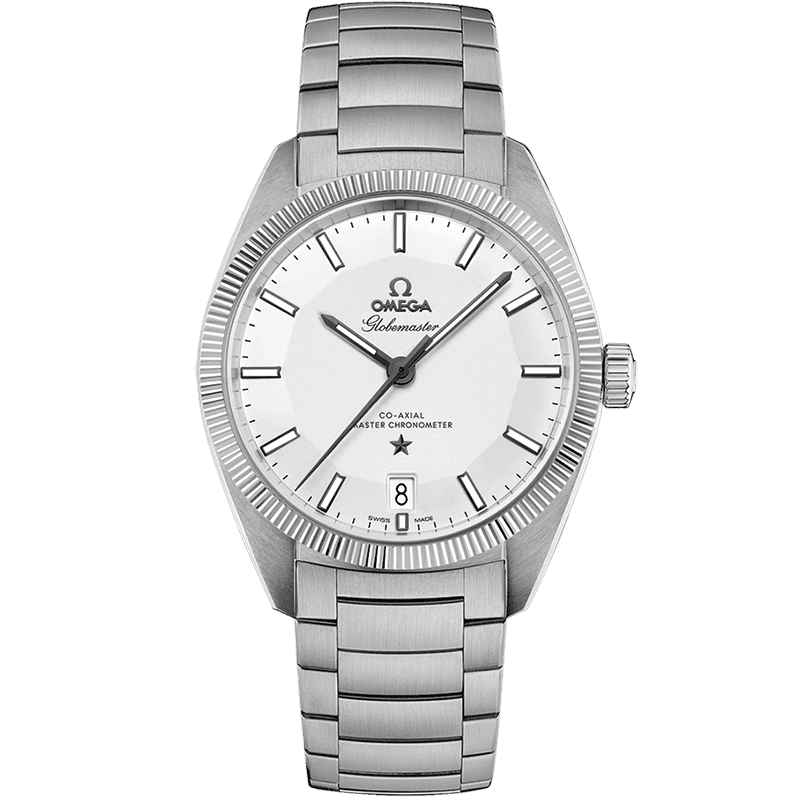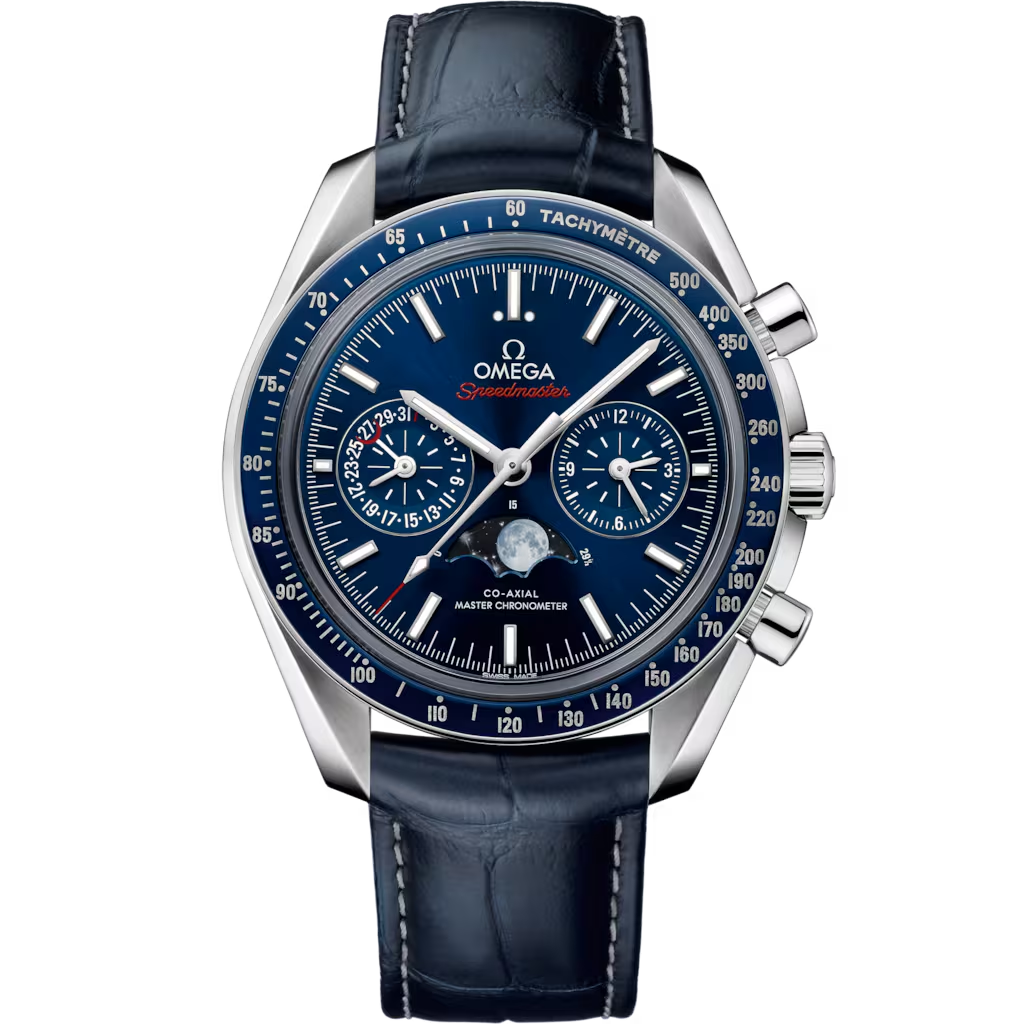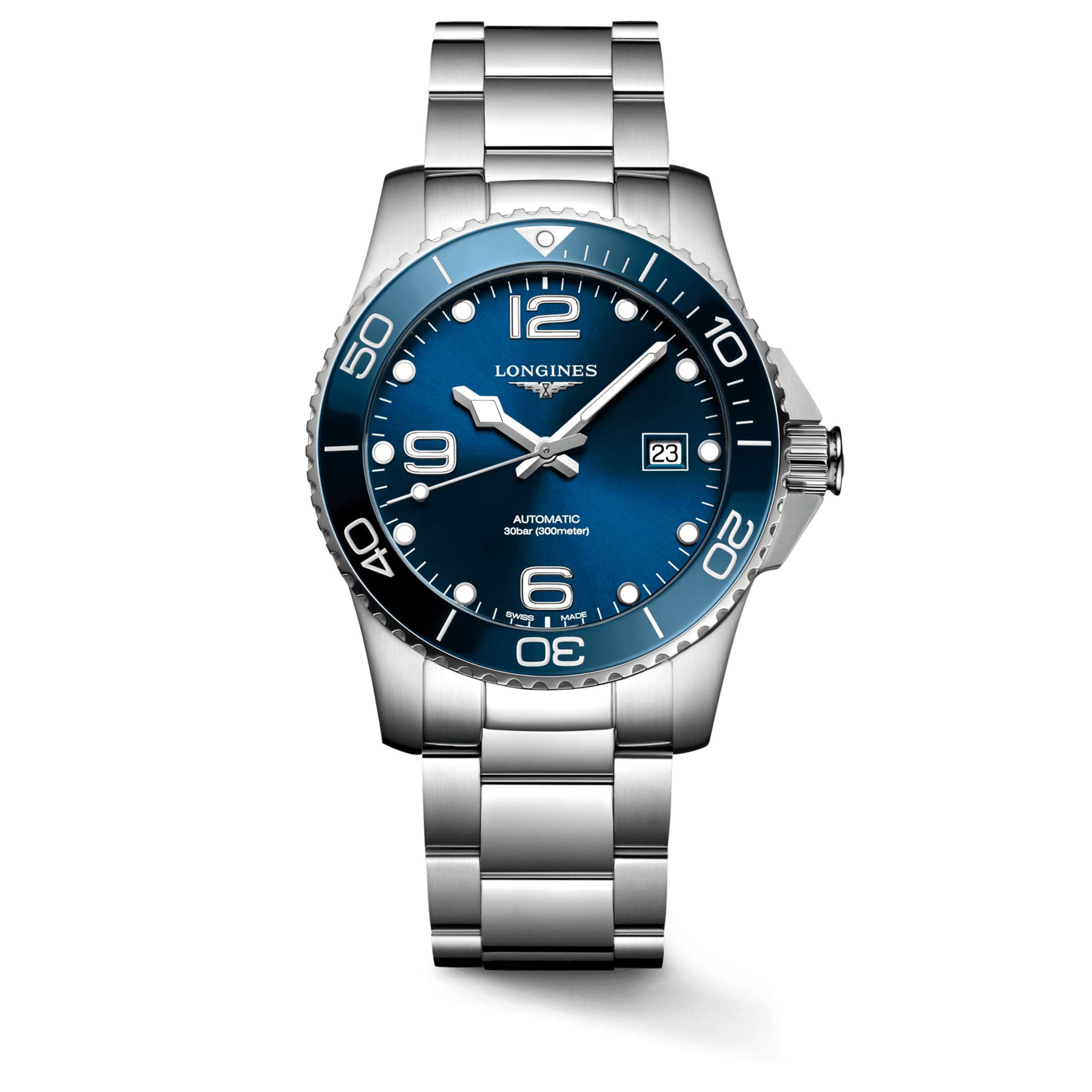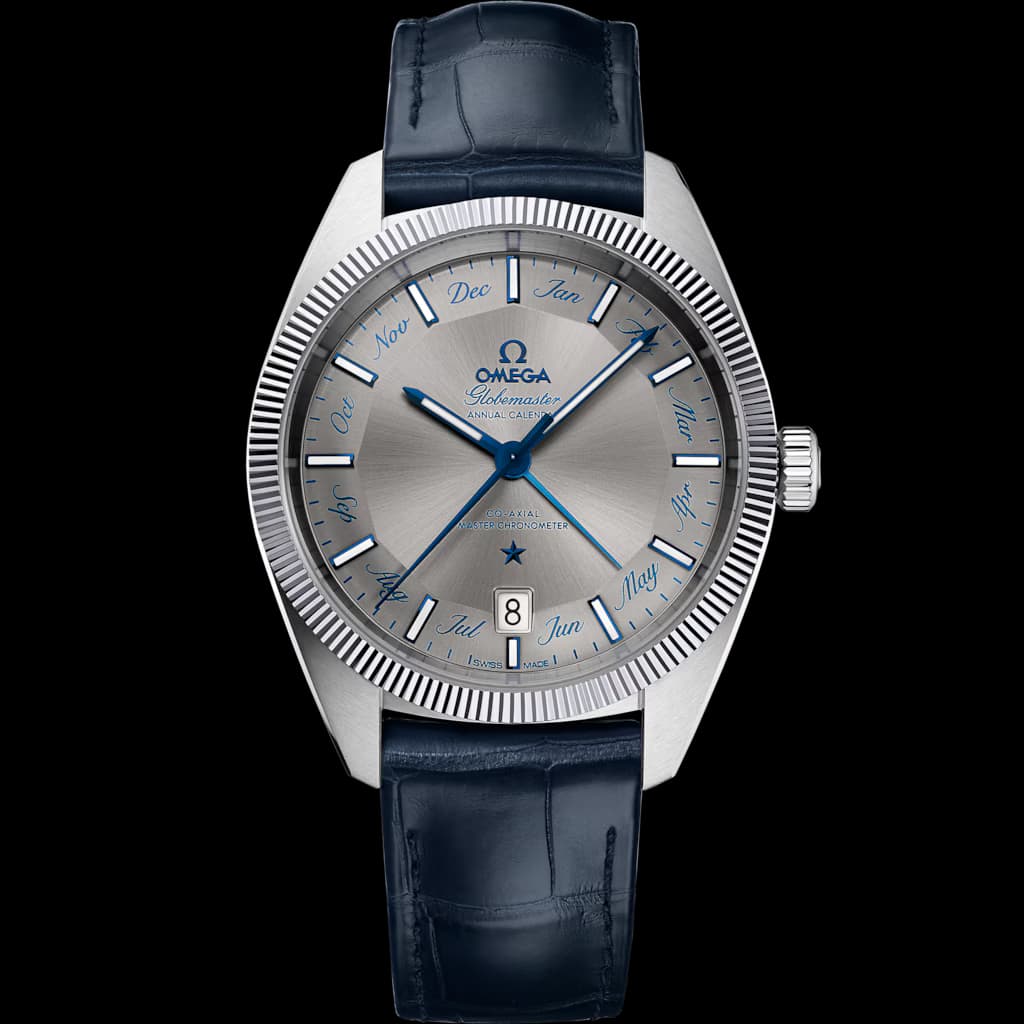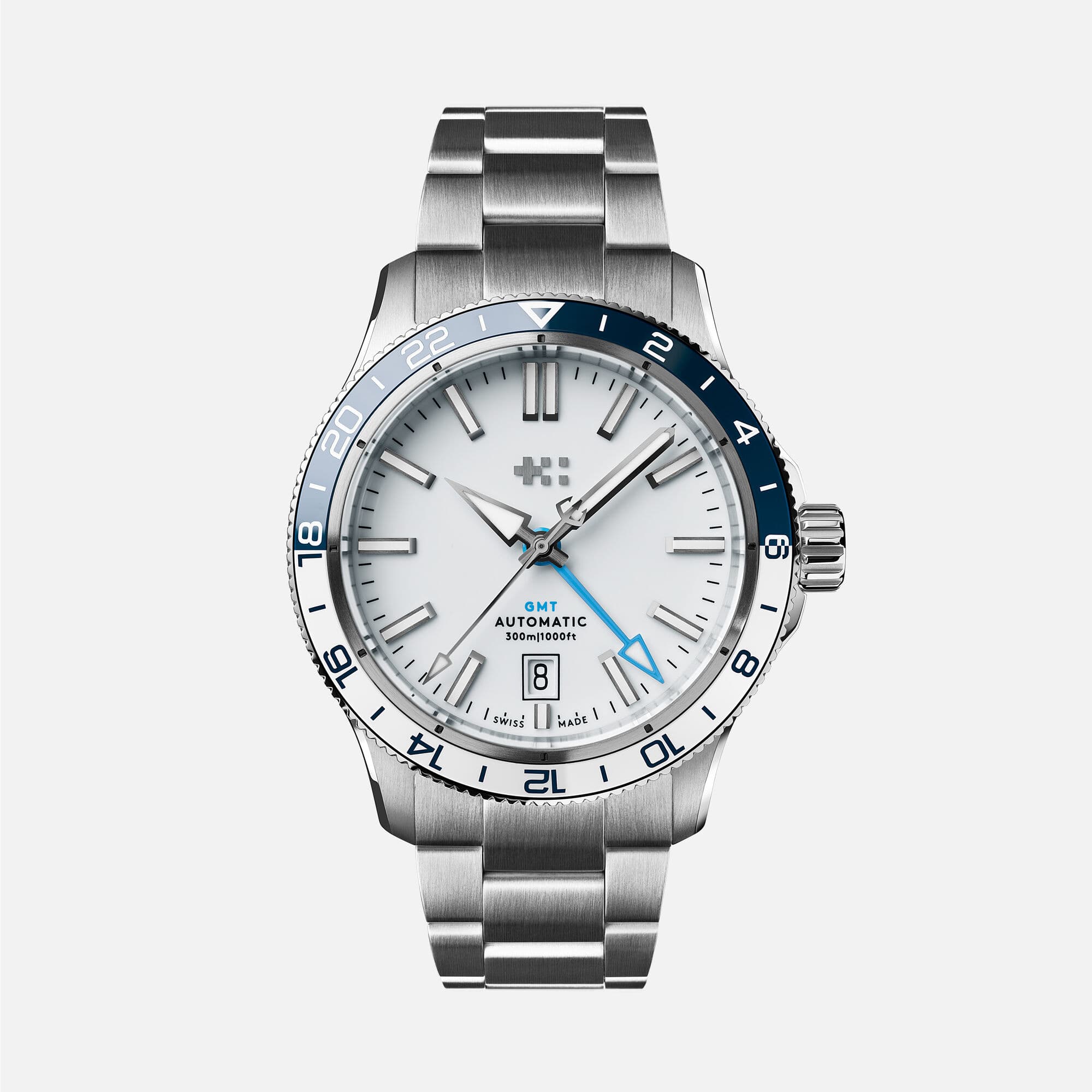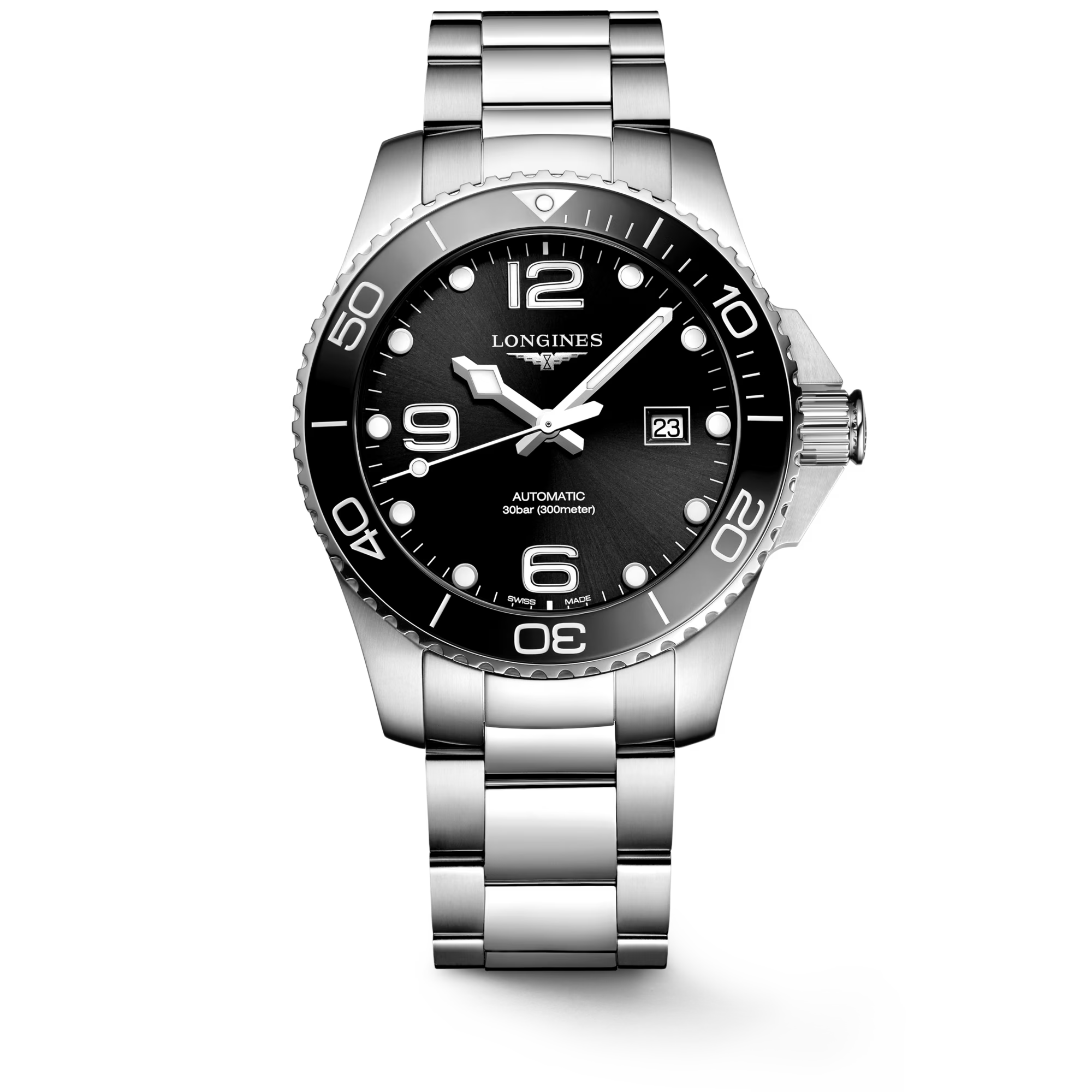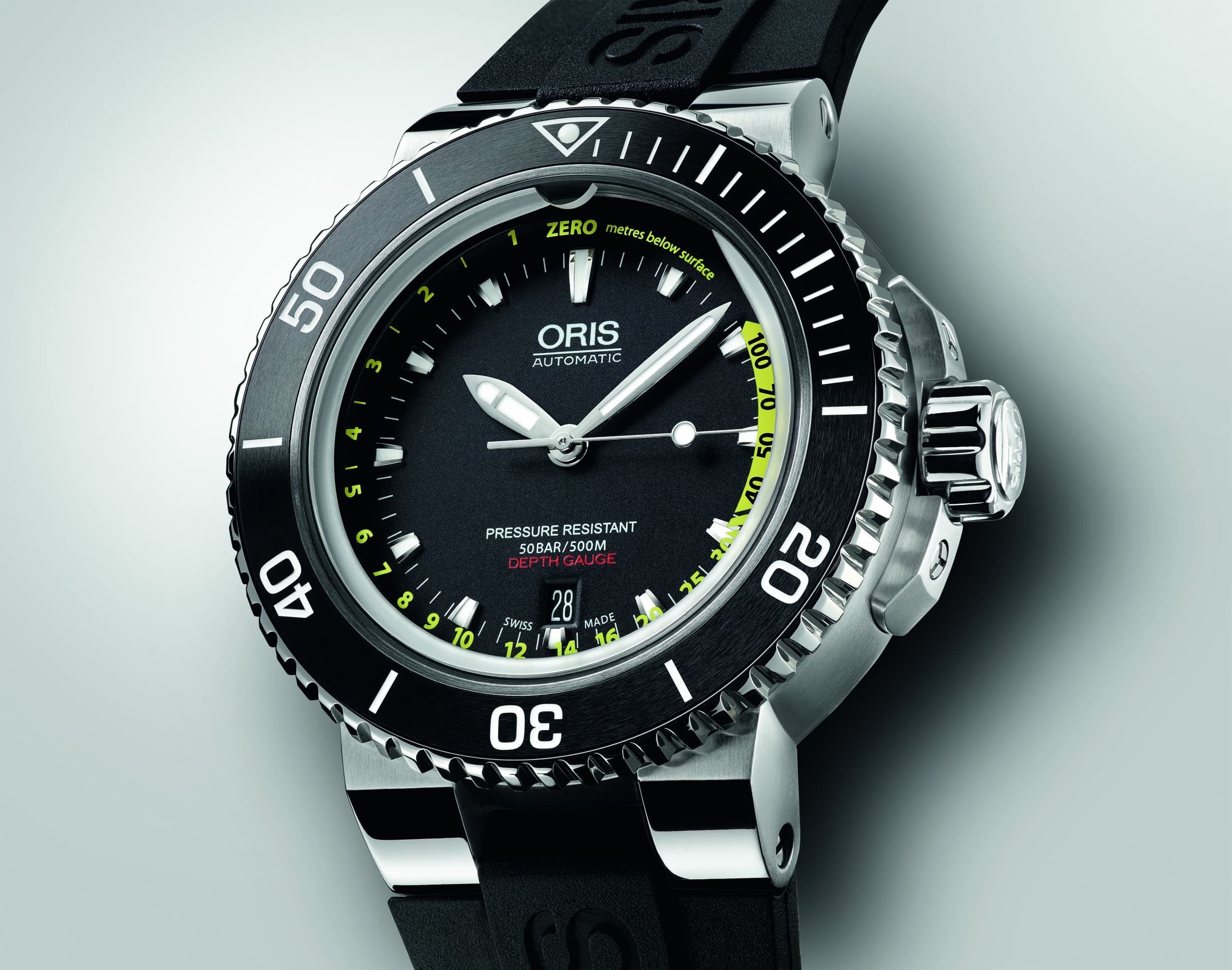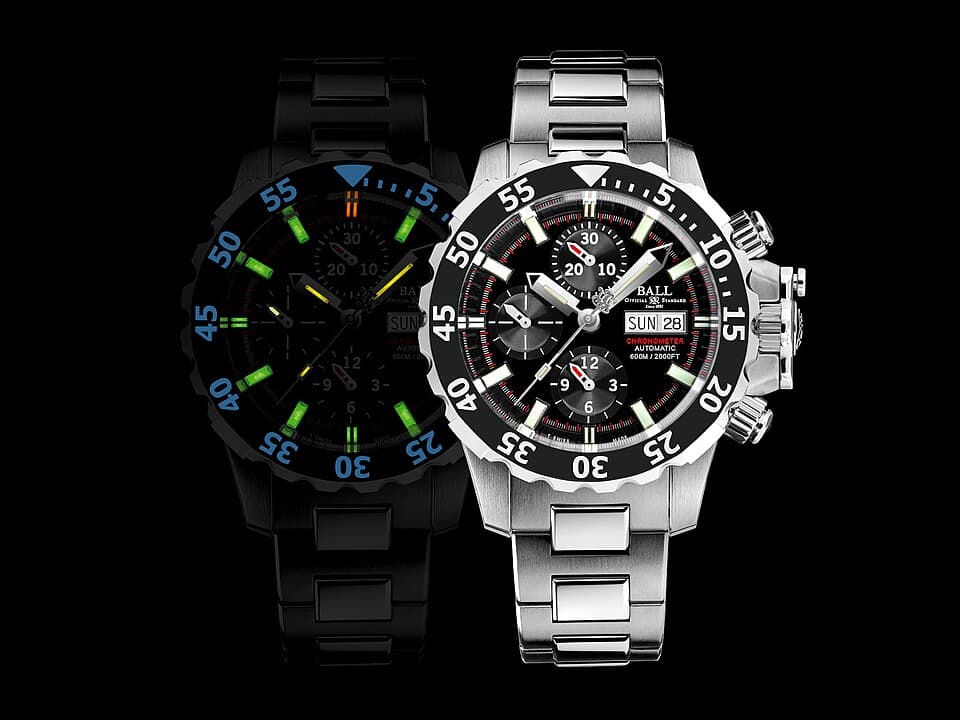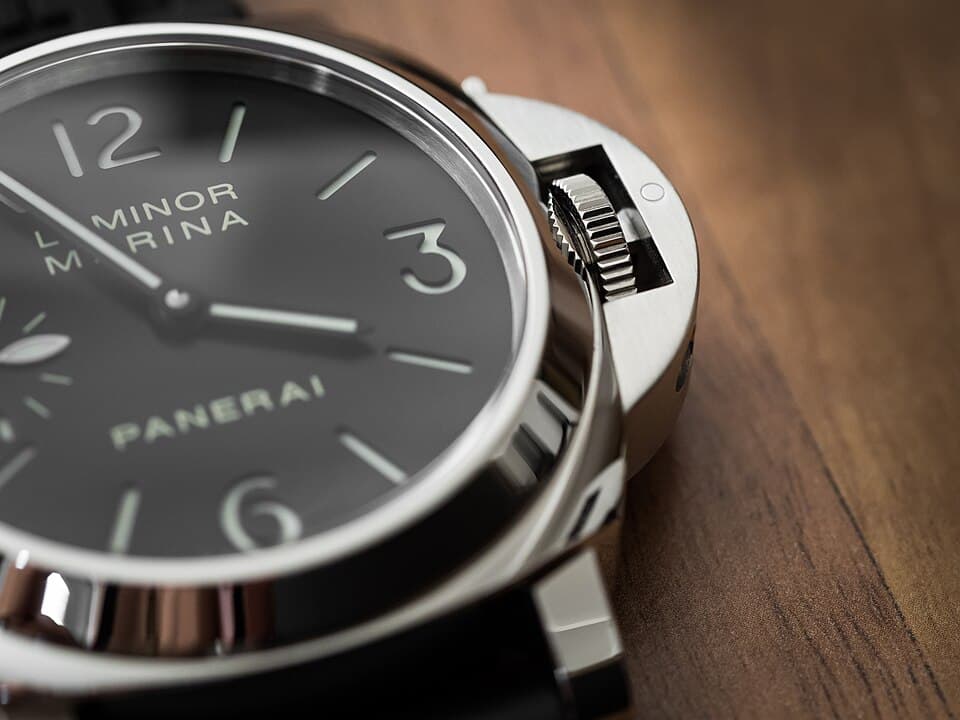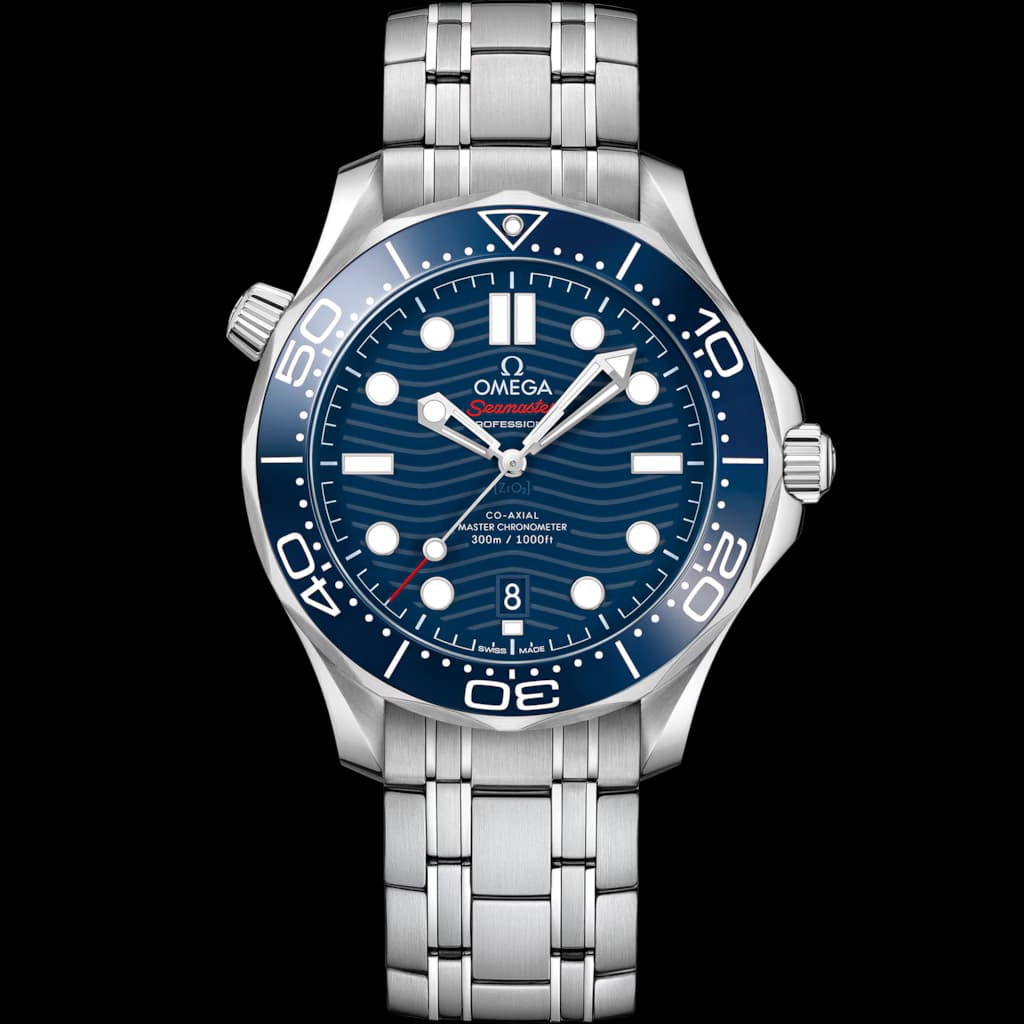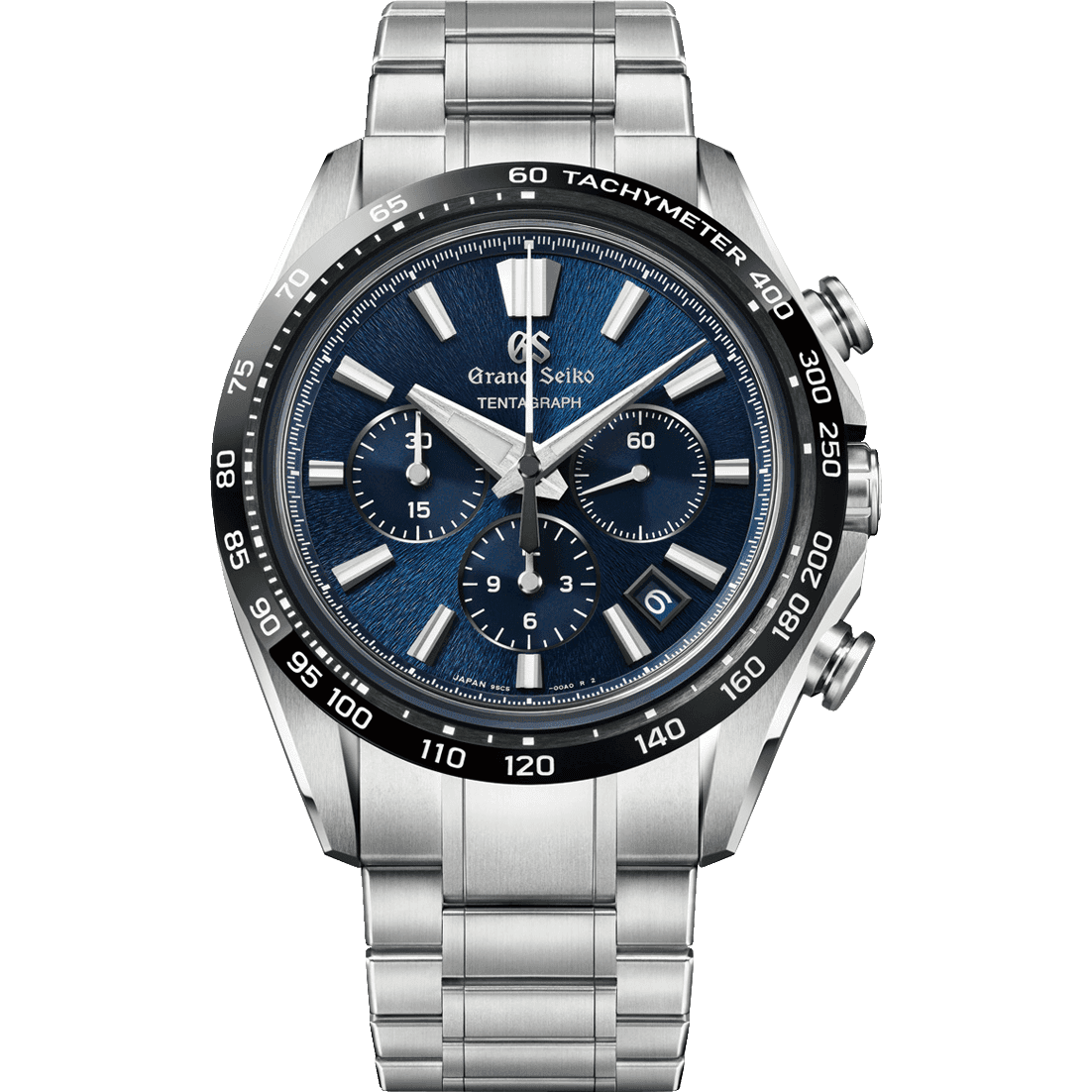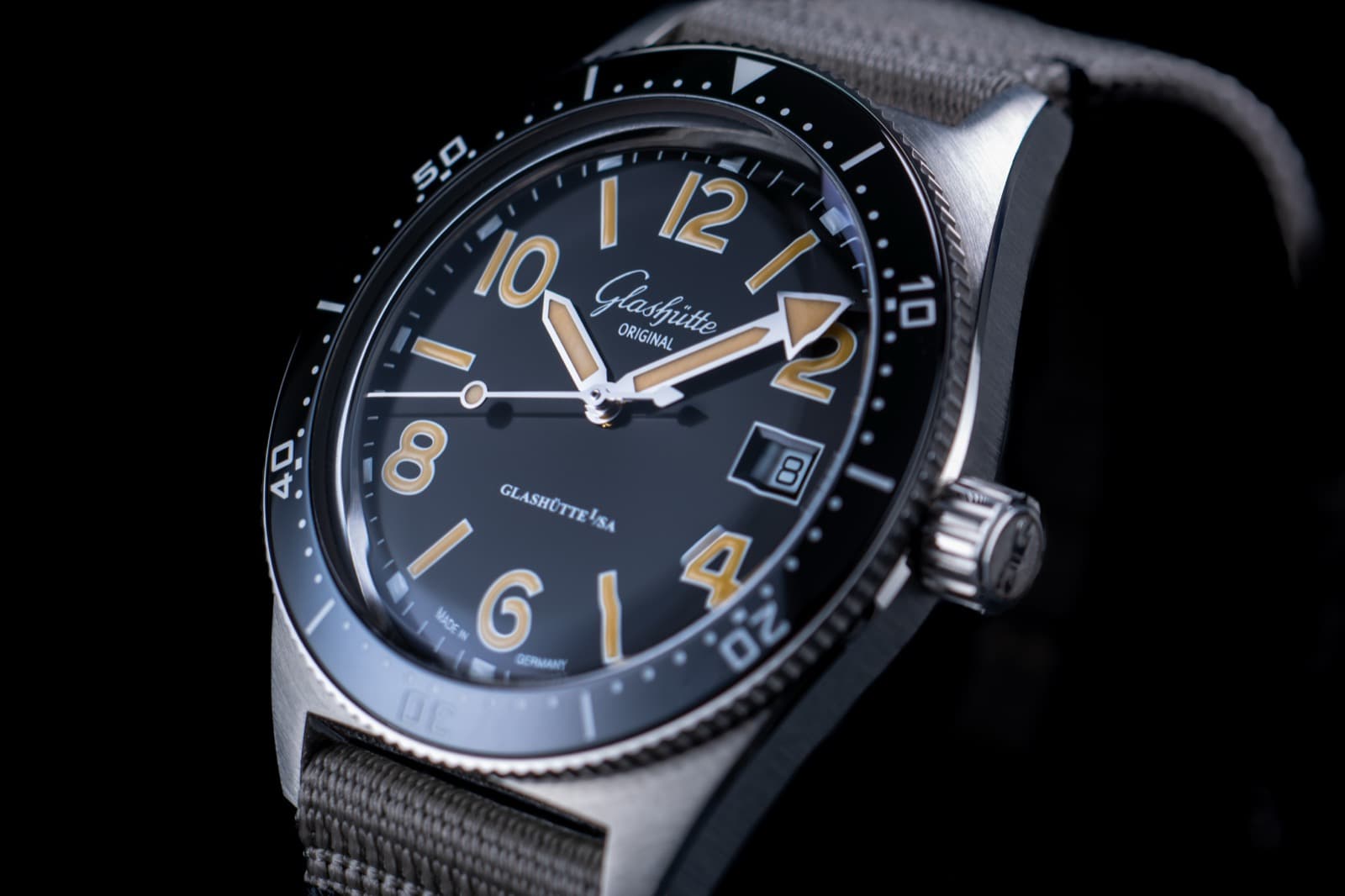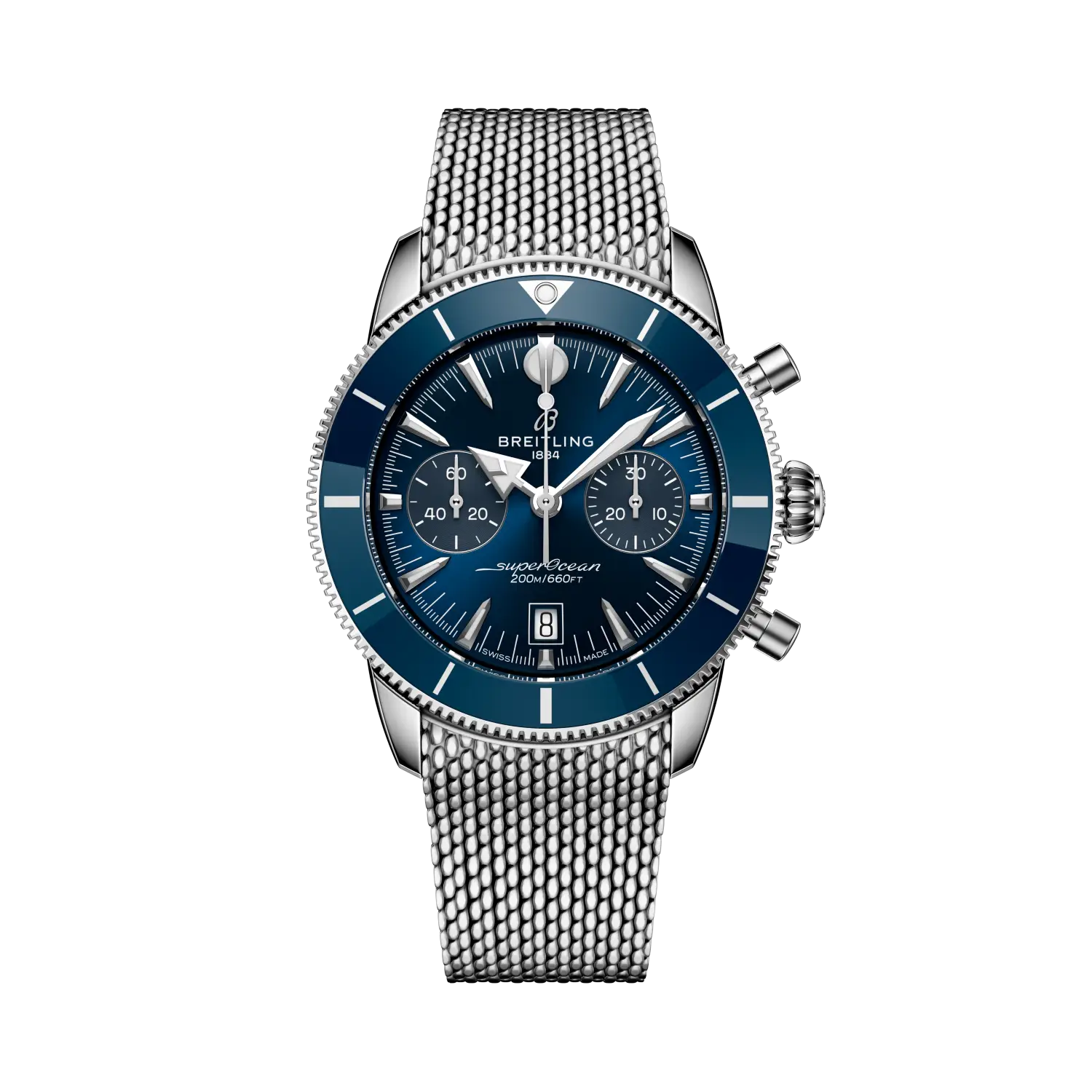
Ceramic-bezel watches
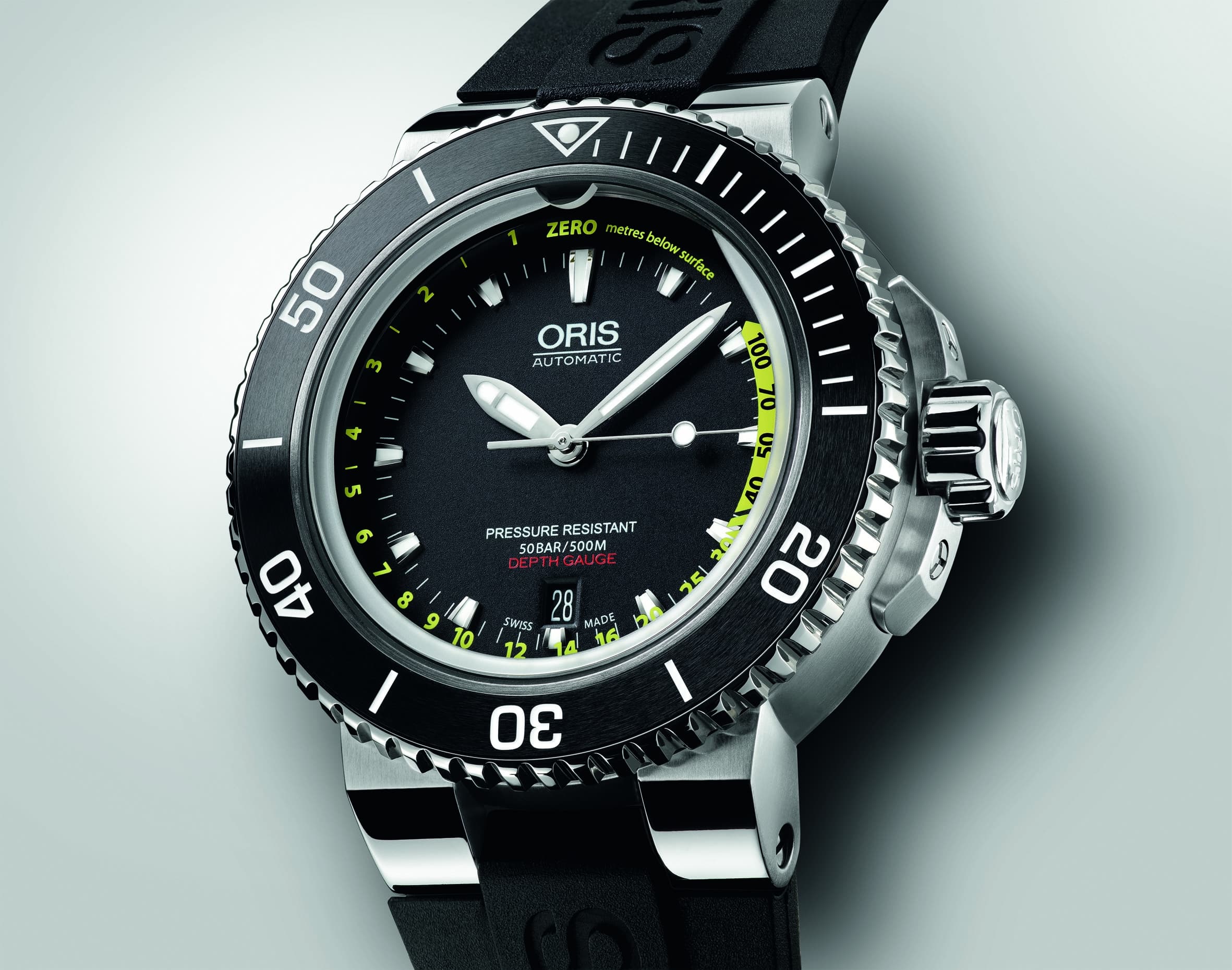
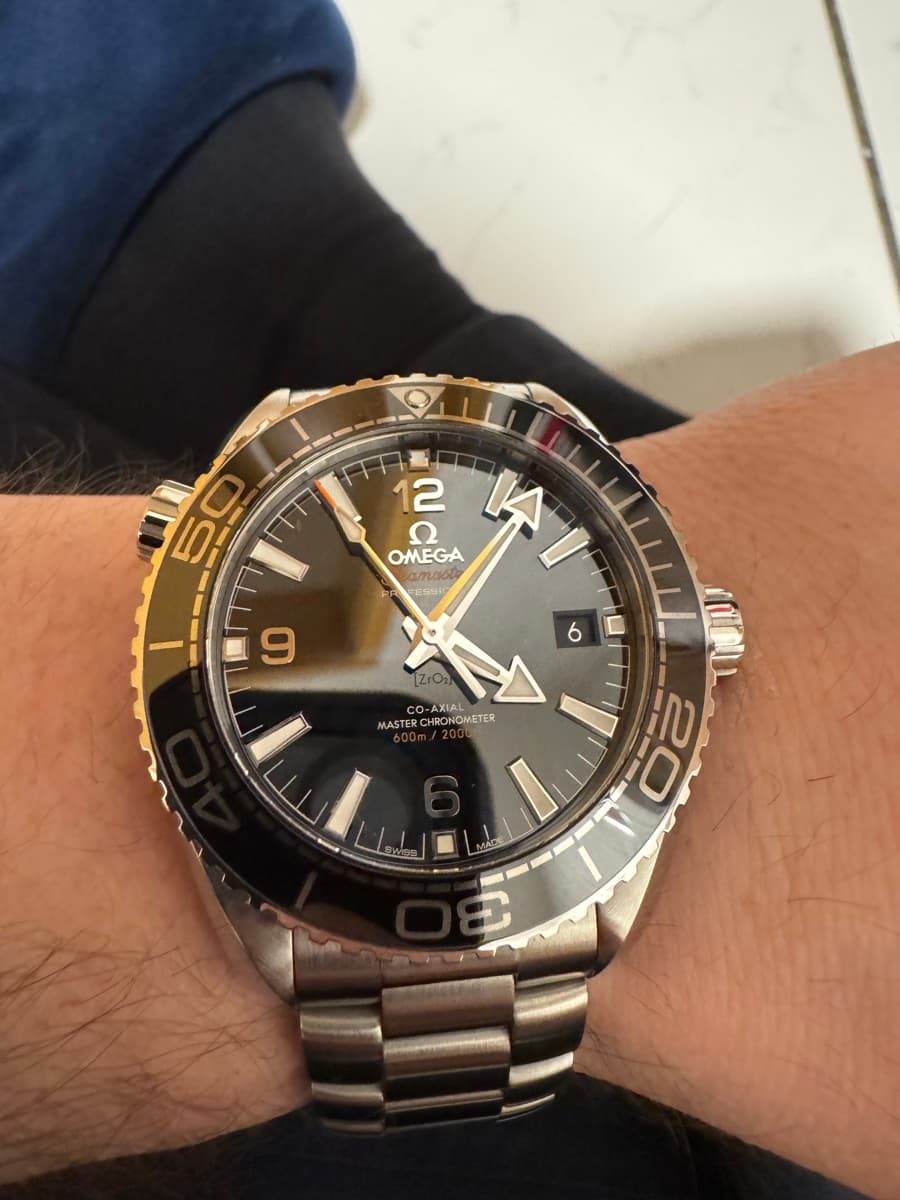
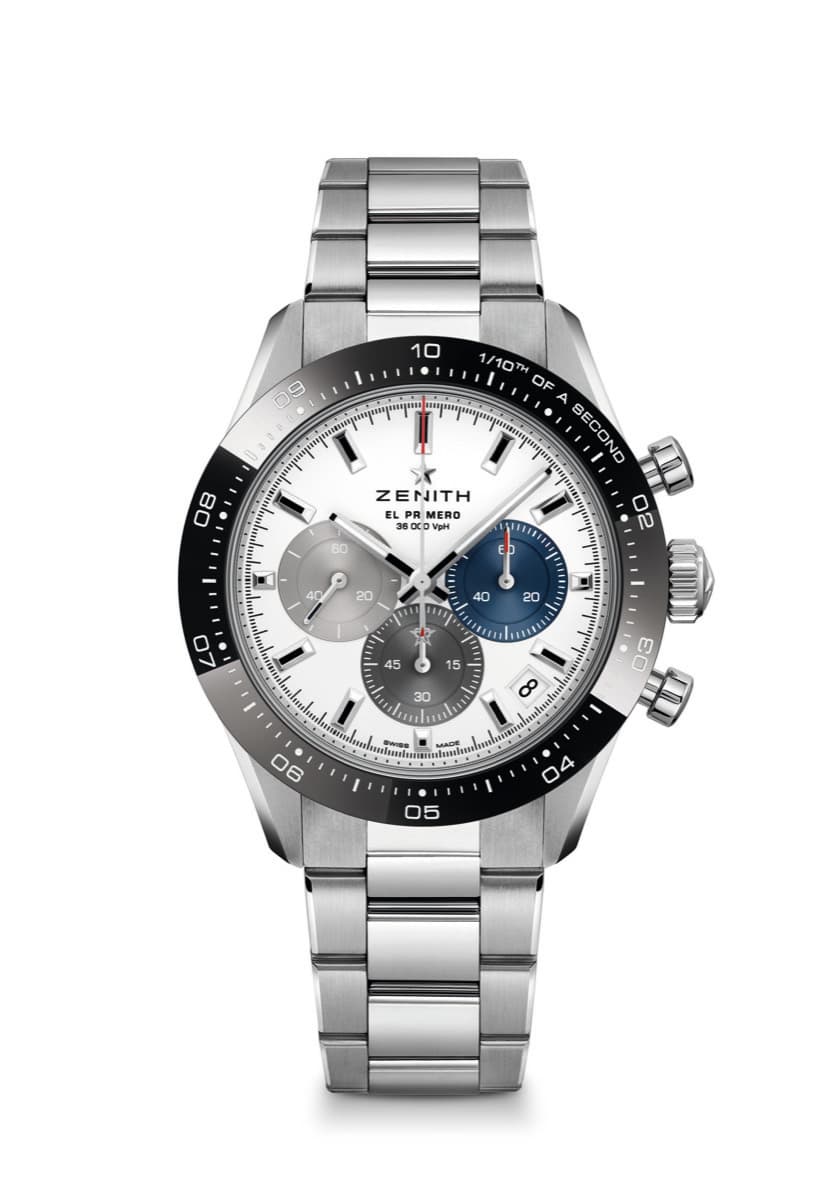
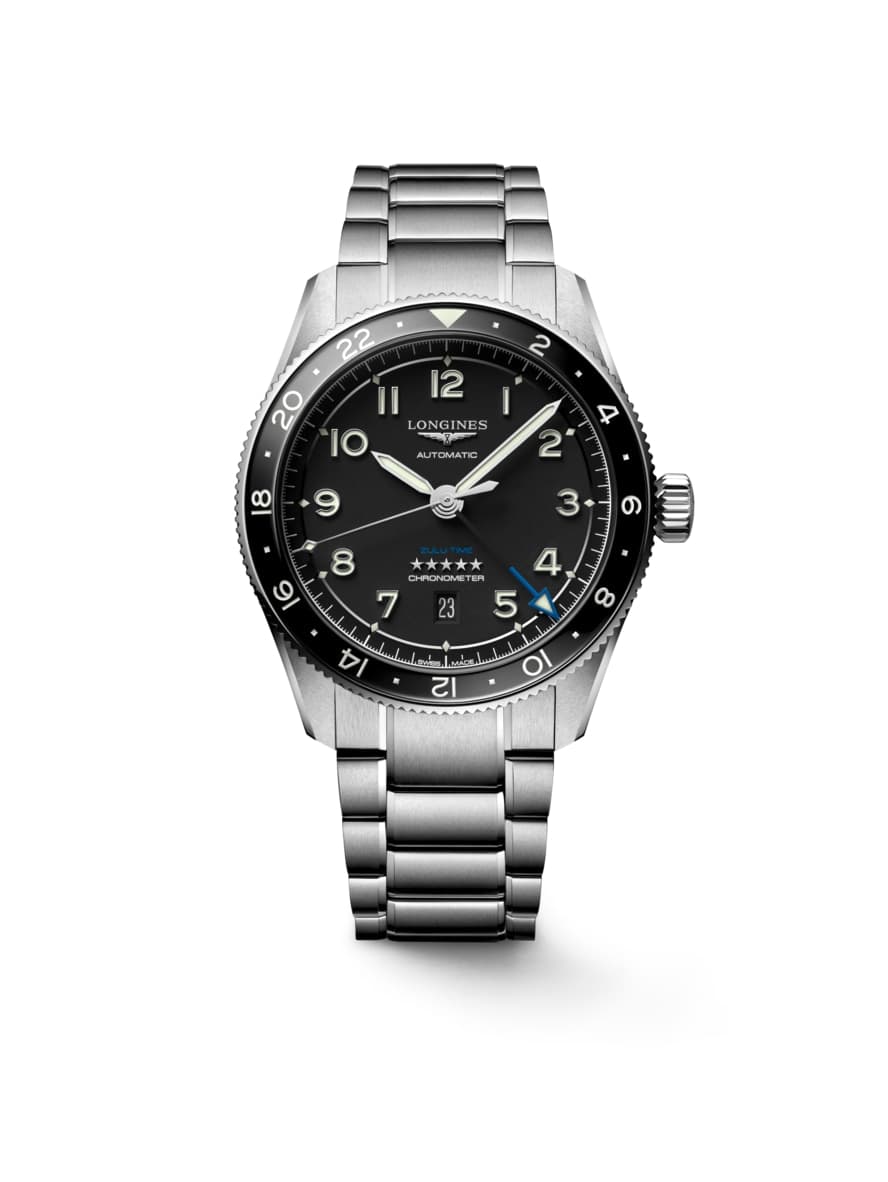
References in the Grail Atlas catalog with this bezel material above the case.
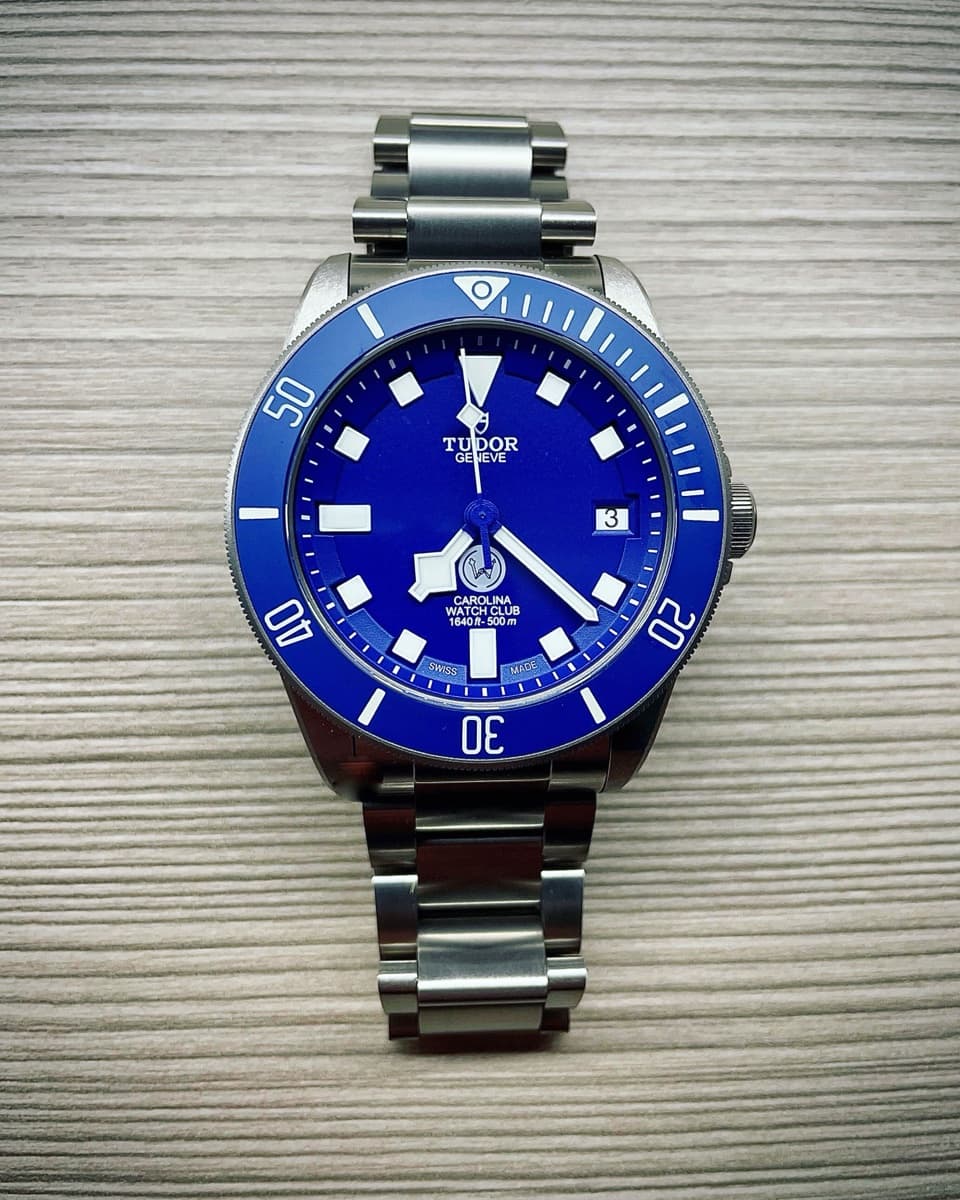
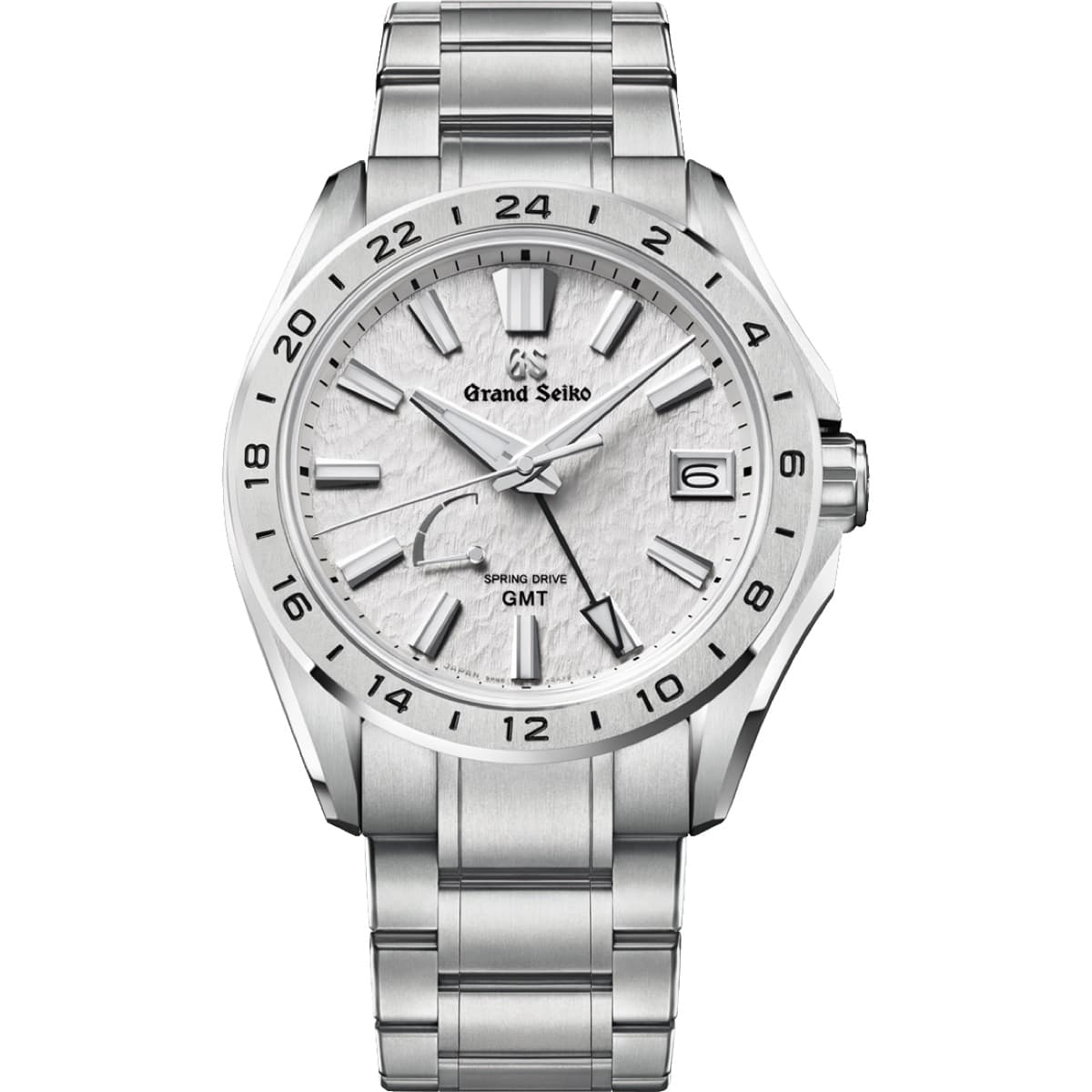
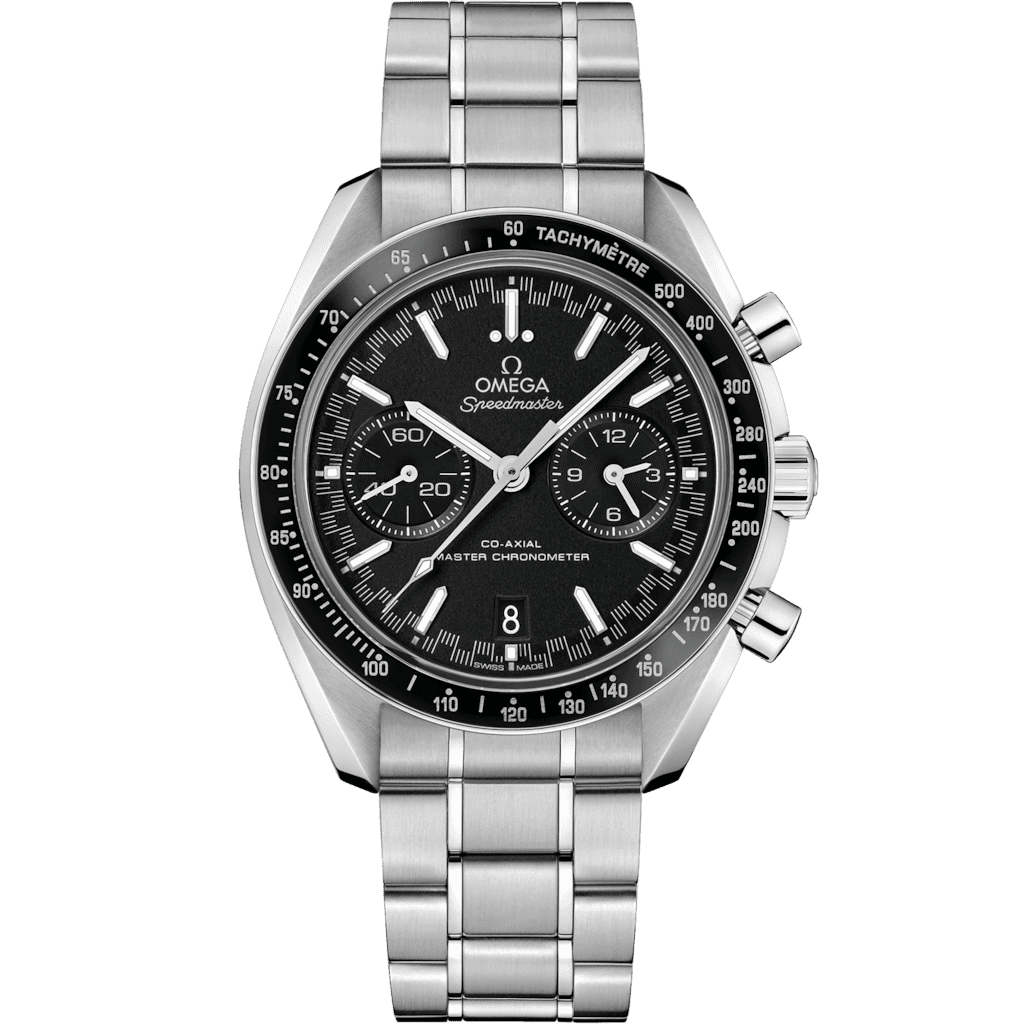
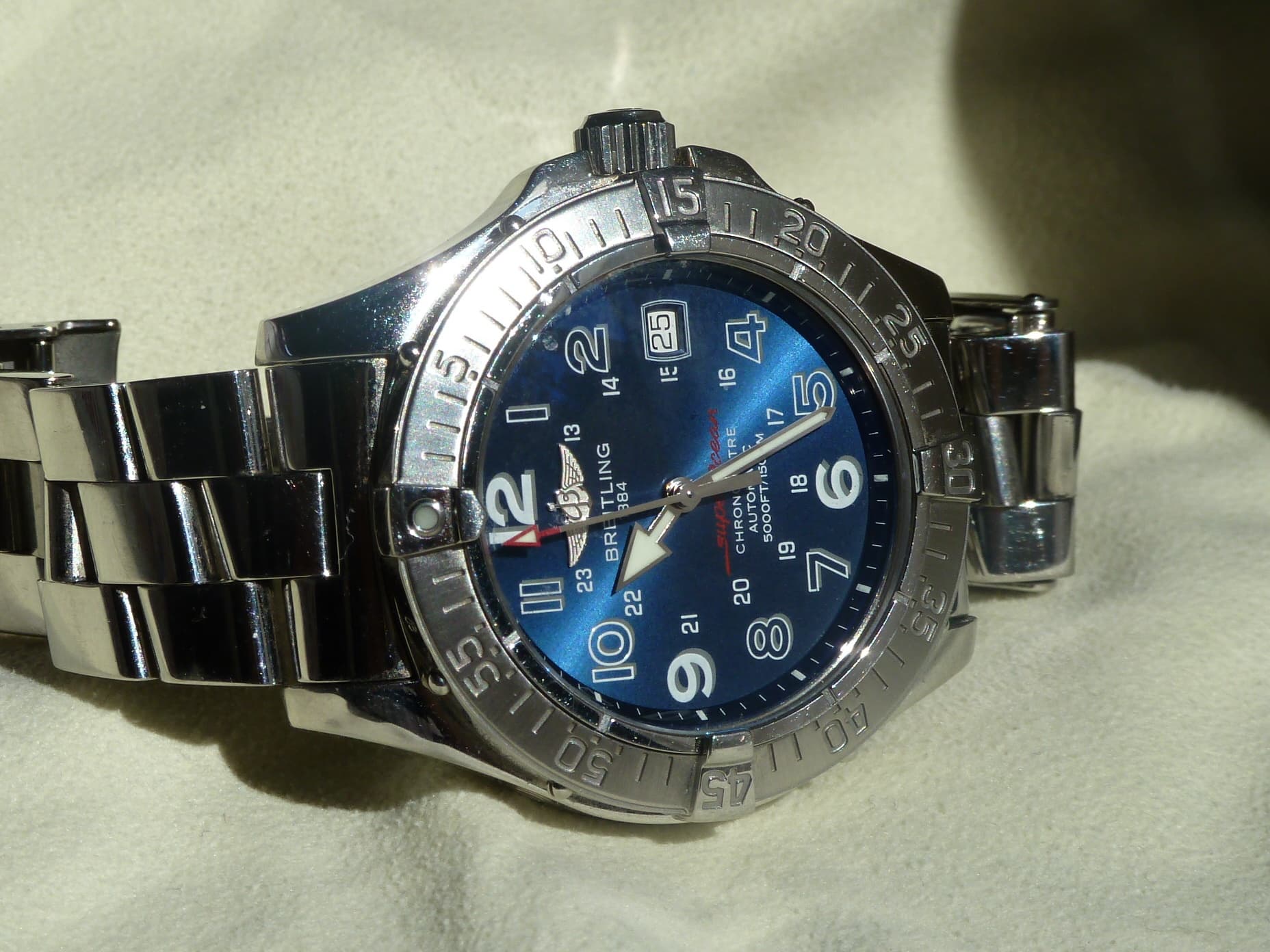
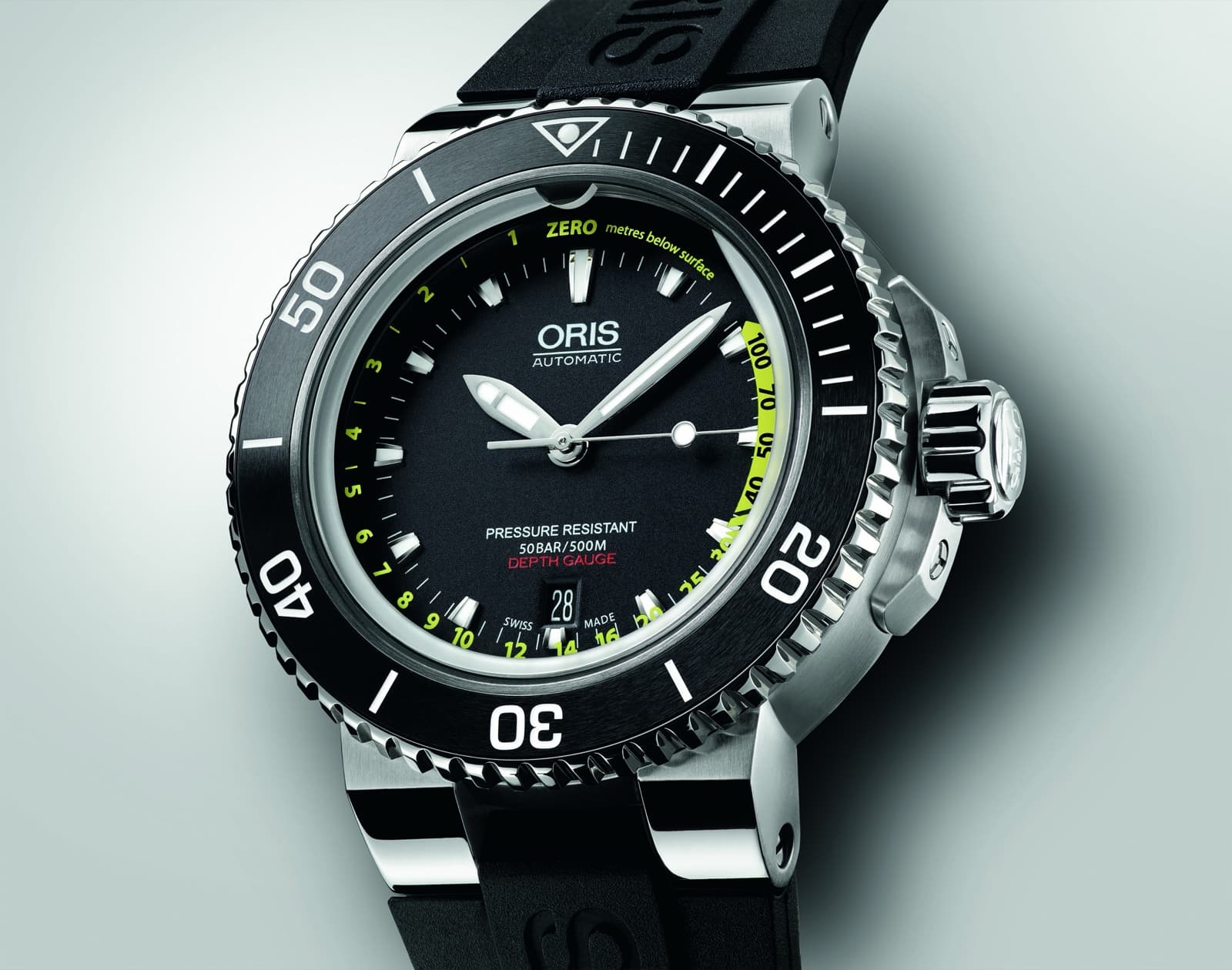
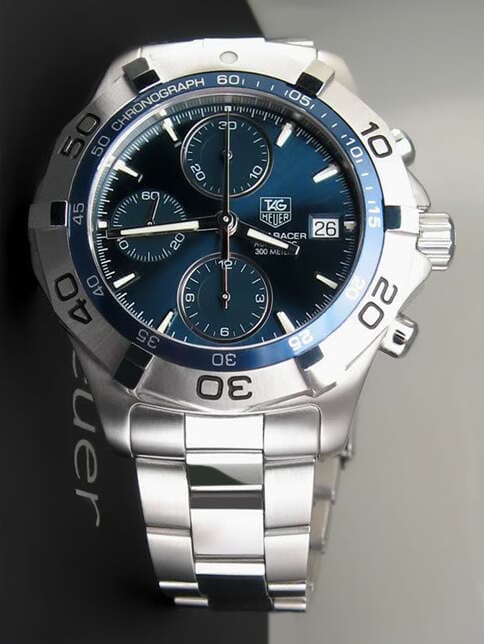
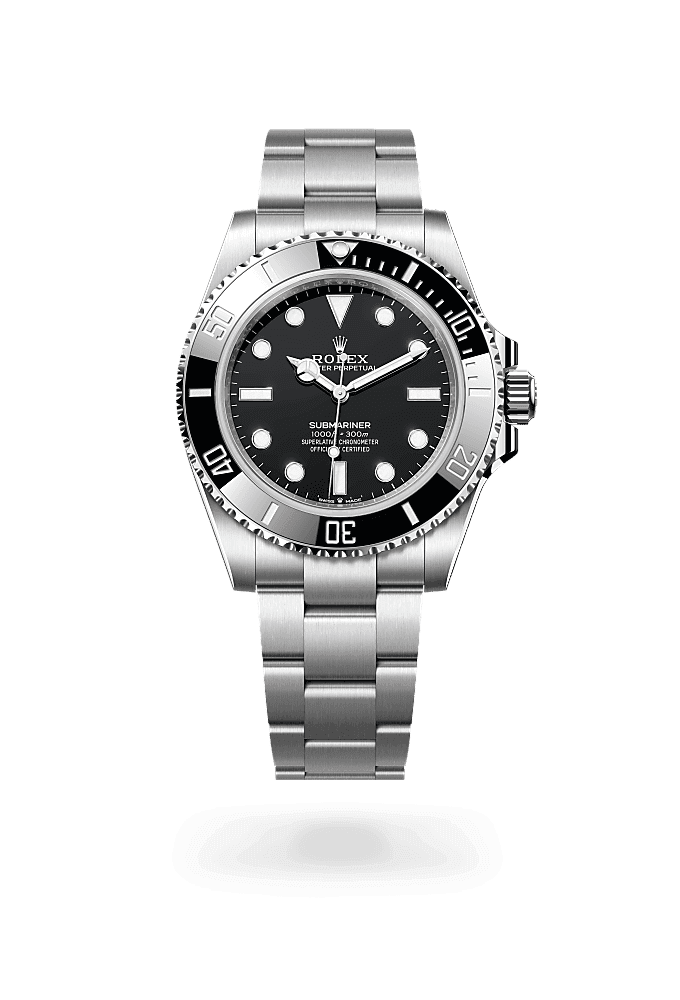
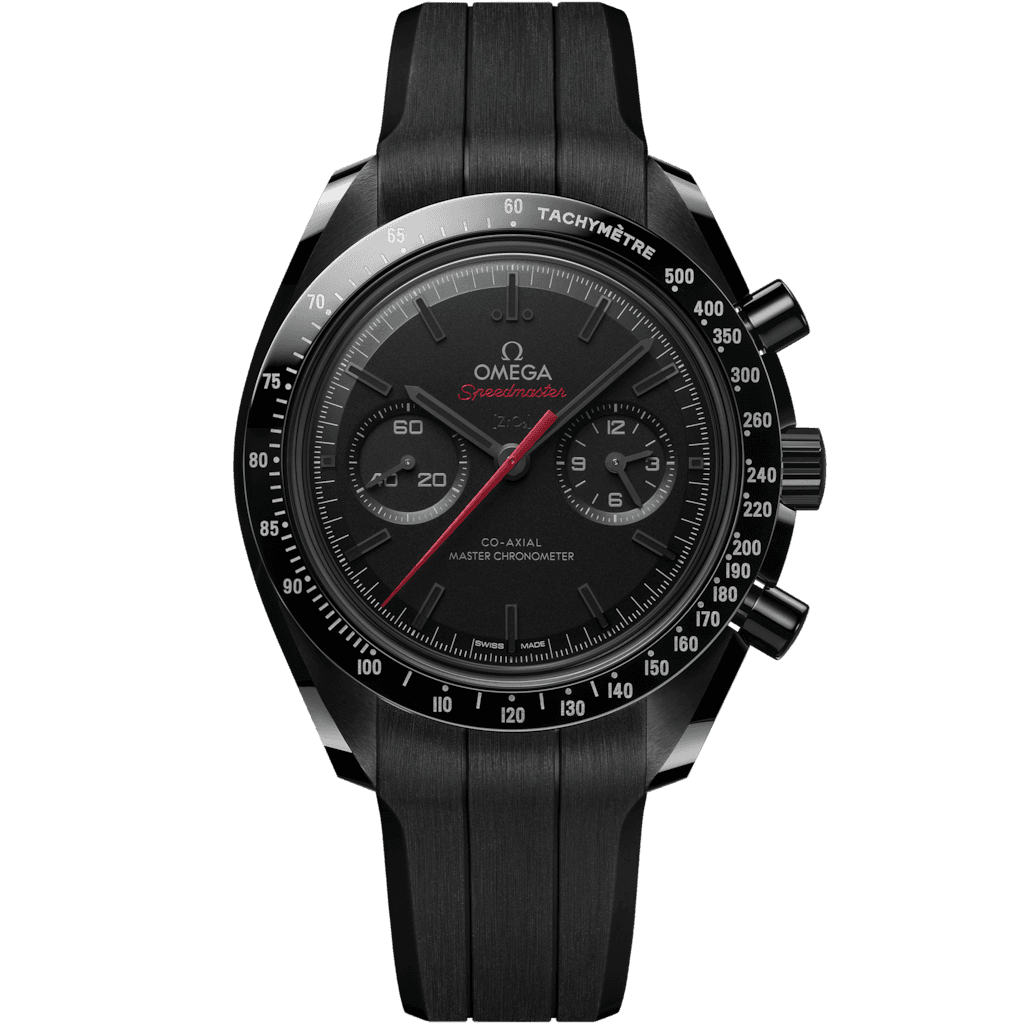
Ceramic bezels (specifically the inserts on dive and GMT watches) replaced aluminum as the modern luxury convention starting in the mid-2000s. Rolex's "Cerachrom" was the first commercial ceramic bezel insert (GMT-Master II 116710LN, 2007), and the material has since become standard across the brand's professional line. Ceramic is dramatically more scratch-resistant than aluminum, holds its colour against UV exposure indefinitely, and does not fade, the trade is that ceramic does not develop the patina that vintage aluminum-bezel collectors prize.
What to look for
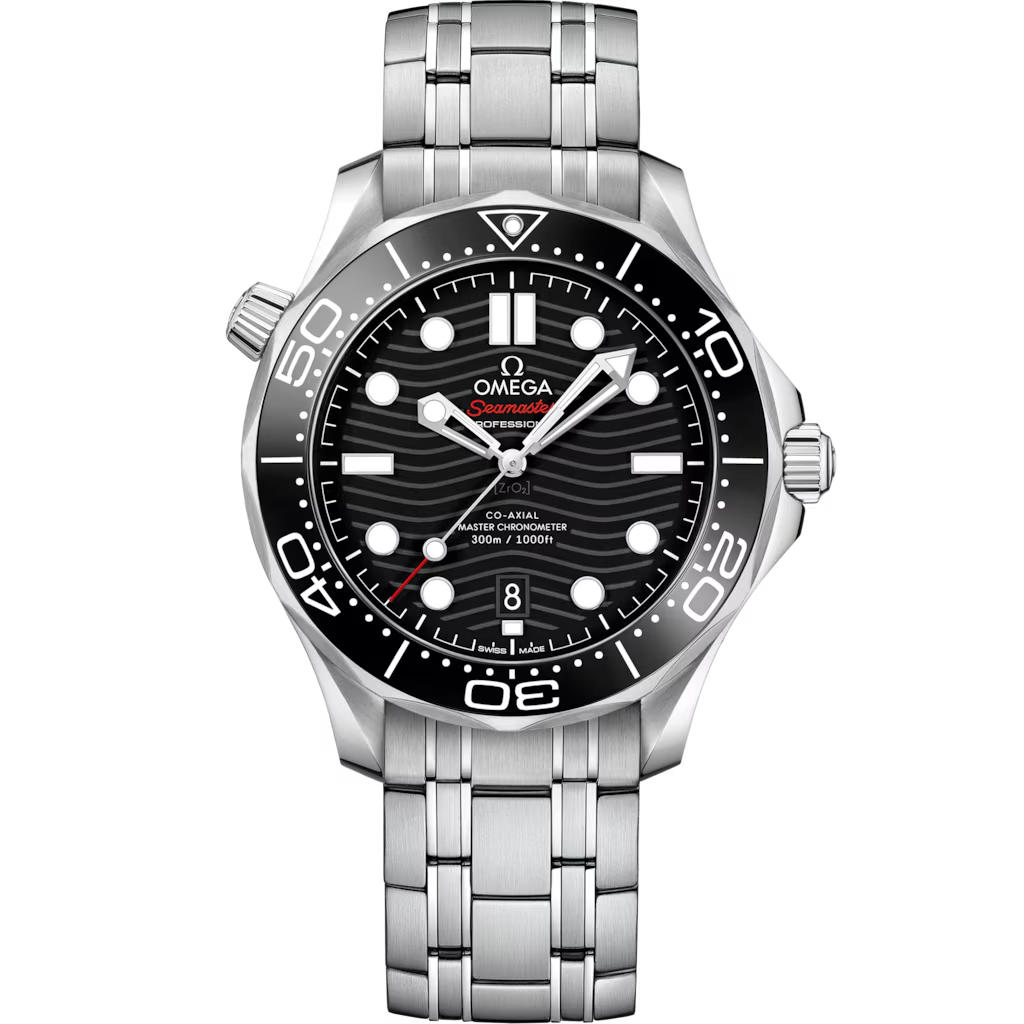
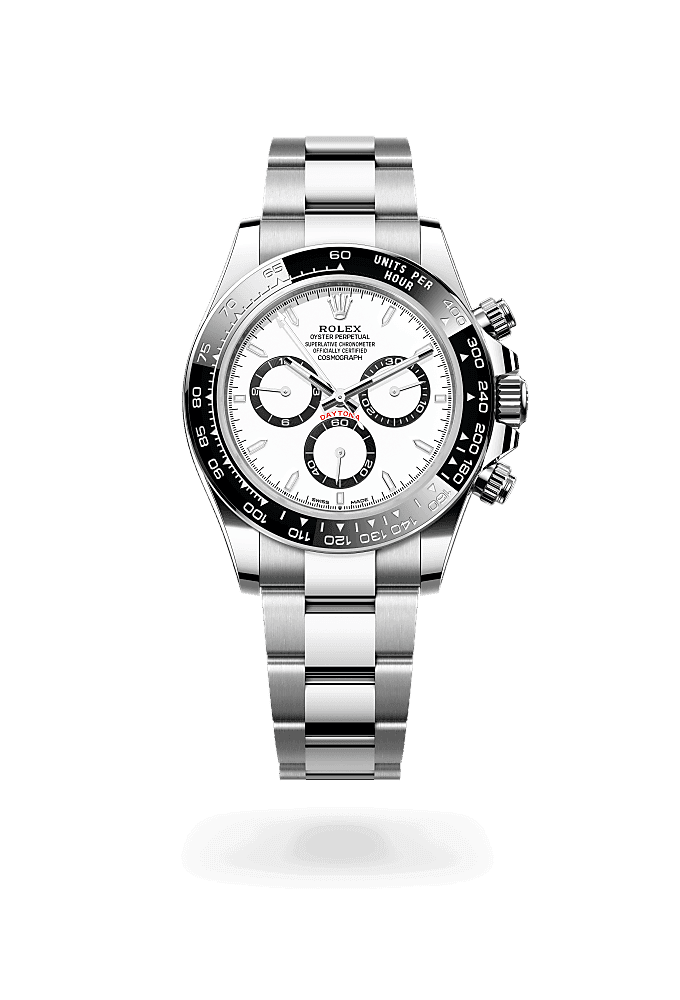
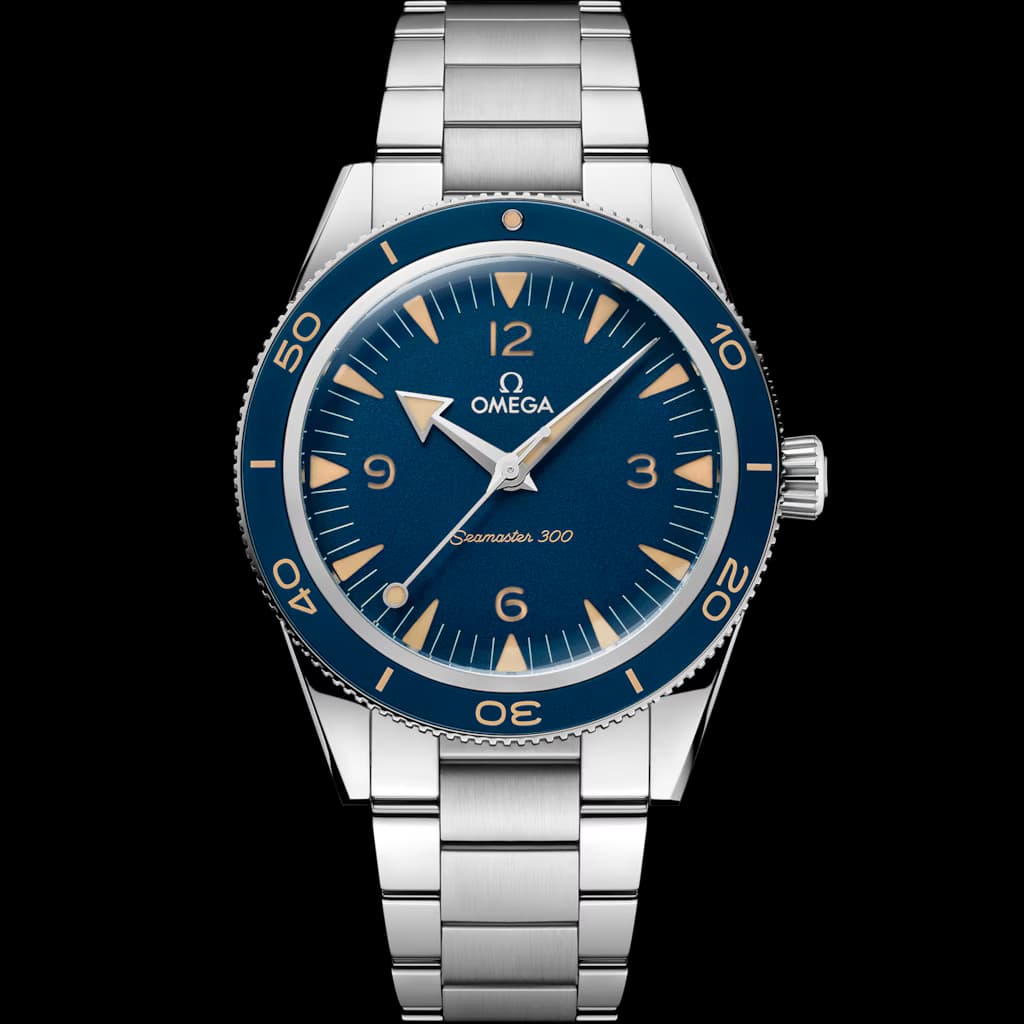
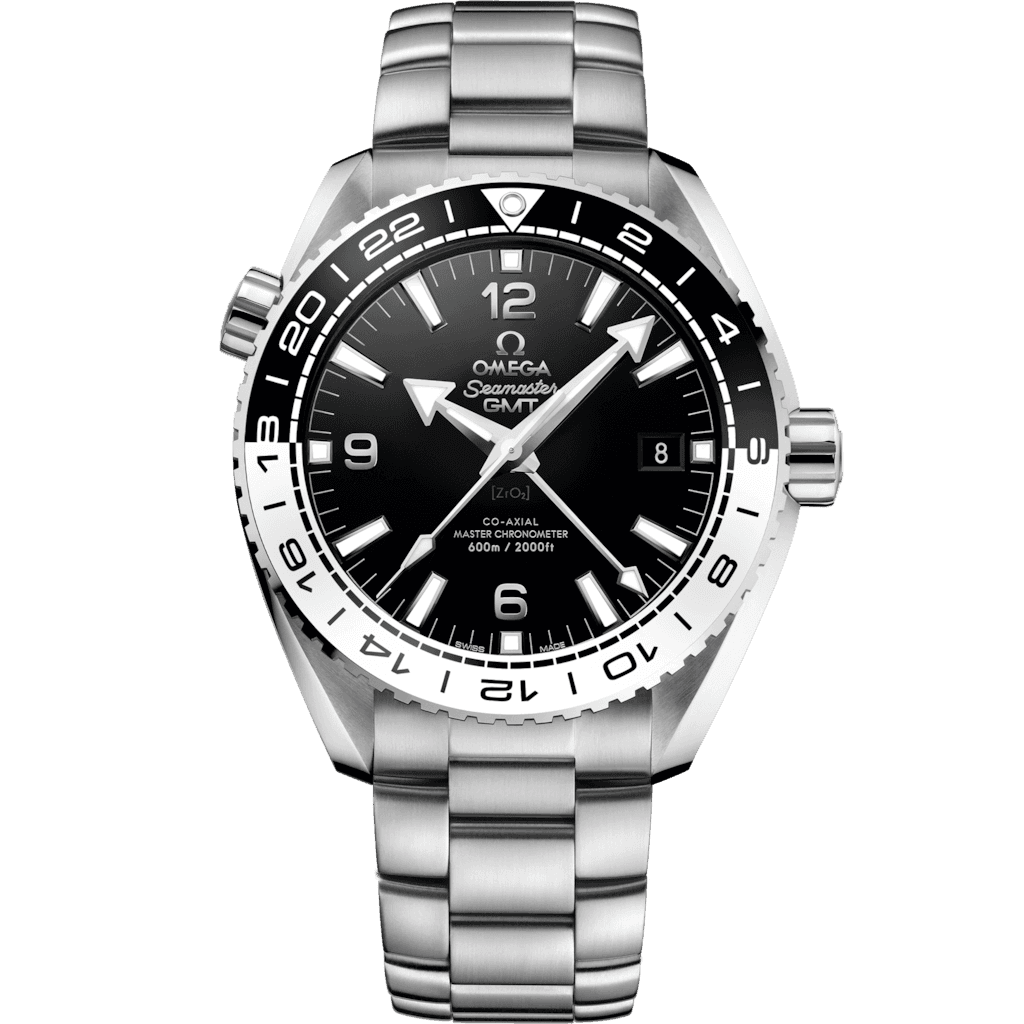
The Rolex Submariner 126610LN (black ceramic), GMT-Master II 126710BLNR (black-and-blue "Batman" Cerachrom), and Daytona 116500LN (black ceramic tachymeter) define the modern category. Tudor's Black Bay GMT (M79830RB) uses an aluminum bezel insert as a deliberate vintage callback, different feel, intentional. Omega's Seamaster Diver 300M uses ceramic on most current references. Two-tone ceramic (the Batman's bi-color insert) is harder to produce than single-color and a meaningful differentiator. Ceramic bezels also have a notable visual property: they read more saturated than aluminum, which is either luxurious or "plasticky" depending on your view.